Google Pixel’s Persistent Private Space Vulnerability Undermines User Privacy in Latest Android 17 Update

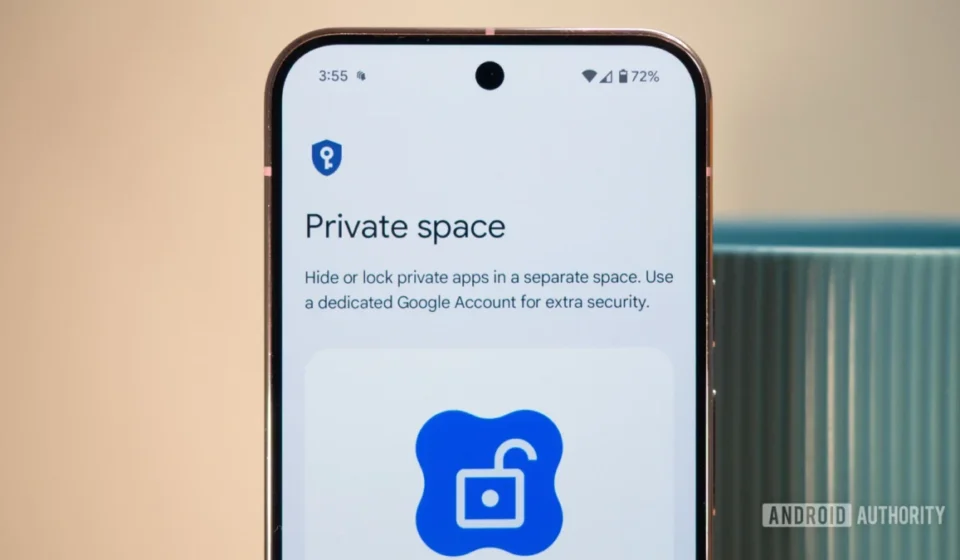
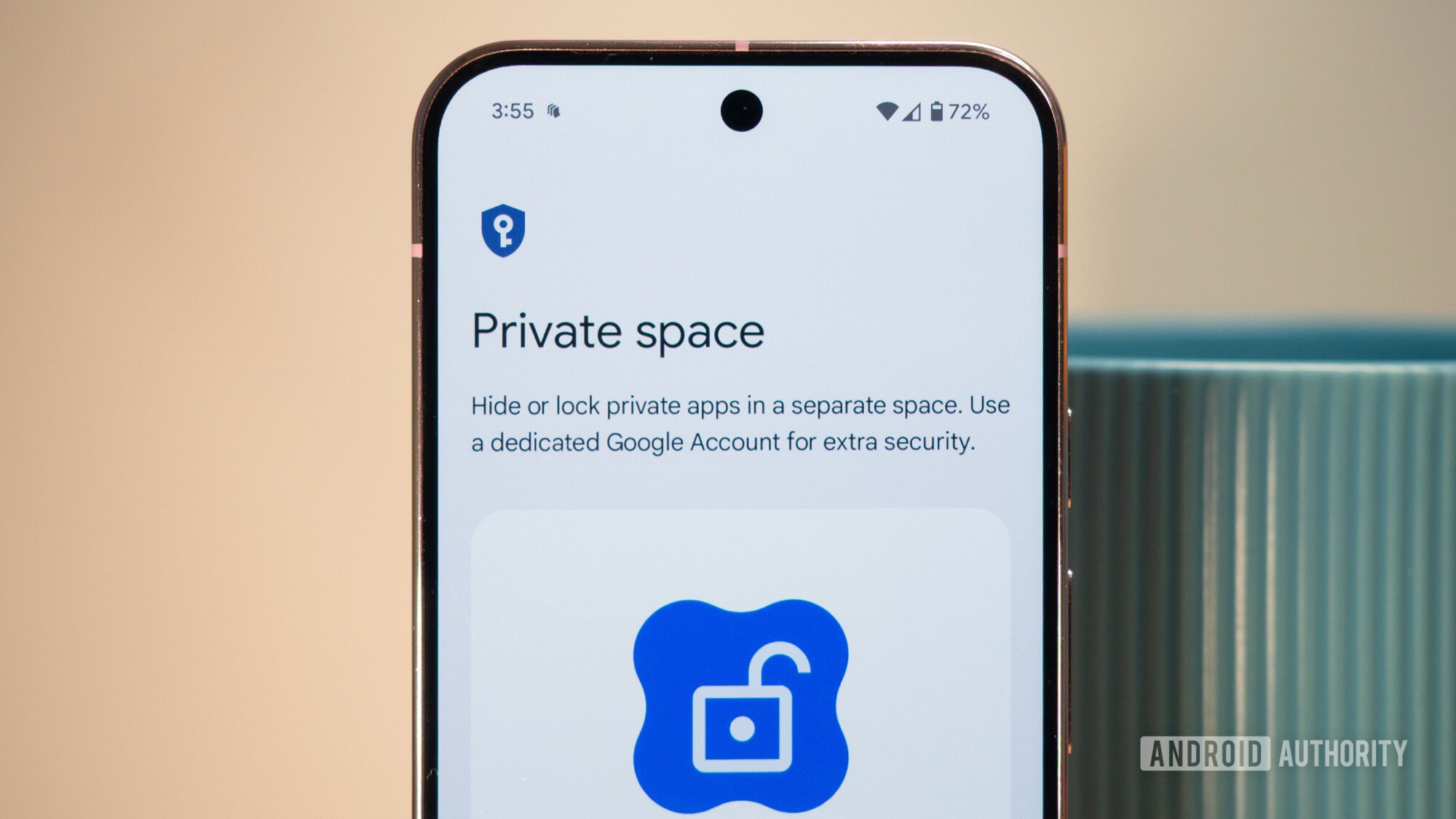
The highly anticipated November 2026 update for Google Pixel devices, while bringing a myriad of performance enhancements and security patches, has alarmingly failed to resolve a critical privacy flaw affecting the Private Space feature, a cornerstone of user data segregation on the Android platform. This persistent bug, which causes the purportedly hidden Private Space folder to reappear inadvertently in the app drawer, has now survived multiple significant software releases, including Android 17 QPR1 and QPR2, raising serious questions about Google’s quality assurance processes and its commitment to user privacy. First reported following the September release of Android 17 QPR1, the vulnerability continues to expose sensitive applications and data to potential unauthorized access, particularly troubling for users who rely on the feature for robust digital compartmentalization.
The Evolution and Strategic Importance of Private Space on Android
To fully grasp the gravity of this ongoing issue, it is essential to understand the strategic importance and architectural design of Private Space within the Android ecosystem. Google initially introduced Private Space as a significant privacy enhancement feature, widely believed to have debuted with Android 15, and subsequently refined through Android 16, before becoming a deeply integrated staple in the current Android 17 build. Its primary objective was to provide Pixel users with a robust, sandboxed environment distinct from the main user profile, akin to a secure vault for sensitive applications, confidential documents, and personal media. Unlike simpler app lockers or guest modes, Private Space was engineered to offer a deeper level of segregation, creating a truly isolated instance of selected applications and their associated data. This isolation means that apps within Private Space operate independently, do not share data with their counterparts in the main profile, and are typically inaccessible without a separate authentication method, often a distinct PIN, pattern, or biometric scan.
The design philosophy behind Private Space was rooted in a growing societal demand for enhanced digital privacy and the increasing need for users to maintain clear boundaries between different facets of their digital lives. For instance, a user might store financial applications, confidential work documents, sensitive medical records, or private communications within Private Space, ensuring they remain hidden and protected from casual snooping or accidental exposure, especially when sharing their device with family members or colleagues. The feature’s ability to be entirely hidden from the app drawer was a pivotal aspect of its security, offering an "out of sight, out of mind" level of discretion. A hidden Private Space meant that an unauthorized individual casually browsing through the device’s main interface would not even be aware of its existence, adding an extra layer of deterrence beyond mere authentication. This capability was heralded as a significant step forward, offering a native, deeply integrated solution that previously required third-party applications with varying levels of reliability and security. Its integration directly into the operating system also promised optimized performance, seamless interaction with Android’s core security features, and a consistent user experience that third-party solutions often struggled to match.
Moreover, the introduction of Private Space aligned with Google’s broader strategic emphasis on user privacy and security, a narrative that has become increasingly prominent in Android’s development cycles since the mid-2020s. Features like enhanced privacy dashboards, granular permission controls, and the Privacy Sandbox initiative have all underscored Google’s commitment to empowering users with greater control over their digital footprint. Private Space was envisioned as a tangible manifestation of this commitment, offering a practical tool for individuals to safeguard their most sensitive digital assets within the familiar Pixel ecosystem. Its success was seen as crucial for maintaining user trust and differentiating Pixel devices in a highly competitive market where privacy concerns are paramount.
A Recurring Flaw: The Chronology of Disappointment
The current iteration of this Private Space bug is not an isolated incident but rather a recurring problem that has plagued Pixel users for several months, tracing its origins back to the initial rollout of Android 17. The persistence of the flaw across multiple updates has created a sense of growing frustration and concern within the user community.
September 2026 – Android 17 QPR1 Launch: Initial Reports Surface
The journey of this bug began shortly after the stable release of Android 17 QPR1 in September 2026. Almost immediately, reports started to emerge on various online forums, including Reddit’s popular /r/pixel_phones and /r/GooglePixel subreddits, as well as Google’s official Issue Tracker. Users detailed instances where the Private Space icon, despite being explicitly configured to remain hidden within the app drawer settings, would spontaneously reappear. Initial investigations by the community pointed towards system-level events as potential triggers, though the exact mechanism remained elusive to many. This marked the beginning of user frustration, as a core privacy promise was demonstrably broken. The bug was particularly concerning because it negated the very premise of "hidden" security, transforming a discreet vault into a potentially exposed compartment. Early comments on Reddit reflected bewilderment and minor annoyance, with users like u/AnonUserPixel posting, "My hidden folder just showed up again after rebooting. Thought it was a fluke."
October 2026 – Pre-QPR2 Period: Trigger Identified and Frustration Mounts
As more users adopted Android 17 QPR1, the volume of reports steadily increased. During this period, more astute users began to pinpoint the exact trigger: the system’s light and dark mode switching mechanism. Whether manually toggled or automatically applied based on a schedule (e.g., sunrise/sunset), this seemingly innocuous UI change consistently caused the hidden Private Space to become visible. This crucial discovery highlighted a potential interaction flaw between the system UI rendering and the Private Space’s visibility state. Google’s Issue Tracker received several reports, some broadly describing "Private Space randomly appearing," while others, perhaps less detailed, focused on the general unhiding without explicitly linking it directly to the display mode changes. The community, however, had largely converged on the light/dark mode switch as the primary culprit.
Late October 2026 – Android 17 QPR2 Release: Hopes Dashed
The release of the second Quarterly Platform Release (QPR2) for Android 17 in late October 2026 brought with it renewed hopes of a comprehensive fix. QPR updates are typically designed to address a wider array of bugs, improve stability, and introduce minor feature enhancements. However, to the dismay of the user community, the Private Space bug persisted unchanged. This was a critical blow to user confidence, as it indicated that either the development team had not fully identified the root cause, or that the fix was deprioritized, or simply failed to integrate effectively into the QPR2 build. Users who had patiently waited for the update found themselves still grappling with the same privacy vulnerability. Reddit user u/PixelPrivacyGuardian commented on October 29, 2026, "Thought QPR2 would fix it, but nope. My hidden apps are still popping up every morning when dark mode switches off. This is getting ridiculous. Google, are you listening?" Another user, u/DataCustodian, explicitly detailed the trigger: "Still have the bug where Private Space shows up in my app drawer if I toggle dark mode, while private space is set to be hidden in the app drawer."
November 2026 – The Latest Update and Continued Persistence: A Crisis of Confidence
The current November 2026 update, a substantial package promising "dozens of bug fixes" as per Google’s release notes, was the latest opportunity for redemption. Unfortunately, comprehensive testing by tech journalists and the community has unequivocally confirmed that the Private Space visibility bug remains unaddressed. A video demonstration recorded on a Pixel 8 running this very update vividly illustrates the flaw: a simple toggle between light and dark modes instantly causes the hidden Private Space section to reappear at the bottom of the app drawer. This persistence through three major update