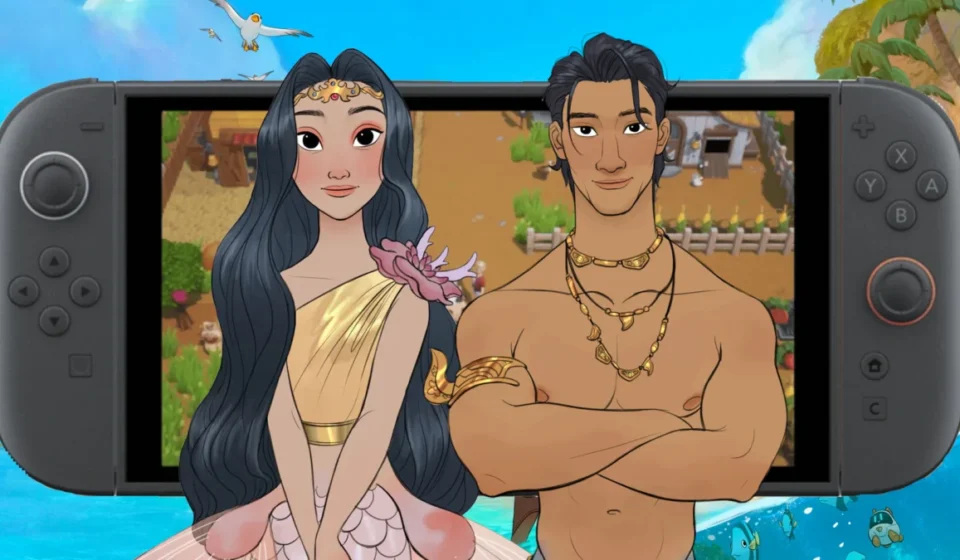
Coral Island Announces Nintendo Switch 2 Launch Date, Ending Years of Anticipation and Platform Uncertainty

After a protracted development cycle spanning nearly six years from its initial Kickstarter campaign, the highly anticipated farming simulation game, Coral Island, has finally received a definitive launch date for the upcoming Nintendo Switch 2 console. Set to release globally on December 7, 2026, this announcement marks a significant milestone for both the developers at Stairway Games and the dedicated player base that has followed the game’s journey from its crowdfunding origins. The prolonged anticipation, coupled with earlier platform release uncertainties, has fueled considerable discussion within the gaming community, with this latest revelation offering a concrete endpoint for a chapter of development that has tested the patience of many.
A Crowdfunded Dream Blossoms: The Genesis of Coral Island
The genesis of Coral Island can be traced back to a remarkably successful Kickstarter campaign launched in 2019. Ambitiously aiming to "reimagine the farm sim game," the project garnered significant attention and financial backing, ultimately raising over $1.6 million. This substantial funding allowed Stairway Games to expand its vision beyond a typical farming simulator, incorporating a rich narrative focused on environmental restoration, a diverse cast of characters, and intricate gameplay mechanics.
Initially, the game’s roadmap outlined a console release approximately six months after its debut on PC platforms. However, the path to console availability proved more complex than anticipated. This extended timeline, coupled with specific platform policies, led to a degree of community frustration, particularly among those who had pre-ordered for the original Nintendo Switch. A key point of contention was Stairway Games’ policy at the time, which stipulated that pre-orders were platform-specific and non-transferable. This meant that players who had opted for a Switch pre-order, anticipating an earlier release, found themselves in a position where their chosen platform would not receive the game as originally envisioned, especially as the Switch 2 was eventually confirmed as the target hardware.
The Switch 2 Revelation: A Bittersweet Conclusion
The announcement that Coral Island will exclusively launch on the Nintendo Switch 2, bypassing the original Switch, presents a nuanced situation for the game’s dedicated followers. While the confirmation of a Nintendo console release is a positive development for fans of the genre who prefer gaming on the go, the exclusion of the original Switch represents a significant disappointment for a segment of the player base. Stairway Games has reportedly offered Switch users the option to transfer their pre-order codes to alternative platforms, a move intended to mitigate the inconvenience. Nevertheless, for individuals who may not have the financial capacity to upgrade to the Switch 2, this outcome signifies a delayed or potentially unattainable console gaming experience for Coral Island. The prospect of enjoying the game’s cozy, Merfolk-infused adventures during the holiday season, a popular time for such experiences, is now contingent on acquiring the newer hardware.
Core Gameplay and Ambitions: Reimagining the Farm Sim Genre
Coral Island’s design philosophy centers on offering a fresh perspective on the beloved farming simulation genre. At its core, the game tasks players with restoring a neglected island, a mission that extends beyond mere agricultural pursuits. A significant emphasis is placed on environmental rehabilitation, with players actively participating in cleaning up polluted areas, revitalizing coral reefs, and fostering a sustainable ecosystem. This ecological focus is interwoven with the traditional elements of farming, such as cultivating crops, raising livestock, and engaging with a vibrant community.
The game’s narrative unfolds through interactions with a diverse cast of characters. Originally planned with 16 romanceable individuals, this roster has since expanded to 30, offering players a wide array of potential relationships and storylines. This commitment to character depth and relationship building is a hallmark of the genre, and Coral Island aims to elevate it with unique personalities and evolving interactions.
Beyond the core farming and social simulation aspects, Coral Island introduces several ambitious features that distinguish it from its predecessors. The inclusion of four-person multiplayer allows friends to collaborate on island restoration and farm management, fostering a sense of shared accomplishment. In-game festivals and events punctuate the gameplay, providing opportunities for community engagement and unique challenges. Perhaps most distinctive is the presence of an underwater Merfolk kingdom, a fantastical element that adds a layer of myth and wonder to the game’s world, further cementing its commitment to "reimagining" the genre.
A Rich Tapestry of Features: Beyond the Pixelated Past
For enthusiasts of titles like Stardew Valley and Fields of Mistria, Coral Island offers a visually distinct alternative. While these beloved games often embrace a pixel art aesthetic, Coral Island presents a more contemporary, visually rich environment. This departure from traditional pixel graphics allows for a more immersive and detailed portrayal of the island’s natural beauty and the underwater realm of the Merfolk.
The game’s commitment to environmental themes is not merely narrative; it is integrated into the gameplay through engaging mechanics. A unique trash-removing minigame, for instance, directly contributes to the island’s restoration, providing players with a tangible sense of progress and accomplishment. This mechanic, alongside others that promote sustainable practices, aims to imbue the player’s actions with a sense of purpose beyond individual gain.

The vastness of the game world and the depth of its mechanics have contributed to its significant player engagement. Many players, including the author of the original report, have invested a considerable number of hours into Coral Island, even prior to its full 1.0 release. This dedication is a testament to the game’s underlying quality, its engaging gameplay loop, and the potential for continuous enjoyment as developers continue to refine and expand upon its features.
Supporting Data and Development Milestones: A Timeline of Progress
- 2019: Coral Island’s Kickstarter campaign launches, exceeding its funding goals and raising over $1.6 million. The game is initially pitched as a radical reimagining of the farm sim genre, with early promises of console releases.
- Post-Kickstarter: Development progresses, with Stairway Games actively engaging with the crowdfunding community through updates and feedback sessions. The scope of the game expands, including the increase in romanceable characters and the development of the Merfolk kingdom.
- Early Access Launch (Date not specified in original text, but typically occurs after crowdfunding): Coral Island enters Early Access on PC platforms (Steam), allowing players to experience the game in its developing state and provide further feedback.
- Original Console Release Window: The initial plan for console releases, including the Nintendo Switch, was reportedly set for approximately six months after the PC launch. This timeline begins to shift as development complexities arise.
- Community Frustration Emerges: As the original Switch release date passes without an update, and with the platform-specific pre-order policy in place, discontent grows within the community. Players express their disappointment regarding the lack of clear communication and the inability to transfer pre-orders.
- Nintendo Switch 2 Confirmation: Stairway Games confirms that Coral Island will be released on the next-generation Nintendo console, the Switch 2, rather than the original Switch. This decision is attributed to the evolving hardware landscape and the game’s technical requirements.
- December 7, 2026: The official global launch date for Coral Island on the Nintendo Switch 2 is announced, providing a firm target for eager players.
Developer’s Perspective and Community Engagement (Inferred)
While direct quotes from Stairway Games regarding the Switch 2 exclusivity and the preceding delays were not included in the original text, it can be inferred that the decision to focus on the Switch 2 was likely driven by a combination of factors. These may include the technical capabilities of the new hardware, which could better support Coral Island’s detailed graphics and complex gameplay systems, and a strategic alignment with Nintendo’s future console strategy.
The developers’ commitment to transparency, as evidenced by their engagement with the Kickstarter community and ongoing updates, suggests that the platform shift was a carefully considered decision aimed at delivering the best possible gaming experience. The offering of pre-order transfers also indicates an effort to address player concerns and maintain goodwill.
The extended development period, while frustrating for some, has also allowed Stairway Games to refine the game significantly. The transition from Early Access to a full 1.0 release on PC has seen the game mature, with enhanced features, polished gameplay, and a wealth of content. This iterative development process, informed by community feedback, has likely contributed to Coral Island’s reputation as a deeply engaging and rewarding experience.
Broader Implications for the Gaming Industry
The case of Coral Island and its platform journey highlights several prevailing trends and challenges within the gaming industry. Firstly, it underscores the growing significance of crowdfunding in game development, enabling independent studios to bring ambitious projects to life. However, it also illustrates the inherent risks and uncertainties associated with such ventures, particularly concerning release timelines and platform commitments.
Secondly, the situation brings into focus the evolving hardware landscape and the strategic decisions developers must make to optimize their games for current and future platforms. The transition from the original Nintendo Switch to the Switch 2 exemplifies the need for adaptability in a rapidly advancing technological environment. This also raises questions about backward compatibility and the support for older hardware in an increasingly next-generation focused market.
Furthermore, Coral Island’s narrative of delayed gratification and eventual arrival on a new platform speaks to the heightened expectations and sometimes fervent loyalty of dedicated fan bases. The ability of developers to navigate these expectations with clear communication and genuine efforts to rectify issues, such as offering pre-order transfers, is crucial for maintaining player trust and satisfaction.
The game’s emphasis on environmental themes also aligns with a broader cultural shift towards sustainability and ecological awareness, suggesting a growing market for games that incorporate meaningful social and environmental messages. Coral Island’s success in blending these themes with established genre conventions could pave the way for similar innovative approaches in future game development.
In conclusion, Coral Island’s journey to the Nintendo Switch 2 is a compelling narrative of ambition, perseverance, and community engagement. While the path has been marked by delays and platform reorientations, the upcoming launch on December 7, 2026, promises to deliver a richly realized and deeply engaging farming simulation experience that aims to redefine the genre for a new generation of players. The game’s success will not only be measured by its sales figures but also by its ability to fulfill the expansive vision set forth during its initial crowdfunding campaign and to resonate with a community that has patiently awaited its arrival.