Mercado Livre Solidifies Dominance in Gaming Sector as International Listings Reach Record Highs in 2026

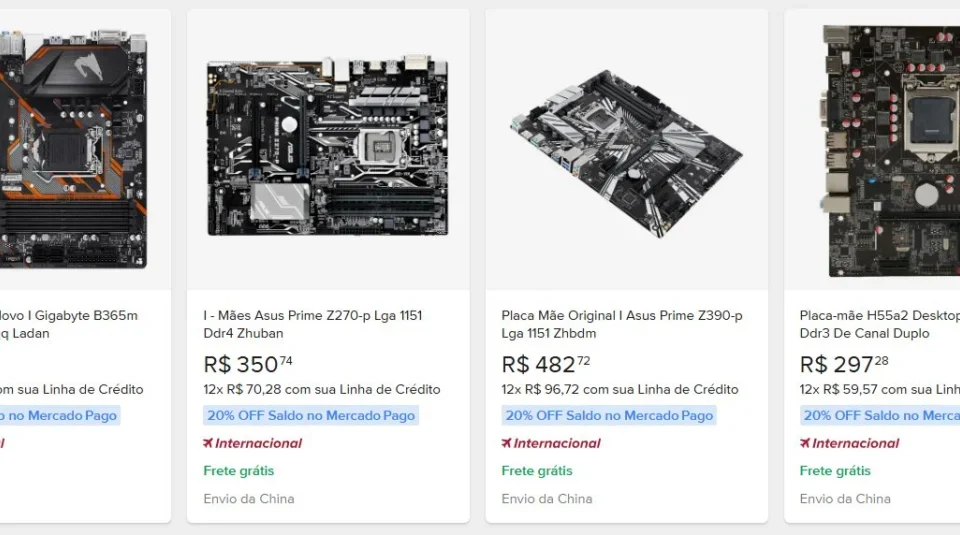
The landscape of Latin American e-commerce is undergoing a seismic shift as Mercado Livre, the region’s largest online marketplace, aggressively expands its international footprint to capture the high-growth gaming demographic. According to the latest data from JoomPulse, a premier analytics and data intelligence platform powered by artificial intelligence, the marketplace has successfully positioned itself as a primary destination for the "gamer" niche. The research highlights a significant concentration of international trade within the platform, particularly in the PC gaming accessories segment, which now accounts for a staggering 82% of all active listings in its respective category. This surge underscores a broader strategic pivot by Mercado Livre to integrate global supply chains directly into its ecosystem, catering to a consumer base that increasingly prioritizes variety and competitive pricing over local availability.
The findings from JoomPulse reveal that the acceleration of international offerings is not a localized phenomenon but a sustained upward trend. In April 2026 alone, Mercado Livre integrated 14.1 million new international listings, a figure that maintains the record-breaking momentum established in March 2026, when the platform saw an unprecedented 14.6 million new foreign advertisements. This volume represents a historic peak for the company, signaling a robust infrastructure capable of handling massive cross-border data and logistics. For industry analysts, these numbers are indicative of a marketplace that has moved beyond its origins as a regional intermediary to become a global contender, challenging the dominance of traditional cross-border giants.
The Strategic Importance of the Gaming Niche
The decision to focus on PC gaming accessories is a calculated move based on consumer behavior patterns. Gamers are traditionally early adopters of technology and are more likely to seek out specific, high-performance hardware that may not be readily manufactured or stocked within domestic borders. By ensuring that 82% of the PC gaming category is composed of international listings, Mercado Livre is effectively bridging the gap between global manufacturers—primarily in Asia and North America—and the Latin American end-user.
This category includes high-margin items such as mechanical keyboards, high-precision optical mice, specialized cooling systems, and internal components like graphic processing units (GPUs) and solid-state drives (SSDs). The JoomPulse report suggests that the "internationalization" of this category has been driven by the need for technical diversity. As gaming titles become more demanding, the hardware required to run them becomes more specialized, leading consumers to look toward international markets where the latest iterations of technology are first released.

Chronology of International Expansion
The path to these record-breaking figures in early 2026 was paved by nearly two years of logistical and regulatory groundwork. To understand the current surge, it is necessary to look at the timeline of Mercado Livre’s cross-border evolution:
- Late 2024 – Infrastructure Investment: Mercado Livre began a massive overhaul of its "Mercado Envios" international division, establishing dedicated sorting centers in key global hubs to streamline the transit of goods from China and the United States.
- Mid-2025 – Regulatory Alignment: The platform took a proactive stance regarding the "Remessa Conforme" program and other regional tax frameworks. By automating the payment of import duties at the point of sale, the company reduced the friction and unpredictability typically associated with international shipping.
- Late 2025 – The Pre-Tax Reduction Surge: As noted by JoomPulse, the volume of new international ads began to accelerate even before official tax reductions for small-value international purchases were fully implemented. In March 2026, the volume of new foreign listings added to the platform surpassed the cumulative growth of the previous 14 months combined.
- April 2026 – Sustained Peak: Following the record set in March, the April figures confirmed that the growth was not a seasonal anomaly but a new baseline for the company’s operations.
Regulatory Impacts and Market Dynamics
A critical driver of this growth has been the evolving tax landscape in Brazil and neighboring countries. The "taxa das blusinhas"—a colloquial term for the taxation of low-value international apparel and consumer goods—has been a point of intense legislative debate. However, Mercado Livre’s strategy appears to have anticipated these shifts.
João Sartini, Head of Sales at JoomPulse, observes that the change in tax policy is acting as a catalyst for a movement that was already well underway. "The reduction in federal rates for international purchases tends to further accelerate this movement," Sartini explained. "It increases the presence of international advertisements in categories where the consumer is most sensitive to price and variety. Marketplaces have spent the last several months structuring their operations to ensure that when these tax barriers lowered, the supply was already there to meet the demand."
This proactive structuring allowed Mercado Livre to capture market share from competitors who were slower to adapt to the new regulatory environment. By integrating the tax calculations directly into the user interface, Mercado Livre provided a level of transparency that boosted consumer confidence in international "Buy Now" buttons, which were previously viewed with skepticism due to the potential for hidden customs fees.
Diversification Beyond Gaming
While the gaming sector is the flagship of this international expansion, the JoomPulse data indicates that several other categories are following a similar trajectory. The reliance on international listings is becoming a hallmark of the platform’s inventory strategy across various specialized niches:

- Jewelry: 77% of listings are international, driven by the demand for specific designs and materials that benefit from global manufacturing scales.
- Plush Toys and Collectibles: 75% international participation, fueled by the global "kidult" trend and the popularity of licensed characters from international media franchises.
- Medical Equipment: 71% international participation, reflecting the need for specialized home-care devices and diagnostic tools that are often produced by global health-tech firms.
- Automotive GPS Navigators: 70% international participation, a niche where global hardware standards dominate the market.
These figures suggest that Mercado Livre is successfully applying its gaming "playbook" to other sectors. The common thread among these categories is a consumer who values a specific technical specification or aesthetic that local production cannot always provide at a competitive price point.
Analytical Implications for the Retail Ecosystem
The rise of international listings on Mercado Livre has profound implications for the domestic retail ecosystem. For local sellers, the increased competition from international vendors poses a significant challenge. However, it also presents an opportunity for local businesses to pivot toward value-added services, such as local warranty support, faster delivery for "last-mile" needs, and personalized customer service that international sellers cannot easily replicate.
Furthermore, the data suggests a permanent shift in consumer expectations. The Latin American shopper is no longer confined to the inventory available within their own borders. The "globalization of the shopping cart" means that marketplaces must now function as sophisticated logistics hubs that manage not just domestic warehouses, but complex international freight corridors.
The role of AI and data analytics, as demonstrated by JoomPulse, is also becoming central to this evolution. By using AI to identify which international products are trending, Mercado Livre can optimize its advertising algorithms to show the right product to the right user at the right time, further driving the conversion rates of these 14 million+ new listings.
Future Outlook and Conclusion
As Mercado Livre continues its trajectory through mid-2026, the industry expects the company to further refine its international logistics. Rumors within the tech sector suggest that the company may soon announce new partnerships with international air carriers to further reduce delivery times for "Global Selling" items, potentially bringing international shipping times down to under seven days for major metropolitan areas.
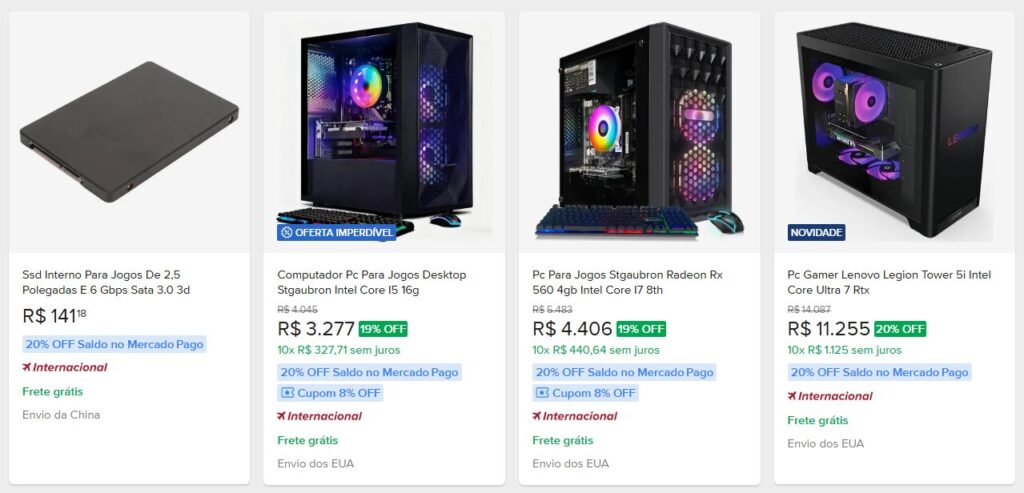
The 82% dominance in the PC gaming accessories category is likely just the beginning. As the digital economy matures, the distinction between "local" and "international" shopping is blurring. For the consumer, the priority remains a combination of price, variety, and reliability. Mercado Livre’s ability to hit record listing numbers while maintaining a focus on high-demand niches like gaming suggests that it has found the formula for long-term growth in an increasingly borderless retail world.
In conclusion, the surge in international listings on Mercado Livre is a testament to the platform’s agility and its deep understanding of the modern consumer. By leveraging data intelligence and anticipating regulatory changes, the company has not only secured its position in the gaming market but has also set a new standard for how marketplaces in emerging economies can integrate with the global supply chain. The record-breaking months of March and April 2026 will likely be remembered as the period when the "international store" became the default experience for millions of online shoppers.