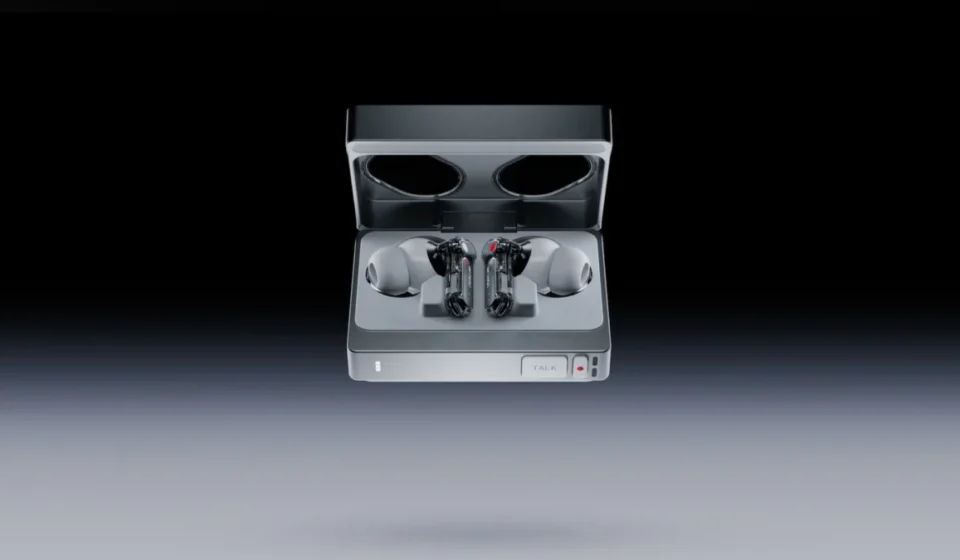
Nothing Reveals Ear (note) AI Earbuds, Pioneering a New Era of Integrated Artificial Intelligence in Wearables.

Nothing, the London-based consumer technology company renowned for its distinctive design philosophy, has officially unveiled further details regarding its forthcoming product, the Ear (note). Scheduled for a global launch on December 8, these new earbuds are poised to redefine the personal audio experience by integrating advanced artificial intelligence capabilities directly into their charging case, transforming it into a sophisticated AI audio recorder. This strategic move signals Nothing’s ambitious step towards creating a "hardware context layer for AI," a vision articulated by CEO Carl Pei.
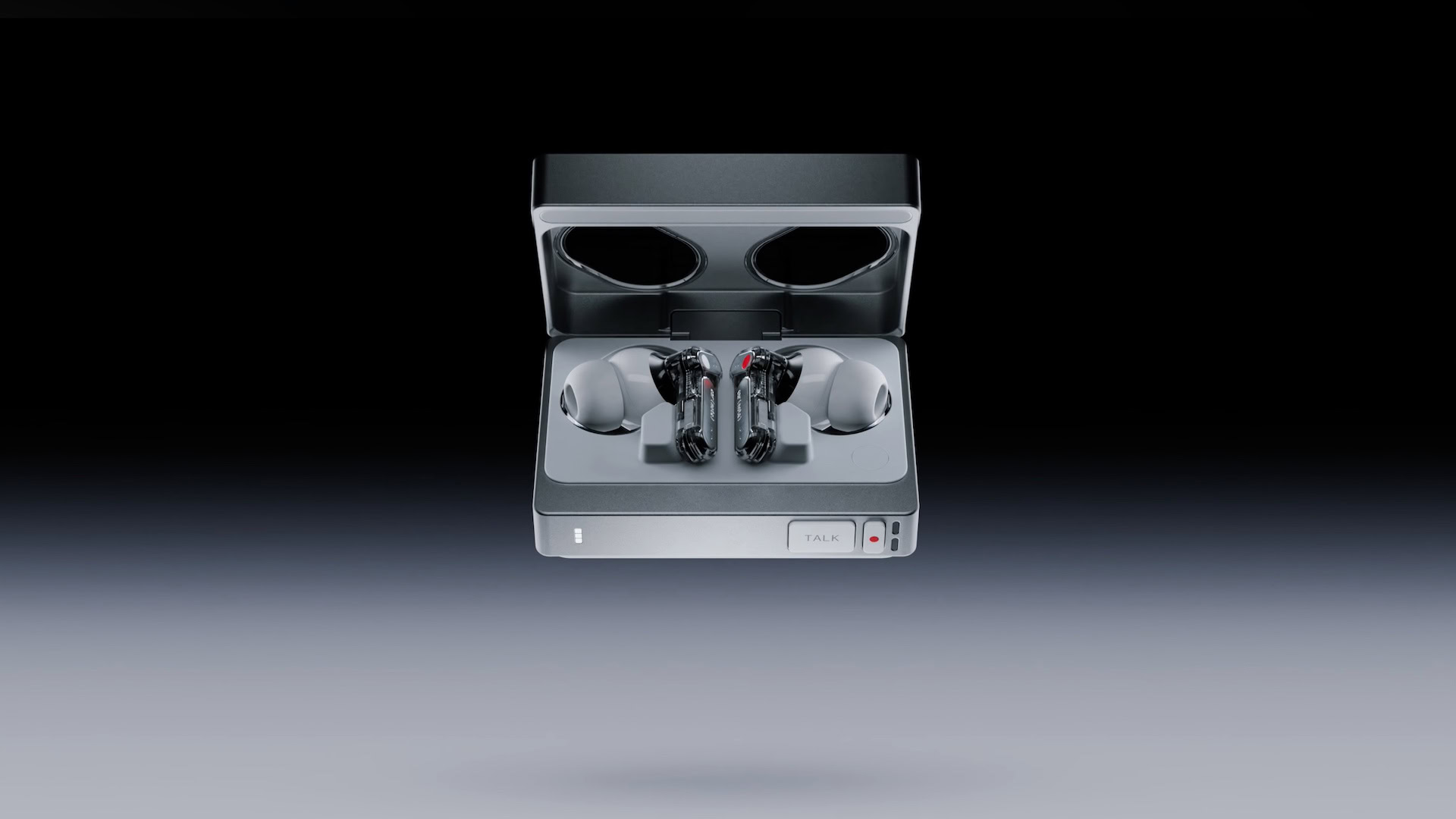
The company recently provided a comprehensive visual preview of the Ear (note) through a video disseminated across its official YouTube channel and various social media platforms. The footage offered enthusiasts and industry observers an unobstructed view of the device’s design, emphasizing the charging case’s tactile hardware buttons, its universal USB-C charging port, and the overall aesthetic coherence with Nothing’s established brand identity. While the video primarily showcased the device’s physical attributes, accompanying descriptions highlighted its advanced audio capabilities, proclaiming it as Nothing’s "best in-ear audio ever." This assertion sets a high expectation for sound quality, a critical factor in the fiercely competitive true wireless stereo (TWS) earbud market.
Unveiling the Ear (note): A Fusion of Audio and AI
At the core of the Ear (note)’s innovation is its dual functionality: premium audio playback coupled with an integrated AI audio recording system. Unlike conventional earbuds that primarily focus on audio consumption, the Ear (note) elevates utility by embedding a standalone recording mechanism within its charging case. This design choice differentiates it significantly from competitors and even from Nothing’s own previous offerings, such as the Ear (3a), which introduced audio and call recording but lacked the independent recording capability of the case.
The charging case is equipped with dedicated hardware buttons, enabling users to initiate audio recordings instantly, a feature designed for spontaneity and convenience. This means users can capture conversations, lectures, meetings, or personal memos without needing to access their smartphone. The recording functionality extends beyond the case itself; the earbuds are also capable of capturing audio, including calls, ensuring comprehensive coverage.
The true intelligence of the Ear (note) manifests in its accompanying application. This software suite is engineered to process raw audio recordings, transcribing them into text and generating concise summaries. This capability is expected to be a boon for productivity, offering users quick digests of lengthy discussions or important information. Furthermore, Nothing has confirmed support for its proprietary AI voice assistant, alongside compatibility with "other AI agents," suggesting an open ecosystem that could integrate with various third-party AI services. This multi-agent support could significantly broaden the utility and appeal of the Ear (note), catering to diverse user preferences and existing AI ecosystems.
Nothing’s Strategic Pivot Towards AI
The introduction of the Ear (note) is not merely a product launch but a strategic declaration from Nothing regarding its future trajectory. Carl Pei, the company’s charismatic CEO, has been vocal about this shift, stating that the Ear (note) represents the "first step toward building a hardware context layer for AI." This vision suggests an ambition to create a seamless interface between users and artificial intelligence, where hardware acts as an intelligent conduit for digital interaction, rather than just a passive accessory. Akis Evangelidis, Nothing’s co-founder, echoed this sentiment shortly after the video teaser, reinforcing the company’s commitment to this AI-centric direction.
This philosophy positions Nothing to capitalize on the growing trend of ambient computing and personalized AI. By embedding AI capabilities directly into a ubiquitous personal device like earbuds, Nothing aims to make AI interaction more intuitive, less intrusive, and always accessible. The "hardware context layer" implies that the device understands the user’s environment and needs, providing relevant AI assistance without explicit prompting, thereby enhancing user experience through proactive intelligence.
The Evolving Landscape of Personal Audio and AI
The true wireless stereo (TWS) earbud market has experienced exponential growth over the past decade, driven by advancements in Bluetooth technology, battery life, and noise cancellation. Valued at over $20 billion in 2022, the market is projected to continue its upward trajectory, with forecasts estimating it to reach nearly $60 billion by 2030. This rapid expansion has also led to intense competition, with numerous manufacturers vying for market share through innovations in sound quality, comfort, and smart features.
Historically, the primary differentiators in TWS earbuds have been audio fidelity, active noise cancellation (ANC), and battery longevity. However, as these features become increasingly standardized, manufacturers are seeking new avenues for innovation. Artificial intelligence is emerging as the next frontier. Companies like Google, Apple, and Samsung have already integrated AI assistants into their earbud offerings, but these typically rely on the connected smartphone for processing power and contextual awareness. Nothing’s approach with the Ear (note) — housing standalone AI recording and processing capabilities within the charging case — represents a more decentralized and potentially more powerful model for on-device AI.
This shift aligns with broader industry trends towards edge computing, where data processing occurs closer to the source rather than relying solely on cloud servers. This can lead to lower latency, enhanced privacy, and improved performance, especially in scenarios where internet connectivity is limited. The Ear (note)’s ability to transcribe and summarize recordings locally (or with minimal cloud interaction) could offer significant advantages in terms of data security and user control.
Design Philosophy Meets Advanced Functionality
Nothing’s product design philosophy has always emphasized transparency, minimalism, and user-centricity. From the transparent casing of their Phone (1) and Phone (2) to the distinct aesthetic of their Ear series, the company has cultivated a recognizable brand identity. The Ear (note) appears to continue this tradition, albeit with an added layer of functional complexity. While the video provided a clear visual, the specifics of the design — such as whether the charging case will also feature transparent elements — remain to be fully detailed. However, the emphasis on hardware buttons for instant recording suggests a commitment to tangible user interaction, contrasting with the touch-based controls prevalent in many modern earbuds.
The inclusion of a USB-C port for charging is standard for contemporary electronics, ensuring broad compatibility with existing charging infrastructure. The physical form factor of the earbuds themselves will be crucial for comfort and secure fit, especially given their intended use for potentially extended recording sessions. Nothing’s claim of "best in-ear audio ever" implies significant investment in acoustic engineering, including driver technology, audio processing algorithms, and possibly advanced codec support to deliver high-fidelity sound.
Broader Implications and Market Outlook
The launch of the Nothing Ear (note) carries several implications for the consumer technology market:
- Pioneering On-Device AI: Should the Ear (note) succeed, it could inspire other manufacturers to explore more sophisticated on-device AI solutions in wearables, moving beyond simple voice assistant integration. This could accelerate the development of truly smart personal devices.
- Productivity Tool Evolution: The integrated recording, transcription, and summarization features position the Ear (note) as a powerful productivity tool. It could find a strong audience among students, professionals, journalists, and anyone requiring efficient note-taking and information processing.
- Privacy and Data Security Concerns: Any device capable of continuous audio recording raises legitimate privacy concerns. Nothing will need to clearly communicate its data handling policies, encryption standards, and user controls to build trust. Transparent indications of when the device is recording, and robust security measures for stored audio, will be paramount.
- Competitive Differentiator: In a saturated TWS market, the Ear (note)’s unique AI recording capabilities could serve as a significant differentiator, allowing Nothing to carve out a niche for itself beyond aesthetic appeal.
- Future of Personal Assistants: The compatibility with "other AI agents" could herald a more open and interoperable future for personal AI assistants, moving away from closed ecosystems tied to specific brands.
The pricing of the Ear (note) remains undisclosed, a critical factor that will influence its market accessibility and perceived value. Nothing typically positions its products in the mid-to-premium segment, offering a balance of innovative features and competitive pricing. The success of the Ear (note) will depend not only on its technological prowess but also on its pricing strategy and how effectively Nothing communicates its unique value proposition to consumers.
A Chronology of Anticipation
The journey towards the Ear (note)’s official unveiling has been marked by a series of strategic disclosures:
- Earlier this year: Nothing launched the Ear (3a), featuring basic audio and call recording, setting a precedent for incorporating such functionalities into their audio products.
- Recent Weeks: Nothing began to share tantalizing details about a new, more advanced audio product.
- Bloomberg Report: A significant report from Bloomberg earlier this week offered a detailed preview of the Ear (note)’s features, including the AI audio recorder, confirming the company’s direction. Carl Pei’s quote about "building a hardware context layer for AI" emerged from this report, solidifying the strategic intent.
- Official Video Teaser: Nothing released a promotional video across its digital channels, offering a visual tour of the Ear (note)’s design and hardware elements, generating significant buzz.
- December 8: The official launch date, when full specifications, pricing, and availability details are expected to be revealed.
As the December 8 launch date approaches, industry analysts and consumers alike are keenly awaiting further details, particularly regarding the full extent of its AI capabilities, battery life implications of constant recording, and, crucially, its price point. Nothing’s bold step into AI-integrated hardware with the Ear (note) represents a significant moment for the company and potentially for the broader consumer electronics landscape, promising a future where personal audio devices are not just for listening, but for actively enhancing and interacting with our digital lives. The company’s confident assertion of delivering its "best in-ear audio ever" further fuels anticipation, suggesting that the Ear (note) aims to excel in both its innovative AI features and its foundational audio performance.