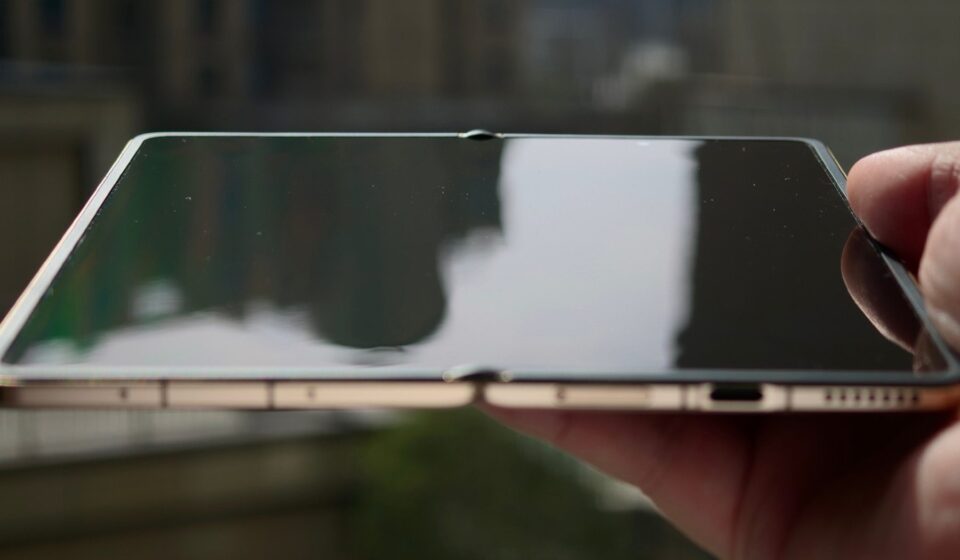
The Crease is Dead: Honor and OPPO Lead the Charge Towards Seamless Foldable Displays

Foldable smartphones, a category once hailed as the future of mobile technology, have steadily evolved since their inception. Yet, one persistent design flaw has remained a visual and tactile reminder of their dual nature: the visible crease across the internal display. This line, a compromise born from the necessity of bending flexible screens, has been a consistent point of contention for users and a significant hurdle for manufacturers. However, recent developments suggest this era of the creased foldable may be drawing to a close, with Chinese tech giants Honor and OPPO poised to introduce devices that promise a truly seamless folding experience. Their proactive approach to eliminating the crease appears to be outpacing even the most anticipated offerings from industry titans like Apple and Samsung, potentially redefining user expectations for foldable technology.
The persistent crease has been a defining characteristic of foldable phones since their early iterations. While companies like Samsung, with its long-standing Galaxy Z Fold series, have made significant strides in minimizing its prominence, a discernible line often remains. This subtle ridge can disrupt the visual continuity of the screen, catch ambient light in distracting ways, and create a palpable texture under the fingertip, continuously reminding users of the device’s foldable nature. For many, this compromise has detracted from the premium feel and immersive experience that a large, flexible display should offer. The quest for a crease-free foldable has thus become a holy grail for smartphone engineers and designers.

Honor and OPPO’s Ambitious Crease-Free Push
The vanguard of this new wave of crease-free foldables is being led by Honor with its upcoming Magic V6, slated for a grand unveiling at MWC 2026 on March 1st. Official imagery released on Weibo has already showcased the device’s internal display, which, at first glance, appears remarkably flat, devoid of any noticeable crease even when viewed from various angles. This achievement, according to Honor executives, represents a significant technological leap forward, accomplished without compromising the device’s slim profile, battery longevity, or overall user experience. The company has positioned this innovation not as a minor tweak, but as a fundamental enhancement to the foldable form factor, aiming to deliver a user experience that rivals that of traditional, non-folding smartphones in terms of visual integrity.
The technological underpinnings of Honor’s success in achieving a crease-free display are still emerging, but industry analysts suggest a combination of advanced display materials, innovative hinge mechanisms, and refined screen protection layers are likely at play. The ability to achieve this without adding bulk or sacrificing battery life is a testament to the rapid advancements in flexible display technology. The presentation of the Magic V6 at MWC 2026 is highly anticipated, as it will offer the first public, hands-on opportunity to assess the real-world impact of this crease-free design.

Simultaneously, OPPO is also making a strong statement with its forthcoming Find N6, which is teasing a similar breakthrough in display technology. Early promotional materials and behind-the-scenes glimpses suggest an internal screen that exhibits no visible crease. More impressively, footage purportedly demonstrating the durability of the Find N6’s display indicates it can withstand hundreds of thousands of folding cycles without the formation of a crease. This is particularly noteworthy, as the crease typically tends to worsen over time with repeated use, a common concern for foldable phone owners. OPPO’s emphasis on durability alongside the absence of a crease suggests a holistic approach to overcoming the inherent challenges of foldable screens.
The implications of OPPO’s engineering prowess are substantial. By focusing on a display that not only looks seamless but also maintains its integrity over extended use, OPPO is directly addressing long-term user concerns. The company’s history with innovative foldable designs, such as the Find N series’ distinctive waterdrop hinge that minimizes creasing, suggests a deep understanding of the technology and a commitment to pushing its boundaries. The Find N6, therefore, is expected to be a formidable contender in the premium foldable market, potentially setting a new benchmark for screen quality.
The Competitive Landscape: Apple and Samsung’s Trajectory

This aggressive push by Honor and OPPO arrives at a pivotal moment in the foldable market. The timeline for Apple’s much-speculated entry into the foldable arena remains somewhat fluid, with the first foldable iPhone reportedly expected later in 2026 or even beyond. While Apple is known for its meticulous approach to product development, aiming for polished and refined experiences, it is plausible that their initial foldable device might still feature a subtle crease, prioritizing other aspects of the design or waiting for the technology to mature further. The Cupertino giant’s reluctance to rush products often means they debut when they believe they can offer a superior experience, but this also risks them playing catch-up in certain technological advancements.
Samsung, the undisputed leader in the foldable smartphone market for several years, is also reportedly working on eliminating the crease. Rumors surrounding the upcoming Galaxy Z Fold 8 suggest the company is exploring unique display technologies aimed at achieving a wrinkle-free OLED panel. However, the extent to which they can truly deliver on a completely crease-free experience, comparable to what Honor and OPPO are now showcasing, remains to be seen. Samsung has a significant advantage in terms of market share and established manufacturing processes, but the recent advancements from its competitors indicate that the innovation landscape is becoming increasingly dynamic. The success of Samsung’s efforts will likely depend on their ability to integrate these new display solutions without compromising the durability and cost-effectiveness of their devices.
The Road Ahead: Implications for the Foldable Market

The emergence of genuinely crease-free foldable displays from Honor and OPPO has profound implications for the future of the foldable smartphone market. Firstly, it elevates user expectations. Consumers who have been hesitant to adopt foldable phones due to the visible crease may now find these devices far more appealing. The seamless display promises a more immersive and aesthetically pleasing experience, blurring the lines between foldable and traditional smartphones.
Secondly, this innovation is likely to intensify competition among manufacturers. Companies that have been slower to address the crease issue may find themselves at a disadvantage. The race to deliver the most refined foldable experience will undoubtedly accelerate, leading to further investment in research and development of flexible display technologies. This could result in a more rapid pace of innovation across the entire foldable segment.
Thirdly, the technical challenges overcome by Honor and OPPO could pave the way for even more ambitious foldable form factors in the future. A truly seamless display opens up possibilities for more sophisticated hinge designs, thinner profiles, and perhaps even entirely new types of flexible devices. The ability to bend and fold screens without leaving a permanent mark is a critical step towards making flexible displays a mainstream technology, not just a niche feature.

The year 2026 is shaping up to be a watershed moment for foldable phones. With Honor and OPPO leading the charge towards a crease-free future, the dream of a perfectly smooth, large, and flexible smartphone display is finally within reach. As these devices approach their official releases, the industry will be watching closely to see how effectively they deliver on their promises and how quickly their innovations become the new standard for foldable technology. The long-standing compromise of the crease may soon be relegated to the annals of technological history, making way for a new era of unblemished foldable experiences.