The Legend of Zelda: Ocarina of Time Remake for Nintendo Switch 2 Receives Brief, Intriguing Glimpse in New Japanese Trailer

The anticipation for the highly anticipated remake of The Legend of Zelda: Ocarina of Time on the forthcoming Nintendo Switch 2 platform continues to be a focal point for gaming enthusiasts worldwide. While official release dates and extensive gameplay demonstrations remain scarce, a recent, albeit fleeting, trailer released on Nintendo’s Japanese YouTube channel has provided a tantalizing new peek into the reimagined classic. This brief visual offering, spanning a mere 30 seconds, has ignited further discussion and analysis within the gaming community, offering subtle yet significant insights into the remake’s presentation and potential enhancements.
A Glimpse into Hyrule’s Reimagined Realm
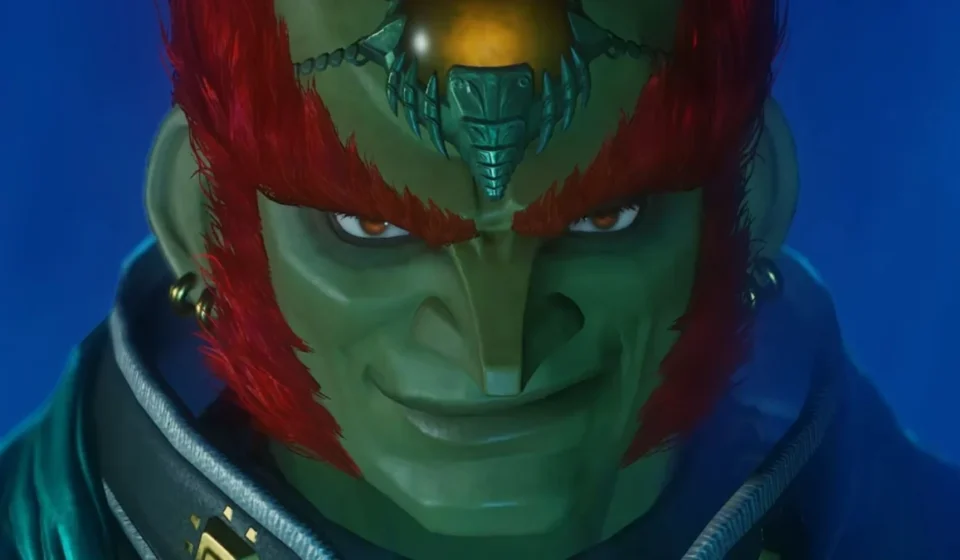
The trailer commences with a striking image: the imposing silhouette of Ganondorf, the iconic antagonist, seated before a colossal organ. This opening shot immediately establishes a dramatic and foreboding atmosphere, hinting at the narrative’s gravity and the antagonist’s presence. The visual immediately evokes the memorable musical themes that are intrinsically linked to Ocarina of Time, suggesting that the remake will likely leverage its rich auditory legacy. The organ itself, depicted with an imposing scale, could signify an updated visual representation of its in-game role or a symbolic introduction to Ganondorf’s power and influence. Following this dramatic opening, the trailer transitions to showcase several combat sequences. These segments feature Link, the heroic protagonist, engaging in battles against formidable bosses within diverse and recognizable environments from the original game. The visual fidelity and updated graphical presentation in these combat scenarios offer a clear indication of the technological advancements applied to this beloved title.
Unveiling Familiar Faces and Iconic Locations
Within the compressed timeframe of the trailer, keen-eyed viewers have identified several significant character and environmental reveals. Most notably, a fleeting, almost blink-and-you’ll-miss-it appearance of Dark Link has been confirmed. This recurring antagonist, a shadowy doppelganger of Link, is a memorable foe often encountered in challenging dungeons. In the original Ocarina of Time, Dark Link famously resides within the Water Temple, a notoriously difficult dungeon, and mirrors Link’s own movements and attacks, presenting a unique and demanding combat challenge. The inclusion of Dark Link in the trailer suggests that this iconic boss encounter will be faithfully recreated, potentially with updated visual flair and combat mechanics.
Furthermore, the trailer offers definitive looks at the full character designs of Saria and Sheik. Saria, the Kokiri fairy and Link’s childhood friend, is presented with her characteristic adventurous spirit. Sheik, the enigmatic Sheikah persona adopted by Princess Zelda, is also prominently featured, with particular attention drawn to her "lusciously long ponytail," a detail that has been a defining characteristic of the character. The trailer also provides a glimpse of the Great Deku Tree, a foundational element of the game’s narrative, as a young, child Link gazes up at its immense stature. This scene likely serves to reintroduce players to the game’s opening areas and its early narrative progression, emphasizing the scale and wonder of the world.
Innovations in Gameplay: Horseback Combat and Beyond
A particularly noteworthy segment of the trailer depicts Link skillfully riding Epona, his trusty steed, while engaging an enemy with arrows. This brief but dynamic scene strongly suggests that horseback combat has undergone a significant overhaul in the remake. In the original Ocarina of Time, horseback archery was primarily relegated to a specific mini-game, the Gerudo’s horseback archery course, where the perspective shifted to a first-person view of Link’s bow. The trailer’s depiction of third-person horseback combat indicates a potential expansion of this gameplay mechanic, allowing for more fluid and integrated action sequences while mounted. The implications of this potential enhancement are considerable, as it could introduce new strategic layers to exploration and combat encounters throughout the game. Whether this refined third-person perspective will also be applied to the dedicated archery trial remains an open question, but the visual evidence points towards a more dynamic and action-oriented approach to mounted gameplay.
Regional Discrepancies and Community Reactions
An interesting observation regarding the trailer’s release is its current exclusivity to Nintendo’s Japanese YouTube channel. As of the time of this report, the same trailer has not yet been officially published on the American or United Kingdom Nintendo channels. This regional disparity has led to speculation within the fan base, with some theorizing it may be an initial staggered release or a test run for the Japanese market. Regardless of the reasons, the trailer remains a valuable source of new information for all prospective players, offering a renewed look at the game’s updated aesthetics and gameplay elements, including the anticipated return of Dark Link.
The release of this trailer, however brief, has been met with widespread excitement and a renewed surge of discussion online. Gaming forums, social media platforms, and dedicated fan sites are abuzz with analyses of every frame, with players dissecting character models, environmental details, and potential gameplay shifts. The trailer serves as a potent reminder of the enduring legacy of Ocarina of Time, a title consistently ranked among the greatest video games of all time, and fuels the collective desire for its modernized rendition.
Historical Context and the Legacy of Ocarina of Time
The Legend of Zelda: Ocarina of Time originally launched on November 21, 1998, for the Nintendo 64. It was a revolutionary title that redefined the action-adventure genre with its innovative 3D world, Z-targeting combat system, and epic narrative. The game is widely credited with popularizing many conventions that have become standard in 3D adventure games. Its impact on subsequent game design is undeniable, and its critical acclaim has cemented its status as a masterpiece. The game’s narrative follows Link’s journey through Hyrule as he attempts to stop Ganondorf, the King of the Gerudo, from obtaining the Triforce, a sacred artifact of immense power. The story spans seven years, with Link transitioning from a child to an adult, a narrative device that significantly impacted gameplay and world progression.

The subsequent port to the GameCube in 2002, as part of The Legend of Zelda: Collector’s Edition, and the Nintendo 3DS remake in 2011, titled The Legend of Zelda: Ocarina of Time 3D, demonstrated the enduring appeal and technical feasibility of updating the game. Each iteration has been met with critical acclaim, highlighting the timeless quality of its design. The upcoming remake for the Nintendo Switch 2 represents the latest chapter in this ongoing legacy, aiming to bring this seminal experience to a new generation of players and hardware.
Supporting Data and Market Trends
The demand for remakes and remasters of classic video games has been a significant trend in the gaming industry over the past decade. Titles like Final Fantasy VII Remake, Resident Evil 2 Remake, and The Last of Us Part I have demonstrated strong commercial success, indicating a robust market for updated versions of beloved games. This trend is driven by several factors, including nostalgia among older gamers, the desire of newer players to experience acclaimed titles with modern graphics and gameplay, and the inherent quality of the original source material.
The Legend of Zelda franchise itself remains one of Nintendo’s most valuable intellectual properties. The Legend of Zelda: Tears of the Kingdom, the latest mainline entry, released in May 2023 for the Nintendo Switch, achieved remarkable commercial success, selling over 10 million units within its first three days and surpassing 20.28 million units sold as of December 2023. This demonstrates the continued widespread appeal and commercial viability of the Zelda IP, further underscoring the potential success of an Ocarina of Time remake. While specific sales projections for the Ocarina of Time remake are not yet available, the historical performance of the franchise and the broader market trends for remakes suggest a highly anticipated and potentially lucrative release.
Official Statements and Development Insights
Nintendo has maintained a characteristically measured approach regarding the Ocarina of Time remake. While official announcements have been sparse, the release of trailers and brief gameplay snippets, such as the one under discussion, indicate active development. Companies like Nintendo often employ a strategy of building anticipation gradually, revealing information strategically to maintain player interest without overwhelming them with details too early in the development cycle.
It is common practice for game developers to engage in iterative testing and refinement throughout the development process. The focus on specific elements like horseback combat and character designs in the trailer suggests that these areas have been a particular point of emphasis for the development team. While no direct quotes from Nintendo developers regarding this specific trailer have been released, the visual cues provide insight into their priorities: enhancing visual fidelity, refining core gameplay mechanics, and ensuring faithful representation of beloved characters and environments. The inclusion of a preview on the official Pocket Tactics website, as referenced in the original article, also suggests collaboration with gaming media outlets to disseminate information and gauge public reaction.
Broader Impact and Implications
The potential release of a Legend of Zelda: Ocarina of Time remake on the Nintendo Switch 2 carries significant implications for several facets of the gaming landscape. Firstly, it represents a crucial title in bolstering the launch library of Nintendo’s next-generation console. A well-executed remake of such a universally acclaimed game could serve as a powerful system-seller, attracting both long-time fans and newcomers to the platform.
Secondly, the remake offers an opportunity to introduce the foundational elements of the 3D Zelda experience to a new demographic of gamers who may not have had the chance to play the original or its previous iterations. By leveraging modern hardware and design philosophies, the remake can make the game’s iconic narrative, innovative gameplay, and timeless charm accessible and engaging for contemporary audiences.
Furthermore, the success of this remake could influence future development decisions within Nintendo and the broader industry. A strong performance would reinforce the value of investing in high-quality remakes of critically acclaimed titles, potentially paving the way for further re-imaginings of other beloved classics within the Zelda franchise and beyond. The careful attention to detail evident in the trailer, from the dramatic opening to the subtle inclusion of Dark Link and the apparent overhaul of horseback combat, suggests a commitment to honoring the original’s legacy while simultaneously pushing the boundaries of what a modern remake can achieve. The gaming world watches with bated breath for further announcements, eager to experience this seminal adventure in its most polished and visually stunning form yet.