Konkr Reveals the Pocket Advance, and There’s No Prize for Guessing Its Handheld Inspiration

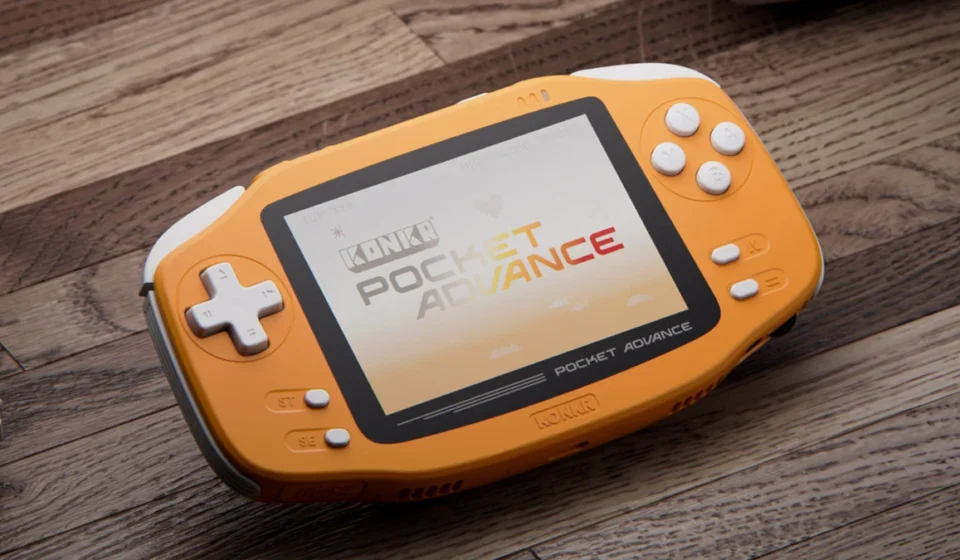
The landscape of portable gaming hardware continues to evolve, with manufacturers frequently drawing inspiration from past successes. The latest entrant to this dynamic market, the Konkr Pocket Advance, has generated significant buzz following its social media unveiling. Developed by Ayaneo, a company known for its high-performance handheld PCs, the Pocket Advance appears to be a deliberate homage to one of the most beloved gaming devices of all time: the Nintendo Game Boy Advance (GBA). The striking visual similarities have immediately sparked widespread comparisons across online forums and social media platforms, with many observers noting the device’s uncanny resemblance to its iconic predecessor.
Genesis of the Pocket Advance: A Nostalgic Vision
The Konkr brand, positioned by Ayaneo as a more budget-conscious offering, has introduced a device that, at first glance, seems to meticulously replicate the GBA’s design language. This includes the overall shell curvature, the precise placement of the display, and the arrangement of its primary controls. This strategic design choice is unlikely to be coincidental. The Game Boy Advance is widely celebrated within the retro gaming community as one of the pinnacle achievements in handheld entertainment. Its enduring legacy is cemented by its extensive library of critically acclaimed titles and its innovative hardware, which brought a console-like experience to portable gaming.
However, the original hardware and software for the Game Boy Advance are becoming increasingly scarce and expensive. As of 2026, acquiring a functional GBA unit in good condition, let alone a curated collection of its best games, presents a considerable financial hurdle for many enthusiasts. This rising cost of entry into the retro gaming market creates a fertile ground for devices like the Konkr Pocket Advance, offering a contemporary solution for experiencing the beloved games of yesteryear without the prohibitive expense or potential wear and tear associated with vintage electronics.
Design Echoes and Subtle Distinctions
The visual parallels between the Konkr Pocket Advance and the original Game Boy Advance are profound. The color palette, in particular, has drawn considerable attention. The revealed model sports a vibrant orange hue, which closely matches one of the Japan-exclusive color variants of the original GBA. This attention to detail underscores the clear intent behind the Pocket Advance’s design.
Despite the overwhelming similarities, there are several key differences that distinguish the Pocket Advance from its muse. Notably, the display on the Pocket Advance appears to be larger than that of the GBA. This enhancement would undoubtedly provide a more immersive visual experience for modern gamers. Furthermore, the control layout has been subtly augmented. The Pocket Advance features additional face buttons and navigational buttons situated on the right-hand side of the screen, offering expanded input options that could cater to a wider range of emulated software and modern gaming applications. These additions suggest that the Pocket Advance is not merely a cosmetic replica but a device designed with contemporary functionality in mind.
Unveiling the Hardware: Awaiting Specifications and Pricing
As of the initial announcement, crucial details regarding the Konkr Pocket Advance’s release date and pricing remain undisclosed. This lack of concrete information leaves potential consumers eager for more specifics. However, given Konkr’s established position as Ayaneo’s sub-brand focused on affordability, it is reasonable to infer that the Pocket Advance will be positioned to appeal to a broad consumer base, likely avoiding the premium price points often associated with Ayaneo’s higher-end devices. This strategy is particularly relevant in the current market, where global supply chain disruptions and increased component costs have led to a general upward trend in consumer electronics pricing.
The question of internal specifications is equally pressing. Without knowing the specific chipset powering the Pocket Advance, it is impossible to ascertain its performance capabilities or the range of software it will be capable of running. This includes the complexity of games it can emulate, its potential for running indie titles, or its viability as a portable emulation device for more demanding retro systems. Ayaneo’s consistent presence and activity on social media channels suggest that further details regarding the Pocket Advance’s technical architecture are likely to be released in the near future. The company has a track record of transparency regarding its product development cycles, and enthusiasts will be closely monitoring their official communications for updates.
The Retro Handheld Market: A Growing Ecosystem
The introduction of the Konkr Pocket Advance arrives at a pivotal moment for the retro handheld gaming market. Devices that emulate classic consoles have seen a significant surge in popularity, driven by a confluence of factors: the widespread availability of emulation software, the enduring appeal of nostalgic gaming experiences, and the desire for portable access to vast game libraries. Companies like Anbernic, Retroid, and Miyoo have established strong presences in this space, each offering a range of devices tailored to different budgets and performance requirements.

The market is characterized by a diverse array of devices, from ultra-portable units designed for simpler 8-bit and 16-bit emulation to more powerful handheld PCs capable of running PlayStation 2 and GameCube titles. The Konkr Pocket Advance appears to be carving out a niche by directly addressing the GBA’s unique appeal. The GBA, with its 32-bit processor and extensive library of 2D and early 3D titles, represents a sweet spot for many gamers, offering a rich and engaging experience that bridges the gap between older 2D consoles and more modern 3D gaming.
The success of devices like the Analogue Pocket, which offers high-fidelity emulation and FPGA-based hardware solutions for a premium price, demonstrates a strong market demand for dedicated retro gaming hardware. The Konkr Pocket Advance, by leveraging a familiar form factor and likely a more accessible price point, aims to capture a segment of this market that prioritizes affordability and direct GBA-like functionality.
Analysis of Market Implications and Consumer Response
The decision to emulate the GBA’s design so closely carries both potential benefits and risks. On one hand, it immediately taps into a strong sense of nostalgia and familiarity for millions of gamers who grew up with the GBA. This visual cue serves as a powerful marketing tool, instantly communicating the device’s intended purpose and appeal. The inclusion of additional buttons suggests a forward-thinking approach, potentially allowing for the emulation of Game Boy Advance titles that utilized hardware accessories like the Game Boy Player or even enabling compatibility with certain modern indie games that benefit from a more extensive control scheme.
However, such a direct homage also invites scrutiny regarding intellectual property and originality. While the design is not an exact replica, the strong resemblance could lead to discussions about design inspiration versus imitation. The gaming industry has a history of both celebrating and scrutinizing such influences. The legal landscape surrounding hardware design and emulation is complex, and it will be interesting to observe any official reactions or statements from Nintendo, though direct legal challenges to such devices are historically rare unless specific patented technologies are directly infringed upon.
The initial online reaction, characterized by numerous comparisons to the GBA, indicates that the design has successfully resonated with the target audience. This immediate recognition is a significant advantage in a crowded market. The potential for a more affordable entry point into experiencing the GBA’s rich library is a compelling proposition for consumers who may have missed out on the original hardware or are looking to replace aging devices.
Future Prospects and Unanswered Questions
The Konkr Pocket Advance’s success will ultimately hinge on a combination of factors beyond its striking resemblance to the GBA. The performance of its internal hardware, the quality of its emulation software, the reliability of its build, and, crucially, its price point will all play significant roles. If Ayaneo can deliver a device that offers robust GBA emulation with the potential for broader compatibility at a competitive price, it could become a significant player in the retro handheld market.
The inclusion of additional buttons, while promising, will need to be accompanied by software that effectively leverages these inputs. Whether this translates to enhanced GBA emulation, support for other handheld systems, or even the ability to run lightweight PC games remains to be seen. The company’s reputation for developing powerful handheld PCs suggests that there is potential for the Pocket Advance to offer more than just GBA capabilities, though its budget-oriented positioning implies a focus on core functionality.
As the market continues to mature, consumers are increasingly discerning. They seek not only nostalgia but also a seamless and enjoyable gaming experience. The Konkr Pocket Advance enters a competitive arena, but its clear and intentional design direction, coupled with Ayaneo’s established expertise in portable computing, positions it as a device worth watching. The coming months will undoubtedly bring more clarity on its specifications, pricing, and ultimate place within the ever-expanding universe of retro gaming hardware.