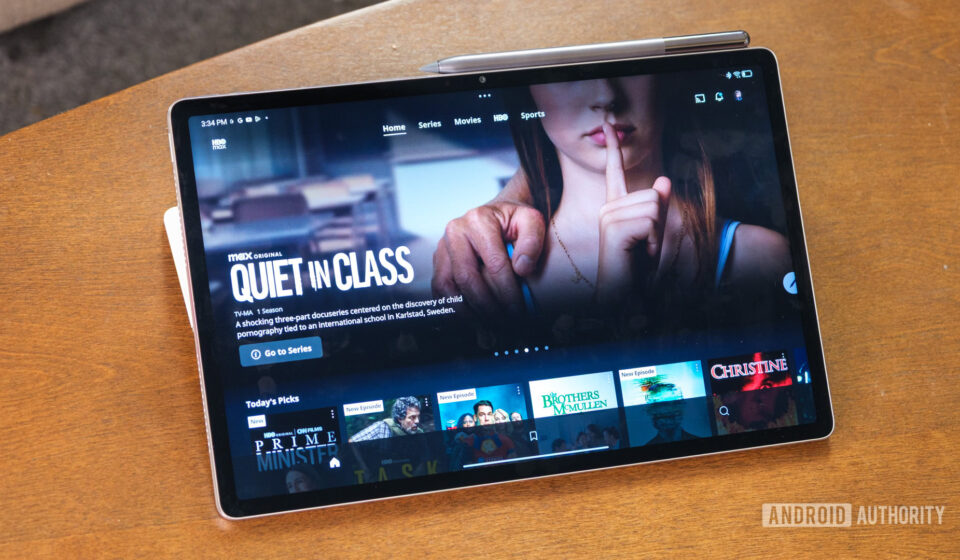
Paramount Skydance and Warner Bros. Discovery Plot Consolidation of HBO Max and Paramount Plus Streaming Platforms

The intensely competitive landscape of the global streaming industry is poised for another seismic shift as Paramount Skydance, following its successful bid to acquire Warner Bros. Discovery (WBD), has announced plans to merge the HBO Max and Paramount Plus streaming services into a single, unified platform. This strategic move, confirmed by Paramount CEO David Ellison during a recent investor call, signifies a deepening trend of consolidation within the digital entertainment sphere, aiming to create a formidable competitor capable of challenging the dominant market leaders like Netflix and the Disney Bundle. The proposed integration represents a pivotal moment in the ongoing "streaming wars," signaling a transition from an era of proliferation to one of strategic aggregation and scale.
The Genesis of a Streaming Super-Platform
The announcement came amidst the broader context of Paramount Skydance’s impending merger with Warner Bros. Discovery, a deal that has reshaped the future trajectories of two major Hollywood conglomerates. David Ellison articulated the vision for the combined streaming entity, emphasizing the critical need for scale in today’s fragmented media environment. With HBO Max and Paramount Plus collectively boasting "a little over 200 million direct-to-consumer subscribers," as stated by Ellison, the combined service aims to leverage this substantial subscriber base and a vast content library to enhance its competitive posture. This figure, while encompassing subscribers across various tiers and regions, underscores the potential reach of the new platform. For context, industry giants like Netflix currently command over 270 million global subscribers, while the Disney Bundle (Disney+, Hulu, ESPN+) also sits in a similar range when considering individual services. The strategic imperative is clear: achieve a subscriber density and content breadth that can sustain long-term growth and profitability in a market increasingly defined by fierce competition and rising content costs.
Navigating Brand Identity and Technical Integration
A critical aspect of this proposed merger lies in the careful management of brand identities, particularly that of HBO. Ellison explicitly addressed this concern, stating that HBO, as a brand, would "operate with independence." He lauded HBO chief Casey Bloys, asserting that the network should continue its renowned content development and programming without undue oversight from Paramount executives. This commitment to preserving HBO’s distinct creative autonomy is crucial, given its long-standing reputation for prestige television and critically acclaimed original programming. The challenge will be to integrate HBO’s premium offering seamlessly into a broader platform that will also house content from Paramount’s diverse portfolio, including popular franchises from CBS, Nickelodeon, MTV, Comedy Central, and the extensive film libraries of Paramount Pictures, alongside the original productions of Paramount Plus.
The technical integration of two disparate streaming platforms presents another significant hurdle. Unifying the "tech stack" – the underlying software, infrastructure, and user experience components – is a complex undertaking that requires substantial investment and expertise. This involves consolidating content delivery networks, user authentication systems, billing mechanisms, recommendation algorithms, and front-end user interfaces. Successful integration is paramount to ensuring a smooth transition for existing subscribers and attracting new ones, avoiding the pitfalls of technical glitches, fragmented libraries, or a confusing user experience that could lead to subscriber churn. Paramount has experience in internal consolidation, having already merged its own streaming assets, which could provide valuable lessons for this more ambitious endeavor. However, combining two platforms with distinct architectures and content rights management systems will be a monumental task.
A Chronology of Consolidation and Bidding Wars
The path to this proposed streaming merger is rooted in a series of strategic maneuvers and intense corporate bidding. Warner Bros. Discovery itself is a product of significant industry consolidation, formed in April 2022 through the merger of WarnerMedia (spun off from AT&T) and Discovery Inc. This prior merger already created a complex streaming ecosystem with HBO Max and Discovery+ coexisting before eventually being unified under the "Max" brand in May 2023. This history provides a precedent for large-scale integration and brand repositioning within the WBD corporate structure.
The recent events leading to the Paramount Skydance acquisition of WBD began with WBD exploring strategic options for its future, including potential sale or merger, against a backdrop of financial pressures and the need to reduce its substantial debt load. Reports of interest from various parties surfaced, culminating in a competitive bidding contest. Notably, Netflix, the undisputed leader in the streaming space, reportedly made an offer for WBD’s assets, valuing them at $27.75 per share. This move by Netflix indicated its own strategic interest in expanding its content library and subscriber base through acquisition, acknowledging the increasing cost of organic growth. However, Paramount Skydance countered with a superior proposal, raising its bid to $31 per share. This enhanced offer ultimately swayed WBD’s board, which formally accepted Paramount Skydance’s proposal as the more attractive option. Following Netflix’s decision not to increase its offer, the formal merger announcement between Paramount Skydance and Warner Bros. Discovery was made last week, setting the stage for the subsequent revelation regarding the streaming platform consolidation. This sequence of events highlights the high stakes and aggressive strategies employed by major media companies in the current market.
The Broader Context: The Maturation of the Streaming Wars
The proposed merger of HBO Max and Paramount Plus is not an isolated event but rather a significant symptom of the evolving "streaming wars." The initial phase of this era, roughly from 2017 to 2022, was characterized by a rapid proliferation of new streaming services as traditional media companies sought to pivot from linear television to direct-to-consumer models. Companies like Disney, WarnerMedia, NBCUniversal, and Paramount Global all launched their own platforms, each vying for a share of consumer attention and subscription dollars. This led to an oversaturation of the market, with consumers facing "subscription fatigue" and the daunting prospect of managing multiple services, each with its own monthly fee.
As the market matured, several economic realities began to set in. Content production costs soared, driven by intense competition for talent and intellectual property. Subscriber growth, while initially robust, started to slow down, particularly in saturated markets. The profitability of many streaming ventures remained elusive, leading to increased pressure from investors for clearer paths to sustainable revenue. This environment has fostered a new phase: consolidation. Media conglomerates are realizing that scale, diversified content libraries, and unified technological platforms are crucial for long-term viability. By combining forces, companies aim to:
- Reduce operating costs: Streamlining backend operations, marketing, and technology infrastructure can lead to significant efficiencies.
- Increase subscriber lifetime value: A broader content offering can reduce churn and encourage longer subscription periods.
- Enhance competitive positioning: A larger combined entity is better equipped to compete against global behemoths like Netflix and Amazon Prime Video, which benefit from massive scale and deep pockets.
- Improve advertising revenue: A larger, more diverse audience base makes the platform more attractive to advertisers, particularly as ad-supported tiers become more prevalent.
- Leverage intellectual property: The combined entity will possess an unparalleled catalog of iconic films, television series, news, and sports, creating a powerful draw for audiences of all demographics.
Implications for Subscribers and the Industry
For subscribers, the merger promises a potentially richer content offering under a single subscription. Instead of subscribing to both HBO Max and Paramount Plus, users would theoretically gain access to the premium dramas and films of HBO, the reality and unscripted content of Discovery, the cinematic universe of Warner Bros., the expansive library of Paramount Pictures, and the diverse programming of CBS, Nickelodeon, and MTV, all within one application. This could represent significant value for consumers seeking a comprehensive entertainment package. However, questions remain regarding pricing. Will the combined service be more expensive than individual subscriptions? Will there be tiered options to cater to different consumer budgets and preferences? The industry has seen a general trend of price increases for streaming services, and a super-sized platform might command a premium.
The merger also has profound implications for the wider entertainment industry. It accelerates the trend of "fewer, larger players" in the streaming market, potentially leading to less choice in terms of individual service providers but more comprehensive offerings from the remaining giants. This could reshape content acquisition strategies, as smaller studios and independent creators might find fewer independent buyers for their productions. Furthermore, the focus on integrating and optimizing existing assets might lead to a temporary slowdown in the launch of entirely new original content, as resources are diverted to technical and operational consolidation.
From a competitive standpoint, the new combined entity will present a significant challenge to Netflix, Disney+, and Amazon Prime Video. Its vast content library, spanning multiple genres and demographics, could attract a broad audience. The inclusion of live sports (potentially from CBS Sports and TNT Sports, depending on how rights are structured post-merger) could also be a powerful differentiator, as live sports remain a critical draw for many subscribers.
Challenges Ahead: A Complex Integration
Despite the strategic advantages, the road ahead is fraught with challenges. Beyond the technical integration, cultural integration between two large corporate entities like Paramount and Warner Bros. Discovery will be complex. Aligning corporate strategies, management structures, and creative visions requires careful navigation. Protecting the distinct creative cultures of entities like HBO, known for its prestige content, while integrating them into a broader commercial framework, will be a delicate balance.
Regulatory scrutiny will also be a factor. While the initial WBD merger with Paramount Skydance will undergo antitrust review, the subsequent plan to merge streaming services may also draw attention from competition authorities concerned about market concentration.
Ultimately, the proposed merger of HBO Max and Paramount Plus marks a significant inflection point in the evolution of digital entertainment. It underscores the industry’s pivot towards consolidation, scale, and profitability as the primary drivers in a maturing market. If successful, this new super-platform could redefine the competitive landscape, offering consumers an unprecedented breadth of content and setting a new benchmark for integrated streaming experiences. The "next phase of the streaming wars," as suggested by industry observers, appears to be less about launching new services and more about strategically stitching them together to carve out dominant positions in the global entertainment market. The coming months and years will reveal whether this ambitious consolidation can successfully navigate its inherent complexities and deliver on its promise of creating a truly formidable streaming powerhouse.