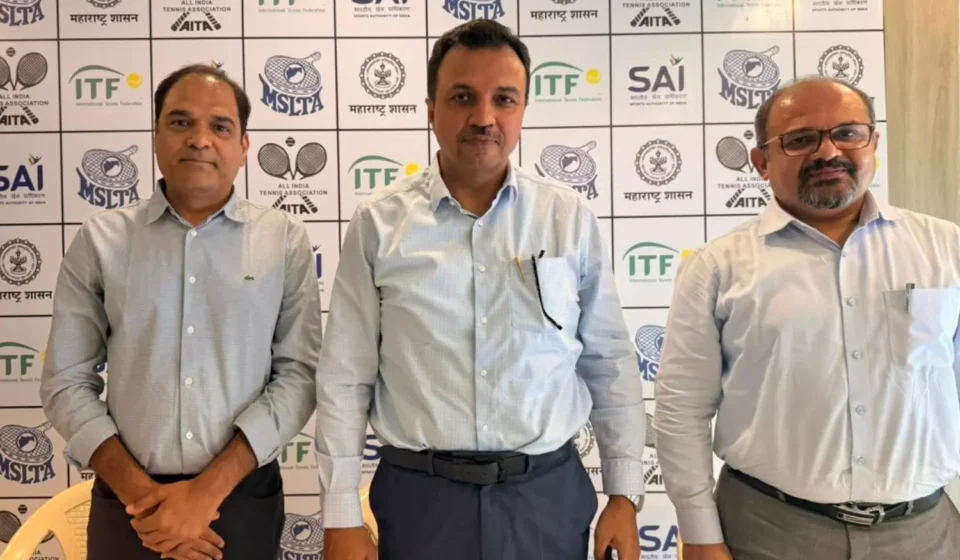

The Government of Maharashtra’s Directorate of Sports and Youth Services, in a landmark collaboration with the Maharashtra State Lawn Tennis Association (MSLTA) and the ATP Organising Committee, has officially announced a comprehensive roadmap to decentralize international tennis and bring world-class competition to the state’s district levels. Following a successful five-year tenure of hosting high-profile events including the ATP Tour 250, WTA 125, and PMR Challenger tournaments, the state is now pivoting toward a grassroots-heavy model designed to foster local talent and bridge the gap between regional aspirations and global rankings. This initiative represents one of the most ambitious sports decentralization programs in Indian history, aiming to transform Maharashtra into a premier global hub for tennis while providing a sustainable pathway for domestic athletes.
A Strategic Shift: From Metropolitan Centers to District Hubs
For the past half-decade, Maharashtra has been the epicenter of Indian tennis, hosting the country’s only ATP 250 World Tour event in Pune and several prestigious WTA and Challenger events in Mumbai. While these tournaments successfully placed the state on the international tennis map, the new initiative seeks to democratize access to the sport. The core of this strategy involves organizing 20 international tournaments sanctioned by the International Tennis Federation (ITF). These events will feature prize money categories of USD 15,000 and USD 25,000, which are critical entry points for professional players looking to accumulate world ranking points.
By moving these tournaments into various districts, the government aims to utilize and upgrade existing sports infrastructure across the state. This move ensures that the benefits of international exposure are not restricted to Mumbai and Pune but are shared with emerging urban centers like Nagpur, Sambhajinagar, and beyond. The decision was formalized during a high-level press conference featuring MSLTA President Mr. Prashant Sutar, MSLTA Honorary Secretary Mr. Sunder Iyer, and senior Indian Administrative Service (IAS) officers Mr. Ashish Sharma and Mr. Shravan Hardikar, who will lead the administrative execution of the project.
Administrative Framework and Governance
To ensure the seamless execution of such a large-scale project, the Government of Maharashtra has established a robust administrative framework. Through the Urban Development Department, a special Government Resolution (GR) has been issued, providing the legal and financial mandate for these tournaments. The leadership of this initiative is spearheaded by two senior bureaucrats: Mr. Ashish Sharma (IAS), who serves as the Chairman for the ITF Tournament Initiative, and Mr. Shravan Hardikar (IAS), Managing Director of the Mumbai Metropolitan Region Development Authority (MMRDA), who takes on the role of Secretary for the initiative.
The governance model extends to the local level through the formation of district-level committees. These committees will be chaired by the respective Municipal Commissioners and will include District Collectors and Superintendents of Police. This inter-departmental cooperation is designed to handle the complex logistics of hosting international athletes, including security, local transportation, and venue management. By involving the highest levels of district administration, the state ensures that these tournaments receive the necessary institutional support to meet international standards set by the ITF.
Financial Mechanisms and Infrastructure Funding
One of the most innovative aspects of this initiative is its sustainable funding model. The prize money and operational costs for the 20 ITF tournaments will be drawn from the 5 percent sports allocation mandatory in the annual budgets of municipal corporations. This ensures a consistent stream of public funding dedicated to sports development. Furthermore, the initiative seeks to leverage public-private partnerships by mobilizing additional financial support from local industries, corporate houses, and regional institutions.
The infrastructure strategy focuses on a two-pronged approach: optimizing cities that already possess adequate tennis facilities and identifying locations where new infrastructure can be developed. The upgrading of district-level courts to meet ITF specifications—including lighting, surface quality, and player amenities—is expected to leave a lasting legacy for local tennis academies long after the tournaments conclude.
The Economic Impact on Indian Players
Currently, the professional tennis circuit presents a significant financial barrier for Indian players. To gain the ranking points necessary to enter higher-tier Challenger and ATP events, players are often forced to travel to Europe, North Africa, or Southeast Asia to compete in ITF "Futures" events. The costs associated with international travel, visas, and accommodation can be prohibitive, often leading to talented players retiring early due to financial strain.
By hosting 20 ITF tournaments within Maharashtra, the MSLTA and the state government are effectively creating a "Home Soil Advantage." Indian players will have the opportunity to earn crucial ATP and WTA ranking points without the overhead of international travel. This "ranking point economy" is vital; as players improve their standings through local events, they become eligible for larger international tournaments, thereby increasing India’s representation in the top 100 and top 200 world rankings.
Chronology of the Upcoming Circuit
the first phase of this ambitious calendar has already been outlined, signaling a rapid rollout of the initiative. The schedule for the inaugural tournaments is as follows:
- Mumbai (MSLTA): March 15th to March 22nd.
- Nagpur: March 22nd to March 29th.
- Sambhajinagar: March 29th to April 5th.
This back-to-back scheduling is intentional, allowing players to move seamlessly between cities within the state, further reducing logistical hurdles. The choice of Nagpur and Sambhajinagar as early hosts underscores the commitment to taking international sports to the heart of Maharashtra.
Integrating Junior Development and Mentorship
A unique feature of this roadmap, highlighted by Mr. Shravan Hardikar (IAS), is the integration of the junior circuit with professional events. All India-level junior tournaments will be organized in the week preceding each ITF event at the same venues. This allows young athletes to compete in high-stakes environments while providing them the opportunity to observe and interact with professional players during the ITF week.
This mentorship model is designed to inspire the next generation of players. By seeing world-class tennis played in their own districts, junior players can visualize a professional path that was previously seen as distant or inaccessible. The synergy between the junior and senior levels is expected to broaden the talent pool, ensuring that Maharashtra continues to produce champions for the national team.
Official Perspectives on the Roadmap
MSLTA President Prashant Sutar emphasized the social equity aspect of the project, stating that the primary goal of his tenure is to ensure tennis reaches rural and district-level players. He noted that by providing the right infrastructure and exposure at home, the financial burden on families is significantly mitigated, allowing talent to be the sole determinant of success rather than financial backing.
Mr. Ashish Sharma (IAS) focused on the ecosystem-building aspect, noting that the partnership between the government and MSLTA is aimed at creating a "tennis powerhouse." He remarked that empowering districts to host world-class events not only fosters talent but also elevates the profile of these cities on a global scale.
Broader Implications for Indian Sports
The Maharashtra model serves as a potential blueprint for other Indian states looking to modernize their sports portfolios. By moving away from a "mega-event" only strategy and focusing on a high-frequency, decentralized tournament calendar, the state is addressing the structural needs of professional athletes.
The implications extend beyond the court. Hosting international tournaments stimulates local economies through sports tourism, hospitality, and service sector demand. It also promotes a culture of fitness and professional sportsmanship at the grassroots level. As Maharashtra implements this five-year roadmap, the data collected from these 20 tournaments—ranging from player performance metrics to economic impact assessments—will likely influence national sports policy in the years to come.
This initiative is a clear signal of the Maharashtra Government’s commitment to long-term sports development. By combining bureaucratic efficiency, municipal funding, and the technical expertise of the MSLTA, the state is not just hosting games; it is building a sustainable industry that promises to bring global tennis to the doorsteps of millions.