IPadOS 26.4 Developer Beta 4 Signals Imminent Stable Release with Significant Enhancements

Apple has released the fourth developer beta of iPadOS 26.4, a move that strongly suggests the stable, public version of the operating system is on the horizon. This late-stage beta release, which typically occurs closer to the initial developer preview, indicates Apple has been diligently refining a suite of new features and improvements for its tablet lineup. The upcoming iPadOS 26.4 update is poised to introduce substantial enhancements across various applications and system functionalities, promising a more immersive, intelligent, and user-friendly experience for iPad users worldwide.
The development cycle for major operating system updates is a meticulous process. Apple typically begins with an announcement at its Worldwide Developer Conference (WWDC) in June, followed by a series of developer betas throughout the summer, culminating in a public release in September or October. However, the arrival of a fourth developer beta for iPadOS 26.4 this late in the cycle, especially with significant feature additions, suggests a potential shift in Apple’s release strategy or a particularly ambitious feature set for this particular iteration. This also implies that the public beta program, a crucial step for wider testing and feedback, may commence shortly, allowing a broader audience to experience and report on the new functionalities before the final rollout.
Apple Music Receives a Comprehensive Visual and Functional Overhaul

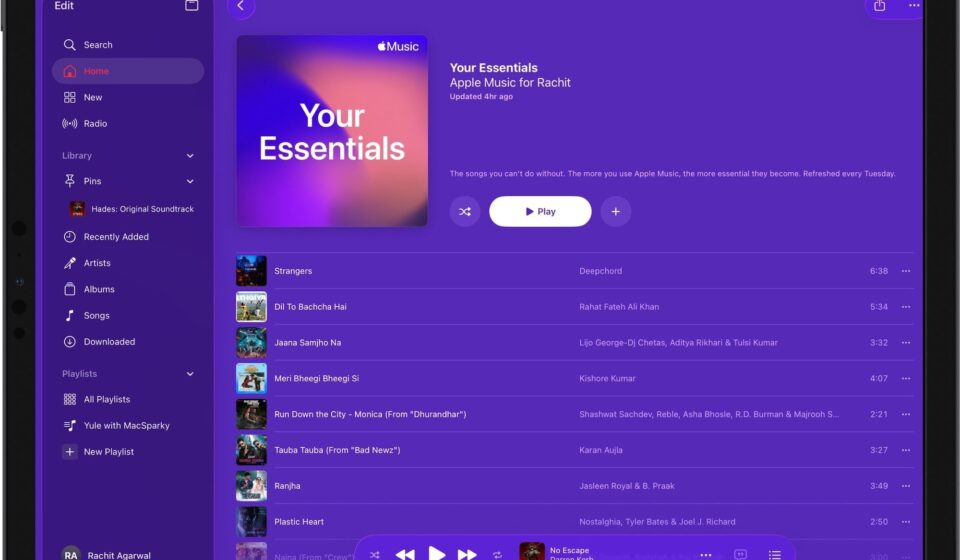
Perhaps the most striking transformation within iPadOS 26.4 is the significant "glow-up" bestowed upon the Apple Music application. The app now embraces a fully immersive design philosophy, where album artwork takes center stage, expansively filling the entire screen. This visual shift is complemented by an intelligent UI that dynamically adapts its colors, text, and overall interface elements to harmonize with the dominant hues of the displayed album art. This creates a more cohesive and aesthetically pleasing listening experience, drawing users deeper into the visual identity of their music.
Beyond the aesthetic enhancements, Apple Music introduces "Playlist Playground," a groundbreaking AI-powered feature that allows users to generate personalized playlists through natural language descriptions. This innovative tool moves beyond simple genre or mood selection. Users can now articulate their desired playlist by simply typing prompts such as "study session with lo-fi beats," "energetic 80s party anthems," or "calming acoustic folk for a rainy afternoon." Within seconds, Apple Music’s AI engine processes these requests and curates a bespoke playlist, complete with a diverse selection of tracks that align with the user’s stated preferences. This feature has the potential to revolutionize how users discover and organize music, catering to more nuanced and subjective listening needs.
Further enhancing the artist discovery and engagement aspect, artist profiles within Apple Music will now prominently display upcoming concert information, seamlessly integrated with Ticketmaster. This direct integration means users can easily ascertain when their favorite artists are performing in their vicinity, facilitating concert planning and ticket purchasing directly from within the music app. This convergence of music listening and live event information streamlines the fan experience and reinforces Apple Music’s position as a central hub for all things music.
The implications of these changes for Apple Music are significant. The immersive visual design aims to combat the perception of the app as merely a functional tool, transforming it into a more engaging and artful experience. The AI playlist generation feature democratizes music curation, making it accessible and intuitive for all users, regardless of their familiarity with music metadata. The Ticketmaster integration taps into the lucrative live music market, providing a direct pathway for revenue generation and user retention by bridging the gap between digital consumption and real-world experiences. Analysts suggest that such integrated features could further solidify Apple Music’s competitive standing against streaming rivals by offering unique value propositions.

Video Podcasts Arrive on iPad, Expanding Content Consumption
A long-anticipated feature, video podcasts, has finally made its debut on the iPad with iPadOS 26.4. Users will now find a small video icon accompanying episodes of podcasts that offer a visual component. Tapping this icon will seamlessly load and play the video directly within the Apple Podcasts app, transforming the listening experience into a richer, more engaging visual medium. This feature aligns with the growing trend of multimedia content consumption and offers podcasters a new avenue to connect with their audience.
Recognizing the diverse needs of its user base, particularly those with limited data plans or inconsistent internet access, Apple has incorporated options to manage video podcast consumption. Users can choose to hide the video playback if they wish to conserve data, allowing them to continue listening to the audio component without consuming additional bandwidth. Furthermore, the ability to download video podcasts for offline viewing ensures that users can enjoy their favorite visual content regardless of their network connectivity.
The introduction of video podcasts to the iPad platform is a strategic move to enhance the appeal and functionality of the Podcasts app. It acknowledges the evolving landscape of content creation and consumption, where video is increasingly integrated across various media. This move could encourage more creators to produce video versions of their podcasts, further enriching the content ecosystem available on the iPad. For users, it provides a more versatile and engaging way to consume spoken-word content, blurring the lines between traditional podcasting and on-demand video streaming.

Enhanced Window Management for Multitasking Efficiency
iPadOS 26, with its introduction of a more robust windowing system, empowered users to multitask more effectively by opening and resizing multiple app windows. However, this increased flexibility also presented a challenge: the potential for users to lose track of their open application windows. iPadOS 26.4 addresses this usability concern with a new, intelligent pop-up notification. When a user launches an application that has previously hidden windows, a subtle yet clear pop-up will now appear. This notification provides a convenient option to bring all of the app’s hidden windows back into view with a single tap, thereby eliminating the frustration of misplaced or forgotten application instances.
This refinement in window management is a testament to Apple’s iterative approach to software development, where user feedback and observed usage patterns inform subsequent updates. The ability to manage multiple app windows is a core tenet of the iPad’s evolution into a more capable productivity device. By addressing the potential for user disorientation, Apple is further solidifying the iPad’s position as a viable alternative to traditional laptops for a wider range of tasks. The subtle yet effective nature of this change underscores Apple’s commitment to improving the overall user experience through thoughtful design and practical solutions.
Ambient Music Widget for Seamless Soundscapes

Previously accessible only through the Control Center, Apple’s Ambient Sounds feature is now more readily available with the introduction of a dedicated widget for the iPad’s Home Screen. This new widget allows users to initiate playback of Ambient Sounds with a single tap, offering immediate access to curated soundscapes designed for various purposes. The widget presents four distinct categories: Sleep, Chill, Productivity, and Wellbeing, each offering a selection of themed playlists.
This enhancement caters to users who frequently utilize Ambient Sounds for focus, relaxation, or sleep. By placing the functionality directly on the Home Screen, Apple reduces the friction associated with accessing these helpful audio environments. This move aligns with the growing trend of personalized digital wellness tools and provides users with a readily available resource to manage their auditory environment and enhance their daily routines. The inclusion of multiple categories ensures that the widget serves a broad spectrum of user needs, from promoting restful sleep to boosting concentration during work or study sessions.
New Emojis Expand Expressive Capabilities
In line with its commitment to keeping digital communication fresh and dynamic, iPadOS 26.4 will introduce a collection of eight new emojis. These additions offer users a wider palette for expressing themselves in messages and across various platforms. The newly included emojis are: Ballet Dancer, Distorted Face, Fight Cloud, Hairy Creature (Sasquatch), Landslide, Orca, Trombone, and Treasure Chest. While the utility of new emojis can be subjective, the "Distorted Face" emoji, in particular, has garnered attention for its potential to convey a range of nuanced emotions, from playful confusion to humorous exasperation.

The regular introduction of new emojis is a subtle but effective way for Apple to keep its operating systems feeling current and responsive to evolving cultural trends and communication styles. These visual additions, though small in number, contribute to the overall richness and expressiveness of digital interactions.
Further Refinements and System-Wide Improvements
Beyond the headline features, iPadOS 26.4 incorporates a series of other notable changes designed to enhance the overall user experience. Safari on the iPad finally gains a new compact tab bar option, offering a cleaner and more streamlined browsing interface that prioritizes screen real estate for web content. This addresses a long-standing request from some users who prefer a less intrusive tab management system.
A new "Reduce Bright Effects" setting is also introduced, which aims to tone down the visually striking "Liquid Glass shimmer" effect that was a prominent visual element in previous iterations. This setting provides users with greater control over the visual intensity of certain interface elements, potentially improving accessibility and reducing eye strain for some. The App Store has also received a layout refresh, suggesting ongoing efforts to improve content discovery and the overall user interface of Apple’s digital marketplace.

The Reminders app gains a critical new feature: an urgent, alarm-like alert system. This ensures that time-sensitive tasks are brought to the user’s attention with greater prominence, reducing the likelihood of missed deadlines or important events. Stolen Device Protection, a vital security feature, is now enabled by default, providing enhanced protection for users’ devices in the event of theft. The wallpaper gallery has undergone a redesign, offering a more visually appealing and organized way to browse and select background images. Finally, the Control Center has been updated with a tinted appearance, a subtle but effective change intended to improve its legibility and overall visual coherence with the rest of the operating system.
Anticipated Release of iPadOS 26.4
With the release of the fourth developer beta, the stable version of iPadOS 26.4 is anticipated to be available to all users in the coming weeks. Historically, Apple tends to release the stable version of its operating system approximately two weeks after the final developer beta. This timeline suggests that iPad owners can expect to see the iPadOS 26.4 update roll out before the end of the current month. The update promises a compelling blend of significant new features, such as the revamped Apple Music and video podcasts, alongside numerous quality-of-life improvements and under-the-hood enhancements, solidifying iPadOS 26.4 as a substantial and worthwhile upgrade for the iPad ecosystem.