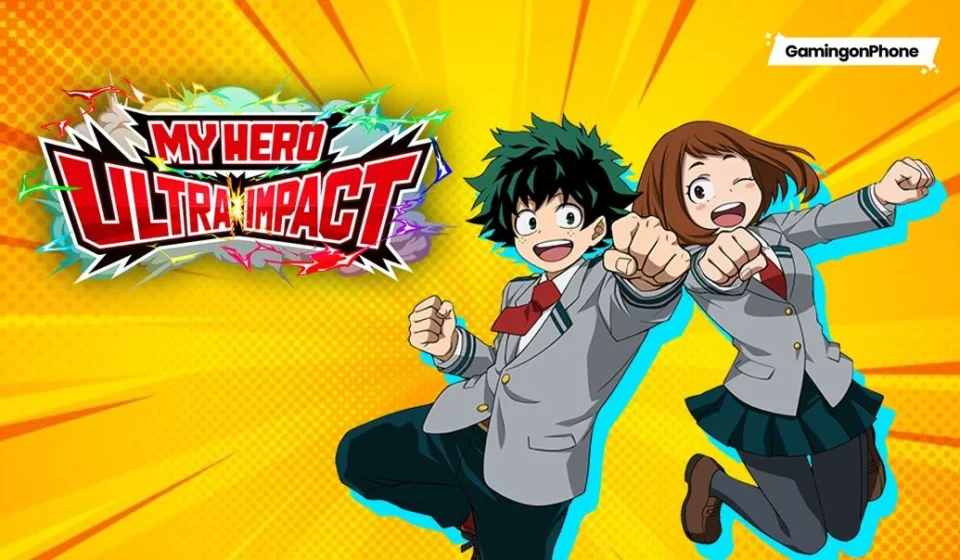
My Hero ULTRA IMPACT to end service on May 18, 2026, bringing its hero RPG journey to a sudden close

Bandai Namco, a prominent global publisher in the interactive entertainment industry, has officially announced the cessation of service for its popular mobile action RPG, My Hero ULTRA IMPACT. The game, based on the globally acclaimed My Hero Academia anime and manga series, is scheduled to conclude its operations on May 18, 2026, marking an end to its five-year journey in the mobile gaming landscape. This decision, conveyed through official channels, has elicited a strong reaction from its dedicated player base worldwide.
The Genesis and Appeal of My Hero ULTRA IMPACT
My Hero ULTRA IMPACT first captivated audiences in Japan, launching on May 19, 2021, before expanding its reach with a global release in 2022. The game leveraged the immense popularity of the My Hero Academia franchise, which depicts a world where nearly everyone possesses superpowers known as "Quirks." Players were drawn into an immersive experience that allowed them to assemble a dream team of their favorite heroes and villains from the series, engaging in strategic 3v3 "Quirk battles." The core gameplay revolved around utilizing each character’s unique Quirks and executing powerful "Plus Ultra Moves" to overcome adversaries. Beyond the combat, the game offered extensive customization options, including the ability to personalize a "hero base" and interact with iconic characters, fostering a deeper connection for fans.
The success of My Hero ULTRA IMPACT was intrinsically linked to the cultural phenomenon of My Hero Academia. Since its manga debut in 2014, written and illustrated by Kohei Horikoshi, the series has garnered a massive international following, spanning anime adaptations, feature films, merchandise, and various video games across multiple platforms. Mobile adaptations like ULTRA IMPACT aimed to translate the vibrant world and dynamic battles of the franchise into an accessible, on-the-go format, allowing fans to directly participate in the heroic narrative. The gacha mechanics, typical of many successful mobile RPGs, encouraged players to collect and enhance a diverse roster of characters, each meticulously designed to reflect their anime counterparts.
A Sudden Farewell: The Official Announcement
The announcement regarding the game’s impending shutdown was made public on March 17, 2026, through the official My Hero ULTRA IMPACT X (formerly Twitter) account. The post, which quickly circulated among the global fanbase, stated: "[Important Notice] Thank you for playing MY HERO ULTRA IMPACT. MY HERO ULTRA IMPACT will conclude its service on 5/18/2026 (JST). We would like to express our sincere gratitude for your continued support over the years. Please check the in-game information for more details."
Notably, the official communication did not provide an explicit reason for the decision to terminate the game’s service. This lack of detailed explanation is common in the mobile gaming industry when titles are decommissioned, often leaving players to speculate on the underlying factors. Typically, such decisions are multi-faceted, stemming from a combination of declining revenue, increasing operational costs, challenges in player retention, a strategic pivot by the publisher, or the inability to meet evolving development and content update demands within a highly competitive market. For a live-service game like My Hero ULTRA IMPACT, maintaining a consistent stream of new content, characters, and events is crucial for engagement, and a slowdown or inability to deliver on this front can significantly impact a game’s viability.
Chronology of a Heroic Journey
The journey of My Hero ULTRA IMPACT spans approximately five years, from its initial Japanese debut to its scheduled closure. This timeline highlights the lifecycle of a modern mobile live-service game:
- May 19, 2021: My Hero ULTRA IMPACT officially launches in Japan, generating significant excitement among local My Hero Academia fans.
- 2022 (Specific date varies by region): The game receives its global release, making it accessible to a much broader international audience and further solidifying its presence in the anime mobile gaming market.
- March 17, 2026: Bandai Namco publicly announces the impending end of service for My Hero ULTRA IMPACT via official social media channels and in-game notifications.
- May 18, 2026: The game’s servers will be officially shut down, rendering the game unplayable. This date falls almost exactly five years after its initial Japanese launch, bringing its run to a definitive close.
This chronology underscores a typical lifespan for many mobile games, particularly those operating under a live-service model. While some titles achieve longevity exceeding a decade, many find their service concluded within a 3-7 year window, reflecting the dynamic nature and rapid innovation cycle of the mobile gaming sector.
The "Finale Campaign": A Bittersweet Farewell
In anticipation of the service shutdown, Bandai Namco has launched a "Finale Campaign" designed to allow players to enjoy their remaining time with the game and express gratitude for their loyalty. This campaign includes several key components:
- Daily Free 10x Recruits: Players are granted daily opportunities to perform 10x character summons without cost, providing a chance to acquire characters they may have missed or further enhance their existing roster. This gesture aims to maximize player enjoyment and character collection in the final weeks.
- Access to Past Event Stories: The campaign makes previously released event stories available, allowing players to revisit cherished narratives and complete any content they might have missed during the game’s active service. This provides a sense of narrative closure for those invested in the game’s lore.
- New Character Releases: Despite the impending shutdown, the campaign introduces new characters, such as a "fantasy Eijiro Kirishima." This decision, while unusual for a game nearing its end, might be a strategy to boost engagement in the final months and offer a last hurrah for collectors.
- Continued Use of Items and Hero Gems: Players are permitted to utilize all in-game items and any unused "Hero Gems" (the game’s premium currency) until the very end of service. This ensures that resources acquired through gameplay or prior purchases do not go to waste prematurely.
- Disabled In-Game Purchases: Significantly, all in-game purchase options have been disabled following the shutdown announcement. This is a standard procedure to prevent players from spending money on a service that will soon be unavailable, mitigating potential consumer dissatisfaction and refund claims.
While these initiatives provide a measure of goodwill, they ultimately serve as a bittersweet reminder of the game’s imminent departure. The "Finale Campaign" attempts to soften the blow of the shutdown by offering generous rewards and access to content, allowing players to create final memories with their favorite heroes.
Player Reactions and Community Outcry
The announcement has sparked a wave of sadness, confusion, and frustration across the global My Hero ULTRA IMPACT community. Players from both the Japanese and international servers have voiced their dismay, often citing the game’s perceived continued health and strong fanbase as reasons for their confusion. Social media platforms, particularly X, became a hub for player reactions:
- Demand for Offline Options: A recurring plea from the community is the implementation of an "offline option." Many players have invested significant time and, in many cases, substantial financial resources into building their accounts and collecting characters. An offline mode would allow them to retain their progress and continue interacting with their collected heroes even after server closure, preserving their digital investments. This sentiment reflects a broader desire within the live-service gaming community for greater player ownership over their digital assets.
- Confusion Over Game Performance: Numerous players have expressed bewilderment, stating that the "game is literally still doing well" and that the decision seems abrupt given their perception of its active player base and ongoing content updates. While player perception may not always align with a publisher’s internal financial metrics (such as revenue per user, server costs, or return on investment), it highlights the disconnect that can arise when a game’s closure is announced without explicit financial justifications.
- Concerns About Refunds: A significant concern among players, particularly those who have recently made in-game purchases or accumulated premium currency, revolves around the issue of refunds. While the disabling of in-game purchases addresses future spending, players often seek recourse for recent transactions that contributed to an account that will soon be defunct. Publisher policies on refunds for mobile games vary, and this often becomes a point of contention during service shutdowns.
- Emotional Investment: Beyond monetary concerns, many players have expressed a deep emotional connection to the game and its characters. For fans of My Hero Academia, ULTRA IMPACT offered a unique way to engage with the franchise. The shutdown represents the loss of a community space and a personalized interaction with beloved characters, leading to genuine disappointment and a sense of loss.
These reactions underscore the profound impact that live-service game shutdowns have on their communities. Players invest not just money, but also time and emotional energy into these digital worlds, making their sudden disappearance a significant event for many.
Broader Implications for Bandai Namco and the Mobile Gaming Landscape
The decision to shut down My Hero ULTRA IMPACT carries several implications, both for Bandai Namco and for the wider mobile gaming industry.
For Bandai Namco, a company with an extensive portfolio of successful games across various platforms, including numerous mobile titles, this closure reflects the inherent challenges of the live-service model. While Bandai Namco boasts other popular My Hero Academia titles, such as My Hero One’s Justice series on consoles, and maintains a strong presence with other anime IPs (e.g., Dragon Ball Z Dokkan Battle, One Piece Treasure Cruise), the closure of ULTRA IMPACT serves as a reminder that even games based on powerhouse IPs are not immune to market pressures. The company must carefully manage player trust, especially concerning the longevity of its other mobile offerings. A history of frequent shutdowns could deter players from investing in new Bandai Namco live-service games.
In the mobile gaming sector, My Hero ULTRA IMPACT‘s shutdown is not an isolated incident but rather part of an ongoing trend. The market is incredibly saturated and competitive, with thousands of new titles launching annually. The costs associated with developing, marketing, and maintaining a high-quality live-service game are substantial. These costs include server infrastructure, continuous content creation (new characters, events, story chapters), licensing fees for major IPs, customer support, and ongoing technical maintenance to ensure compatibility with new operating systems and devices. For a game to remain profitable, it needs to consistently attract new players while retaining its existing base, all while generating sufficient revenue through in-app purchases. When key performance indicators (KPIs) like daily active users (DAU), monthly active users (MAU), average revenue per user (ARPU), or player retention rates fall below a sustainable threshold, publishers are often compelled to make the difficult decision to cease operations. This ensures that resources can be reallocated to more promising projects or to bolster the performance of existing successful titles.
The case of My Hero ULTRA IMPACT highlights the volatile nature of the mobile free-to-play market. While some games achieve immense and sustained success, many others, even those tied to popular franchises, eventually reach an end-of-life stage. The demands for constant innovation, fresh content, and robust technical performance are relentless, and meeting these expectations while maintaining profitability is a constant balancing act for developers and publishers alike.
Conclusion
The impending closure of My Hero ULTRA IMPACT on May 18, 2026, marks the end of an era for its dedicated player base and serves as a significant event in the mobile gaming calendar. While Bandai Namco’s "Finale Campaign" offers a final opportunity for players to engage with the game, the decision underscores the inherent challenges and transient nature of the live-service mobile gaming model. For fans of My Hero Academia, it’s a bittersweet goodbye to a digital world where they could embody their favorite heroes. For the industry, it’s another reminder of the intense competition, evolving strategies, and difficult decisions that characterize the dynamic and ever-changing landscape of mobile entertainment. The outcry from the community, particularly the demand for offline modes, highlights a growing sentiment among players for greater digital ownership and preservation of their invested time and resources in online-only titles. As the industry continues to evolve, the lessons learned from the lifecycle of games like My Hero ULTRA IMPACT will undoubtedly shape future development and publishing strategies.