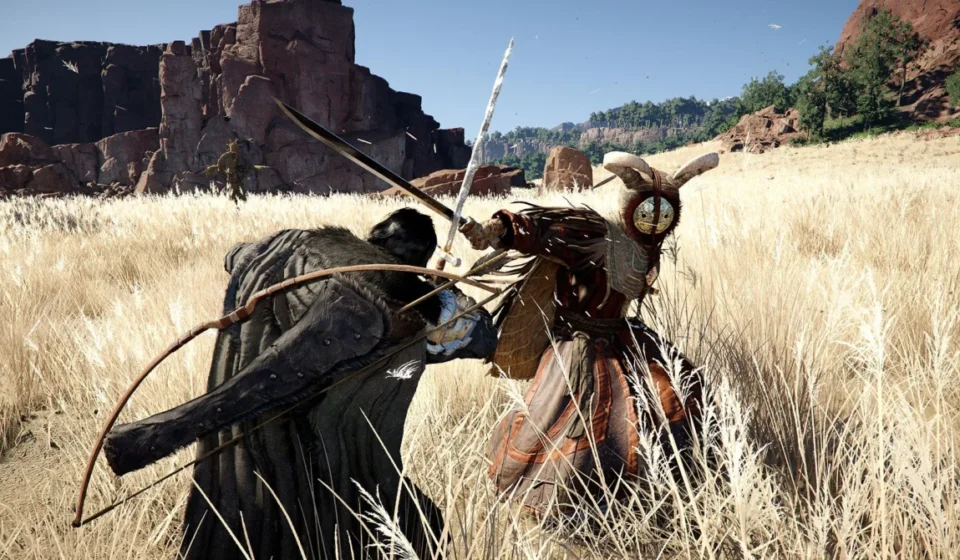

The highly anticipated launch of Pearl Abyss’s ambitious open-world action RPG, Crimson Desert, has been met with a significant controversy surrounding its initial lack of support for Intel Arc graphics processing units (GPUs). Despite the game showcasing a remarkable level of polish and technical sophistication, a critical oversight left a segment of PC gamers unable to experience the title, leading to widespread community outcry and a swift, albeit belated, reversal from the development studio. Initially, the game’s FAQ provided a stark directive for affected users: seek a refund. However, following a significant backlash, Pearl Abyss has confirmed that Intel Arc compatibility and optimization are now actively in development, marking a notable shift in their initial stance.
A Troubled Debut for Intel Arc Users
The initial release of Crimson Desert presented a stark reality for players equipped with Intel Arc GPUs. The game simply refused to launch on these systems, citing an "unsupported hardware" error. This was not a mere performance hiccup or a minor graphical glitch; it was a complete incompatibility that affected both discrete Arc cards and Intel’s integrated graphics solutions, which are prevalent in a vast number of laptops and pre-built PCs. This complete lack of support was particularly surprising and disheartening given the widespread adoption of Intel integrated graphics for everyday computing and casual gaming.

The direct advice from Pearl Abyss, as documented in the game’s frequently asked questions, was blunt: players experiencing this issue should pursue a refund. This approach, while seemingly practical from a customer service perspective, failed to acknowledge the broader implications of such an omission. It disregarded the significant investment many players had made in their hardware and their anticipation for Crimson Desert. The gaming community, accustomed to a more inclusive approach to hardware support in AAA titles, reacted predictably and negatively.
The Backlash and Pearl Abyss’s Course Correction
The controversy surrounding Crimson Desert‘s Intel Arc incompatibility escalated rapidly across gaming forums, social media platforms, and news outlets. Players voiced their frustration not only at the lack of support but also at the dismissive nature of the initial guidance. This sentiment was amplified by the fact that Intel itself had reportedly been collaborating with Pearl Abyss during the development phase of Crimson Desert. Reports suggested that Intel had provided driver support and engineering assistance to facilitate Arc GPU compatibility, making the complete absence of support at launch even more perplexing.
The pressure from the gaming community proved to be a significant catalyst for change. Recognizing the damage to its reputation and the alienation of a potential player base, Pearl Abyss issued an apology and committed to rectifying the situation. This public acknowledgment of the issue and the subsequent promise of future support represent a significant pivot from their initial, unsupportive stance.

Chronology of Events
- Pre-Launch Development: Intel reportedly engaged with Pearl Abyss, offering technical assistance and drivers to ensure compatibility for Intel Arc GPUs with Crimson Desert.
- Launch of Crimson Desert: The game is released to critical acclaim for its graphical fidelity and gameplay mechanics. However, Intel Arc GPU users encounter an "unsupported hardware" error, preventing them from launching the game.
- Initial Support Response: Pearl Abyss’s FAQ for Crimson Desert advises users experiencing Arc compatibility issues to seek a refund.
- Community Outcry: Widespread dissatisfaction and criticism emerge from the gaming community across various online platforms.
- Pearl Abyss Acknowledgment and Reversal: Following the backlash, Pearl Abyss issues an apology and confirms that Intel Arc support is now in development. The studio commits to providing compatibility and optimization updates.
Technical Context and Broader Implications
The lack of support for Intel Arc GPUs at launch was not a trivial oversight. It implied a fundamental disconnect in the game’s engine or rendering pipeline that failed to accommodate the specific architectural nuances of Intel’s discrete graphics hardware. Modern game development involves extensive testing and optimization across a wide array of hardware configurations. For a AAA title to launch with a complete absence of support for a growing segment of the GPU market, especially when that segment includes widely used integrated graphics, is an unusual occurrence.
Intel’s Arc GPUs, while newer to the discrete GPU market compared to offerings from NVIDIA and AMD, have been steadily improving in performance and driver maturity. Games that fail to support Arc GPUs not only disadvantage current Arc owners but also deter potential buyers who might consider Intel hardware for future gaming purchases. The initial decision by Pearl Abyss to advise refunds rather than commit to future support could have had a chilling effect on Arc adoption, as it signaled a potential lack of long-term commitment from game developers.

The fact that Pearl Abyss is now actively working on support suggests that the initial decision may have been driven by resource allocation priorities, development timelines, or perhaps an underestimation of the impact of the omission. Regardless of the reasons, the swift community response underscores the evolving expectations of gamers. Players today demand greater hardware inclusivity and expect developers to be proactive in ensuring their titles are accessible across a diverse range of hardware.
Official Statements and Future Outlook
Pearl Abyss’s commitment to bringing Crimson Desert to Intel Arc users was communicated through official channels, including a statement on social media. The studio’s message indicated a clear intention to "work on compatibility and optimization support so that Crimson Desert can also be enjoyed on Intel Arc GPU systems." The goal articulated is to "provide a smooth and stable gameplay experience."
While this announcement is a welcome development for Intel Arc owners, a crucial piece of information remains absent: a concrete timeline for the release of these support updates. The absence of a specific rollout date leaves players in a state of anticipation, with no clear indication of when they can expect to fully experience Crimson Desert on their hardware. This lack of a definitive schedule can prolong player frustration and create uncertainty regarding the game’s long-term viability for the Arc user base.

The implications of this situation extend beyond Crimson Desert. It serves as a case study for the industry on the importance of comprehensive hardware support from the outset of a major game launch. For Intel, it highlights the need for continued collaboration and communication with game developers to ensure their hardware is not only competitive in performance but also fully integrated into the gaming ecosystem.
The journey of Crimson Desert‘s Intel Arc support highlights the dynamic interplay between game developers, hardware manufacturers, and the gaming community. While the initial misstep caused considerable frustration, Pearl Abyss’s subsequent commitment to inclusivity offers a positive resolution and a valuable lesson learned for the industry at large. The true success of this resolution will ultimately be measured by the quality and timeliness of the promised updates, ensuring that all players can eventually embark on the adventures Crimson Desert has to offer.