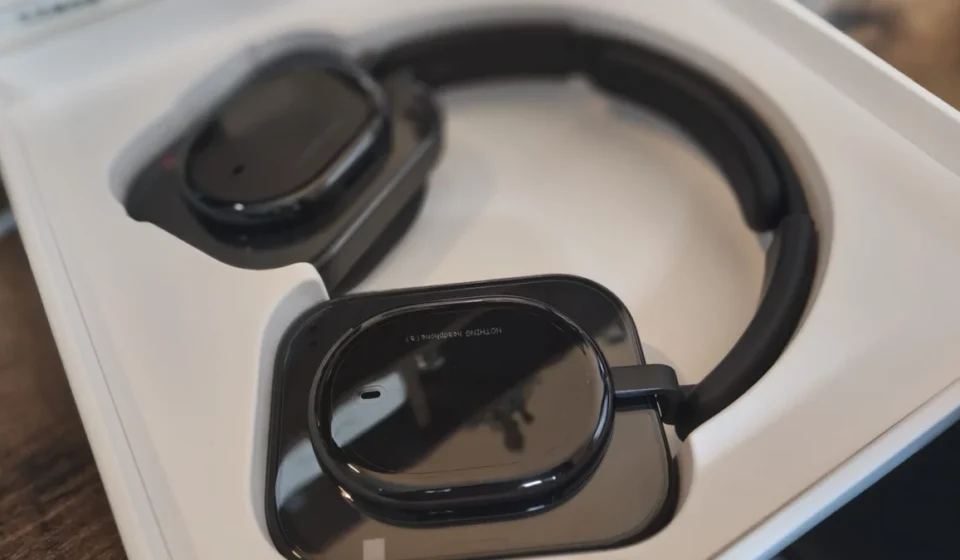
Nothing Headphone (a) Review: Striking a Balance Between Price and Performance

The audio market is a fiercely competitive landscape, with manufacturers constantly vying to capture consumer attention with innovative features and aggressive pricing. In this dynamic environment, Nothing, a company known for its distinctive design philosophy, has carved out a niche by offering products that blend aesthetic appeal with solid functionality. Following the success of its flagship Headphone (1), Nothing has introduced the Headphone (a), a more accessible variant aimed at a broader audience. This review delves into whether the Headphone (a) successfully retains the core strengths of its predecessor while making judicious compromises to achieve a more attractive price point.
Background: Nothing’s Ascent in the Audio Space
Nothing, founded by Carl Pei, a co-founder of OnePlus, has rapidly established a reputation for its minimalist, transparent-inspired designs. Since its inception, the company has expanded its product portfolio beyond smartphones to include audio devices, smart home gadgets, and accessories. The original Nothing Headphone (1) launched in 2023 at a premium price of $239/£249, positioning itself as a competitor to established high-end audio brands. Its transparent design and unique aesthetic garnered significant attention.
The introduction of the Headphone (a) at $149/£149 signifies a strategic move by Nothing to tap into the mid-range market, a segment often characterized by fierce price competition and a demand for value. This pricing places the Headphone (a) in direct contention with popular offerings from brands like Sony, Bose, and Sennheiser, as well as other tech companies venturing into affordable audio solutions. The company has previously demonstrated its ability to deliver competitive products in this segment, with the Nothing Ear earbuds and CMF Headphones Pro receiving positive reviews for their respective value propositions.
Design and Build: A Shift Towards Understated Elegance
One of the most striking visual differences between the Headphone (1) and the Headphone (a) lies in their design language. While the Headphone (1) embraced Nothing’s signature transparent aesthetic, allowing users to glimpse internal components, the Headphone (a) adopts a more conventional, understated approach. The transparent earcup covers have been replaced with solid plastic, moving the visual identity closer to the aesthetic of Nothing’s smartphone line, such as the Nothing Phone (4a) Pro. This shift results in a less overtly distinctive, yet still recognizably Nothing, look.

The decision to replace the metal earcup chassis of the Headphone (1) with plastic is a direct consequence of the cost-reduction strategy for the Headphone (a). While this might suggest a compromise in build quality, the overall construction feels robust and well-assembled. The headphones are designed for extended wear, and the materials used contribute to a comfortable, lightweight experience, mitigating fatigue during long listening sessions.
Accompanying the design changes is a shift in the carrying solution. The premium hardshell case included with the Headphone (1) has been substituted with a faux-leather pouch for the Headphone (a). While this pouch offers basic protection, it lacks the perceived durability and aesthetic appeal of the former. However, a USB-C cable is still provided, ensuring convenient charging.
User Interface and Controls: Tactile Excellence Remains
Despite the external material changes, the physical controls on the Headphone (a) have been retained and are a standout feature. Nothing has consistently prioritized intuitive and satisfying physical controls, and the Headphone (a) is no exception. The volume roller, situated on the rear of the right earcup, offers a precise and tactile experience reminiscent of older iPod models, providing a welcome touch of nostalgia.
Below the volume roller is a slim paddle that serves as a track skip control by default. This paddle is remappable via the Nothing X app, offering users flexibility in customizing their interaction with the headphones. On the front of the earcup, a dedicated button, referred to as the "Button" by Nothing, enables users to leverage the "Channel Hop" feature. This functionality allows for quick switching between audio applications on a connected device without direct interaction with the screen, a subtle yet useful addition for multitasking.
The review suggests that users might prefer to remap this button to a spatial audio toggle. The Headphone (a) offers three spatial audio modes: Off, Cinema Mode, and Concert Mode. The ability to switch between these modes swiftly and easily enhances the immersive listening experience, particularly for media consumption.
Connectivity and App Integration: Seamless Multi-Device Pairing

The Headphone (a) supports Bluetooth connectivity, with a dedicated button integrated into the earcup for rapid pairing. The accompanying Nothing X app facilitates dual-device connections, allowing users to seamlessly switch between two paired devices. This feature is particularly beneficial for users who frequently transition between a smartphone and a secondary device, such as a tablet or gaming handheld like the ROG Ally Z1E, as highlighted in the review. The app also provides access to EQ settings, firmware updates, and control customization, further enhancing the user experience.
Audio Performance: A Punchy and Expansive Soundstage
The core of any headphone is its audio quality, and the Headphone (a) aims to deliver a compelling performance without breaking the bank. The review indicates that Nothing has largely succeeded in this endeavor. The default EQ setting, "More Bass," is noted to be present but not overwhelming. Users are encouraged to explore the "Balanced" EQ profile for a more neutral listening experience, with the option to enable "Bass Enhancement" when desired.
The soundstage is described as wide and expansive, contributing to an enjoyable listening experience across a variety of music genres. The headphones handle bass with a full, punchy presence that avoids becoming muddy. High frequencies are crisp without veering into harshness, and vocals are rendered with clarity.
For users with compatible devices, enabling LDAC codec support is recommended for optimal audio fidelity. Otherwise, AAC offers a solid alternative. The inclusion of both USB-C and a 3.5mm headphone jack provides wired listening options, though it’s important to note that wired playback still requires the headphones to be powered on, a common characteristic in modern wireless headphones.
Genre Performance Analysis:
- Pop: Tracks like Harry Styles’ "Aperture" demonstrate the headphones’ ability to manage layered synths and clear vocals, with the bass providing a solid foundation.
- Rock/Metal: The Headphone (a) handles the dynamic range of melodic metal from Spiritbox, reproducing thick bass tones cleanly and rendering stuttering lead guitars with satisfying clarity.
- Electronic/Synthwave: The headphones also excel with electronic genres, delivering the characteristic driving bass and synthesized melodies of artists like Tonebox and Daniel Deluxe.
While the Headphone (a) offers impressive audio quality for its price, the review acknowledges that the premium Headphone (1) still holds an edge in terms of capturing finer details and nuanced elements within a complex mix.

Features and Functionality: Key Omissions at the Lower Price Point
To achieve its more accessible price point, the Headphone (a) omits several features found on its more expensive counterpart and other competitors in its price bracket. Notably absent is wear detection, which automatically pauses playback when the headphones are removed. This is a common feature in premium headphones and its omission here is a direct trade-off for cost savings.
The microphone performance is described as decent but unremarkable. While adequate for casual calls and voice chats, it may not be sufficient for content creation or professional use where pristine audio quality is paramount.
Active Noise Cancellation (ANC) is present and generally effective at filtering out everyday ambient sounds. However, it is not on par with the ANC performance found in higher-priced competitors, and users might find it less effective in particularly noisy environments, such as on public transportation.
Timeline of Releases and Competitive Context:
- 2023: Nothing launches the premium Headphone (1) at $239/£249, aiming for the high-end market.
- Early 2024 (Hypothetical): Nothing introduces the Headphone (a) at $149/£149, targeting the mid-range segment. This move comes amidst increasing competition from established brands and new entrants alike.
- Ongoing: The audio market continues to see a rapid pace of innovation, with new models and feature sets emerging regularly. Competitors such as Sony (WH-1000XM series), Bose (QuietComfort series), and Apple (AirPods Max) continue to set benchmarks in the premium segment, while brands like Anker Soundcore and JBL offer strong contenders in the affordable to mid-range categories.
Analysis of Implications:
The introduction of the Nothing Headphone (a) has several implications for both consumers and the broader audio market:

- Democratization of Quality Audio: By offering a compelling audio experience at a more accessible price, Nothing makes well-engineered headphones available to a wider consumer base. This can drive up expectations for sound quality and feature sets in the mid-range market.
- Reinforcement of Nothing’s Brand Identity: The Headphone (a), while visually different from its predecessor, maintains Nothing’s commitment to thoughtful design and user-centric features like its superior physical controls. This helps to solidify the brand’s unique market position.
- Strategic Market Segmentation: The dual-pronged approach with the Headphone (1) and Headphone (a) allows Nothing to cater to different consumer needs and budgets, maximizing market reach and revenue potential.
- Increased Competition in the Mid-Range: The success of the Headphone (a) could encourage further investment and innovation from other manufacturers in the $150 price bracket, potentially leading to more feature-rich and better-performing options for consumers in the future.
Verdict: A Worthy Contender in the Mid-Range
The Nothing Headphone (a) successfully navigates the challenging terrain of the mid-range headphone market by delivering a strong balance of price and performance. It retains the core audio quality and the exceptional physical controls that made the Headphone (1) a notable product, while strategically trimming premium extras. The sound profile is wide, punchy, and enjoyable across various music genres, making it a versatile choice for everyday listening.
While the absence of the transparent design, wear detection, and a more advanced microphone are noticeable compromises, these are understandable trade-offs for the reduced cost. The Headphone (a) does not aim to dethrone its pricier siblings or top-tier competitors in every aspect, but it offers a compelling package that feels refined and offers significant value for its $149/£149 price tag. For consumers seeking an excellent everyday listening experience with a distinct identity and a satisfying user interface, the Nothing Headphone (a) stands out as an easy recommendation.
Pros:
- Impressive sound quality for the price, with a wide and punchy profile.
- Excellent physical controls offering tactile feedback and intuitive operation.
- Comfortable for extended wear.
- Seamless dual-device connectivity.
- Effective app for customization and control.
Cons:
- Loss of the signature transparent design.
- Missing features like wear detection.
- Average microphone quality.
- ANC performance is good but not class-leading.
- Carrying pouch is less premium than the previous model’s case.