
Thursday March 26, 2026 11:12 am PDT by Joe Rossignol
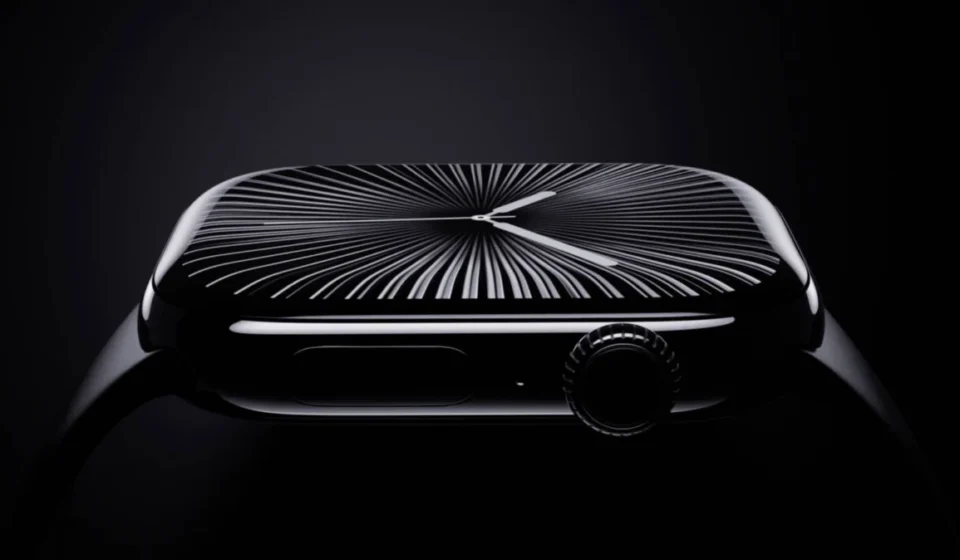
In a significant development for wearable technology enthusiasts, veteran tech analyst Mark Gurman of Bloomberg has indicated that the upcoming generation of Apple Watch models, slated for release later this year, is unlikely to feature a substantial redesign. This projection, shared during a live Q&A session on the Bloomberg website, suggests that Apple is prioritizing iterative improvements over a radical aesthetic overhaul for its highly popular smartwatch. The news comes amidst other Apple-related rumors, including the anticipated return of a full-sized HomePod and a potential staggered release for foldable iPhone models.
Gurman’s commentary, which allows the public to directly engage with his insights on Apple’s product roadmap, has long been a source of credible information regarding the company’s future plans. His assertion regarding the Apple Watch design aligns with a pattern of incremental updates that have characterized the device in recent years, particularly following the introduction of the rugged Apple Watch Ultra in 2022. While the Ultra itself represented a new design direction, subsequent iterations of both the standard Apple Watch and the Ultra have largely maintained their core aesthetics, focusing instead on internal enhancements and feature additions.
The persistent rumors and speculation surrounding a "radical redesign" of the Apple Watch, often referred to by an unofficial "Apple Watch X" moniker in the tech community, have fueled expectations for a significant visual departure. Previous whispers had suggested a complete rethinking of the device’s form factor, potentially incorporating features like a new magnetic band attachment system, a departure from the current mechanism. However, these concepts have, to date, not materialized in any publicly released product. Gurman’s latest assessment suggests that such a sweeping redesign might still be some time away.
A History of Incremental Innovation
The Apple Watch, since its debut in 2015, has undergone a steady evolution. Early models focused on establishing the core functionality of a smartwatch, integrating fitness tracking, notification management, and basic communication features. Subsequent generations gradually refined the design, introduced new materials and finishes, and significantly expanded the sensor suite. The introduction of the ECG app, blood oxygen monitoring, and fall detection marked major leaps in health and safety capabilities, demonstrating Apple’s commitment to leveraging its platform for user well-being.
The Apple Watch Series 9, released in 2023, continued this trend of refinement. It boasted a brighter display, a faster S9 chip enabling on-device Siri processing and a new double-tap gesture for single-handed control, and a range of new case colors. These were welcome improvements, but they did not fundamentally alter the familiar silhouette of the device. The Apple Watch Ultra 2, also launched in 2023, further cemented its position as a premium, adventure-focused variant with enhanced durability and a larger display, but its design language remained consistent with the original Ultra.
The Case for Iteration Over Revolution
From a product development perspective, Apple often employs a strategy of iterative improvement, particularly for established product lines. This approach allows the company to refine existing technologies, optimize manufacturing processes, and gather user feedback before committing to a costly and potentially disruptive redesign. For a device as personal and as integrated into daily life as the Apple Watch, a major design change carries significant risks, including user adoption challenges and the potential for unforeseen engineering hurdles.
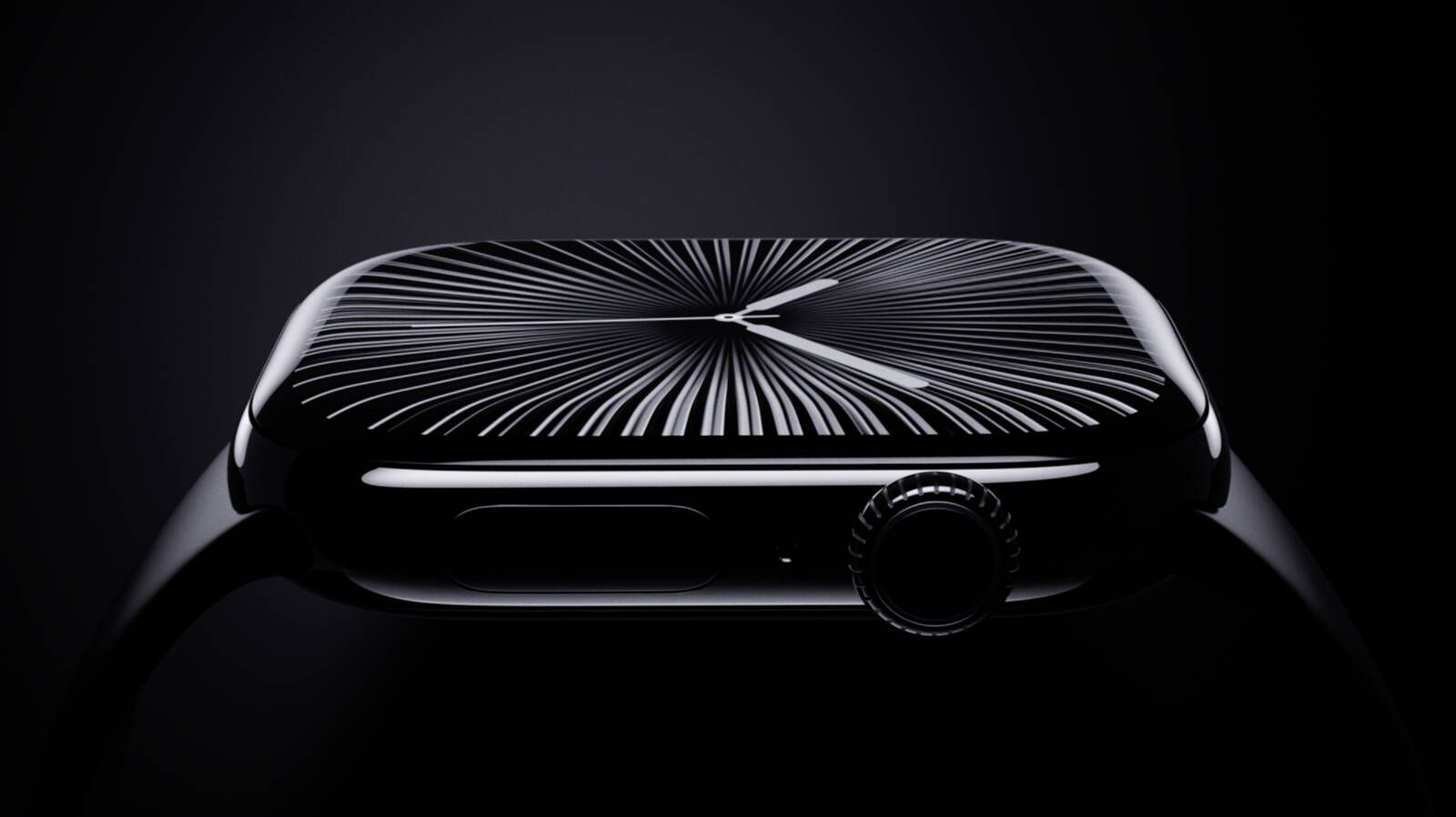
Furthermore, Apple’s focus on expanding the capabilities of the Apple Watch, particularly in the health and wellness space, may take precedence over purely aesthetic updates. The company has consistently invested in research and development to introduce new sensors and health monitoring features. These advancements often require space and integration considerations within the existing form factor, potentially limiting the scope for radical design changes.
Expert Analysis and Future Outlook
Mark Gurman’s insights are particularly valuable given his consistent track record of accurately predicting Apple’s product strategies. His pronouncements are often based on deep dives into supply chain information, internal development schedules, and conversations with individuals familiar with Apple’s inner workings. His latest assessment suggests that the immediate future of the Apple Watch will likely be characterized by advancements in software, sensor technology, and potentially new material options or subtle refinements to the casing and display rather than a complete reimagining of its shape and size.
This perspective is further supported by recent, albeit less definitive, rumors suggesting that a significant overhaul of the Apple Watch design might be deferred. Some reports have pointed towards a potential major redesign arriving as far out as 2028. While such timelines are subject to change, they reinforce the notion that Apple is taking a measured approach to redefining its smartwatch’s physical presence.
User Expectations and Market Dynamics
For consumers, the lack of a major redesign this year might be met with a mixed reaction. While some users appreciate the familiar and proven design of the Apple Watch, others may be eagerly anticipating a fresh look and feel. The smartwatch market is increasingly competitive, with various manufacturers offering diverse designs and feature sets. Apple’s continued reliance on its established aesthetic could be seen as a strength, reinforcing brand recognition and user loyalty, or as a potential vulnerability if competitors introduce more innovative or customizable designs.
The Apple Watch’s success has been built on a combination of elegant design, seamless integration with the Apple ecosystem, and a robust suite of health and fitness features. The company’s strategy appears to be centered on enhancing these core pillars. The absence of a dramatic redesign this year suggests that Apple believes its current design language still resonates with its target audience and that its innovation efforts are better directed towards expanding the device’s functional capabilities.
Broader Implications for Apple’s Product Ecosystem
The confirmation of a continued focus on iterative updates for the Apple Watch also provides context for other anticipated Apple product releases. The mention of a new full-sized HomePod, for instance, indicates a renewed commitment to the smart speaker market, potentially with enhanced audio capabilities or updated smart home integration. Similarly, the suggestion that foldable iPhones may arrive later than other iPhone models this year points to the complexities involved in bringing such a novel form factor to market.
In essence, Gurman’s commentary paints a picture of Apple’s product development strategy for 2026: a year of refinement and enhancement for established product lines like the Apple Watch, alongside the careful introduction of new form factors and product categories. While the absence of a groundbreaking redesign for the Apple Watch might temper some expectations for immediate visual novelty, it underscores Apple’s strategic approach to product evolution, prioritizing functional advancement and user experience within a familiar and trusted design framework. The focus remains on delivering compelling value through innovation that matters, rather than innovation for its own sake.