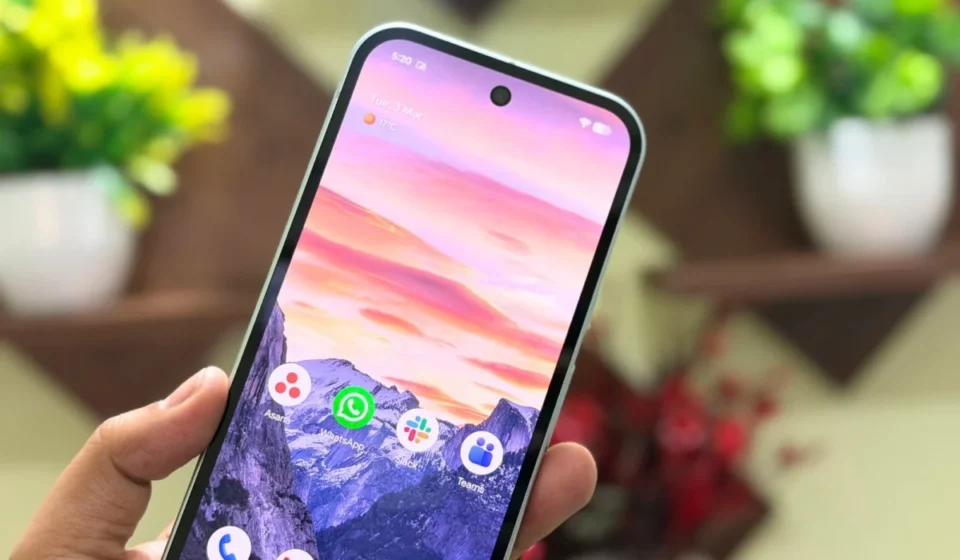
Google Unveils "Priority Charging" Feature for Rapid Power Boosts in Android 17

Google is developing a groundbreaking "Priority Charging" feature set to revolutionize how Android users manage their device power in time-sensitive situations. This innovative functionality, discovered within the code of the upcoming Android 17 beta by Android Authority, aims to significantly increase usable battery life within short charging windows without compromising essential phone operations. The system intelligently redirects power by curtailing background activities, ensuring that critical functions like calls and texts remain uninterrupted while less vital processes are temporarily paused to accelerate battery replenishment. This strategic power allocation marks a departure from traditional fast-charging methods, which often rely on increased wattage and can lead to overheating. Instead, Google’s approach prioritizes efficiency and intelligent power management, optimizing the use of available energy to deliver a rapid, yet safe, power-up. While specific details regarding rollout timing, compatible devices, and the precise gains in battery life are yet to be officially confirmed, the underlying technology suggests a significant leap forward in user-centric battery management.
The Genesis of Priority Charging: A Response to User Needs
The development of Priority Charging appears to be a direct response to the common user frustration with brief charging sessions that yield minimal results. In today’s fast-paced world, users frequently find themselves needing a quick power boost before heading out for work, meetings, or social engagements. Traditional charging methods, even with fast-charging capabilities, can sometimes feel insufficient for these urgent top-ups. The existing battery saver and adaptive charging features, while beneficial for long-term battery health, are not designed for immediate, high-impact charging needs.
The discovery in the Android 17 beta code, specifically beta 3, provides the first tangible evidence of Google’s commitment to addressing this gap. The investigative work by Android Authority highlights the core mechanism: a deliberate throttling of background processes. This is not about disabling essential services, but rather about pausing or reducing the intensity of non-critical tasks that consume power in the background. This intelligent reallocation ensures that a larger portion of the incoming electrical current is directed towards the battery itself, maximizing the charging efficiency during the limited time the device is plugged in.
The implications of this feature are far-reaching. It signals a shift in Google’s strategy, moving beyond simply increasing charging speeds to a more nuanced approach that considers the overall system performance and thermal management. By minimizing background activity, the feature also implicitly addresses concerns about battery degradation and overheating, two significant limiting factors in the pursuit of ever-faster charging speeds. The expectation is that this method will allow for more consistent and predictable charging results across a wider range of chargers and environmental conditions, as it relies on smart software management rather than solely on hardware capabilities.
Technical Underpinnings: A Smarter Power Distribution Model
At its heart, Priority Charging represents a sophisticated recalibration of power distribution within an Android device during the charging cycle. Instead of a blanket increase in charging wattage, which can generate substantial heat and stress battery components, Google’s solution focuses on optimizing the existing power input. By dynamically identifying and reducing the power demands of non-essential background applications and system processes, the feature creates a more direct pathway for energy to reach the battery.

This approach is fundamentally different from conventional fast charging. While fast charging often relies on higher voltage and amperage, which necessitates robust thermal management systems and can lead to accelerated battery wear over time, Priority Charging aims for efficiency. It leverages the device’s processing power and battery management software to make smarter decisions about where power is being utilized. Think of it as diverting a portion of the electricity that would normally be used to run background syncs, app updates, or other less critical operations, and instead channeling it directly into charging the battery.
The references found in the Android 17 beta code specifically point towards short, high-impact charging sessions as the primary use case. This suggests that the feature is designed to deliver a noticeable and impactful charge in a matter of minutes, rather than hours. While the beta code may perform best with higher wattage chargers, the exact specifications and requirements for optimal performance are not yet defined. This leaves room for speculation on whether the feature will be universally effective with all chargers or if it will benefit most from the latest USB Power Delivery (USB PD) or proprietary fast-charging standards.
However, several key questions remain unanswered. The aggressiveness with which apps will be limited is a crucial detail. Will users have the option to customize which applications are exempt from this throttling, or will it be an all-or-nothing approach? Furthermore, the degree of user control over the feature is another area of significant interest. Will it be an automatic mode that kicks in under certain conditions, or will users be able to manually activate it when they anticipate needing a quick charge? The answers to these questions will significantly influence the practical usability and user satisfaction with Priority Charging.
The Significance for Everyday Android Users
The introduction of Priority Charging holds considerable promise for enhancing the daily user experience with Android devices. The perennial challenge of the "low battery" anxiety, particularly when time is scarce, could be significantly mitigated. Short charging sessions, often perceived as ineffective, could become genuinely productive. A few minutes plugged into a power source might translate into a substantial enough charge to comfortably get through the next few hours, avoiding the need to constantly search for an outlet or carry a bulky power bank.
This feature also reflects a broader trend in the evolution of smartphone technology: a move towards more intelligent and adaptive system management. Rather than simply pushing the boundaries of raw charging speed, which can come with inherent drawbacks, manufacturers are increasingly focusing on optimizing software to work in harmony with hardware. This holistic approach promises more consistent results, regardless of the charger used or the ambient temperature. It moves away from a one-size-fits-all solution towards a more tailored and efficient charging experience.
However, the inherent tradeoff needs careful consideration. The temporary suspension of background tasks means that certain operations might be delayed. For instance, app updates might not download, cloud syncing could be paused, and background data refresh rates might be reduced. In time-sensitive situations, this compromise is likely to be acceptable, even beneficial. The question is how seamlessly this will be executed. A jarring interruption of essential background processes could be frustrating, even if it leads to a faster charge. The user experience needs to feel smooth and intuitive for the feature to be truly successful.

Compared to existing battery saver modes, which typically aim to extend battery life by reducing overall performance and disabling non-essential features for prolonged periods, Priority Charging is designed for a different purpose. It is a situational tool built for urgency, not for long-term battery health management in the same vein as adaptive charging. While adaptive charging aims to slow down the charging process overnight to prolong battery lifespan, Priority Charging is about getting the most power into the battery in the shortest possible time. This distinction is critical for understanding its intended role in the Android ecosystem.
Looking Ahead: Unanswered Questions and Future Potential
As the feature is currently buried deep within the early builds of Android 17, its official release timeline remains elusive. Google has yet to provide any concrete information regarding its availability or which devices will be the first to benefit from this new functionality. However, it is reasonable to infer that hardware capabilities will play a significant role in its initial rollout. Devices with advanced charging circuitry and robust thermal management systems are more likely to support and benefit from Priority Charging. This suggests that newer Pixel devices, with Google’s direct involvement in both hardware and software, might be among the first to receive this feature.
The precise performance expectations are still undefined. While the goal is a significant boost in usable battery life within a short window, the exact percentage increase or the amount of time it can add to a device’s operational capacity remains to be seen. Real-world testing will be crucial in determining the actual effectiveness of this feature.
The question of user control is another critical detail that will shape the future of Priority Charging. Will it be an entirely automated system, intelligently detecting when a rapid charge is needed based on user behavior and charging patterns? Or will users have the option to manually toggle the feature on and off, perhaps through a quick setting or a dedicated menu option? The latter would provide greater flexibility and allow users to make informed decisions about when to prioritize speed over background activity.
If Priority Charging is rolled out widely and implemented effectively, it could fundamentally change how users interact with their smartphones on a daily basis. The fear of a dead battery could become a relic of the past, replaced by the confidence that even a few minutes of charging can provide a significant and usable power boost. This innovation, born from the desire to address a common user pain point, has the potential to redefine convenience and empower Android users with greater control over their device’s battery life in critical moments. The coming months, as Android 17 progresses through its beta stages and approaches its official release, will undoubtedly bring more clarity to this promising new feature.