Regional Identity Meets Global Pop Culture as Sana 2026 Showcases Northeast Brazilian Artistic Reimagining in Fortaleza

The city of Fortaleza, Ceará, recently hosted the latest edition of Sana, the largest pop culture festival in Northern and Northeastern Brazil, drawing massive crowds to the Ceará Events Center. While the festival featured international guests, gaming tournaments, and cosplay competitions, the focal point for many attendees was the Artists’ Alley. This dedicated section became a hub of cultural synthesis, where local illustrators, writers, and artisans presented a unique genre of "glocal" art: the reimagining of global pop culture icons through the specific lens of Northeastern Brazilian heritage. Throughout the three-day event, thousands of visitors engaged with works that blended Hollywood franchises and Japanese anime with traditional elements such as cordel literature, xilogravura (woodcut) aesthetics, and the historical iconography of the Cangaço.
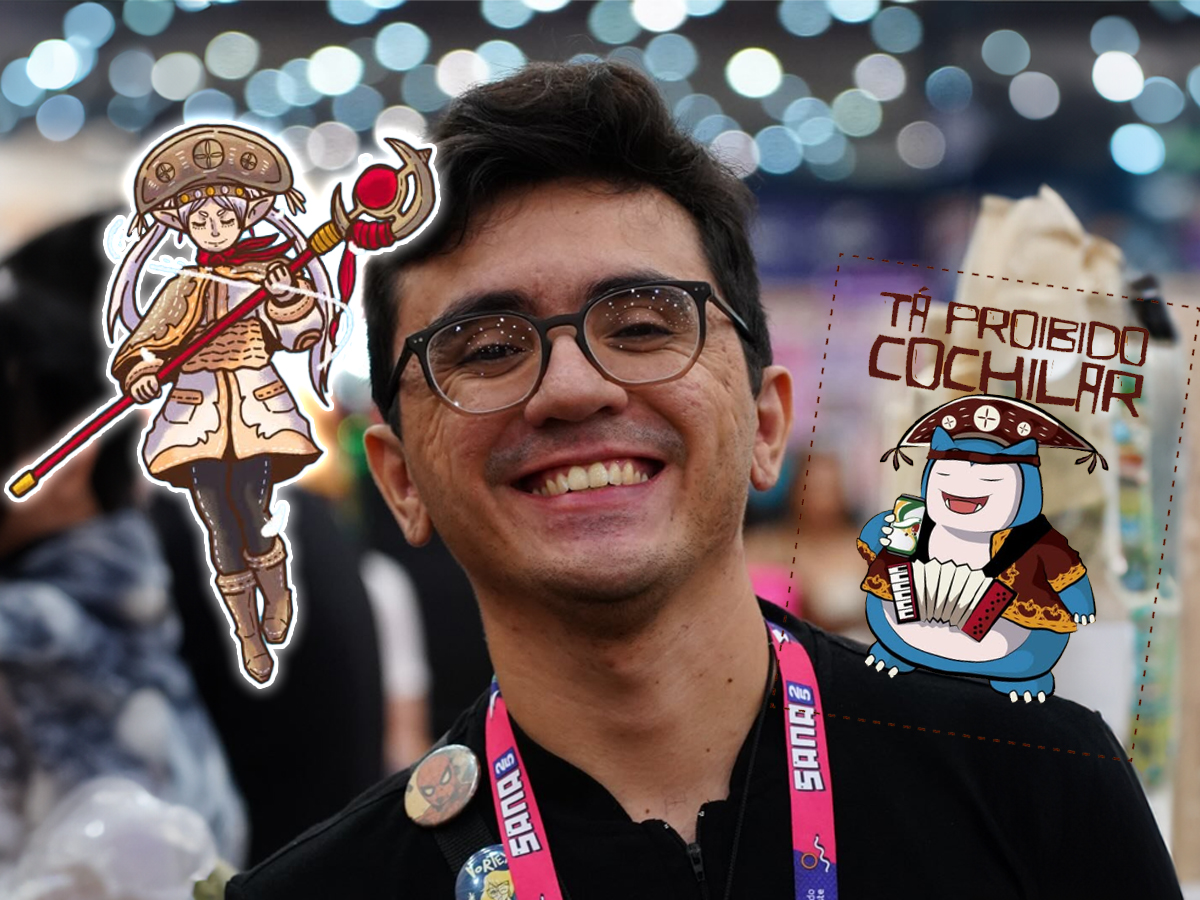
The Cultural Synthesis of the Artists’ Alley
The success of the Artists’ Alley at Sana 2026 reflects a growing trend in the Brazilian creative economy where local creators reclaim global intellectual properties by infusing them with regional identity. This movement serves two purposes: it makes global narratives more relatable to the local populace and introduces traditional Brazilian art forms to a younger, tech-savvy generation. Observers noted that the most sought-after pieces were those that utilized humor and "local logic" to bridge the gap between fiction and reality.
Among the standout contributors was the artist Marina V, whose booth featured a sophisticated blend of Star Wars lore and the traditional "fotopintura" (painted portrait). This technique, which involves hand-coloring and retouching black-and-white photographs, was a staple of mid-20th-century Northeastern Brazilian households, particularly in rural areas where professional color photography was inaccessible. By presenting "Seu Vadim" (Darth Vader) and "Dona Leia" (Princess Leia) in this vintage, dignified format, the artist tapped into a deep well of regional nostalgia.

Furthermore, Marina V’s adaptation of Philip K. Dick’s Blade Runner into the "cordel" format—a traditional form of rhymed folk literature—demonstrates the versatility of Northeastern storytelling. Traditionally sold at fairs and hung from strings (cordas, hence the name), cordel literature often focuses on heroism, morality, and social struggle, themes that align seamlessly with the dystopian narrative of Rick Deckard.
The Phenomenon of Patrick Lima and the Cordel Revival
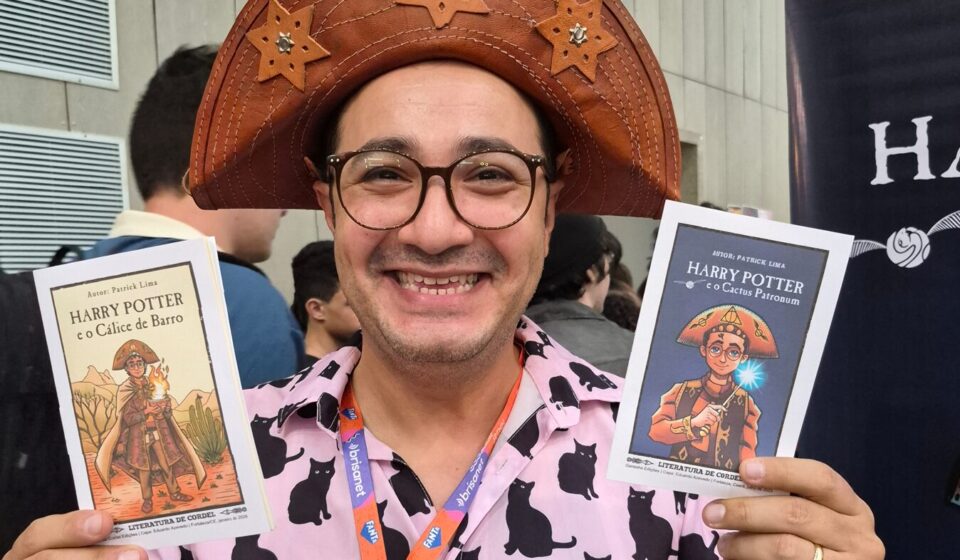
One of the most significant commercial successes of the event was the work of Patrick Lima. His flagship publication, Harry Potter e o Cactus Patronum, has become a literary phenomenon within the independent circuit. Since its debut in 2023, the work has sold over 10,000 copies, a remarkable figure for self-published regional literature. Lima’s presence at major literary events, including the National Book Biennial, underscores the mainstream potential of this cultural hybridity.

The "Cactus Patronum" narrative replaces the traditional stag of the original series with a cactus, a symbol of resilience in the semi-arid Sertão region. This adaptation extends beyond literature; Lima’s brand has expanded into eco-friendly bags, pins, and stickers, illustrating a robust business model built on the intersection of fandom and regional pride. The artist’s ability to translate the complex wizarding world into the rhythmic meter of cordel has been cited by educators as a valuable tool for promoting literacy and interest in regional folklore among students.
Felipe Arrais and the "Northeast-ification" of Gaming and Animation
Illustrator Felipe Arrais emerged as one of the most prolific exhibitors at Sana 2026, utilizing a sharp sense of local humor to deconstruct iconic characters. His work often places supernatural or high-fantasy figures in mundane or historically significant Northeastern settings.

- The Sanfoneiro of the Night: In a nod to Konami’s Castlevania: Symphony of the Night, Arrais reimagined the protagonist Alucard not as a vampire hunter in a Gothic castle, but as a "Sanfoneiro" (accordion player). The piece, titled "What is a Sanfoneiro?", plays on the famous "What is a man?" monologue from the game, grounding the character in the musical traditions of Forró.
- Snoopy in the Cangaço: The artist depicted Charles Schulz’s Snoopy as a member of the Cangaço, the social banditry movement of the early 20th century. Mounted on a donkey (burrico) rather than his usual doghouse, the character wears the traditional leather hat associated with Lampião. The absence of Woodstock in the piece was jokingly attributed to the bird’s fear of the "Carcará," a predatory bird of prey common in the region.
- The Quixadá Portal: Referencing the Netflix series Stranger Things, Arrais posed the question: "What if the Upside Down opened in the middle of Quixadá?" Quixadá, a city in Ceará famous for its unique monolithic rock formations and a history of reported UFO sightings, provided a perfect, eerie backdrop for the show’s supernatural themes.
- Sporting Rivalries and Psyduck: Arrais also tapped into the region’s passion for football. He depicted the Pokémon Psyduck suffering from various "headaches" caused by the fluctuating fortunes of Ceará’s major football clubs: Fortaleza Esporte Clube, Ferroviário Atlético Clube, and Ceará Sporting Club. This localization of Pokémon traits into the context of the "Clássico-Rei" (the local derby) resonated strongly with the local fan base.
Broader Economic and Social Implications
The Sana event is more than a gathering for enthusiasts; it is a vital engine for the regional economy. According to data from previous years and preliminary estimates for 2026, the festival generates millions of Reais in direct and indirect revenue for the city of Fortaleza. The hospitality sector, local transport, and the "geek" retail market all see significant spikes during the event weeks.
The "Artists’ Alley" specifically serves as an incubator for small creative businesses. By providing a platform for artists to sell directly to consumers, Sana bypasses traditional gatekeepers in the publishing and art worlds. The success of artists like Patrick Lima and Felipe Arrais indicates a shift in consumer behavior, where "authentic" and "localized" content is increasingly valued over generic, mass-produced merchandise.

From a sociological perspective, this trend represents a "cultural re-appropriation." For decades, Northeastern Brazil was often portrayed in national media through stereotypes of poverty or hardship. By placing these regional symbols—the cactus, the cordel, the leather hat—alongside global powerhouses like Star Wars and Pokémon, local artists are asserting the dignity and modern relevance of their heritage. It is a declaration that Northeastern culture is not a relic of the past, but a living, breathing entity capable of interacting with the most contemporary global trends.
Chronology and Future Outlook
Sana has evolved significantly since its inception in the early 2000s. Originally a small gathering of anime fans, it has transformed into a biannual multi-day extravaganza. The 2026 calendar is divided into two parts to accommodate the growing demand and the sheer volume of content.

- Sana 2026 – Part 1 (January/February): Focused on the summer season, featuring the Artists’ Alley highlights and initial international guest appearances.
- Sana 2026 – Part 2 (July): Scheduled for the winter school holidays, this edition typically sees a higher influx of tourists from other states. Tickets for the July event are already on sale, with organizers expecting record-breaking attendance figures.
The continued growth of the event suggests that the appetite for pop culture in the Northeast shows no signs of waning. However, the true legacy of Sana 2026 may be the professionalization of the local artist community. Many exhibitors now use the event as a springboard for international careers, with several Brazilian illustrators having already moved from the Sana aisles to working for major American comic book publishers like Marvel and DC.
Official Responses and Participant Feedback
While official attendance figures for the first part of 2026 are still being finalized, organizers have expressed satisfaction with the "unprecedented engagement" in the artistic sectors. In informal statements, representatives of the event noted that the diversity of the artwork—specifically the regionalized pieces—was a major factor in the high foot traffic within the Artists’ Alley.

Visitors interviewed at the event echoed this sentiment. Many highlighted that while they came to see international celebrities, they stayed to explore the booths of local creators. "Seeing Harry Potter in a cordel booklet makes the story feel like it belongs to us," noted one attendee. "It’s a way of saying that our stories and our ways of drawing are just as important as the ones coming out of Hollywood."
As the festival prepares for its July installment, the focus remains on expanding the reach of local talent. The integration of regional identity into global pop culture is no longer just a niche artistic choice; it is a defining characteristic of the Northeast’s contribution to the global creative landscape. Sana 2026 has proven that when the "Symphony of the Night" meets the "Symphony of the Sanfona," the result is a cultural harmony that resonates far beyond the borders of Ceará.