A New Wear OS Transit Alarm Uses GPS and Wrist Alerts, So You Can Nap Without Missing Your Stop

Long commutes, often characterized by the monotonous rhythm of public transportation, can easily lull even the most diligent traveler into a deep slumber. This state of drowsiness becomes particularly problematic when unexpected delays or crucial transfers disrupt the carefully calculated timing of a journey. In response to this pervasive commuting challenge, a new Android smartwatch application, aptly named Sleep&Arrive, has emerged, offering a sophisticated solution that leverages GPS technology and discreet wrist-based alerts to ensure passengers never miss their intended stop. The app is now available on Google Play, promising a more reliable and less stressful commute for its users.

The core innovation of Sleep&Arrive lies in its departure from traditional, time-based alarms. Instead of relying on a fixed schedule that can easily be rendered obsolete by transit disruptions, the app utilizes the smartwatch’s GPS capabilities to monitor the user’s location in real-time. This location-aware approach allows the alarm to be triggered precisely as the wearer approaches their destination, eliminating the anxiety of oversleeping or the inconvenience of waking up far too early. This adaptive alarm system is particularly beneficial for public transit users, where arrival times can fluctuate significantly due to traffic, service changes, or unforeseen incidents.
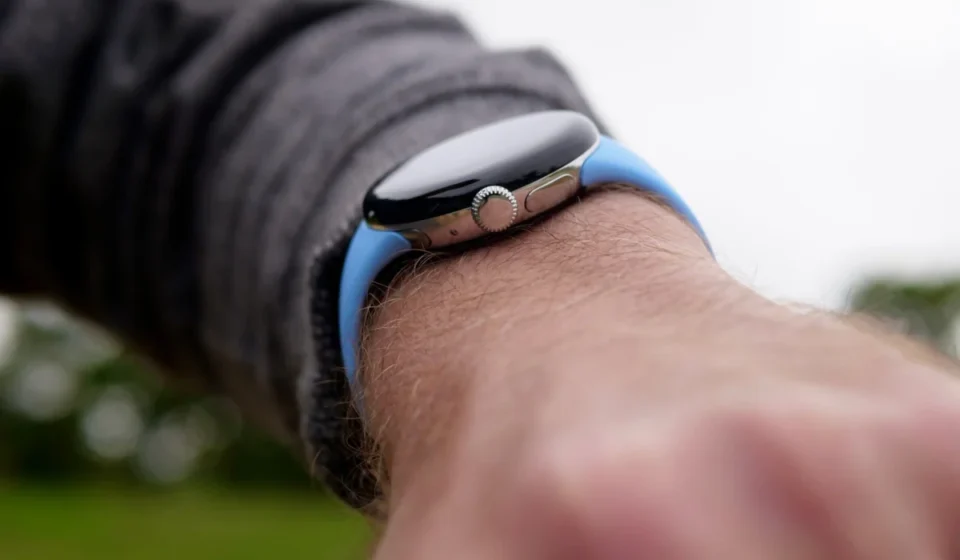
The integration with Wear OS is a significant feature, enabling the wake-up notification to manifest as a subtle vibration on the user’s wrist. This discreet alert system is a considerable improvement over the jarring sound of a phone alarm, which can disrupt the peace of crowded trains or buses. This unobtrusive notification method is designed to gently rouse the user without disturbing fellow passengers, enhancing the overall travel experience for everyone.

Sleep&Arrive operates on a freemium model. The basic functionalities, including trip tracking, alarm setting, and smartwatch synchronization, are available free of charge. For users seeking enhanced features, a paid subscription unlocks advanced capabilities such as offline maps, spoken weather updates, and more robust alarm shutoff options tailored for individuals who are particularly deep sleepers. This tiered approach allows commuters to sample the core benefits before committing to a premium experience.
Designed for the Unpredictable Commute
The primary advantage of Sleep&Arrive is the granular control it offers users over their commute experience. The app allows for the establishment of a customizable wake-up radius around the designated stop. This feature empowers commuters to tailor the alert proximity to their specific needs. For instance, a shorter bus ride might benefit from a tighter radius, ensuring a prompt notification as the bus nears the stop, while a longer train journey could utilize a more generous radius, providing ample time to prepare for disembarkation without the risk of missing the stop. This flexibility acknowledges the diverse nature of daily commutes and the varying preferences of travelers.

Beyond simple location-based alerts, Sleep&Arrive incorporates several intelligent features to manage complex transit scenarios. The app can adeptly follow routes that involve transfers, sending alerts through connected Bluetooth headphones as well as the smartwatch. This multi-modal alert system ensures that notifications are received through preferred channels. Furthermore, the app is designed to seamlessly hand off the wake-up function to a Wear OS watch, leveraging its strong haptic feedback for a more immediate and noticeable alert. As a fail-safe mechanism, if the smartwatch fails to elicit a response, the paired smartphone can still intervene as a backup, providing an additional layer of reliability.
Smart Features, Acknowledged Limitations
Sleep&Arrive distinguishes itself with built-in safety features that bolster the core functionality. The app can provide warnings if the user begins moving away from their intended destination, offering a chance to correct course. It also endeavors to estimate progress even in the event of GPS signal loss, a common occurrence in underground transit systems. Additionally, the app can trigger an early alert if the battery level on either the phone or watch drops critically low during a trip, preventing a dead battery from leading to a missed stop. A significant privacy consideration highlighted by the developer is that all location data is processed and stored directly on the device, rather than being uploaded to external servers, addressing growing concerns about data privacy in the digital age.

Despite its sophisticated design, the app’s developers are transparent about its inherent limitations. The app listing explicitly warns users that GPS accuracy can be affected by environmental factors, and Android’s background process restrictions can sometimes interfere with app performance unless users manually adjust system settings. Therefore, Sleep&Arrive is best viewed as a powerful supplementary tool rather than an infallible guarantee. It functions as a robust backup system, designed to significantly reduce the likelihood of missing a stop, but it does not eliminate the need for a degree of user awareness.
Future Prospects and Broader Implications
The true test of Sleep&Arrive’s efficacy will lie in its consistent performance during daily use, where factors such as battery drain and background app limitations can often be the undoing of otherwise promising applications. The developer has indicated that integration with Spotify is planned for a future update, which could further enhance the user experience by allowing for music playback control or personalized audio cues. The app’s initial launch with broader language support aims to broaden its appeal beyond a niche Wear OS user base and reach a more global audience of commuters.

For individuals who frequently find themselves nodding off on buses or trains, the free tier of Sleep&Arrive presents a compelling opportunity to trial a genuinely useful solution to a common problem. The app’s success will ultimately hinge on its ability to evolve from a clever concept into a dependable tool that commuters can trust to navigate their daily journeys with greater ease and less anxiety.
The development of Sleep&Arrive reflects a growing trend in the wearable technology sector: the creation of highly specialized applications that address specific, everyday challenges. As smartwatches become more ubiquitous and their capabilities expand, we can anticipate the emergence of more innovative tools designed to enhance productivity, safety, and convenience in various aspects of daily life. The ability of these devices to interact with their environment and provide context-aware assistance is paving the way for a more integrated and personalized technological experience. The success of applications like Sleep&Arrive could set a precedent for future developments in the Wear OS ecosystem and beyond, pushing the boundaries of what wearable technology can achieve. The long-term impact of such innovations will be measured not only in their technical sophistication but also in their tangible contribution to improving the quality of life for their users, particularly for the millions who rely on public transportation for their daily commutes.