Apple Celebrates 50 Years: Tim Cook Reflects on Innovation, Iconic Products, and the Future of Technology

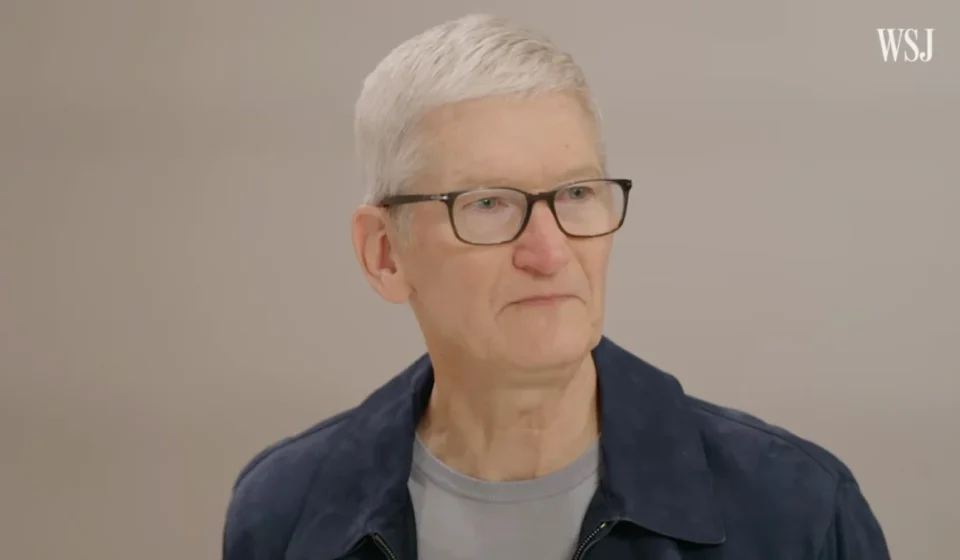
CUPERTINO, CA – April 1, 2026 – Apple Inc. today marked its monumental 50th anniversary, a milestone punctuated by reflections on its transformative journey from a garage startup to a global technology titan. As part of the multifaceted celebration, Apple CEO Tim Cook granted an exclusive interview to The Wall Street Journal at the company’s iconic Apple Park headquarters. During the discussion, Cook delved into the company’s rich history, revealing seldom-seen archival materials and offering insights into his personal favorite moments and his vision for Apple’s future.
The anniversary festivities, which have spanned the month, culminated in a special address by Cook and a candid conversation with WSJ reporter Ben Cohen. The interview provided a rare glimpse into the foundational elements that have shaped Apple’s enduring legacy, with Cook himself admitting to encountering some artifacts for the first time while preparing for the significant anniversary. This introspection underscores the depth of Apple’s archives and the continuous evolution of its narrative.
A Journey Through Apple’s Past: Unearthing Archival Treasures
During the meeting at Apple Park, Cook and Cohen were presented with a curated selection of Apple’s most significant historical documents and prototypes. These items represented pivotal moments in the company’s trajectory, illustrating the leaps in innovation that have defined its existence. Among the most compelling exhibits were:
- The First Apple Patent: A document detailing the initial patent filing for the Apple II computer, a groundbreaking machine that brought personal computing to homes and educational institutions, effectively democratizing technology. This patent signifies the very inception of Apple’s legal and technological identity.
- The Original 2001 iPod: The iconic first-generation iPod, which revolutionized the portable music industry and paved the way for Apple’s dominance in consumer electronics. Its sleek design and revolutionary "click wheel" interface transformed how people interacted with their music libraries.
- Early iPhone Components and Prototypes: Tangible evidence of the immense research and development that led to the creation of the iPhone. These early iterations showcase the iterative design process and the meticulous engineering required to bring a product that would redefine communication and mobile computing to fruition.
- The Apple Watch from its Debut: The very Apple Watch that Cook wore on stage during the device’s announcement, a personal artifact symbolizing a significant expansion of Apple’s product ecosystem into wearables. This item represents Apple’s commitment to extending its integrated approach into new categories of personal technology.
Cook’s engagement with these historical items highlighted a deep appreciation for the company’s roots. His observation that many of these artifacts were new to him even as CEO speaks to the sheer volume of innovation and the constant forward momentum that has characterized Apple’s fifty-year run. The archival display served not just as a historical record but as a testament to the relentless pursuit of groundbreaking ideas that has been a hallmark of the company since its inception.
The iPhone: A Defining Moment in Apple’s History
When asked to pinpoint his most cherished moment at Apple, Tim Cook unequivocally identified the launch of the iPhone. His reasoning was deeply rooted in the product’s universal utility and its transformative impact on daily life. Cook elaborated on the context surrounding the iPhone’s development, recalling the prevalent dissatisfaction with the smartphones of that era.
"We were using that generation’s smart phone, and it was such an awful experience," Cook stated. "And I love the fact that all of a sudden you had this touch interface, and it worked like your mind worked." This sentiment encapsulates the core philosophy behind the iPhone’s design: intuitive interaction and a seamless user experience. The iPhone was not merely a new product; it was a paradigm shift, fundamentally altering how individuals communicate, access information, and engage with the digital world. Its success, measured in billions of units sold and its pervasive influence on the mobile industry, solidified its place as Apple’s most impactful innovation. The iPhone’s introduction in 2007 marked a pivotal moment, not only for Apple but for the entire technology landscape, ushering in the era of the modern smartphone.
Charting the Future: The Intersection of Hardware, Software, and Services
While Cook remained characteristically tight-lipped about specific future product announcements, he offered a strategic vision for Apple’s continued innovation. He suggested that the company’s next significant breakthrough would emerge from the confluence of its core competencies: hardware, software, and services. This interconnected ecosystem approach has been a cornerstone of Apple’s success, creating a seamless user experience across its diverse product lines.
"My answer to that is when the day comes, I’ll know it," Cook responded when pressed about potential retirement plans, maintaining a focus on his current leadership role and the company’s ongoing mission. This declaration suggests a commitment to guiding Apple through its next chapter of growth and innovation, reinforcing the company’s long-term strategic outlook. The emphasis on the intersection of hardware, software, and services is a clear indicator that Apple will continue to leverage its integrated platform to deliver unique and compelling user experiences. This strategy has proven to be a significant competitive advantage, allowing Apple to differentiate itself in a crowded market by offering a holistic and user-centric approach to technology. The company’s ability to tightly integrate these three elements has historically led to products that are not only functional but also highly desirable, driving customer loyalty and market leadership.
A Legacy of Inspiration: Steve Jobs’ Enduring Influence
The 50th-anniversary celebrations were steeped in the spirit of Apple’s co-founder, Steve Jobs. In a heartfelt letter to employees, disseminated widely on the anniversary day, Cook shared powerful words from Jobs, emphasizing the potential for individuals to shape their reality and influence the world.
"When you grow up, you tend to get told that the world is the way it is," Jobs’ quote read. "But life can be much broader once you discover one simple fact: everything around you that you call life was made up by people that were no smarter than you. You can change it, you can influence it, you can build your own things that other people can use. Once you learn that, you’ll never be the same again."
This ethos, Jobs’ profound belief in human potential and the power of creation, has been the guiding principle for Apple since its founding in 1976. It is this very spirit that has attracted a diverse and exceptionally talented workforce to the company over the decades. Apple’s culture, as described by Cook, fosters curiosity, deep collaboration, and a relentless pursuit of excellence, encouraging employees to believe in their capacity to achieve the impossible.
Building the Future, Together
Cook’s letter underscored the collective effort that has driven Apple’s success, a stark contrast to its humble beginnings. "Fifty years ago, there was a single computer prototype in a garage. Today, there are 2.5 billion active Apple devices in the hands of people in every corner of the earth – helping them create, communicate, learn and connect in ways that would have seemed unimaginable then," he stated. This remarkable growth highlights the profound impact Apple has had on global society, empowering individuals and enriching lives through its technology. The sheer scale of active devices underscores Apple’s pervasive influence and its role in shaping modern communication and interaction.
The letter concluded with a forward-looking perspective, expressing immense excitement for the opportunities that lie ahead. Cook reiterated his confidence in the Apple team’s ability to meet these future challenges and to continue pushing the boundaries of innovation. "As extraordinary as it is to reflect on the past fifty years, what excites me most is what comes next. The opportunities ahead of us are among the greatest we have ever seen – and there’s no team in the world better positioned to meet them," he wrote. This sentiment sets an optimistic tone for Apple’s next half-century, emphasizing a commitment to continued progress and a belief in the company’s enduring capacity to innovate.
A Month of Celebration and Reflection
The 50th-anniversary period has been marked by a series of events designed to honor Apple’s legacy and its global community. Prior to the interview and employee address, the company organized various concerts and events worldwide, engaging employees and fostering a sense of shared history and accomplishment. These celebrations served to acknowledge the contributions of every individual who has been a part of Apple’s journey, from its earliest pioneers to its current workforce.
The anniversary serves as a powerful reminder of Apple’s transformative impact on the technology industry and on society at large. From the personal computer revolution to the mobile era and the burgeoning field of wearables and services, Apple has consistently redefined technological possibilities. As the company looks towards its next fifty years, the foundational principles of innovation, user-centric design, and a belief in the power of human ingenuity remain at its core, promising a future as dynamic and influential as its past. The sustained success of Apple, despite shifts in leadership and technological landscapes, points to a robust corporate culture and a strategic vision that anticipates and often shapes future trends, ensuring its continued relevance and leadership in the years to come.