Free Fire World Series (FFWS) LATAM 2026 EWC Qualifier is set to kick off in April

The LATAM qualifier is a testament to the escalating stakes within Free Fire esports. As one of the primary qualification pathways to the EWC 2026, this event elevates the competitive intensity, transforming regional dominance into a direct avenue for global recognition. Teams will be vying for more than just monetary rewards; the opportunity to represent their region on the international stage at the EWC in Saudi Arabia provides an unparalleled incentive, promising increased visibility, potential sponsorships, and a chance to etch their names into Free Fire history. Garena’s strategic integration of regional qualifiers into the broader FFWS and EWC circuits demonstrates a clear vision for a meritocratic system that allows top-tier talent from across the globe to compete at the highest level.
Tournament Structure and Marathon Schedule
The FFWS LATAM 2026 EWC Qualifier is structured as a comprehensive, multi-stage event designed to rigorously test the skill, consistency, and strategic prowess of the participating teams. Spanning over two months, the tournament is set to commence in the first week of April and will culminate with the Grand Finals on June 13th, 2026. This extended format ensures that only the most adaptable and resilient teams will progress through the various phases.
The initial phase, known as the Regular Stage, will run from April 4th to May 24th, 2026. This marathon stage will feature 18 teams competing across eight weeks, engaging in a total of 96 matches. The sheer volume of games during this period emphasizes the importance of sustained performance and strategic evolution, as teams will need to consistently adapt to meta changes and opponent strategies. From this extensive pool, only the top four teams will earn direct berths into the Grand Finals, highlighting the demanding nature of this preliminary phase. The Regular Stage serves as the foundation, allowing teams to build momentum, refine their tactics, and demonstrate their consistency over an extended period.
Following the Regular Stage, the tournament transitions into the Playoffs, scheduled for May 30th. This stage will see 12 teams, presumably those ranked from 5th to 16th in the Regular Stage, battle it out in a more condensed format. These 12 teams will participate in six intense matches, where every kill and every placement point will be critical. The pressure will be immense, as only the top four teams from the Playoffs will secure additional spots in the Grand Finals. The remaining eight teams from this stage will not be eliminated entirely but will instead be relegated to the Repechage Stage, offering them a final lifeline.
The Repechage Stage provides a second chance for the teams that narrowly missed direct qualification. Featuring the 12 teams that did not advance from the Playoffs, this stage is a crucible of desperation and determination. Teams will once again compete fiercely, understanding that this is their last opportunity to keep their EWC dreams alive. From the Repechage, another four teams will emerge victorious, completing the lineup for the ultimate showdown. This multi-layered qualification system, incorporating direct progression and a second-chance bracket, is characteristic of major esports tournaments, ensuring that competitive integrity is maintained and giving deserving teams multiple pathways to the finals.
The culmination of this arduous journey will be the Grand Finals, where the toughest 12 teams—four from the Regular Stage, four from the Playoffs, and four from the Repechage—will converge. This final stage will employ the "Champion Rush" format, a dynamic and often unpredictable system designed to maximize excitement and strategic depth. In this format, teams accrue points not just from placements but also significantly from eliminations, encouraging aggressive gameplay and constant engagement. The team that accumulates the highest total points by the end of the Grand Finals will be crowned the champion, securing the most coveted prizes.
Prize Pool and EWC 2026 Qualification
While the exact total prize pool amount remains undisclosed, the structure of the rewards clearly delineates the profound value placed on EWC 2026 qualification. The tournament features 18 participating teams, all aiming for a share of the financial incentives and, more importantly, the opportunity to advance to the global stage. The prize distribution reflects a clear hierarchy of achievement, with significant rewards reserved for the top performers:
- The Champion: Secures a direct slot in the EWC 2026 and a cash prize of $30,000. This dual reward underscores the paramount importance of global qualification.
- Runner-up: Also earns a direct slot in the EWC 2026, coupled with a $12,000 cash prize. The inclusion of two EWC slots highlights the strength and competitive depth of the LATAM region within Free Fire esports.
- 3rd Place: Receives $6,000.
- 4th Place: Receives $4,000.
- 5th-6th Place: Each team receives $3,000.
- 7th-8th Place: Each team receives $2,000.
- 9th Place: Receives $1,800.
- 10th Place: Receives $1,500.
- 11th-12th Place: Each team receives $800.
The emphasis on EWC slots for the top two teams demonstrates Garena’s strategy to integrate regional circuits directly into the global Free Fire esports narrative. The Esports World Cup, a major international multi-title esports event, offers an unparalleled platform for Free Fire teams to showcase their skills against the best worldwide, attracting global viewership and significant prestige. For players, securing an EWC slot is often a career-defining achievement, opening doors to greater professional opportunities and fan engagement.
Participating Teams and Qualification Pathways
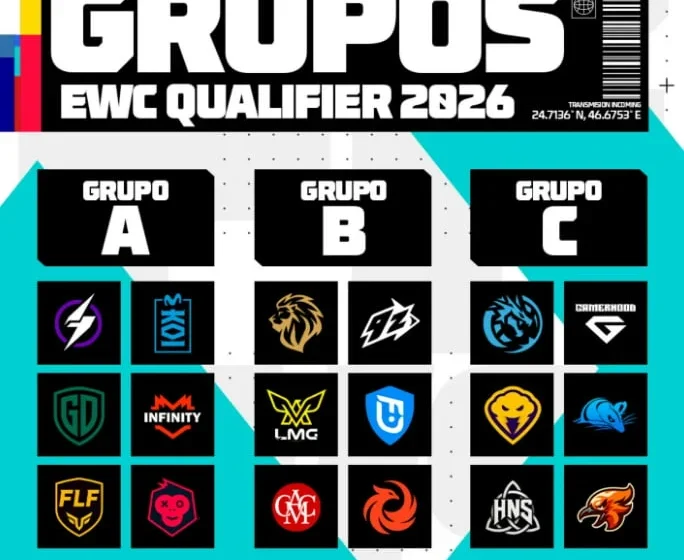
The 18 teams competing in the FFWS LATAM 2026 EWC Qualifier represent a mix of established powerhouses and rising contenders. A portion of these teams have earned their berths through their performance in the preceding 2025 season, signifying their consistent excellence and existing competitive pedigree. The remaining slots are filled by teams that have successfully navigated the rigorous Promotion Series, a crucial feeder system designed to identify and elevate new talent from the grassroots level. While specific team names are not provided at this time, this dual qualification pathway ensures a dynamic and competitive field, blending veteran experience with fresh strategic approaches.

The Promotion Series is vital for the long-term health of any esports ecosystem. It provides an accessible route for aspiring professional players and nascent organizations to break into the top tier, fostering a constant influx of new strategies and talents. This mechanism ensures that the professional league remains vibrant and that the competitive landscape is continually refreshed, preventing stagnation and rewarding dedication at all levels of play.
Garena’s Vision and LATAM’s Esports Growth
Garena’s consistent investment in Free Fire esports, particularly through initiatives like the FFWS and regional qualifiers, underscores its strategic vision for the game. Free Fire boasts a massive global player base, particularly strong in Southeast Asia, India, and Latin America. In LATAM, Free Fire has transcended mere gaming to become a significant cultural phenomenon, deeply embedded in youth culture across countries like Brazil, Mexico, Argentina, and Colombia. This popularity translates directly into fervent support for its esports scene.
The decision to host a dedicated LATAM EWC Qualifier highlights the region’s strategic importance. Latin American teams have historically demonstrated significant prowess on the international stage, known for their aggressive playstyles and innovative strategies. Providing a clear, well-structured pathway to global events not only rewards this talent but also further galvanizes the regional esports industry, attracting more players, viewers, and potential sponsors.
Statements from Garena officials, while not directly quoted in the original article, would likely emphasize the company’s dedication to fostering competitive integrity and providing aspirational pathways for players. An inferred statement might suggest: "The Free Fire World Series LATAM 2026 EWC Qualifier is a cornerstone of our global esports strategy. Latin America is a powerhouse region for Free Fire, and this tournament is designed to showcase its incredible talent, providing a direct route for our top teams to compete at the Esports World Cup and further elevate the region’s standing on the international stage. We are committed to building a sustainable and thriving ecosystem for Free Fire esports worldwide."
Similarly, an esports analyst observing the LATAM scene might comment: "The multi-stage format of the FFWS LATAM qualifier is excellent. It’s a true test of endurance and adaptation, ensuring that the teams reaching the Grand Finals are truly the most consistent and strategically sound. The EWC slots are game-changers; they transform a regional competition into a direct pathway to global stardom, which is a massive motivator for players and organizations alike in a burgeoning market like Latin America."
The Esports World Cup (EWC) 2026 Context
The Esports World Cup (EWC) represents a monumental shift in the global esports landscape. Spearheaded by Saudi Arabia, the EWC aims to be the premier multi-title esports event, bringing together champions from various games to compete for unprecedented prize pools and global recognition. For Free Fire, being included in the EWC roster signifies its status as a top-tier mobile esport. The LATAM qualifier, therefore, is not just about regional pride but about contributing to the broader narrative of Free Fire‘s global competitive presence within this ambitious new framework. The EWC’s vision is to foster a sustainable global esports industry, and regional qualifiers like FFWS LATAM are instrumental in feeding the top talent into this grand international spectacle.
Viewing Experience and Accessibility
As an online event, the FFWS LATAM 2026 EWC Qualifier prioritizes accessibility for fans across the region and beyond. Spectators will be able to follow all the action live through official social media channels. The primary broadcast hub will be the official Garena Free Fire LATAM YouTube channel (youtube.com/c/GarenaFreeFireLATAM). This centralized platform ensures a consistent and high-quality viewing experience, often complemented by professional commentary, analysis, and replays. The online format also allows for flexibility in scheduling and reduces logistical hurdles, enabling a wider audience to tune in from their homes. The importance of dedicated language broadcasts for the diverse Latin American audience cannot be overstated, contributing significantly to fan engagement and community building.
Broader Impact and Future Outlook
The FFWS LATAM 2026 EWC Qualifier holds significant implications for the future of Free Fire esports in the region. It solidifies Latin America’s position as a crucial hub for competitive mobile gaming, providing a clear career path for aspiring players and fostering the growth of local esports organizations. The rigorous competition and the allure of global qualification will undoubtedly drive up the standard of play, pushing teams to innovate and refine their strategies.
For the Free Fire community, the event promises months of thrilling competition, fostering regional rivalries and celebrating emergent talent. It serves as a powerful engagement tool, keeping the player base connected and invested in the professional scene. Furthermore, the success of such regional qualifiers directly contributes to the global narrative of Free Fire as a leading mobile esport, demonstrating its competitive depth and widespread appeal to a global audience. As the esports industry continues its rapid expansion, events like the FFWS LATAM 2026 EWC Qualifier are vital in shaping its trajectory, cultivating new stars, and cementing the legacy of Free Fire on the world stage. The journey from regional hero to global champion begins here, making this qualifier a pivotal moment for both the game and its dedicated community.