The Resurgence of Retro: Why Yesterday’s Gadgets Are Making a Comeback in Today’s Tech Landscape

The cyclical nature of fashion, where styles once deemed obsolete are resurrected with a fresh sheen and a renewed appreciation for their authenticity, is now deeply influencing the consumer technology market. This trend is not confined to forgotten corners of a digital archive; rather, it’s manifesting across a diverse range of products, from sophisticated mobile phones and vintage-inspired cameras to audio equipment, cinematic releases, and video games. The appeal of these re-emerged technologies lies not only in their nostalgic charm but also in their focused functionality, offering a refreshing counterpoint to the ubiquitous, do-it-all smart devices that often dominate our lives.
This revival is evident in actual products hitting the market, transcending mere online aesthetic trends. HMD, the company behind modern Nokia devices, has seen success with the reintroduction of the Nokia 3210 4G. This iconic candybar phone, originally launched in 1999 and renowned for its durability and battery life, has been updated with 4G connectivity and the enduringly popular game "Snake." While seemingly a simple device, its return taps into a desire for uncomplicated communication. The original Nokia 3210 sold over 160 million units globally, making it one of the best-selling mobile phones of all time and a significant cultural touchstone of the late 1990s and early 2000s. Its re-release in 2024, therefore, leverages a powerful sense of brand recognition and a direct connection to a generation that remembers its impact. This strategic revival capitalizes on nostalgia while offering a practical, albeit limited, alternative to feature-rich smartphones, catering to a segment of consumers seeking a digital detox or a supplementary device for essential communication.

Similarly, audio technology is experiencing a wave of retro-inspired innovation. Sennheiser, a respected name in the audio industry, has embraced wired simplicity with its CX 80U earbuds and HD 400U headphones. These products eschew the often-frustrating Bluetooth pairing process in favor of direct USB-C connectivity. This move reflects a growing consumer fatigue with the complexities of wireless audio, including potential connection drops, battery management, and the constant need for firmware updates. Wired audio, once the standard, offers a direct, uncompromised listening experience and a reassuring tactile connection. The resurgence of wired headphones, in particular, comes at a time when many flagship smartphones have removed the 3.5mm headphone jack, ironically creating a demand for alternative, reliable audio solutions.
The realm of photography is also witnessing a significant resurgence of compact, retro-styled cameras. Fujifilm, a company with a rich heritage in film photography, continues to build upon its successful X series, which often incorporates design elements reminiscent of classic film cameras. Models like the X-E5, for example, offer a tactile shooting experience with physical dials and a compact, vertical-first design that appeals to those who value the act of photography itself, separate from the computational photography often found in smartphones. Meanwhile, Ricoh’s GR series, epitomized by models like the GR IV, has maintained a dedicated following for its uncompromising approach to the serious pocket camera. These cameras are designed for photographers who prioritize image quality and immediate usability without the need for complex post-processing on a smartphone. The GR series, first introduced in its digital form in 2005, has consistently appealed to street photographers and enthusiasts who value its discreet size, robust build, and exceptional lens quality, offering a focused tool for capturing moments with intention. The demand for these cameras is underscored by the extended waiting lists for popular models like the Fujifilm X100 VI, indicating a strong market desire for dedicated photographic devices.
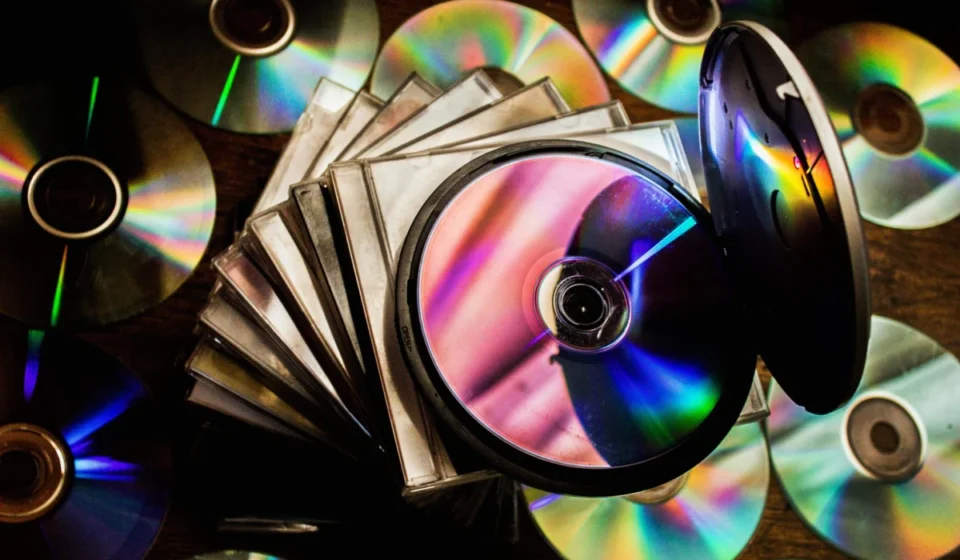
The appeal of physical media, long threatened by the convenience of digital streaming, is also experiencing a revival. A 4K Blu-ray disc offers a tangible form of ownership and an uncompromised viewing experience that is immune to the whims of streaming service catalog changes or licensing disputes. This inherent stability provides a sense of security and permanence that digital files, subject to deletion or alteration, cannot match. The advent of 4K Ultra HD Blu-ray, introduced in 2016, has provided a high-fidelity format that often surpasses the compression quality available through many streaming platforms, making it an attractive option for cinephiles and home theater enthusiasts. This format ensures that purchased content remains accessible indefinitely, a stark contrast to the ephemeral nature of digital rentals or subscriptions.

This trend toward focused functionality is rooted in a growing appreciation for deliberate design and a sense of "enoughness" in our technology. The appeal of these retro-inspired gadgets lies in their simplicity: a headphone plays audio, a camera takes photos, and a disc plays movies. In an era where devices are expected to perform a multitude of tasks, often leading to feature bloat and a constant sense of being tethered to a digital ecosystem, these singular-purpose devices offer a refreshing sense of clarity and control. The year 2026, as envisioned by this trend, might see these focused gadgets regarded not just as nostalgic relics but as sophisticated tools that offer a distinct advantage in their simplicity and reliability.
The limitations inherent in these older or retro-inspired technologies are, paradoxically, becoming a desirable feature. While modern smartphones are undeniably more powerful and capable, integrating numerous functions into a single device, this very ubiquity can lead to overwhelming complexity and a constant barrage of digital distractions. The smartphone that captures a photograph also serves as a portal to social media, email, and a host of other applications that can pull users away from the immediate experience. Streaming services, while offering vast libraries of content, are subject to content removal, leaving consumers without access to previously enjoyed movies or shows. Similarly, smart home devices, while convenient, often require constant app interaction and can introduce their own set of connectivity and management challenges.
The Nokia 3210 4G, with its limited functionality, provides a deliberate "exit" from the hyper-connected world of smartphones, allowing users to focus on essential communication without the distractions of social media or endless apps. Wired headphones offer a similarly focused experience, providing a direct and reliable audio connection that bypasses the complexities of Bluetooth pairing and potential signal interference. A compact camera, designed for a specific purpose, encourages a more intentional approach to photography, separating the act of capturing images from the myriad other digital tasks a smartphone performs. This deliberate separation allows for a more mindful engagement with technology, fostering a sense of control rather than being controlled by it.

The proliferation of these "small exits" from our larger, more complex digital systems does not signal a complete abandonment of modern technology. Most consumers remain deeply integrated with and reliant on their smartphones and other advanced devices. However, there is a discernible movement towards carving out distinct spaces for simpler, more focused technological experiences. The compact camera, for instance, allows a user to capture a photograph as a distinct event, separate from the rectangle that also manages their finances, communicates with colleagues, and hosts potentially overwhelming social group chats.
The resurgence of physical media, such as discs and records, reinforces a sense of tangible ownership in an increasingly intangible digital world. This physicality provides a different kind of satisfaction, where owning a piece of media means having a concrete object that cannot be remotely deleted or altered. Even the retro gaming scene is embracing this sentiment, with hardware like the Polymega Remix treating classic game collections as valuable assets to be preserved and enjoyed, rather than obsolete data waiting for archival. This approach honors the cultural significance of older gaming formats and the communities that have grown around them, providing dedicated platforms for experiencing these cherished titles.
This consumer technology phenomenon is a direct parallel to the fashion cycle, where retro styles are reintroduced with contemporary flair and a renewed appreciation for their original design principles. These returning gadgets are not merely about nostalgia; they are valuable because they possess clear boundaries and defined purposes. They offer a sense of closure, stopping at the task they were designed for, rather than endlessly expanding their functionality. The appeal may not be a simple longing for the past, but rather a yearning for technologies that allow for a more curated and less all-encompassing engagement with the digital world, a world where not every interaction needs to feel like a demanding relationship. The implications of this trend are significant, suggesting a market ripe for devices that offer simplicity, reliability, and a deliberate counterpoint to the often overwhelming nature of contemporary consumer electronics. This movement indicates a growing consumer desire for technological tools that enhance, rather than dominate, their lives.