
HTC’s VIVE Eagle Smart Glasses Briefly Listed on Amazon for September 1 US Launch, Despite Official Taiwan Exclusivity

Amazon has inadvertently provided a significant glimpse into HTC’s potential US market entry for its VIVE Eagle smart glasses, listing the $499 wearable with a September 1 launch date. The listings, which appeared on Amazon and were first reported by Notebookcheck, offered six distinct variations of the VIVE Eagle, including options for round and square frames with clear or tinted lenses, and four different finishes such as Glossy Black and Apricot. This detailed retail preview stands in stark contrast to HTC’s official stance, which maintains that the VIVE Eagle is currently exclusive to Taiwan, creating a notable discrepancy that has left potential US consumers and industry observers in suspense.

The sudden appearance and subsequent removal of these Amazon listings suggest a premature product reveal, possibly an oversight in inventory management or pre-order staging. While Amazon has since taken down the product pages, effectively closing new orders, those who managed to place pre-orders are now left in a state of uncertainty regarding the validity and fulfillment of their purchases. This situation highlights the often-murky waters of product launches in the consumer electronics space, where retailer leaks can precede official announcements, leading to confusion and anticipation.
This incident is particularly noteworthy given the current landscape of smart glasses development. While several companies have explored and released smart eyewear, the market has yet to achieve widespread mainstream adoption. HTC’s VIVE brand is primarily associated with high-end virtual reality headsets, making the VIVE Eagle a significant step into a different segment of augmented and mixed reality. The reported pricing of $499 positions the VIVE Eagle as a premium offering, placing it above more budget-friendly smart glasses like the Ray-Ban Meta, which retail for around $299, but below more complex AR devices.

Details revealed through the Amazon listings paint a picture of a capable, albeit not revolutionary, smart glasses device. The VIVE Eagle is reportedly powered by Qualcomm’s Snapdragon AR1 Gen 1 chip, a processor designed for wearable AI and AR applications. This is complemented by 4GB of RAM and 32GB of internal storage, specifications that suggest a device capable of handling moderate processing tasks and storing a reasonable amount of data. The inclusion of a 12MP ultrawide camera indicates a focus on capturing first-person perspectives, suitable for photos, videos, and potentially augmented reality overlays.
A key feature highlighted is the integration of open-ear speakers, which would allow users to listen to audio, take calls, and interact with the device’s assistant without completely blocking out their surroundings, a common design choice in wearable audio devices aiming for situational awareness. Furthermore, the VIVE Eagle is said to incorporate a built-in voice assistant with access to advanced AI models like Google Gemini and OpenAI GPT. This integration points towards a focus on AI-driven functionalities, with camera-based translation and hands-free note-taking being cited as particularly promising applications. HTC claims the device can offer up to 4.5 hours of continuous music playback, and a quick 10-minute charge can reportedly restore half of its battery capacity, suggesting a practical approach to power management for daily use.
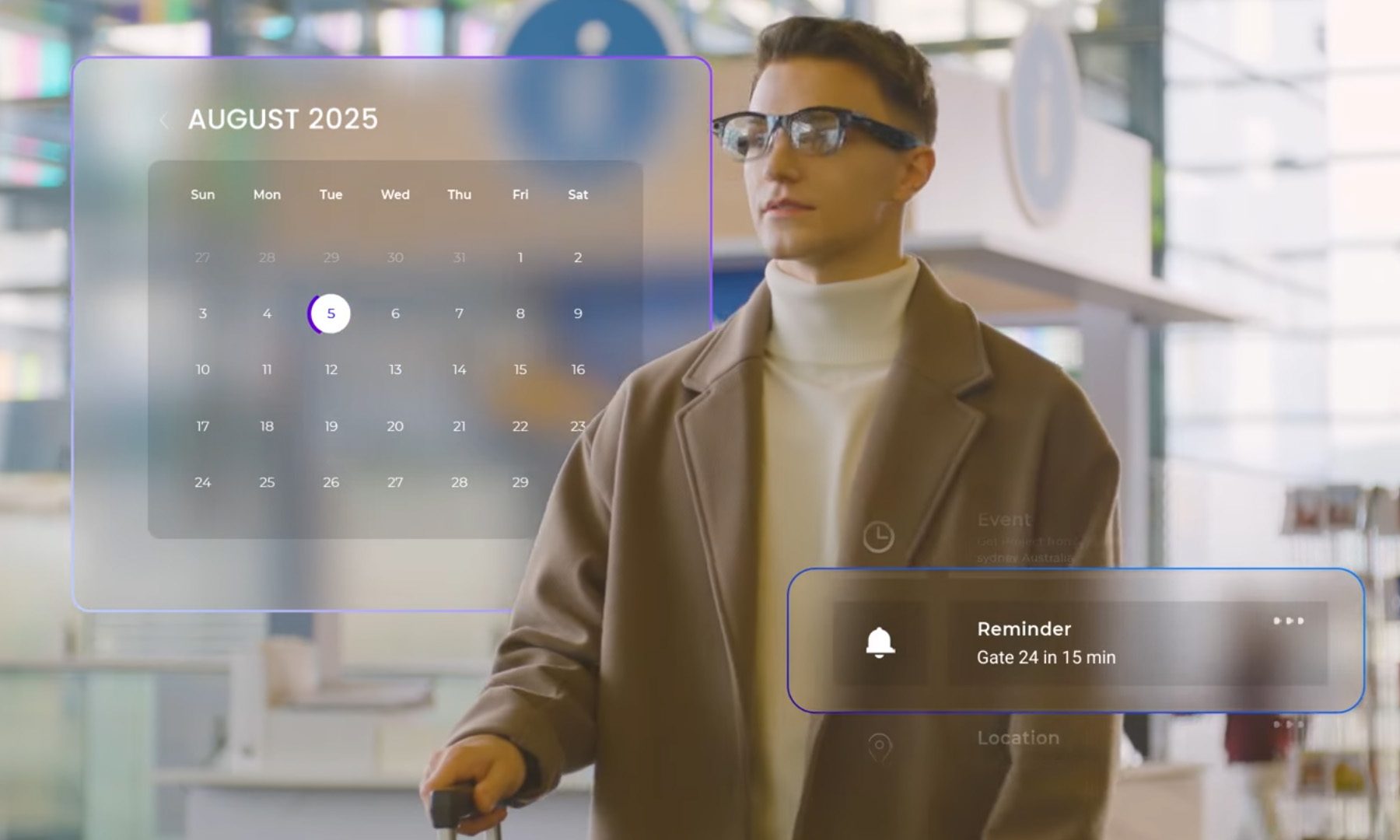
The specific configurations detailed in the Amazon listings also offer clues about HTC’s intended market segmentation. The availability of different frame shapes, lens types, and color finishes suggests an effort to appeal to a broader consumer base, moving beyond purely utilitarian designs towards more fashion-conscious aesthetics. This approach aligns with the broader trend in the smart glasses market to blend technology with everyday wearability. The variety of finishes, including Glossy Black and Apricot, differs from the choices currently available for the Taiwan market, such as Berry and Grey, further indicating that these listings were prepared for a different regional launch.
The discrepancy between the Amazon listings and HTC’s official communication raises several important questions. Firstly, it prompts speculation about the timeline of HTC’s strategic decisions. Was the US launch always planned for September 1, and was the Amazon listing an authorized but premature reveal? Or was it an unauthorized leak that has now forced HTC’s hand, potentially altering its carefully crafted launch strategy? The fact that the listings were detailed, including specific configurations and pricing, lends credence to the idea that this was more than just a placeholder.

Secondly, the situation puts consumers who pre-ordered in a difficult position. Will HTC acknowledge these orders and honor them, or will they be canceled? If canceled, the company faces the challenge of managing customer disappointment and potential backlash. If honored, it could lead to an unofficial US launch that predates any official marketing or support infrastructure being fully in place.
The broader implications of this leak extend to the competitive landscape of smart glasses. A US launch of the VIVE Eagle at $499 would introduce another significant player into a market that is still finding its footing. While companies like Meta and Ray-Ban have made strides in making smart glasses more accessible and integrated into daily life, the VIVE Eagle, with its emphasis on AI capabilities and potentially advanced AR features, could appeal to a segment of the market looking for more sophisticated functionalities. The performance of the Snapdragon AR1 Gen 1 chip and the effectiveness of its AI integrations will be crucial factors in determining its success.

The timeline of events leading up to this point is also relevant. HTC has been investing in VR and AR technologies for years with its VIVE brand. The VIVE Eagle represents an evolution of its hardware offerings, moving towards a more wearable and everyday form factor. The initial release in Taiwan suggests a strategy of controlled market entry, perhaps to gather feedback and refine the product before a wider global rollout. The Amazon leak effectively shortcuts this controlled release, potentially disrupting HTC’s carefully planned market penetration strategy.
As the industry watches for an official confirmation from HTC, the September 1 date remains a significant benchmark. If HTC indeed plans a US launch, an official announcement is expected imminently, given the proximity of the purported release date. This announcement will likely clarify the exact specifications, pricing, availability, and marketing strategy for the US market. It will also be crucial for HTC to address the status of any pre-orders placed through Amazon.
The VIVE Eagle’s potential entry into the US market signifies HTC’s continued commitment to the augmented and virtual reality space, albeit in a new form factor. The success of this venture will hinge on its ability to deliver a compelling user experience that justifies its premium price point, integrates seamlessly into users’ lives, and effectively leverages its AI capabilities. The early, albeit unofficial, reveal on Amazon has certainly generated a significant amount of buzz, and the coming weeks will be critical in determining whether this buzz translates into a successful market launch for HTC’s smart glasses. The company’s next move will be closely scrutinized by consumers, competitors, and industry analysts alike, as it seeks to carve out its niche in the evolving world of wearable technology.