
Strategic Integration and In-Game Customization Mechanics
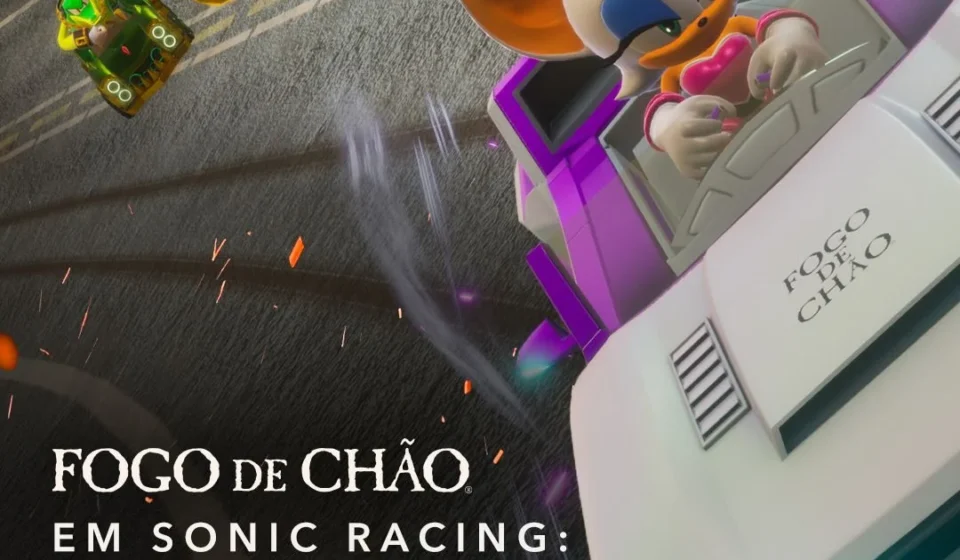
The core of this advertising campaign lies in the "CrossWorlds" mechanic of the latest Sonic racing title, which emphasizes deep personalization and player expression. Sonic Racing: CrossWorlds is currently recognized for its robust customization suite, offering players over 70,000 unique combinations of parts, colors, and aesthetics. The addition of the Fogo de Chão branding adds a corporate but culturally significant layer to this repertoire. Players accessing the customization menu can select from various vehicle types and apply the Brazilian steakhouse’s official logo and motifs as decals.
This integration is not merely a static advertisement but a participatory experience. By allowing players to "wear" the brand while competing in high-stakes digital races, Fogo de Chão is moving away from passive consumption models toward active engagement. The process is streamlined within the game’s user interface: users navigate to the vehicle customization section, select their preferred car, and locate the Fogo de Chão assets within the branding or decal sub-menus. The availability of the game across a wide array of hardware—including legacy consoles like the PlayStation 4 and Xbox One, as well as the PC and the upcoming iterations of Nintendo hardware—ensures that the brand’s message reaches a diverse socioeconomic and age-based demographic.
A Two-Year Development Chronology
While the announcement appeared to the public as a sudden and novel marketing "stunt," the reality behind the scenes involves a meticulously planned long-term strategy. According to executive statements, the project was the result of two years of collaborative development between the marketing teams at Fogo de Chão and the developers at SEGA. This timeline suggests that the partnership was forged well before the game’s release, indicating a deep level of institutional trust and a shared vision for how a culinary brand can exist within a fantasy racing environment.
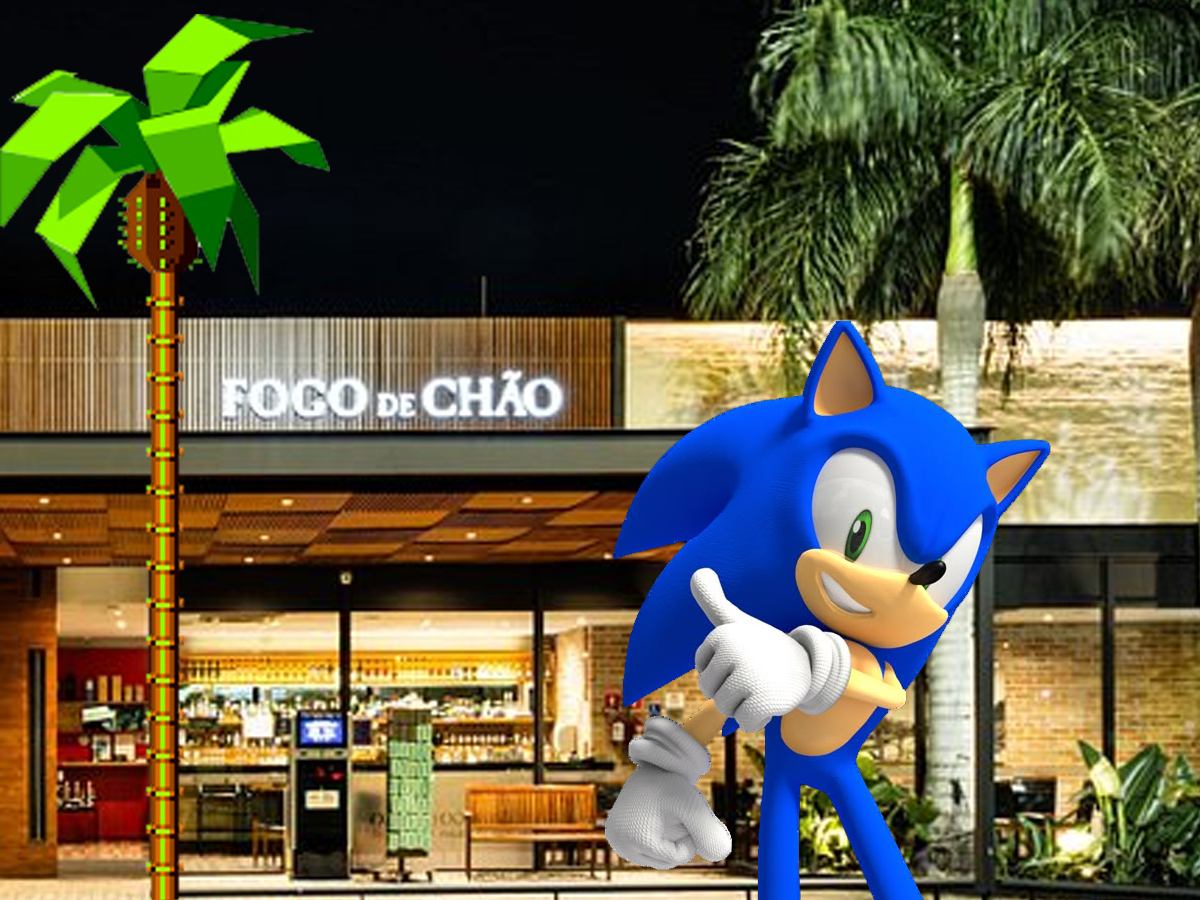
João Galoppi, the Director of Marketing and Sales for Fogo de Chão Brazil, emphasized that the initiative is part of a broader, sophisticated communication plan. The two-year lead time allowed both parties to ensure that the brand integration felt organic to the game’s aesthetic while still maintaining the premium feel of the Fogo de Chão identity. Galoppi noted that being the only Brazilian brand included in this global gaming initiative is a point of significant pride for the company. This strategic patience highlights a shift in how traditional Brazilian enterprises are viewing the "Gamer" market—not as a niche hobby, but as a primary pillar of modern lifestyle marketing.
Fogo de Chão’s Global Expansion and Market Context
To understand the weight of this partnership, one must look at the current standing of Fogo de Chão in the global hospitality market. Founded in 1979 in Porto Alegre, Brazil, the chain has evolved from a local favorite into an international powerhouse of the rodízio style of service. Currently, the company operates over 100 units worldwide, with a massive footprint in the United States, as well as locations in the Middle East and Turkey.
The decision to enter the gaming space is a calculated move to maintain brand relevance as the company continues its internationalization. In the competitive landscape of "polished casual" and "fine dining," attracting Gen Z and Millennial consumers is essential for long-term sustainability. These demographics value experience and brand personality over traditional prestige. By aligning with SEGA, a Japanese company with a massive global legacy, Fogo de Chão is positioning itself as a modern, tech-savvy brand that understands the cultural touchstones of its future patrons. The brand’s focus on "the fire of the grill" translates metaphorically to the "heat of the race," creating a thematic link that, while inconstant at first glance, resonates with the energy of the Sonic franchise.
The Rise of Advergaming and Digital Brand Affinity
The collaboration between a steakhouse and a racing game is a prime example of "advergaming" or in-game advertising, a sector that has seen exponential growth over the last decade. Data from the gaming industry suggests that in-game brand placements are often more effective than traditional commercials because they occur within a space where the user is highly focused and emotionally invested. For Fogo de Chão, this represents a "top-of-mind" strategy; a player who spends hours racing a car adorned with the Fogo de Chão logo may be more likely to choose that restaurant for a real-world celebration or dinner.

This strategy follows in the footsteps of other major Brazilian brands, such as the cosmetics giant Boticário, which have previously invested in gaming activations to great success. However, Fogo de Chão’s approach is unique due to its international scope. While many local brands focus on domestic gaming influencers, Fogo de Chão is leveraging a global IP (Intellectual Property) in Sonic the Hedgehog to ensure its brand is seen by players in New York, Istanbul, and Tokyo alike. This aligns with the company’s "phygital" (physical plus digital) approach to customer experience, where the digital interaction serves as an invitation to the physical dining room.
Public Reception and Social Media Engagement
The announcement of the partnership triggered an immediate and vocal reaction on social media platforms, particularly Instagram. A collaborative post between the official Fogo de Chão account and the Sonic the Hedgehog Brazil account became a viral focal point for fans of both brands. The reaction was characterized by a mix of surprise, humor, and genuine curiosity.
Internauts reacted with a variety of "memetic" comments, with some jokingly suggesting that SEGA should take the partnership further by designing a race track set entirely inside a giant churrascaria, featuring obstacles like spinning skewers or "pão de queijo" power-ups. While humorous, these reactions indicate a high level of engagement. In the modern marketing landscape, "weird" or "unexpected" collaborations often outperform traditional ones because they break the consumer’s expectations, leading to higher shareability and organic reach. João Galoppi concluded that the campaign is, above all, an invitation to experience the Fogo de Chão rodízio in a way that is unique and entertaining, effectively turning a meal into a lifestyle event.
Broader Industry Implications and Future Outlook
The Fogo de Chão and SEGA partnership serves as a case study for the future of brand cross-pollination. It proves that there are no longer rigid boundaries between industries; a luxury dining brand can find a home in a high-speed digital racer just as easily as a fashion house or an energy drink. As gaming continues to solidify its place as the dominant form of entertainment for the 21st century, more traditional "brick-and-mortar" businesses will likely follow this blueprint.

For Fogo de Chão, the success of this campaign will likely be measured not just in immediate foot traffic, but in the long-term shift of brand perception. By successfully navigating the two-year development cycle and launching on platforms ranging from the PC to the Nintendo Switch 2, the company has demonstrated a level of technical and marketing agility rarely seen in the restaurant industry. As the decals begin appearing on digital tracks worldwide, the "flame" of the Brazilian steakhouse is being carried into a new era of interactive consumerism, ensuring that the brand remains as fast-moving as the characters it now sponsors. This initiative sets a new benchmark for Brazilian companies on the global stage, proving that cultural heritage and modern technology can race side-by-side toward a common goal of global brand dominance.