
Apple is reportedly gearing up to launch its first-ever smart glasses at the Worldwide Developers Conference (WWDC) in June 2027, with a significant emphasis on privacy, according to a report by Bloomberg’s Mark Gurman. This ambitious project, codenamed internally and still undergoing extensive development, represents a significant foray by the tech giant into the nascent augmented reality wearable market, a space where competitors like Meta have already made early, albeit mixed, inroads. The anticipated debut at WWDC, Apple’s annual developer conference known for showcasing future software and hardware innovations, suggests a strategic decision to align the product’s launch with a platform that fosters developer engagement and ecosystem building.
Gurman’s report indicates that Apple is actively prototyping a "slew of new hardware and software-related privacy features" specifically designed for these smart glasses, features that are not present in any of its current product lines. While specific functionalities remain under wraps, the deliberate focus on privacy is a clear differentiator and a calculated move to address widespread public concerns surrounding camera-equipped wearable technology. This proactive approach to privacy is consistent with Apple’s established brand identity, which has consistently championed user data protection and transparency in its existing product ecosystem, from iPhones to Macs. The company’s marketing efforts are expected to highlight these advanced privacy measures, positioning its smart glasses favorably against rivals that have faced scrutiny over data handling and user surveillance.
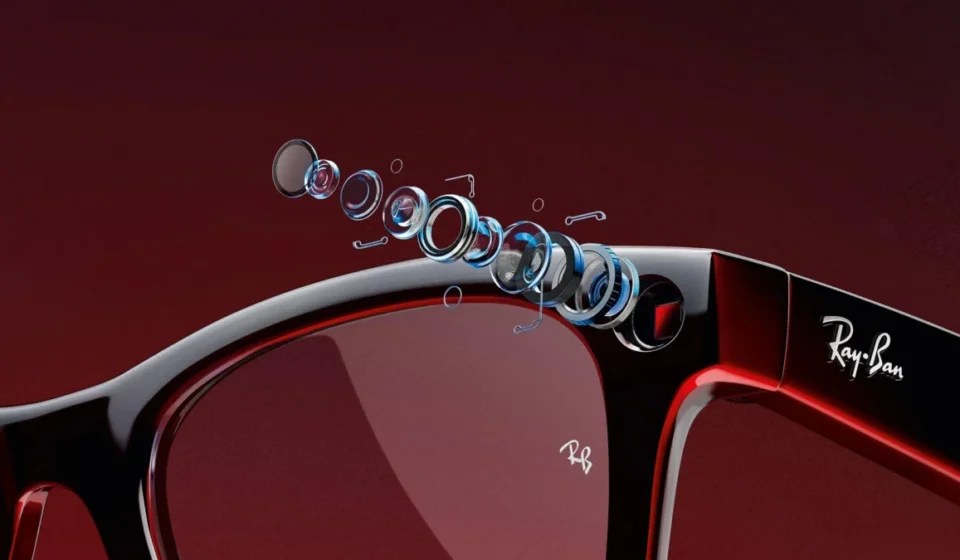
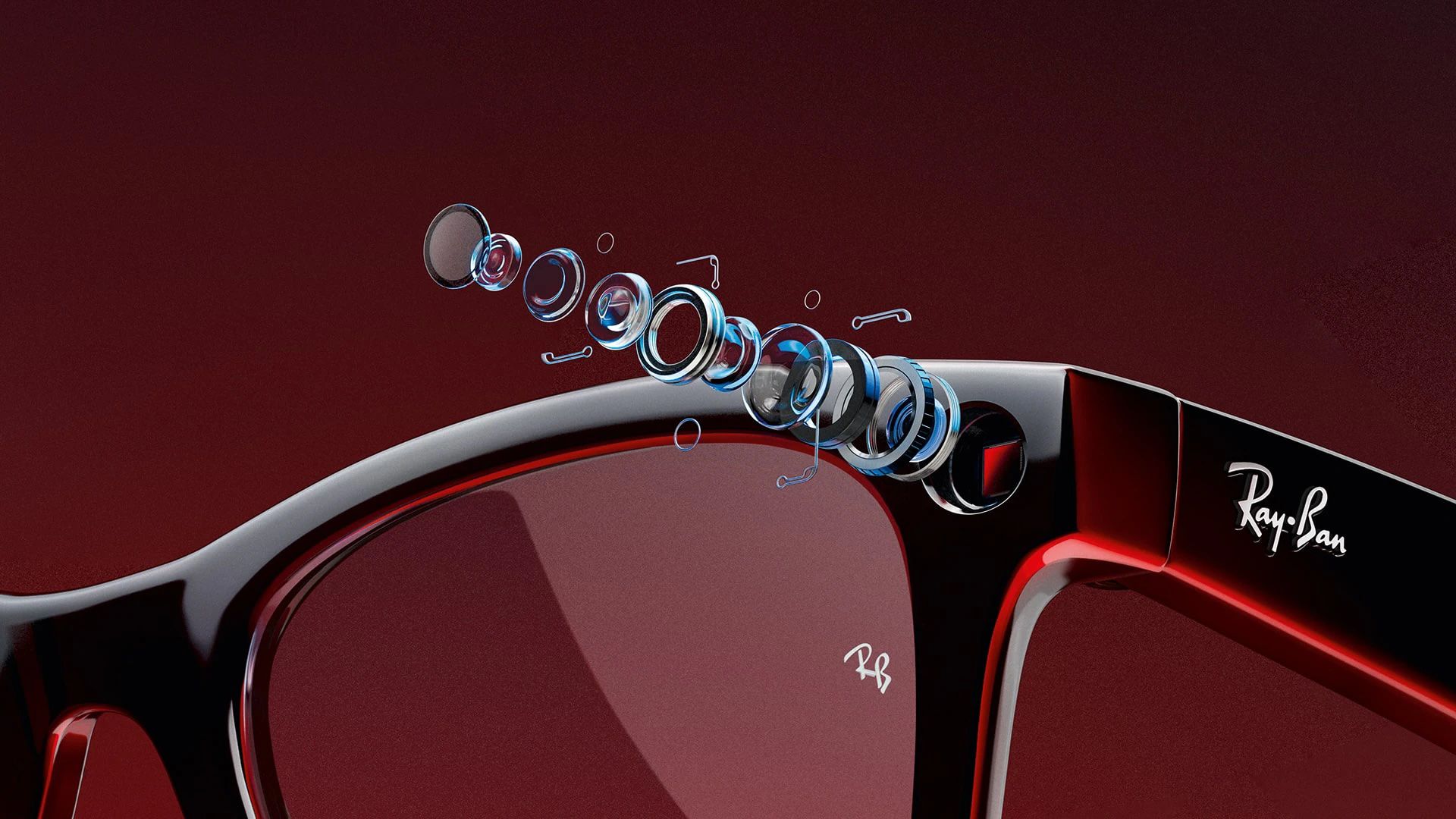
The specter of covert recording has been a significant hurdle for the adoption of smart glasses. In response to this, Apple has reportedly explored various design philosophies for its upcoming eyewear. One avenue considered involves cameras that primarily function to enhance artificial intelligence (AI) capabilities, rather than direct photo and video capture. This would allow the glasses to interpret and interact with the user’s environment for features like real-time translation, navigation assistance, or contextual information retrieval, without the inherent privacy risks associated with constant recording. Furthermore, reports suggest that Apple has even experimented with prototypes that entirely omit camera systems, focusing instead on other forms of augmented reality display and interaction. However, the most probable outcome, based on current development trajectories, is that the glasses will indeed incorporate cameras, but with robust privacy safeguards that Apple is renowned for implementing.
Evolution of Wearable Technology and Apple’s Strategic Approach
The journey towards Apple’s smart glasses has been a long and complex one, involving years of research and development in areas like miniaturization, display technology, battery efficiency, and sophisticated sensor integration. The company’s entry into the augmented reality space, while perhaps appearing sudden to the public, has been a carefully orchestrated strategy building upon its experience with the iPhone’s ARKit and its more recent foray into mixed reality with the Vision Pro headset. The Vision Pro, launched in early 2024, served as a high-end proving ground for advanced spatial computing technologies, demonstrating Apple’s commitment to the AR/VR frontier. The smart glasses, expected to be a more consumer-accessible product, can be seen as a logical extension of this vision, aiming to bring augmented reality experiences into everyday life in a more discreet and integrated manner.
The timeline for the smart glasses’ release is particularly noteworthy. A June 2027 unveiling at WWDC suggests that the product is still in its early to mid-stages of development, allowing ample time for refinement, software integration, and developer support. This extended development cycle is characteristic of Apple’s approach, prioritizing a polished and feature-rich product over a rushed market entry. Following the unveiling, the report indicates that Apple aims to begin shipping the smart glasses to customers in late 2027. This phased rollout allows for a controlled market introduction, ensuring supply chains are robust and initial user feedback can be incorporated into future iterations.
Key Features and Potential Functionalities
Echoing the capabilities of existing smart glasses like Meta’s Ray-Ban Stories, Apple’s offering is expected to include integrated speakers and microphones. These components will likely facilitate a range of audio functionalities, including listening to music, taking phone calls, and receiving notifications announced by Siri, Apple’s virtual assistant. The integration of Siri suggests a deep level of connectivity with the Apple ecosystem, allowing users to seamlessly control their devices and access information through voice commands while wearing the glasses.
The potential applications for Apple’s smart glasses are vast and could revolutionize how users interact with technology and their surroundings. Beyond communication and entertainment, the privacy-focused AI assistance could offer:
- Enhanced Navigation: Overlaying directions and points of interest directly onto the user’s field of vision, providing a more intuitive way to navigate unfamiliar environments.
- Real-time Information: Displaying contextual information about objects, places, or people encountered, drawing from a vast knowledge base and user preferences.
- Productivity Tools: Offering discreet access to notifications, calendar reminders, and even basic productivity applications without the need to constantly check a smartphone.
- Accessibility Features: Providing visual aids and real-time transcriptions for individuals with hearing impairments, or enhanced visual cues for those with visual processing challenges.
The successful integration of these features will heavily rely on the underlying AI capabilities and the seamlessness of the user interface. Apple’s established expertise in human-computer interaction and its robust developer platform will be crucial in realizing this potential.
Addressing Privacy Concerns: A Competitive Imperative
The emphasis on privacy is not merely a feature but a strategic imperative for Apple in the smart glasses market. Competitors have faced significant backlash and regulatory scrutiny over privacy concerns. For instance, Meta’s Ray-Ban Stories faced criticism regarding the visibility of its recording indicator light and data privacy policies. Apple’s commitment to privacy, deeply ingrained in its corporate philosophy, positions it to potentially capture market share from consumers wary of existing offerings.
Gurman’s report specifically highlights Apple’s consideration of cameras that "assist with AI features, but lack photo and video recording capabilities." This suggests a nuanced approach to camera integration, prioritizing functionality that enhances user experience without compromising privacy. The notion of prototyping glasses "without a camera system entirely" further underscores Apple’s willingness to explore diverse privacy-centric designs, even if the ultimate product includes cameras. This flexibility in design and a clear commitment to transparency in how data is collected and utilized will be paramount to building consumer trust.
The development of such advanced privacy features will likely involve sophisticated on-device processing, minimizing the need to send sensitive user data to the cloud. This aligns with Apple’s broader strategy of enhancing user privacy through localized data handling, as seen in features like the Neural Engine on its A-series and M-series chips.
Broader Implications and Market Landscape
The introduction of Apple’s smart glasses at WWDC 2027, with a projected shipping date in late 2027, will undoubtedly intensify the competition in the wearable technology sector. The market, currently dominated by smartwatches and fitness trackers, is ripe for disruption by more immersive and integrated augmented reality devices. Apple’s entry, with its vast ecosystem, loyal customer base, and reputation for premium products, could accelerate the mainstream adoption of smart glasses, much like the iPhone did for smartphones.
The success of these glasses will depend on several factors:
- Form Factor and Aesthetics: The glasses will need to be comfortable, stylish, and indistinguishable from traditional eyewear to encourage widespread adoption.
- Battery Life: A perennial challenge for wearable technology, sufficient battery life to last a full day of use will be critical.
- Price Point: While the Vision Pro is a premium device, the smart glasses are expected to be more accessible, though likely still positioned as a premium product.
- Developer Ecosystem: A robust app store and developer community will be essential to unlock the full potential of the glasses with innovative applications.
- User Experience: Intuitive controls and a seamless integration with other Apple devices will be key to user satisfaction.
The report from Bloomberg, citing Mark Gurman, provides a compelling glimpse into Apple’s ambitious plans for the smart glasses market. By prioritizing privacy and leveraging its deep expertise in hardware, software, and user experience, Apple appears poised to make a significant impact on the future of augmented reality wearables. The WWDC 2027 unveiling will be a pivotal moment, signaling a new era of how we interact with digital information and the world around us, all while hopefully maintaining a strong commitment to user privacy. The long development timeline and the focus on privacy suggest a deliberate and strategic approach, aiming to deliver a product that not only pushes technological boundaries but also respects the fundamental right to privacy.