
Microsoft is consolidating its rapidly expanding suite of AI-powered Copilot tools into a single, unified "super app," a strategic move confirmed by CEO Satya Nadella during the company’s recent earnings call. This ambitious initiative aims to streamline the user experience by bringing together diverse Copilot functionalities, from conversational AI and coding assistance to autonomous agents, under one digital roof. The announcement signifies a pivotal moment in Microsoft’s AI strategy, signaling a clear intent to become the central hub for artificial intelligence integration across both consumer and enterprise landscapes.
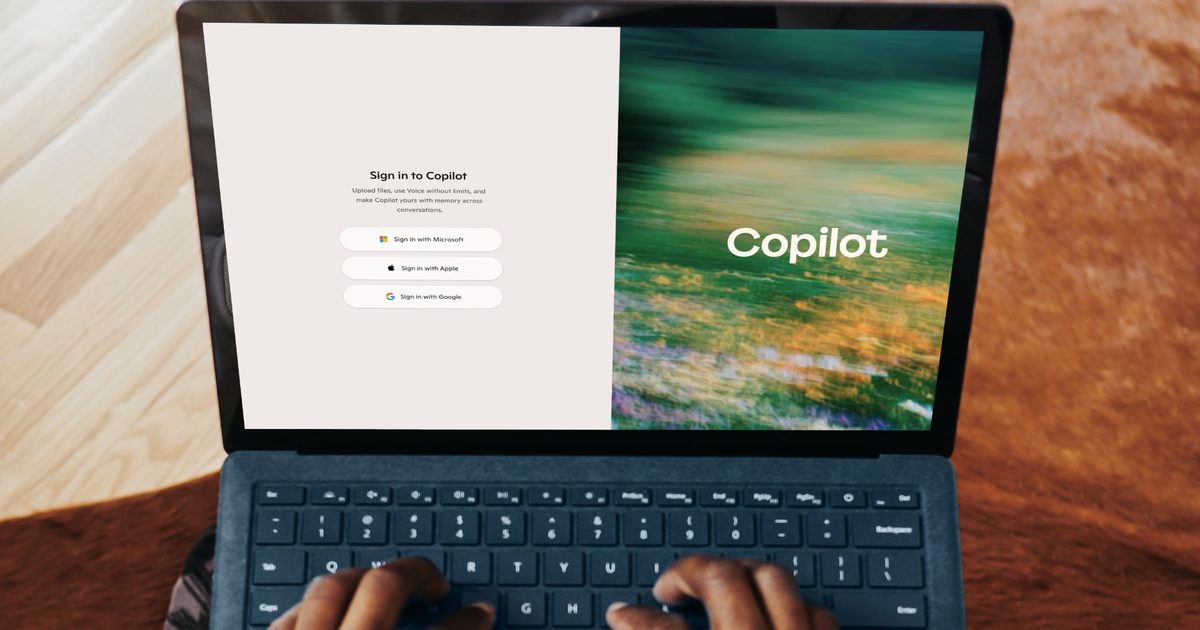
The Evolution of Copilot: From Chat to Autonomous Agents
The genesis of Microsoft’s AI strategy has been marked by the pervasive integration of Copilot across its product ecosystem. Initially introduced as a conversational AI assistant, Copilot has since evolved significantly. Its expansion into areas like "Cowork" tools, designed to enhance productivity and collaboration, and the development of "Autopilots" – essentially autonomous AI agents capable of executing complex, long-duration tasks independently – demonstrates a deliberate and rapid progression.
Satya Nadella articulated this evolution during the earnings call, highlighting the swift development trajectory of Copilot. "Copilot has moved fast, going from a simple chat tool to Cowork and now to Autopilots," Nadella stated, underscoring the breadth of capabilities now encompassed by the Copilot brand. The vision for the super app is to serve as a singular interface for these diverse functionalities, catering to the needs of individual users and large organizations alike. While a precise launch date remains undisclosed, Nadella indicated that the super app is slated for release "this year," expressing confidence in its potential as a "major step forward."

This consolidation is not an entirely unforeseen development. Reports from sources like Fortune in May of the same year had already hinted at Microsoft’s internal exploration of a comprehensive AI application, a narrative now officially corroborated by the company’s top executive. Nadella further elaborated on the super app’s significance, positioning it as the flagship application designed for daily use by various roles within a company.
The Strategic Imperative: Consolidating AI Power
The rationale behind Microsoft’s push for a Copilot super app is multi-faceted, driven by both user demand and intense market competition. For existing users who already navigate multiple Copilot instances – perhaps one for general writing, another like GitHub Copilot for coding, and potentially a separate tool for managing routine tasks – the prospect of a unified application is highly appealing. Such consolidation promises to reduce the friction of app-switching, leading to a more seamless and efficient workflow. This is particularly relevant given Microsoft’s significant market penetration, with over 30 million paid Copilot seats already in use, indicating a substantial user base poised to benefit from this consolidation.
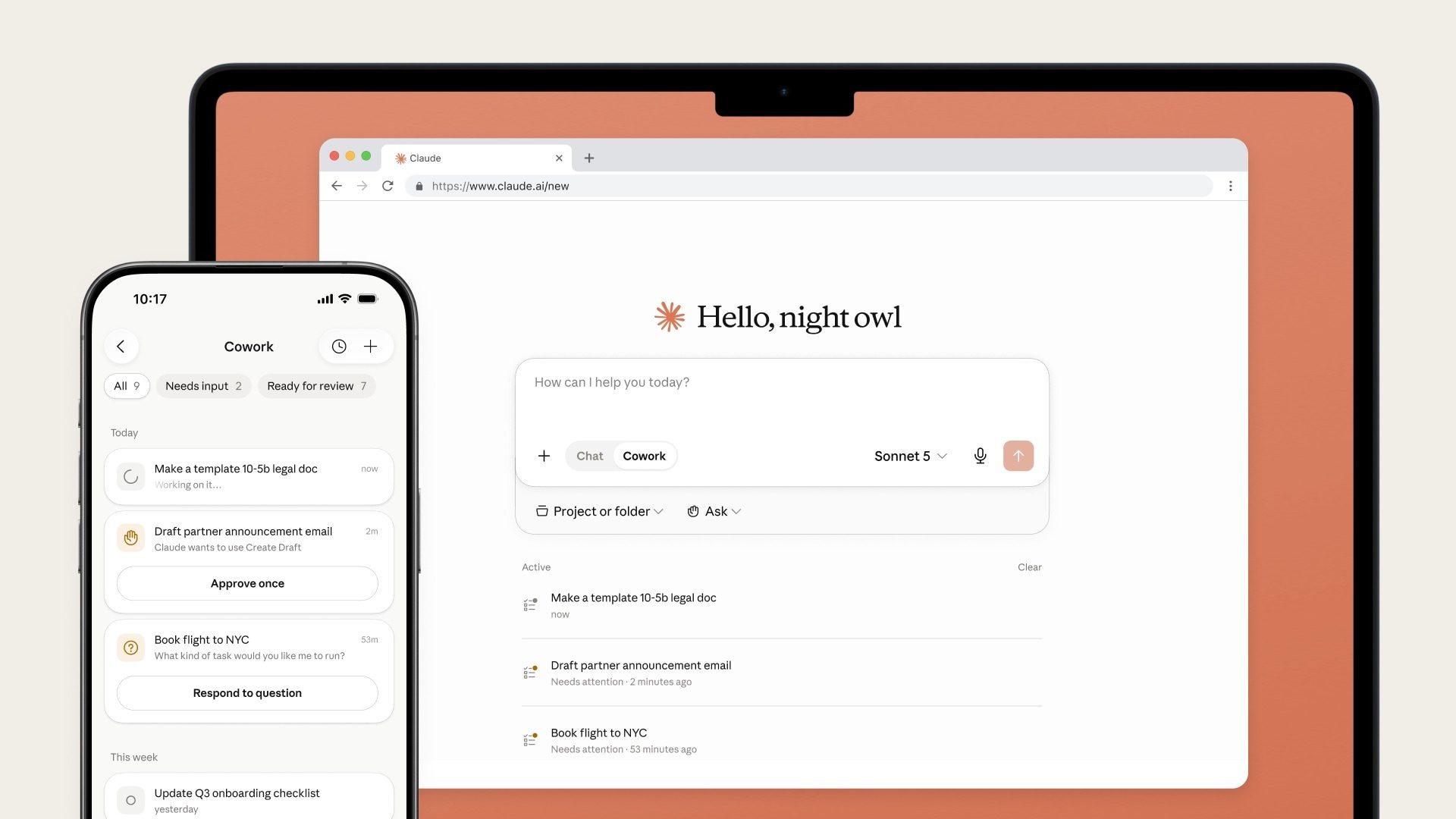
The move also places Microsoft squarely in the escalating race to dominate the AI application landscape. Competitors are making similar strategic plays. Anthropic, for instance, has already introduced its Claude app, which integrates various AI functionalities into a single platform. Similarly, OpenAI has unveiled its ChatGPT Work app, merging its popular conversational AI with its Codex coding assistant. The overarching goal for these tech giants is to establish their AI applications as the primary entry point for users engaging with artificial intelligence, whether for creative writing, coding, or administrative tasks.
Understanding the "Super App" Concept
The term "super app" typically refers to a mobile or web application that offers a wide range of services beyond its core function, often integrating features such as messaging, social networking, e-commerce, and financial services into a single platform. In the context of Microsoft’s AI strategy, the "super app" designation signifies an ambition to create a comprehensive platform that centralizes diverse AI capabilities rather than distributing them across disparate tools.

This approach aims to simplify the user journey. Instead of users needing to learn and manage multiple interfaces for different AI tasks, they can access a consolidated environment. This could involve an AI assistant that can draft an email, then help debug the associated code, and subsequently automate a series of follow-up actions, all within the same application. The underlying principle is to make AI more accessible and integrated into everyday workflows, akin to how modern smartphones have become central hubs for a multitude of digital activities.
The Competitive Landscape: A Race for AI Dominance
The AI landscape is evolving at an unprecedented pace, characterized by rapid innovation and fierce competition among major technology players. Microsoft’s move to a unified Copilot app is a direct response to this dynamic environment.

- Anthropic’s Claude: Anthropic’s offering, which already consolidates various AI tools within a single app, serves as a benchmark for integrated AI experiences. This suggests a growing industry trend towards offering comprehensive AI solutions rather than siloed functionalities.
- OpenAI’s ChatGPT Work: OpenAI’s recent introduction of ChatGPT Work further intensifies this competition. By merging its widely recognized ChatGPT with its powerful Codex coding assistant, OpenAI is also signaling a move towards a more integrated AI experience, targeting professional users and developers.
- Google’s Gemini Integration: While not directly a "super app" in the same vein, Google’s ongoing integration of its Gemini AI into applications like Google Docs demonstrates a parallel strategy of embedding advanced AI capabilities into existing workflows. Recent updates to Google Docs, for example, now allow Gemini to summarize comments, draft replies, and suggest edits, streamlining collaborative editing processes. This indicates that while the "super app" might be one manifestation, embedding AI deeply into existing software suites is another critical competitive strategy.
The common thread among these initiatives is the aspiration to become the primary AI interface for users. The company that successfully achieves this will likely gain a significant advantage in user engagement, data collection, and the ability to shape the future of human-computer interaction.
Implications for Users and Businesses
The consolidation of Copilot functionalities into a single super app carries significant implications for both individual users and businesses:
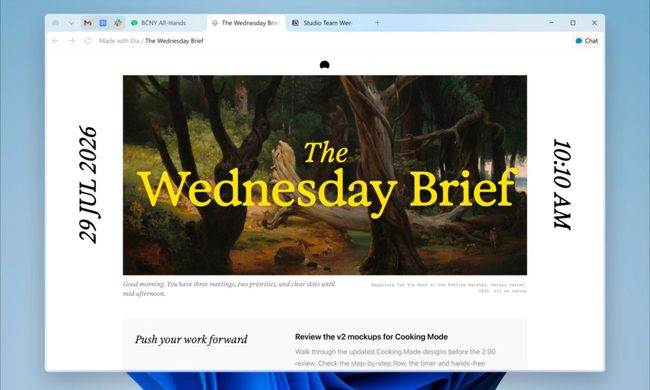
- Enhanced User Experience: For individuals, the primary benefit will be a more streamlined and intuitive interaction with AI. The need to switch between multiple applications for different AI tasks will be eliminated, leading to increased efficiency and reduced cognitive load. This could foster a deeper reliance on AI tools for a wider range of activities.
- Increased Productivity: Businesses stand to gain considerably from enhanced productivity. By providing a unified platform for diverse AI capabilities, Microsoft can empower employees to leverage AI more effectively across their roles. Autonomous agents, in particular, could automate repetitive tasks, freeing up human workers for more strategic and creative endeavors.
- Data Synergy and Personalization: A single, integrated app can facilitate better data synergy. Information and context gathered from one Copilot function can be leveraged by others, leading to more personalized and context-aware AI assistance. This could result in more accurate suggestions, more relevant content generation, and more efficient problem-solving.
- Potential for New Use Cases: The convergence of different AI capabilities within a single app could unlock novel use cases that were not feasible with siloed tools. For example, an autonomous agent might be able to initiate a task, communicate its progress through a conversational interface, and then generate a detailed report, all orchestrated within the super app.
- Market Consolidation and Vendor Lock-in: While offering convenience, the emergence of a dominant AI super app could also lead to increased vendor lock-in. Users who heavily rely on Microsoft’s integrated AI ecosystem might find it more challenging to switch to alternative solutions. This consolidation also reflects a broader trend in the tech industry towards integrated platforms.
Future Outlook and Unanswered Questions
While Satya Nadella’s confirmation of the Copilot super app signifies a clear direction for Microsoft, several details remain to be elucidated. The precise pricing model for the super app, its rollout strategy, and the fate of existing standalone Copilot applications are all subjects of considerable interest. It is plausible that standalone applications might be phased out or integrated as modules within the super app.
Given the rapid pace of AI development and the competitive pressures, Microsoft is likely to provide more concrete information regarding the super app in the coming months. The company’s significant investment in AI, evidenced by its partnerships with OpenAI and its aggressive integration of AI across its product lines, suggests a strong commitment to this strategy. The success of the Copilot super app could redefine how users interact with AI, solidifying Microsoft’s position at the forefront of the artificial intelligence revolution and potentially setting a new industry standard for integrated AI experiences. The coming year will be crucial in observing how this ambitious vision unfolds and impacts the broader technological landscape.