Apple’s Next Big Health Bet Could Be Turning Glasses and Headsets into Fitness Companions

Apple is reportedly charting a new course for its ambitious augmented reality and virtual reality endeavors, shifting the focus from entertainment and productivity towards health and fitness. While the company has faced delays and challenges in bringing its rumored smart glasses to market, primarily due to significant privacy concerns, emerging reports suggest a strategic pivot that could leverage these devices as sophisticated wellness tools. This potential reorientation could not only help Apple differentiate its offerings from competitors like Meta but also tap into the burgeoning digital health market.
The company’s Vision Products Group is actively seeking a strategic product design leader with a mandate to "define the future of health, well-being and fitness experiences across vision products." This explicit job listing, unearthed by Bloomberg, strongly corroborates earlier speculation about Apple’s intentions. The ideal candidate is expected to possess a background in developing digital health products and sensor-driven features, signaling a serious commitment to integrating advanced health monitoring capabilities into its AR/VR hardware.

Background: The Long Road to Apple’s Vision Products
Apple’s foray into spatial computing has been a long-gestating project. The Vision Pro headset, launched in early 2024, represents the company’s initial, albeit high-priced, entry into this nascent market. However, early development of the Vision Pro itself hinted at fitness applications. It’s understood that Apple had developed an internal version of its Apple Fitness+ service tailored for the headset, which would have allowed users to participate in workout classes while the device’s advanced body-tracking technology analyzed their movements in real-time. This feature, however, never saw the light of day. Technical hurdles and the sheer bulk and weight of the Vision Pro, rendering it uncomfortable for most physical activities, were cited as primary reasons for its shelving.
This experience likely provided Apple with crucial insights. A future iteration of smart glasses, expected to be significantly lighter and less obtrusive than the Vision Pro, would be far more suitable for integration into a fitness regimen. The potential applications are extensive: imagine smart glasses equipped with cameras and sensors capable of monitoring exercise form with precision, counting repetitions automatically, tracking posture for exercises like yoga or weightlifting, and providing real-time feedback on incorrect movements. This would move beyond the current paradigm of wrist-worn fitness trackers, offering a more immersive and data-rich approach to personal training.

Divergent Strategies: Apple vs. Meta in the AR/VR Landscape
The emphasis on health and fitness could be a shrewd move for Apple, particularly in distinguishing its AR/VR strategy from that of Meta. Meta has aggressively pursued the social and metaverse aspects of its Quest line of headsets, often facing criticism for its data privacy practices and the perceived creepiness of its always-on cameras. Apple, on the other hand, has historically prioritized user privacy, a stance that has, in part, contributed to the delays in its smart glasses release. The company has reportedly explored camera-less smart glasses or versions where cameras process environmental data without capturing explicit images or video. This privacy-conscious approach, coupled with a strong focus on tangible health benefits, could position Apple’s vision products as more responsible and useful alternatives.
The privacy conundrum remains a significant challenge. The prospect of cameras constantly observing a user’s surroundings, even if processed locally and without explicit recording, can be a deterrent. Apple’s reported consideration of camera-less designs or sophisticated sensor-based environmental understanding aims to mitigate these concerns. If successful, such an approach could enable detailed movement tracking without compromising user privacy, thereby addressing a key barrier to adoption.
Timeline and Future Prospects
According to Bloomberg’s reporting, these advanced health features are not expected to be part of the first generation of Apple’s smart glasses. The debut of these glasses is tentatively projected for the latter half of 2027. This timeline suggests a deliberate and iterative development process, allowing Apple to refine the technology, address privacy concerns, and build out a robust ecosystem of health and fitness applications.
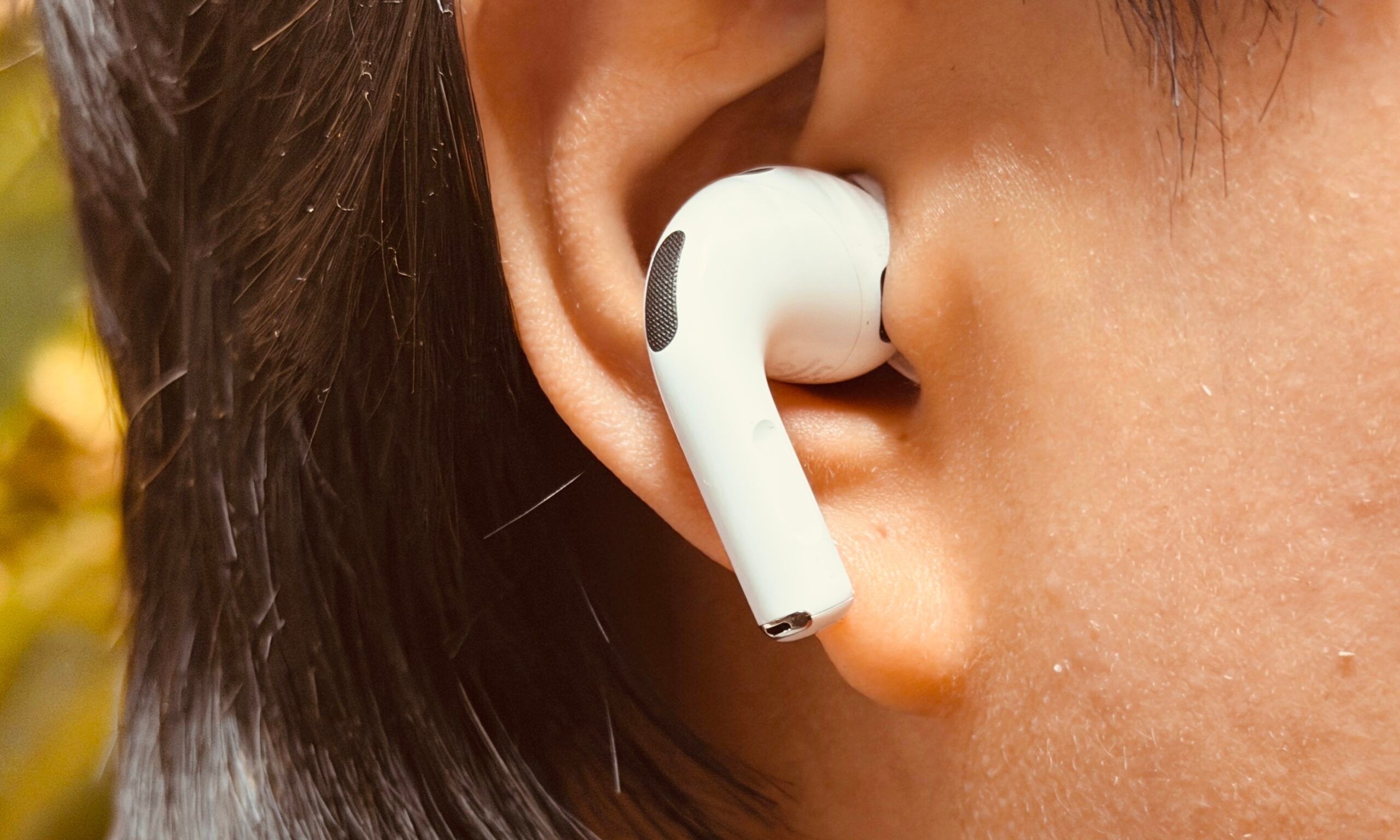
The groundwork for this health-centric future is already being laid across Apple’s existing product lines. The AirPods, initially designed for audio playback and communication, have steadily evolved into sophisticated personal health devices. The integration of heart-rate tracking allows users to monitor their pulse and calorie expenditure during workouts. Furthermore, AirPods now offer hearing health features, capable of acting as a hearing aid system, expanding their utility beyond mere audio.

The Next Frontier: Camera-Equipped AirPods and Spatial Awareness
Looking ahead, reports suggest that camera-equipped AirPods are on Apple’s roadmap for 2027. These cameras are not intended for conventional photography or videography but rather to equip Siri with enhanced spatial awareness. By understanding the wearer’s environment, Siri could offer more contextually relevant assistance and improve the overall user experience. This concept of enhancing device intelligence through environmental sensing is likely to be a cornerstone of Apple’s future vision products.
The synergy between these advancements is clear. Future smart glasses and headsets could build upon this foundation by not only tracking the user’s movements but also interpreting their surroundings. This comprehensive approach to data collection could unlock unprecedented insights into an individual’s physical activity, well-being, and overall health. While Apple has yet to make any official announcements regarding these fitness-oriented features for its vision products, the company’s strategic investments and hiring patterns strongly indicate a determined push into the digital health and fitness arena, extending its reach far beyond the wrist and ears.
Broader Implications for the Wearables Market
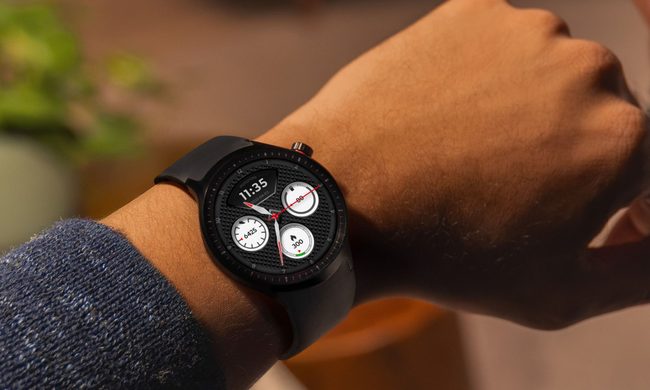
The potential integration of advanced health and fitness tracking into smart glasses and headsets could represent a significant evolution in the wearables market. Currently, the market is dominated by smartwatches and fitness trackers, with a growing segment of hearables offering health-related features. If Apple successfully transitions its AR/VR hardware into robust fitness companions, it could:
- Elevate the Standard for Fitness Tracking: By offering real-time form analysis and personalized feedback, Apple’s vision products could set a new benchmark for accuracy and effectiveness in fitness tracking, moving beyond simple step counts and heart rate monitoring.
- Create a New Category of Wearables: Differentiating itself from existing smart glasses, which have struggled to find mainstream appeal beyond niche applications, Apple’s focus on health could carve out a distinct and valuable market segment.
- Drive Ecosystem Growth: The success of these devices would likely spur the development of a complementary ecosystem of fitness apps, content, and services, further entrenching Apple’s position in the health and wellness space.
- Address Privacy Concerns Proactively: Apple’s reported commitment to privacy-preserving technologies could influence industry standards and consumer expectations regarding data security in wearable technology.
The path forward for Apple’s smart glasses and headsets is still unfolding, but the strategic shift towards health and fitness appears to be a calculated move to maximize the utility and market appeal of these advanced technologies. By leveraging its expertise in sensors, AI, and user experience, Apple is poised to redefine how consumers engage with their well-being, potentially making its vision products indispensable tools for a healthier lifestyle.