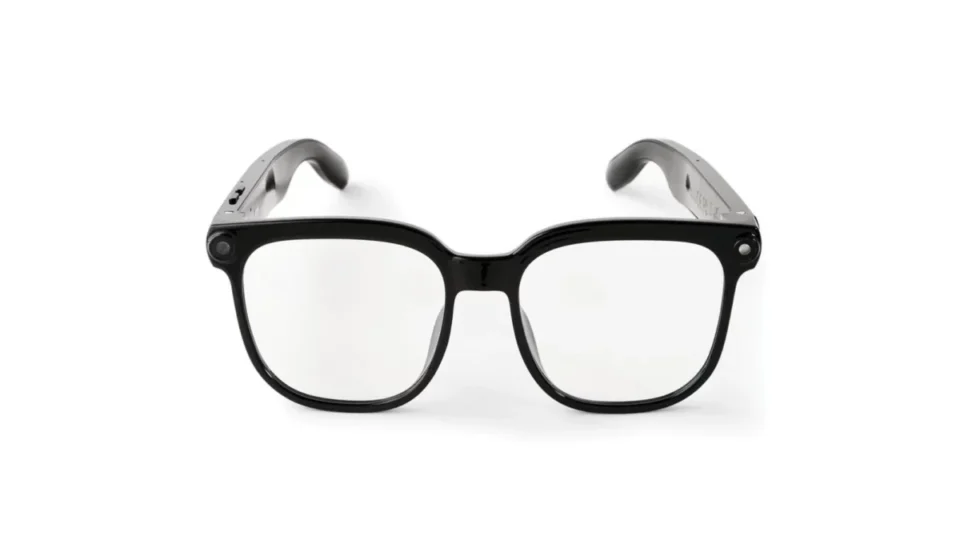
These $89 AI glasses sold out overnight, and they’re already sparking privacy fears

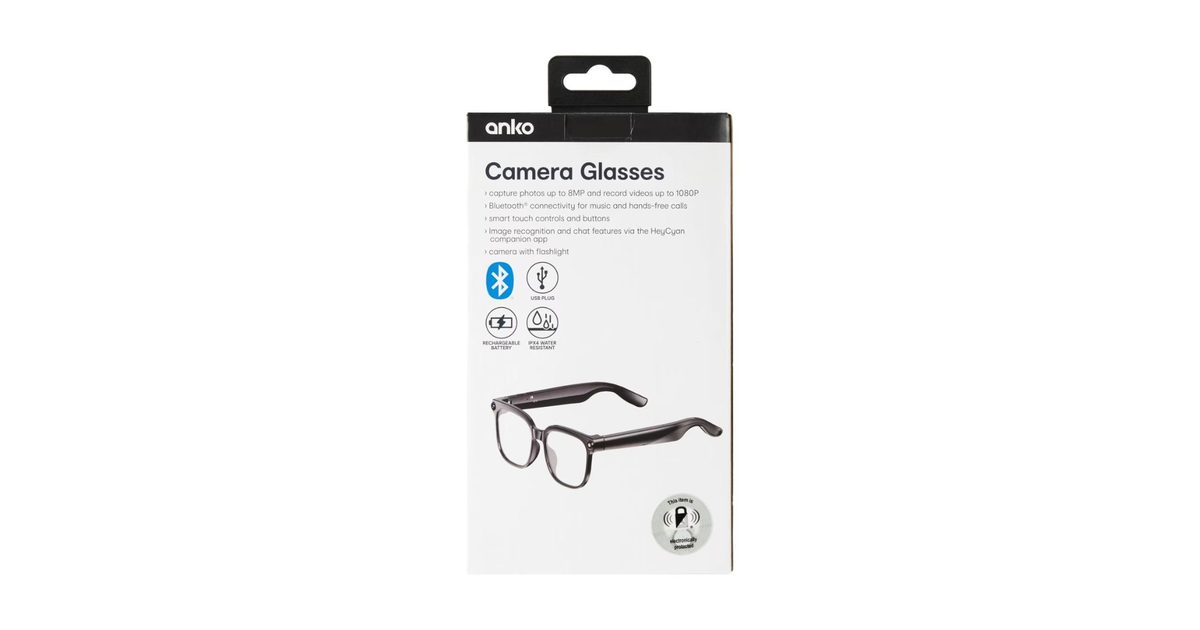
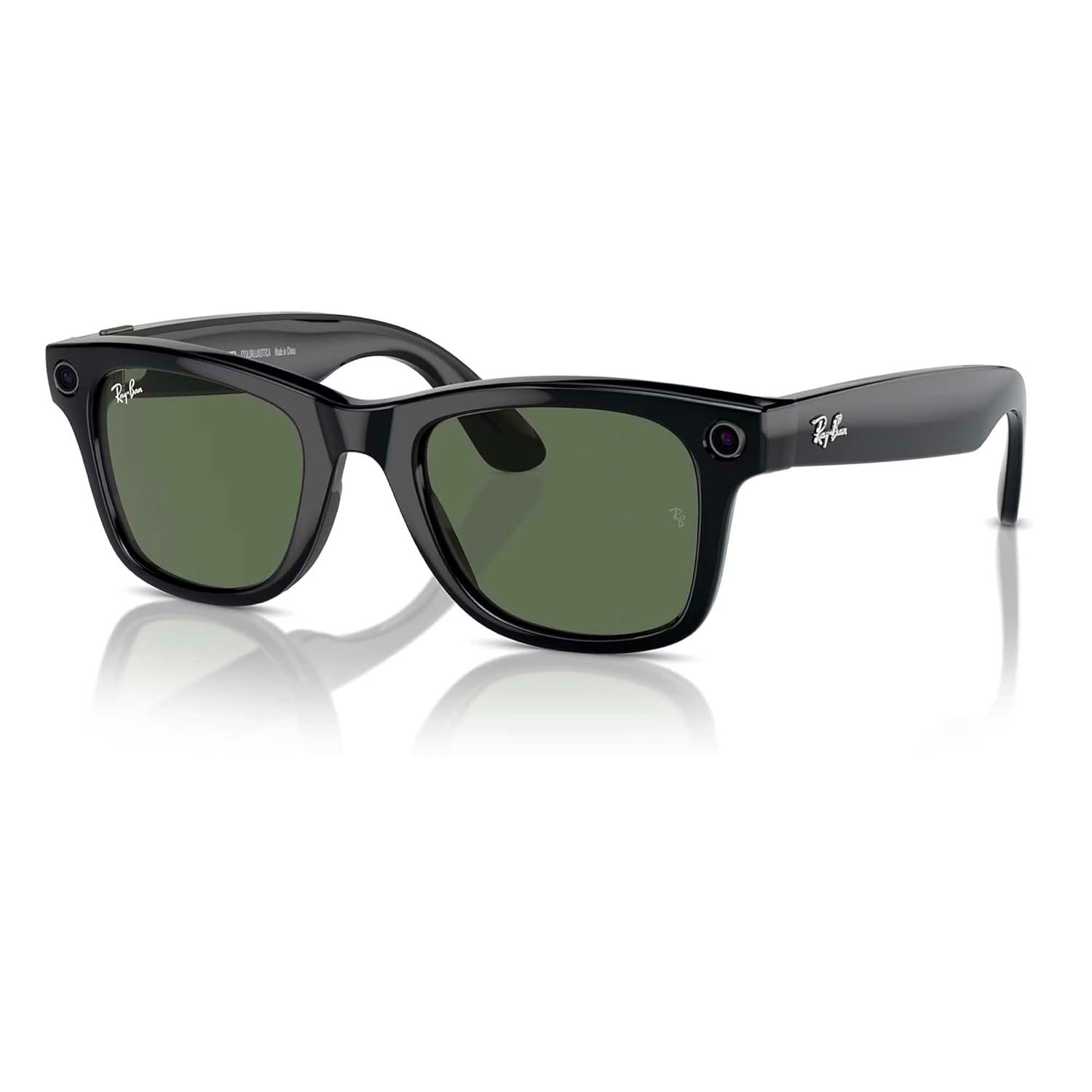
The Australian retail giant Kmart has experienced an unprecedented sell-out of its new Anko AI Camera Glasses, a product priced at a mere AU$89. This astonishing demand, which saw the eyewear disappear from shelves and online inventories overnight, underscores a dramatic shift in the accessibility of AI-enhanced wearable devices. The Anko glasses, offering features such as photo capture, HD video recording, AI assistance, music playback, and hands-free calling, now compete directly with significantly more expensive offerings, most notably Meta’s Ray-Ban smart glasses, which retail for a considerably higher price point.
This rapid consumer adoption of an affordable AI camera in a wearable format has not only caught retailers by surprise but has also amplified a persistent and growing concern among privacy advocates and the general public: the potential implications of ubiquitous, low-cost wearable cameras. As these devices become as commonplace as kitchenware or school supplies, the ethical and societal questions surrounding their use intensify.
The Rise of Accessible AI Eyewear
The market for smart glasses has evolved from a niche segment dominated by high-end, early-adopter technology to a more mainstream consumer product. Kmart’s Anko AI Camera Glasses represent a significant milestone in this transition, demonstrating that advanced functionalities previously confined to premium devices can now be offered at a price point accessible to a vast majority of consumers.
The core technology powering the Anko glasses is the HeyCyan software platform, a system also found in numerous other budget-friendly smart glasses available through online marketplaces. While user experiences suggest that HeyCyan may offer a less polished or slower performance compared to proprietary platforms like Meta’s, its functional parity with more expensive alternatives is undeniable. This affordability, coupled with a feature set that mirrors established competitors, has clearly resonated with the Australian market, leading to the immediate sell-out.
This phenomenon is not an isolated incident. The broader trend of decreasing costs for AI-enabled hardware, particularly wearables, has been observed globally. For instance, the initial introduction of Meta’s Ray-Ban smart glasses, while more expensive, helped to normalize the concept of camera-equipped eyewear. The subsequent success of these devices, with Meta reporting sales exceeding 7 million pairs worldwide, has paved the way for lower-cost alternatives to enter the market and gain traction.
Privacy Implications in the Spotlight
The swift disappearance of the Anko glasses from Kmart’s inventory has predictably reignited a critical debate surrounding privacy. The concern is not merely about individuals capturing videos or photos in public spaces, but about the increasing subtlety and widespread availability of such technology. When wearable cameras become exceptionally affordable and accessible, the ability for individuals to record others without their explicit knowledge or consent becomes a significant societal challenge.
Privacy experts have voiced considerable apprehension regarding the proliferation of these devices. Tom Sulston, head of policy at Digital Rights Watch, has described camera-equipped smart glasses as a "privacy nightmare." He argues that current privacy legislation is struggling to keep pace with the rapid advancements in wearable technology. Sulston has also highlighted instances where social media influencers have allegedly misused similar devices to harass individuals in public, raising serious questions about consent and responsible usage. Australia’s privacy regulator has acknowledged these public concerns and stated that it is actively monitoring the evolving landscape of wearable technology and its adoption.
Features and Concerns: A Dual-Edged Sword
The Anko AI Camera Glasses, while a budget-friendly option, pack a surprising array of features. These include:
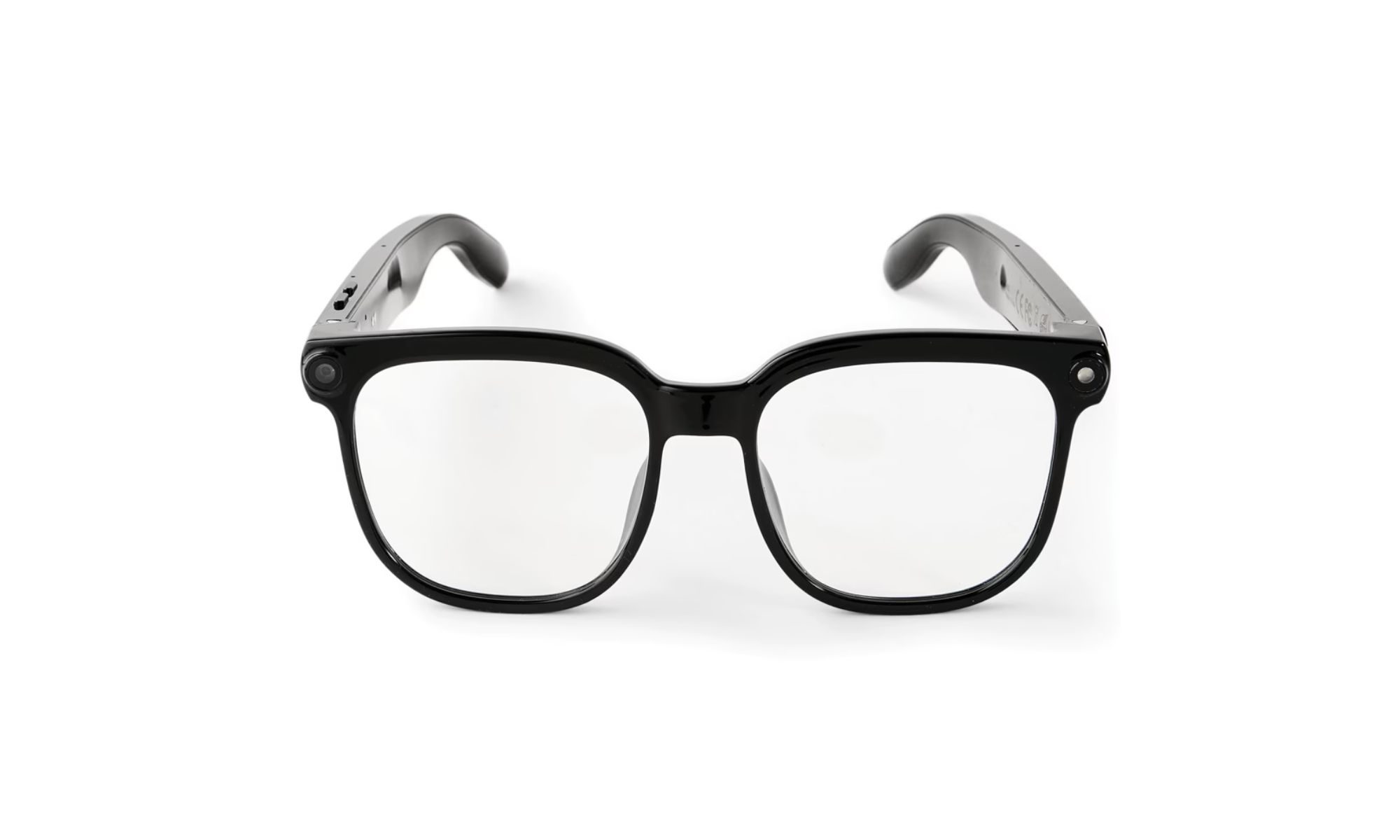
- Photo and Video Capture: The ability to record moments as they happen, directly from the wearer’s perspective.
- AI Assistance: Integration with artificial intelligence for various tasks, though the specific capabilities of the HeyCyan platform require further investigation.
- Music Playback: Functionality to stream audio, transforming the glasses into a personal audio device.
- Hands-Free Calling: Enabling users to make and receive calls without needing to reach for their phone.
However, these convenient features are inextricably linked to privacy concerns. A key point of contention with all camera-equipped smart glasses, including Meta’s offering, is the effectiveness of indicators designed to signal when recording is in progress. While the Anko glasses, like their more expensive counterparts, are understood to feature an LED indicator, critics have consistently questioned the adequacy of such safeguards against covert recording. The discreet nature of wearing a camera on one’s face makes it inherently difficult for bystanders to ascertain when they are being documented, leading to potential breaches of privacy.
The Meta Effect and the Growing Backlash
Meta’s significant investment in its Ray-Ban smart glasses, bolstered by celebrity endorsements and ongoing software enhancements, has undeniably propelled the category into the mainstream. This success, however, has not been without its challenges. The company has faced scrutiny and has implemented measures to address privacy concerns, such as software updates that reportedly prevent recording if the device’s privacy LED is obstructed. Furthermore, Meta has taken action against users who have allegedly used the glasses for harassment.
The controversy surrounding smart glasses has led some organizations, including governmental bodies and conference organizers, to implement restrictions or outright bans on their use due to security and privacy apprehensions. This growing awareness and caution highlight the societal unease surrounding the normalization of wearable cameras.

Retailer’s Stance and Future Outlook
Kmart, in response to the overwhelming demand and the ensuing discussion, has stated that its Anko glasses are part of an increasingly common category of wearable technology. The retailer expects customers to utilize the product responsibly and in accordance with local laws. Whether this statement is sufficient to allay public anxieties remains to be seen.
Ironically, the increasing prevalence of these devices has created a dual-sided discomfort. Not only are individuals concerned about being recorded without their consent, but some smart glasses owners themselves are reportedly becoming hesitant to wear their devices in public. They fear being misjudged or confronted simply because they are wearing technology that incorporates a camera.
As AI-powered wearables continue to decrease in cost and become more accessible, the tension between technological advancement and individual privacy is likely to become an increasingly prominent feature of public discourse. The rapid sell-out of the Anko AI Camera Glasses is a clear indicator that the market is ready for affordable smart eyewear, but it also serves as a potent reminder that the ethical and privacy implications must be addressed proactively by manufacturers, regulators, and consumers alike. The future of wearable technology hinges not only on innovation but also on the establishment of clear guidelines and a shared understanding of responsible use to ensure that technological progress benefits society without compromising fundamental rights.