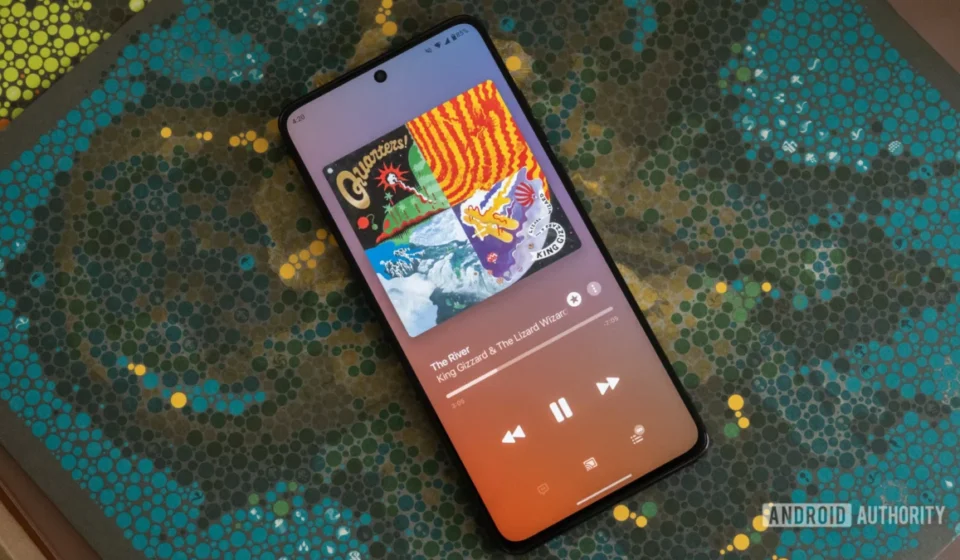
Verizon Adjusts Apple Music Perk Pricing Following Broader Service Rate Hikes, Sparking Industry-Wide Discussion on Streaming Value

In a development that underscores the evolving economics of the digital streaming landscape, Verizon has officially announced an increase in the monthly rates for its Apple Music perk, effective September 1. This adjustment directly follows Apple Music’s recent decision to raise the prices of its Student, Individual, and Family subscription plans, marking the first such increase for the streaming giant in nearly four years. The ripple effect of Apple’s move is now being felt across its partner ecosystem, compelling Verizon to recalibrate its bundled offerings and prompting a broader conversation about the sustained value proposition of music streaming services amidst rising operational costs and inflationary pressures.
A Shift in Subscription Economics: Verizon’s Latest Adjustment
Verizon, a dominant player in the U.S. telecommunications market, has long leveraged strategic partnerships with popular digital services to enhance its mobile plans and attract subscribers. The Apple Music perk has been a significant component of this strategy, offering discounted or bundled access to Apple’s extensive music library. However, the new rates, detailed on Verizon’s official support page, indicate a recalibration of this benefit.
Effective September 1, subscribers to Verizon’s "Play More" and "Do More" unlimited plans will see their Apple Music perk rate increase from $7.99 per month to $8.99 per month. For those on the "Get More" unlimited plan, the rate will similarly climb from $7.99 to $8.99 monthly. Customers utilizing the "Start Unlimited" or "Unlimited Welcome" plans, who previously paid $9.99 per month for the perk, will now be charged $10.99 monthly. These adjustments reflect a consistent $1 per month increase across all affected tiers, mirroring the $1 hike implemented by Apple for its individual and student plans.
Furthermore, Verizon continues to offer a promotional "Apple Music on us" benefit for certain legacy or grandfathered plans, which grants six months of complimentary access to the service. Following this initial six-month period, subscribers on these plans will transition to a monthly payment of $10.99, an increase from the previously implied rate, aligning with the new standard individual subscription price. These changes signify a concerted effort by both Apple and Verizon to align pricing with market realities, though they undoubtedly present a new financial consideration for millions of loyal subscribers.
The Catalyst: Apple Music’s Direct Price Revision
The impetus for Verizon’s perk rate adjustment stems directly from Apple’s broader strategic decision to increase the base prices of its Apple Music subscriptions. Announced earlier this year, the price hikes were the first significant adjustments since 2019, breaking a period of remarkable pricing stability in the face of rising global inflation and increasing content acquisition costs.
The Individual plan, previously priced at $9.99 per month, now costs $10.99 per month. The Student plan, a popular option for eligible academic users, also saw a $1 increase, moving from $4.99 to $5.99 per month. The most substantial change was reserved for the Family plan, which experienced a $3 per month jump, rising from $14.99 to $17.99 per month. Apple’s justification for these increases, though not extensively detailed in public statements, is widely understood within the industry to be driven by several factors. These include a need to offset escalating licensing fees paid to record labels, publishers, and artists, as well as continued investment in original content, spatial audio technologies, and enhancements to the overall user experience.
Globally, Apple Music boasts a significant subscriber base, though it trails behind market leader Spotify. These price adjustments are not isolated to the U.S. market; similar increases have been observed in various international territories, indicating a worldwide recalibration of Apple’s streaming service valuation. This global strategy underscores Apple’s commitment to maintaining profitability and investing in the service’s future, even if it means passing on increased costs to consumers and, by extension, to partner companies like Verizon.
A Chronology of Streaming Service Evolution and Pricing
To fully understand the significance of these recent price hikes, it is essential to contextualize them within the broader history of music streaming and the strategic partnerships that have shaped its accessibility.
2015: Apple Music’s Grand Entrance
Apple Music launched in June 2015, entering a market already dominated by Spotify, which had been operating since 2008. Apple’s initial pricing strategy was aggressive, with an Individual plan at $9.99/month and a Family plan at $14.99/month, matching Spotify’s then-current rates. A key differentiator was the introduction of a Student plan at a discounted $4.99/month, a move designed to capture the lucrative youth demographic. The service also prominently featured exclusive content, artist interviews, and the 24/7 global radio station, Beats 1 (now Apple Music 1).
2017: Verizon’s Strategic Embrace of Streaming
Verizon began its deeper integration with music streaming services in the mid-to-late 2010s as competition in the telecom sector intensified. In August 2017, Verizon announced a significant partnership with Apple, offering six months of Apple Music free to its unlimited plan subscribers. This move was a clear bid to enhance the value proposition of its wireless plans, differentiate itself from rivals, and tap into the growing demand for digital entertainment. The partnership evolved over time, with Apple Music becoming a persistent "perk" in various unlimited tiers, offering either ongoing discounts or fully bundled access, depending on the specific plan. This strategy mirrored similar moves by other carriers, such as T-Mobile’s long-standing Netflix bundle, highlighting the importance of content perks in attracting and retaining mobile subscribers.
2019: The Last Major Apple Music Price Adjustment (for Students)
While the recent hikes are touted as the first "in nearly four years" for Individual and Family plans, it’s worth noting a more subtle adjustment occurred in 2019. Apple expanded its student verification process to more countries and adjusted the student pricing in some regions, though the core $4.99/month in the U.S. remained stable until the recent changes. This period represented a relatively stable pricing environment for the broader Apple Music subscriber base.
2022-2023: The Inflationary Wave and Industry-Wide Hikes
The latter half of 2022 and early 2023 have witnessed a significant trend of price increases across various digital subscription services, including music streaming, video streaming, and even cloud storage. Spotify, for instance, raised its prices in several international markets in 2023, though the U.S. remained unaffected until later. YouTube Music and Premium also saw price adjustments. These moves are largely attributable to global inflationary pressures, rising content licensing costs, increased investment in technology and infrastructure, and a strategic re-evaluation of service value by providers. Apple Music’s and subsequently Verizon’s, recent adjustments are thus part of a broader industry pattern rather than isolated incidents, reflecting a new economic reality for digital consumption.
Understanding the Rationale Behind the Increases
The primary drivers behind these price increases are multi-faceted, extending beyond simple corporate greed to reflect fundamental shifts in the digital content ecosystem.
Rising Content Licensing Costs:
At the core of any music streaming service’s operation are the agreements with record labels, music publishers, and independent artists. These licensing deals, which grant services the right to stream vast catalogs of music, are notoriously complex and often subject to renegotiation. As the streaming market matures and consumption habits shift from physical media to digital, artists and rights holders are increasingly advocating for higher royalty rates. This pressure from the creative side, coupled with the sheer volume of music available and the need to constantly refresh libraries, translates into escalating costs for platforms like Apple Music. These costs are a significant operational expense that must eventually be recouped through subscription fees.
Investment in Enhanced User Experience and Features:
Competition in the streaming space is fierce, driving continuous innovation. Apple Music has invested heavily in features like Spatial Audio with Dolby Atmos, Lossless Audio, and exclusive content such as original documentaries, concerts, and radio shows. Developing and maintaining these high-fidelity audio experiences, creating unique content, and enhancing algorithms for personalized recommendations require substantial research and development budgets. Furthermore, improving server infrastructure to handle millions of simultaneous streams, developing new app features, and ensuring robust cybersecurity all contribute to the overall operational expenditure. These investments, while beneficial to the user, necessitate a sustainable revenue model.
The Broader Economic Landscape:
The current global economic climate, characterized by elevated inflation rates across many developed nations, also plays a crucial role. Like any business, streaming services face increased costs for labor, energy, technology, and marketing. These macro-economic pressures inevitably trickle down to consumer pricing. Companies often absorb some of these increases for a period, but a prolonged inflationary environment necessitates price adjustments to maintain healthy profit margins and continue funding growth and innovation. The "nearly four years" without a price hike for Apple Music’s main tiers demonstrates a period where Apple absorbed these rising costs, but a tipping point appears to have been reached.
The Evolving Competitive Landscape of Music Streaming
The recent price adjustments fundamentally alter the competitive dynamics within the music streaming industry, forcing consumers to re-evaluate their choices based on value, features, and cost.
Comparing Apple Music, Spotify, and YouTube Music:
Before the hikes, Apple Music’s Individual plan at $9.99 was competitive with Spotify Premium’s $9.99. Now, at $10.99, Apple Music’s Individual plan is exactly on par with YouTube Music’s individual plan, which also costs $10.99/month (after its own recent price increase). For family plans, Apple Music’s new $17.99/month price is $1 more expensive than YouTube Music’s $16.99/month Family plan. Spotify’s Family plan remains at $15.99/month, making it the most affordable premium family option among the "big three" for now, at least in the U.S. market.
While price is a significant factor, feature sets also play a crucial role. Apple Music prides itself on its high-fidelity audio options (Lossless and Spatial Audio), deep integration with the Apple ecosystem, and curated content. Spotify, conversely, is lauded for its superior music discovery algorithms, extensive podcast library, and social features. YouTube Music’s unique selling proposition is its seamless integration with YouTube’s vast video library, allowing users to switch between audio and video versions of songs, and access live performances and remixes often unavailable elsewhere.
The Premium Tier Battle:
The ongoing "premium tier" battle is not just about price, but about perceived value. As prices rise, subscribers become more discerning. Factors like sound quality (Lossless, Hi-Res Audio), exclusive content (early album releases, artist interviews), user interface, device compatibility, and additional perks (like YouTube Premium’s ad-free YouTube video experience) all contribute to a service’s overall attractiveness. The slight pricing differences now between these major players mean that these differentiating features become even more critical in swaying consumer decisions.
The Missing Free Tier: A Strategic Gap for Apple Music?
One area where Apple Music consistently lags behind its primary competitors, Spotify and YouTube Music, is the absence of a free, ad-supported tier. Both Spotify and YouTube Music offer free versions that allow users to access a significant portion of their music libraries, albeit with advertisements, limited skips, and sometimes restricted offline listening. This free tier serves as a crucial funnel for converting users to paid subscriptions. Many users begin with the free service, get accustomed to the platform, and then upgrade for an ad-free experience or enhanced features.
For years, industry analysts have debated the strategic implications of Apple Music’s premium-only approach. While it ensures a higher average revenue per user (ARPU), it potentially limits its reach and makes it harder to attract new users who are hesitant to commit to a paid subscription without first experiencing the service.
Rumors of an Ad-Supported Offering:
Interestingly, recent rumors suggest that Apple might be reconsidering its stance on a free tier. Reports from various tech publications indicate that Apple is exploring the possibility of introducing an ad-supported, free version of Apple Music. If this materializes, it would represent a significant shift in Apple’s streaming strategy and could dramatically alter the competitive landscape. A free tier would allow Apple Music to directly compete with Spotify and YouTube Music for the vast audience of casual listeners, potentially expanding its user base significantly and creating a new pathway for conversion to paid subscriptions. However, implementing an ad-supported model comes with its own challenges, including managing ad inventory, ensuring a positive user experience despite advertisements, and navigating complex licensing agreements for a free service.
Verizon’s Bundling Strategy Under Scrutiny
Verizon’s decision to adjust its Apple Music perk pricing is not merely a reaction to Apple’s changes; it also forces a re-evaluation of its broader bundling strategy in a highly competitive telecom market.
Maintaining Value in a Competitive Telecom Market:
Telecom providers like Verizon have increasingly relied on "value-added" services and perks to differentiate their offerings. In a market where core services (calls, texts, data) are largely commoditized, bundles featuring popular streaming services, cloud storage, or even gaming subscriptions become powerful tools for customer acquisition and retention. The Apple Music perk has been a cornerstone of Verizon’s premium unlimited plans. However, as the cost of these underlying services increases, Verizon faces a dilemma: absorb the costs and erode margins, or pass them on to consumers and risk diminishing the perceived value of the perk. By increasing the perk price by $1, Verizon is attempting to strike a balance, acknowledging the increased cost while still offering a discounted rate compared to subscribing directly to Apple Music. This strategy aims to maintain the attractiveness of their higher-tier plans, which are designed to generate higher ARPU.
Impact on Customer Acquisition and Retention:
The effectiveness of these perks lies in their ability to entice new customers and reduce churn among existing ones. If the cost of the perk becomes too high, or the discount too negligible compared to direct subscription, its appeal wanes. In a market where consumers are increasingly sensitive to subscription fatigue and rising costs, every dollar counts. Verizon will need to carefully monitor customer sentiment and churn rates following these changes. Competitors like T-Mobile and AT&T also offer various streaming bundles and perks, and their pricing strategies will continue to influence Verizon’s moves. For instance, T-Mobile’s "Netflix on Us" remains a strong differentiator. The ongoing evolution of these bundled offerings highlights the tightrope walk carriers must perform: providing compelling value without undermining profitability.
Consumer Sentiment and Future Outlook
The immediate reaction from consumers to any price hike is typically one of disappointment and frustration. In an era of "subscription fatigue," where households juggle multiple monthly payments for various digital services, every increase is scrutinized.
Navigating Subscription Fatigue:
Consumers are becoming increasingly conscious of their monthly subscription outlays. While a $1 or $3 increase might seem minor in isolation, when added to potential increases across other streaming services (video, gaming, news), it can quickly accumulate. This pressure encourages subscribers to evaluate which services are truly indispensable and which can be cut or downgraded. The current economic climate amplifies this trend, as discretionary spending comes under greater scrutiny.
What Subscribers Can Expect Next:
It is reasonable for consumers to anticipate further price adjustments across the streaming industry. The factors driving these increases—rising content costs, inflation, and investment in technology—are unlikely to dissipate soon. We may also see more tiered offerings emerge, with services exploring cheaper, ad-supported options or premium tiers with even higher-fidelity audio or exclusive content at a higher price point. The competition will remain fierce, but the battleground may shift from purely subscriber growth to profitability and sustainable ARPU. For Verizon customers, the continued availability of Apple Music as a discounted perk, even with the price adjustment, still represents a saving compared to a direct subscription, reinforcing the value of their premium wireless plans.
In conclusion, the recent Apple Music price increases, and Verizon’s subsequent adjustment to its perk rates, signify a maturing market where the initial race to acquire subscribers at any cost is giving way to a focus on sustainable profitability and enhanced value. While these changes may be met with some consumer resistance, they are indicative of broader economic and industry trends that are reshaping how we access and pay for our digital entertainment. The ongoing evolution of these services, coupled with strategic partnerships and technological advancements, will continue to define the future of music streaming.