Apple Unveils Personalized "Hello" Screen for iPhone Duo Purchases in U.S. Stores

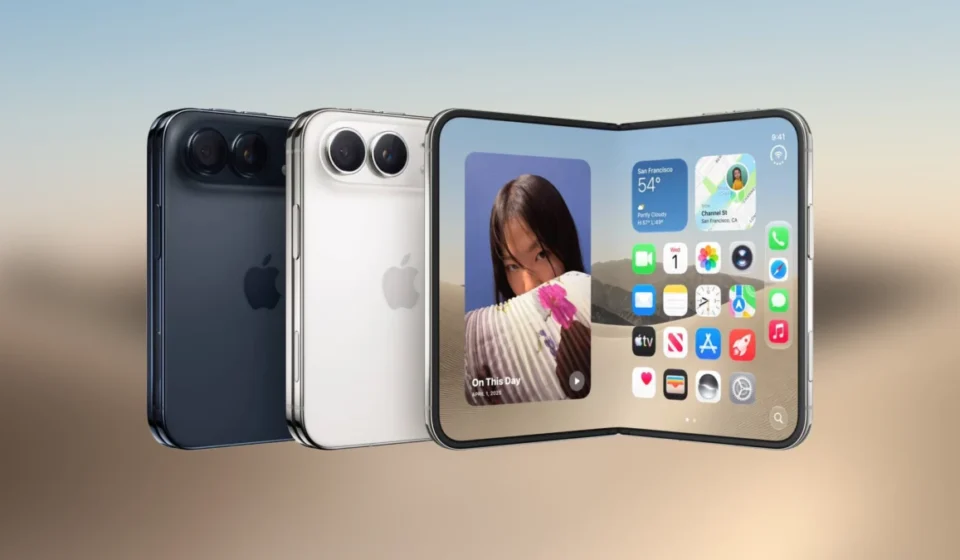
Apple is set to introduce a unique personalization feature for customers purchasing the upcoming iPhone Duo at its retail stores across the United States. Starting with the device’s launch, Apple Store employees will have the capability to customize the initial "Hello" screen that appears when an iPhone Duo is powered on for the first time. This new offering allows the device to greet the new owner by name, a move that signifies Apple’s deepening commitment to a more personal and curated customer experience within its physical retail environment. The personalization will be available in both English and Spanish, reflecting Apple’s significant user base in both languages.
This initiative, as reported by Bloomberg’s Mark Gurman, is designed to add a bespoke touch to the premium iPhone Duo ownership journey. The "Hello, [Buyer’s Name]" message is intended to create an immediate sense of connection and exclusivity for those acquiring Apple’s inaugural foldable smartphone. It is anticipated that this customization option will be available for both devices ordered for in-store pickup and those purchased directly at a retail location, ensuring a broad reach for this new service.
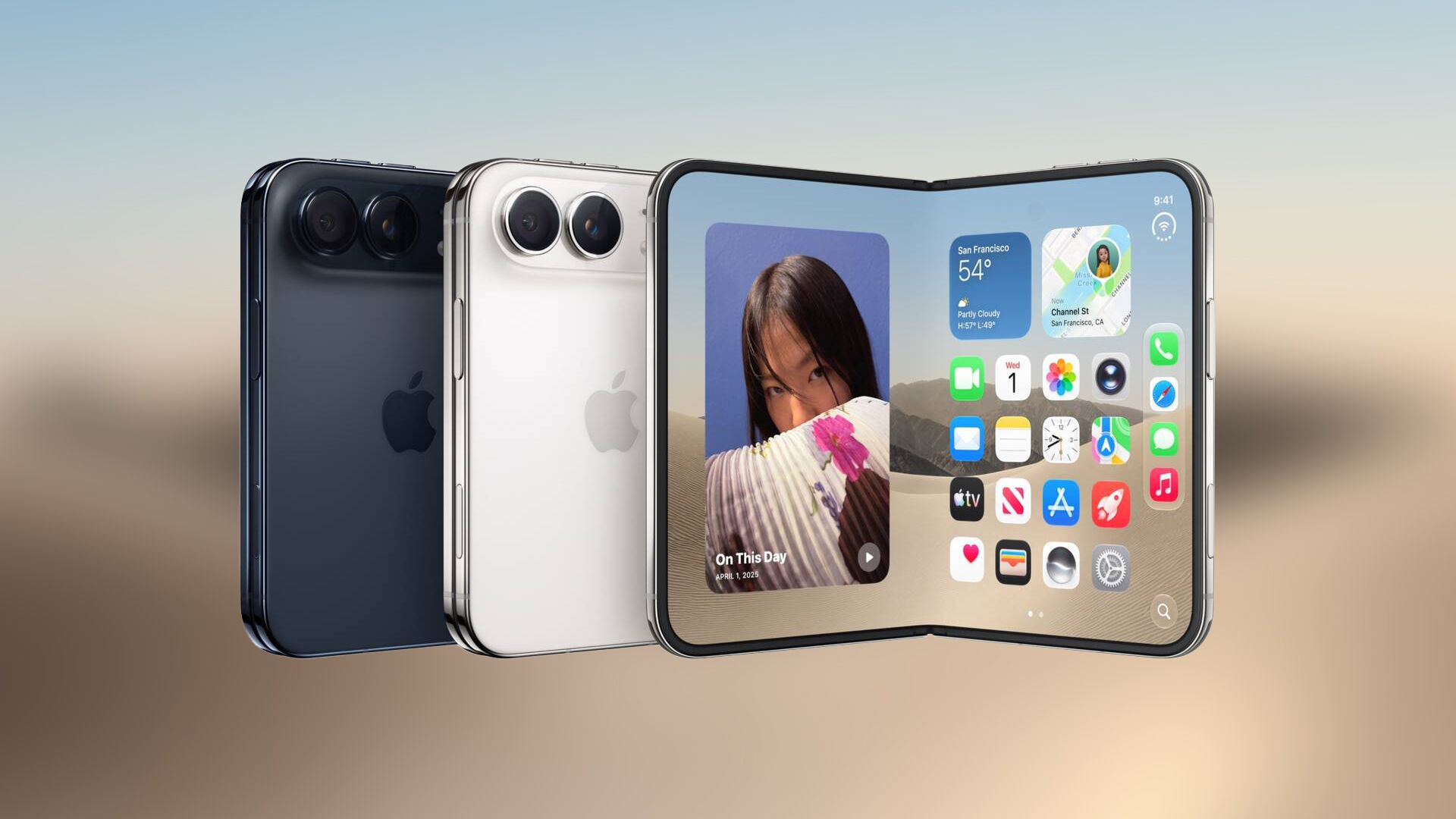
The iPhone Duo, priced starting at $1,999, represents Apple’s ambitious entry into the foldable smartphone market. Pre-orders are scheduled to commence on October 16 at 5 a.m. Pacific Time, with the official launch date set for October 23. The introduction of a personalized welcome screen underscores Apple’s strategy to differentiate its hardware offerings through software and service enhancements, particularly within its controlled retail ecosystem.
A New Era of Personalization in Apple Retail
The decision to offer name personalization on the iPhone Duo’s initial setup screen is a significant evolution in Apple’s retail strategy. Historically, Apple has focused on providing a seamless and intuitive out-of-the-box experience for its devices. However, this new feature elevates that experience by introducing a direct, personalized interaction at the very first boot-up. This move can be interpreted as a response to the growing demand for personalized products and services across various industries, a trend that Apple is now directly addressing within its flagship retail spaces.
The technical implementation of this feature is expected to be integrated into Apple’s existing retail Point of Sale (POS) systems. Employees will likely access a dedicated interface during the checkout or pickup process to input the customer’s preferred name. This name would then be securely provisioned to the device, appearing only during the initial activation sequence, thereby preserving user privacy while delivering a memorable first impression. The inclusion of both English and Spanish options is a practical consideration, acknowledging the linguistic diversity of the U.S. market and Apple’s commitment to inclusivity.
This level of personalization goes beyond simple accessory customization. It involves direct interaction with the device’s core operating system during its initial configuration. This suggests a robust backend system that can manage and deploy these personalized settings efficiently and securely across a high volume of devices. The focus on the "Hello" screen, a universally recognized element of the iPhone experience, makes this personalization particularly impactful.
Contextualizing the iPhone Duo’s Market Entry
The iPhone Duo enters a competitive foldable smartphone market that has seen rapid innovation and increasing adoption by other manufacturers. While Apple has historically entered product categories later than some competitors, its approach often involves refining existing technologies and integrating them into a polished, user-friendly ecosystem. The iPhone Duo is no exception, bringing Apple’s signature design, software integration, and robust ecosystem to the foldable form factor.
The device’s pricing, starting at $1,999, positions it as a premium product, targeting early adopters and consumers seeking cutting-edge technology. This price point also reflects the inherent complexities and costs associated with foldable display technology. The personalization feature at the point of sale can serve as an added value proposition, justifying the premium cost and enhancing the perceived exclusivity of the purchase.
Chronology of the iPhone Duo’s Rollout
- October 9, 2026: Announcement of the iPhone Duo personalization feature for U.S. Apple Stores, reported by Mark Gurman.
- October 16, 2026 (5 a.m. Pacific Time): Pre-orders for the iPhone Duo are scheduled to begin.
- October 23, 2026: The iPhone Duo officially launches, with the personalization feature available at U.S. Apple Stores.
The timeline indicates a swift rollout of this new customer-facing initiative, aligning closely with the device’s market debut. This suggests that Apple has been meticulously planning this retail experience enhancement in parallel with the product development itself.
Supporting Data and Market Trends
The personalization trend is a significant driver in consumer electronics. Studies have shown that consumers are increasingly willing to pay a premium for products that offer a degree of customization. For instance, a report by Statista in 2025 indicated that over 60% of consumers surveyed expressed a preference for personalized products, citing a desire for uniqueness and a better connection to the items they purchase.
The foldable smartphone market, though still nascent compared to the traditional smartphone market, is experiencing significant growth. IDC’s projections for 2026 indicated a substantial year-over-year increase in foldable shipments, driven by improved durability, innovative designs, and increasing consumer interest. Apple’s entry into this segment is expected to further accelerate market growth and push the boundaries of what consumers expect from their mobile devices.
The integration of software-driven personalization within a hardware purchase directly addresses these market dynamics. It leverages Apple’s strengths in both hardware design and software development to create a differentiated retail experience. The "Hello" screen personalization is a subtle yet effective way to tap into the consumer desire for unique and bespoke products.
Reactions and Implications
While official statements from Apple regarding the personalization feature are yet to be released, the move is likely to be met with positive reception from tech enthusiasts and loyal Apple customers. The attention to detail in the initial user experience is a hallmark of Apple’s brand.
Potential Implications:
- Enhanced Customer Loyalty: Personalized touches can foster a stronger emotional connection with the brand, potentially increasing customer loyalty and repeat purchases.
- Differentiation in Retail: This feature provides Apple Stores with a unique selling proposition that distinguishes them from online retailers and competitors’ physical stores.
- Future Personalization Opportunities: The success of this feature could pave the way for more advanced personalization options in future Apple products and retail experiences. This might include custom boot animations, personalized app suggestions based on user profiles, or even tailored iMessage greetings.
- Operational Considerations: Apple will need to ensure its retail staff are adequately trained on the new system and that the personalization process is efficient to avoid significant delays during busy periods. The logistics of managing customer name data securely will also be paramount.
- Competitive Response: It is plausible that other smartphone manufacturers may explore similar personalization strategies for their premium devices or within their own retail channels to remain competitive.
The introduction of this personalization feature for the iPhone Duo is more than just a cosmetic addition; it represents a strategic enhancement of the Apple retail experience. By focusing on a personal touch at the very first interaction with the device, Apple aims to underscore the premium nature of its foldable offering and reinforce its commitment to delivering a uniquely Apple experience from the moment of purchase. This move signals a continued emphasis on the human element within Apple’s technologically advanced ecosystem, promising a more intimate and memorable introduction to its latest innovation.
The iPhone Duo’s dual-display design, featuring a larger inner screen and a more compact outer display, has garnered significant attention. The device’s aspect ratio, close to 1:1.4, has even drawn comparisons to classic IMAX formats, a point that has been acknowledged by IMAX itself in a mixed but intrigued reaction. Furthermore, discussions surrounding the device have touched upon its design choices, including the presence of a crease on the foldable display. Apple executives have publicly addressed concerns about the crease, with hardware engineering VP Tom Marieb stating a commitment to holding the company accountable for its visibility and longevity, suggesting ongoing efforts to mitigate such issues.
The iPhone Duo is also set to miss out on certain features available on contemporary high-end iPhones, such as the iPhone 18 Pro. Notably, it lacks a dedicated telephoto camera with significant optical zoom capabilities, relying instead on its main camera for zoom functionality. This omission highlights the design trade-offs inherent in foldable technology, where compromises are often made to accommodate the complex folding mechanism and battery requirements.
The personalized "Hello" screen initiative, therefore, appears to be a deliberate strategy to enhance the perceived value and emotional connection to the iPhone Duo, particularly in the initial stages of ownership. It aims to offset potential concerns about feature parity or design quirks by emphasizing the bespoke nature of the purchase experience within the curated environment of an Apple Store. This focus on personalized customer service within a tech-centric purchase reinforces Apple’s enduring philosophy of blending innovative technology with human-centric design and service.