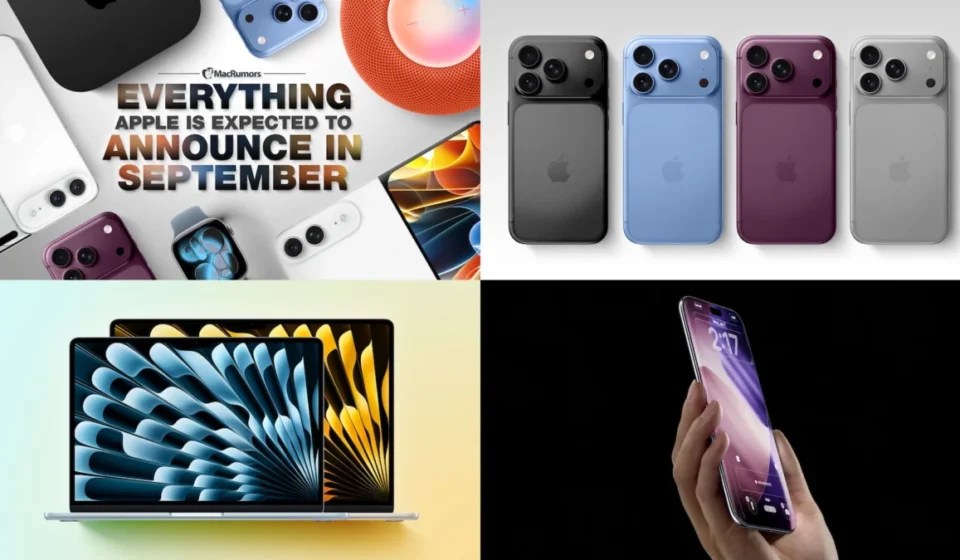

As the tech world eagerly anticipates Apple’s pivotal September product unveiling, the company appears poised to deviate from its traditional single-event format. This year’s highly anticipated iPhone 18 lineup is rumored to be subject to a split launch, a strategic shift that could signal a new approach to product dissemination and market engagement. While the exact reasons for this potential segmentation remain undisclosed, industry analysts suggest it may be a calculated move to manage consumer anticipation, optimize supply chain logistics, or perhaps even to strategically position different tiers of the iPhone 18 models. This development comes at a time when Apple is navigating a complex global supply chain landscape, facing reported shortages of key components and grappling with evolving software functionalities.
The impending September event, a cornerstone of Apple’s annual product cycle, is expected to be a significant affair, potentially introducing at least five new hardware devices. While the iPhone models are the undisputed stars of the show, there is speculation that previously delayed products, particularly those reliant on advanced Siri AI capabilities, might also make their debut. Adding an element of surprise, there are whispers of camera-equipped AirPods emerging much sooner than anticipated, with some reports suggesting a potential launch this year, a departure from earlier projections placing them in 2027. This acceleration in product development, coupled with the logistical complexities of a split launch, underscores the dynamic nature of Apple’s product roadmap.
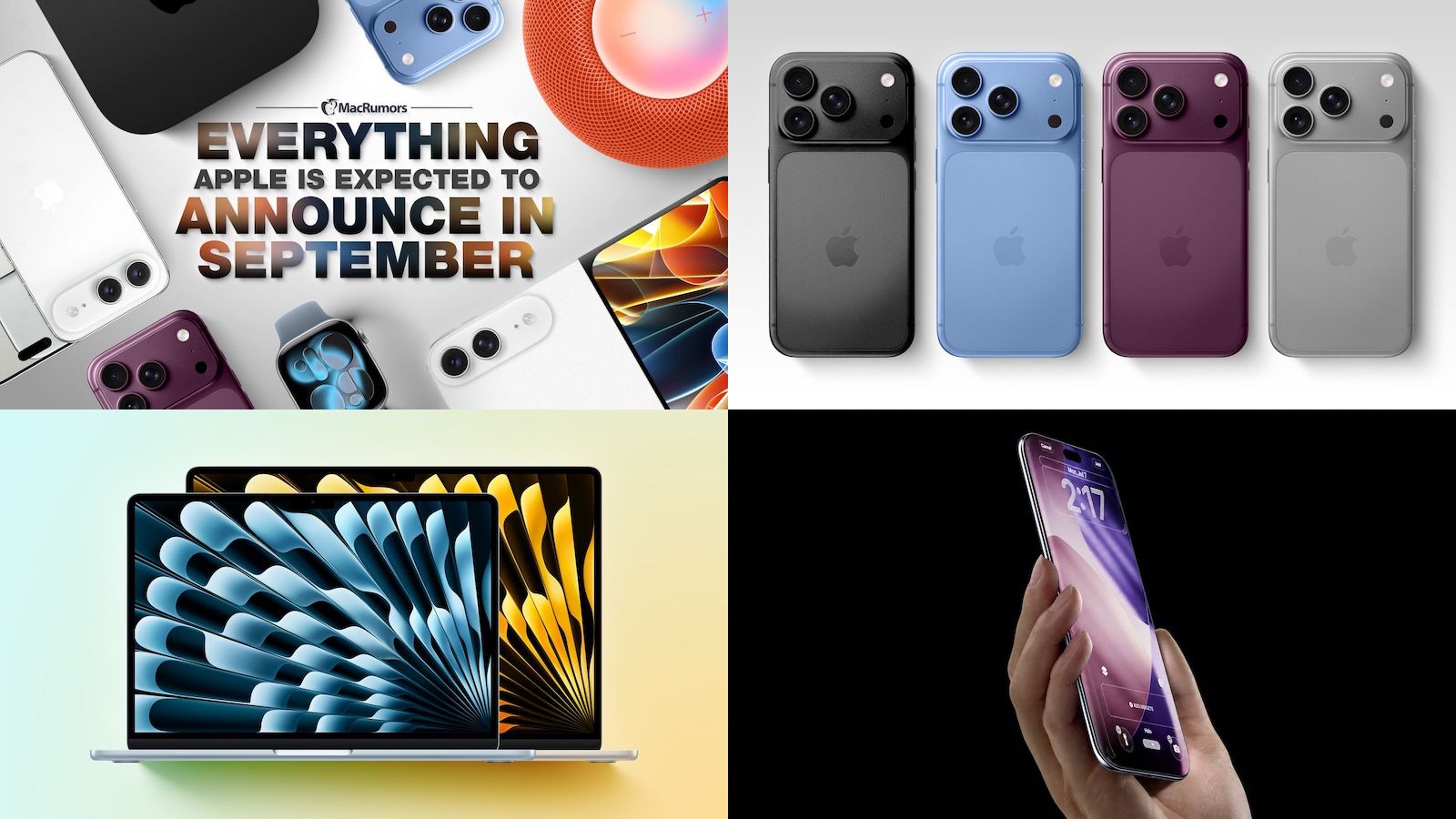
The traditional cadence of Apple’s September iPhone events has historically been a single, high-profile announcement, setting the stage for immediate pre-order availability and subsequent retail release. However, the reported shift to a split launch for the iPhone 18 series introduces a layer of intrigue. This could manifest as separate announcement dates for different models or staggered release windows for various tiers within the lineup. Such a strategy might be employed to build sustained consumer interest throughout the autumn season, allowing Apple to command media attention over an extended period. Alternatively, it could be a direct response to anticipated production bottlenecks. The company’s proactive measures, including reportedly holding a lottery for U.S. retail employees to staff the event at Apple Park, suggest a high level of preparation and a commitment to ensuring a smooth, albeit potentially phased, rollout.
iPhone 18 Pro Price Hike Anticipated Amidst Component Scarcity
A significant talking point surrounding the upcoming iPhone 18 launch is the potential for a substantial price increase, particularly for the Pro models. Following a trend of elevated pricing across Apple’s Mac and iPad portfolios in recent months, industry observers widely expect the iPhone lineup to mirror this trajectory. Analyst Jeff Pu has specifically indicated that the iPhone 18 Pro and Pro Max could see price jumps ranging from $250 to $300. This projected increase is directly attributed to persistent global component shortages, which have significantly impacted manufacturing costs and availability across the consumer electronics sector.

The implications of such a price hike are multifaceted. For consumers, it signifies a growing investment required to acquire Apple’s premium devices, potentially impacting purchasing decisions for a segment of its loyal customer base. For Apple, it could serve as a mechanism to offset rising production expenses while also reinforcing the perceived value and exclusivity of its flagship products. The company’s reported efforts to secure an estimated $1 billion worth of unpackaged processors that are currently idle due to a lack of accompanying memory chips highlight the severity of the supply chain constraints. This logistical bottleneck could not only drive up costs but also lead to significant shortages of the new iPhone models at launch, further intensifying demand for the limited available units.
MacBook Air Faces "Major" Shortage Despite Recent Price Adjustment
Adding to the ongoing supply chain concerns, the MacBook Air is currently experiencing a "major" shortage, a situation that has caught many by surprise, especially considering a recent $200 price increase implemented in June. Mark Gurman of Bloomberg has reported that retail store sources indicate Apple is struggling to maintain stock levels for the popular laptop, with new unit shipments being more constrained than ever recalled. The online Apple Store in the U.S. currently lists delivery estimates for the MacBook Air between two to six weeks, with configurations featuring higher RAM capacities facing the longest delays.

This scarcity of the MacBook Air, a device often lauded for its balance of performance, portability, and price, presents a challenge for both Apple and its customers. The recent price hike, rather than alleviating demand or improving supply, appears to coincide with intensified shortages. This situation underscores the pervasive nature of the global memory crunch, affecting not only mobile devices but also Apple’s laptop offerings. The inability to meet consumer demand for a core product like the MacBook Air could have a tangible impact on sales figures and customer satisfaction, particularly for individuals relying on the device for professional or educational purposes.
Future iPhone Models Hint at Larger Displays and Design Evolution
Looking beyond the immediate September launch, preliminary reports suggest significant changes are on the horizon for future iPhone generations. Apple is reportedly prototyping new iPhone display sizes, with a potential 6.4-inch panel being considered for what is being speculated as the "iPhone 20 Pro." This development, stemming from a Chinese leaker, indicates a continued exploration of larger screen real estate for premium models. Furthermore, a larger approximately 7-inch panel is rumored for the "iPhone 20 Pro Max." While these models would logically fall under the iPhone 19 family, the potential for Apple to leapfrog to "iPhone 20" or "iPhone XX" in recognition of the device’s 20th anniversary in 2027 is a strong possibility.
The longer-term vision for Apple’s pro iPhone models, slated for 2027, points towards a radical design overhaul. Concepts include a more immersive all-glass aesthetic where the display seamlessly wraps around all four edges of the device, accompanied by a significantly reduced display cutout. This ambitious redesign signifies Apple’s commitment to pushing the boundaries of smartphone design and user experience, moving towards a more unified and screen-centric device.
iCloud Private Relay Vulnerability Exposes User IP Addresses
On the software front, a critical vulnerability has been identified within Apple’s iCloud Private Relay service. Security researchers Tommy Mysk and Talal Haj Bakry have revealed that this paid feature, designed to mask users’ IP addresses and DNS information when browsing with Safari, does not consistently deliver on its promise. The researchers found that iCloud Private Relay can, in certain circumstances, expose a user’s real IP address to websites that utilize or simulate the use of passkeys.

It is crucial to understand that iCloud Private Relay is not a comprehensive VPN solution. While it enhances privacy for Safari browsing, it does not mask all device traffic. The vulnerability lies in the way passkeys interact with the WebAuthn standard. The private key is stored on the user’s device, not within the Safari browser itself. Consequently, the system requests sent to websites are not fully protected by Private Relay, creating an avenue for IP address leakage. This disclosure raises significant privacy concerns for users who rely on iCloud Private Relay for an enhanced layer of anonymity and necessitates prompt attention from Apple to address the flaw.
Cross-Platform Clipboard Functionality on the Horizon for iOS and Windows
In a notable development driven by regulatory compliance, Apple is actively working on enabling cross-device copy and paste functionality between iOS devices and Windows PCs. This initiative was spurred by a request from Microsoft through Apple’s EU interoperability request system, implemented to comply with the Digital Markets Act. Apple began evaluating this request in March, and a project plan was subsequently proposed in late June.

The implementation of such a feature represents a significant engineering undertaking. Apple estimates that the work will be completed by the fall of 2027, with a developer beta intended for testing prior to a public release. This timeline suggests that end-users might not gain access to this functionality until early 2028. Initially, the cross-device copy and paste feature is likely to be geographically limited to the European Union, reflecting the specific regulatory impetus behind its development. However, there remains the possibility of a global rollout should Apple deem it beneficial beyond EU compliance. This move signifies a growing trend towards greater interoperability between different operating systems and devices, driven by both consumer demand and legislative mandates.
Broader Implications and Market Dynamics
The confluence of these developments paints a picture of a company navigating a period of significant transition. The potential split launch of the iPhone 18 lineup, coupled with escalating component costs and supply chain disruptions, points to a complex operational environment. The price increases anticipated for the iPhone 18 Pro models, while potentially impacting affordability for some consumers, also reflect the broader economic realities of hardware manufacturing in the current global landscape.

The persistent shortages of devices like the MacBook Air underscore the challenges in scaling production to meet demand, especially when reliant on a tightly controlled global supply chain. This can lead to customer frustration and potential lost sales opportunities. On the software side, the iCloud Private Relay vulnerability highlights the ongoing need for robust security and privacy measures, particularly as users place increasing trust in Apple’s ecosystem. The development of cross-platform features, driven by regulatory pressure, indicates a strategic shift towards greater openness and interoperability, potentially reshaping how users interact with Apple devices in conjunction with other platforms.
As Apple prepares for its September showcase, the company is not only set to introduce new hardware but also to demonstrate its adaptability in the face of evolving market conditions, technological advancements, and regulatory landscapes. The decisions made and the products unveiled in the coming months will undoubtedly have a far-reaching impact on the consumer electronics market and the broader technology industry. The company’s ability to effectively manage its supply chain, address software vulnerabilities, and innovate in product design and functionality will be critical in maintaining its position as a global leader.