Apple’s "Glass-Centric" iPhone Redesign for 2027 Remains On Track, Contradicting Earlier Cancellation Rumors

Monday August 10, 2026 8:10 pm PDT by Eric Slivka
In a move that directly refutes a recent report suggesting the cancellation of Apple’s highly anticipated all-glass iPhone, slated to commemorate the device’s 20th anniversary, Bloomberg’s Mark Gurman has asserted that the "glass-centric" redesign is, in fact, still on schedule for a 2027 launch. The conflicting reports have generated considerable discussion within the tech industry, with analysts and consumers alike closely monitoring developments surrounding Apple’s flagship product.
Earlier today, Jefferies analyst Edison Lee disseminated a report claiming that the ambitious all-glass iPhone, intended to mark a significant milestone for the iconic smartphone, had been shelved. However, Gurman’s reporting, citing sources familiar with Apple’s internal plans, provides a contrasting perspective, indicating that the project has not only avoided cancellation but continues to be a central focus for the company’s future product roadmap.
A Glimpse into the 20th Anniversary iPhone Design
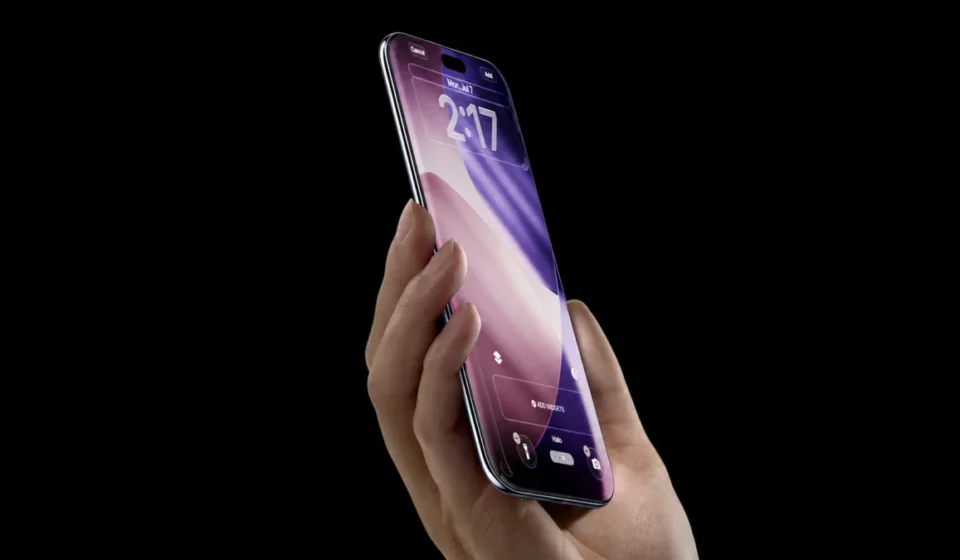
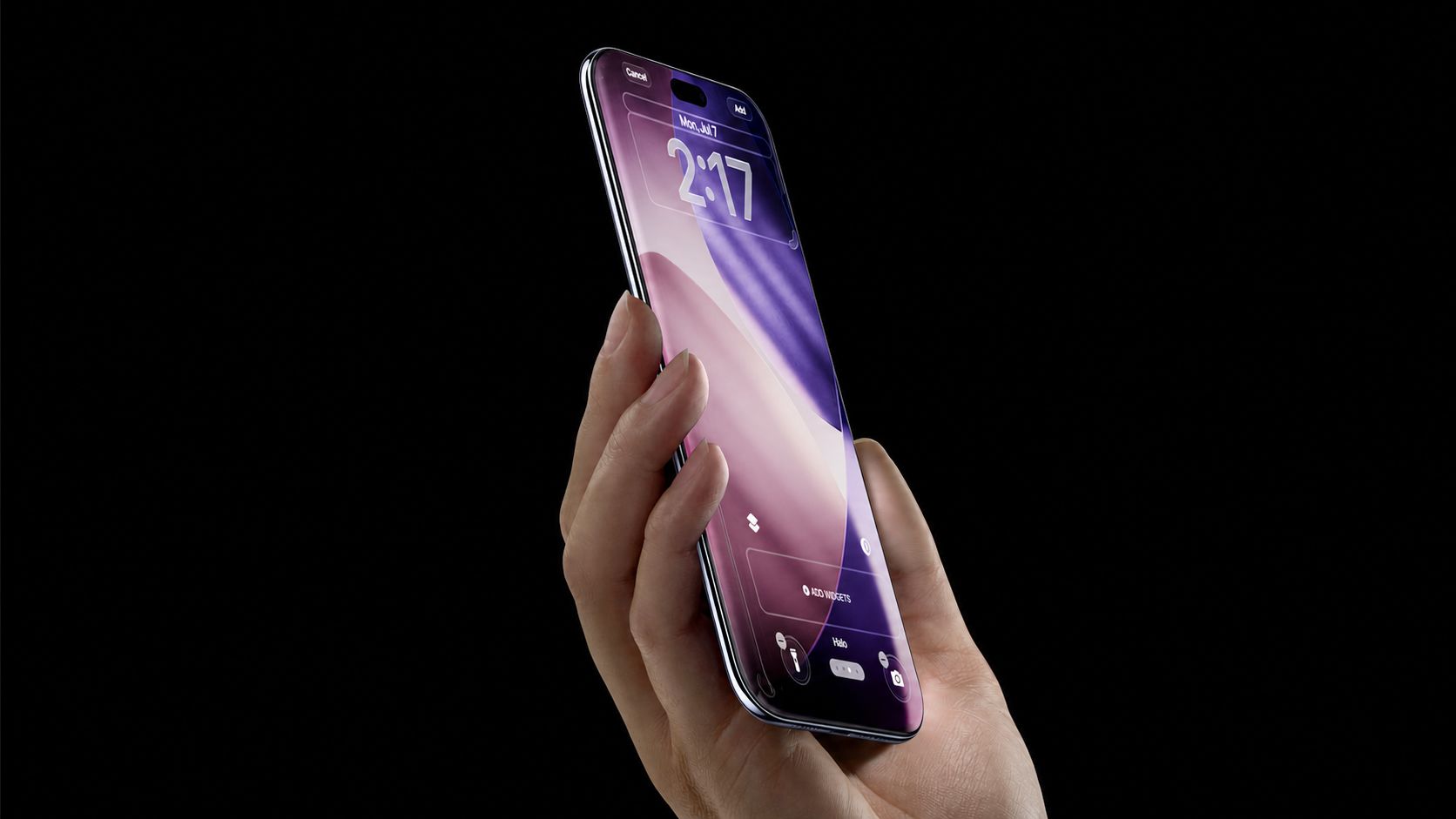
According to Gurman’s reporting, the 20th-anniversary iPhone is poised to feature a substantial increase in glass utilization. The design conceptualized involves both the front and rear surfaces of the device extending and curving around the edges, creating a seamless aesthetic that envelops a slender metal band situated in the middle. This innovative approach aims to deliver a visually striking and tactile user experience, potentially setting a new benchmark for smartphone design.
Internal codenames for the iPhone models incorporating this new design are reportedly V73 and V74. The description suggests a departure from current design paradigms, where glass is primarily confined to the front display and the rear panel. The proposed integration of glass into the device’s sides implies a more unified and minimalist construction, potentially enhancing the device’s premium feel and aesthetic appeal.
Dispelling the Cancellation Narrative
Gurman’s report directly addresses the claims made by Edison Lee, suggesting that while a more "aspirational version" of the all-glass design, which incorporated even more glass, was indeed considered, it was ultimately discarded early in the development cycle. This early-stage conceptual revision, Gurman implies, may be what Lee’s report misinterpreted as a complete cancellation of the entire glass-centric initiative. The key distinction lies in the timing and scope: an early design exploration was abandoned, not the overarching project.
The Jefferies report had also alluded to the all-glass design being earmarked for an entirely new model. However, subsequent rumors and insights from Gurman’s reporting have consistently pointed towards this significant design overhaul being integrated into the Pro and Pro Max iterations of the iPhone lineup for the upcoming year’s release, rather than a separate, distinct model. This aligns with Apple’s typical product segmentation, where Pro models often receive more advanced or experimental design and technological advancements.
Historical Context: The Evolution of iPhone Design
The iPhone has undergone numerous design evolutions since its debut in 2007. The original iPhone featured an aluminum back and a plastic bezel around the screen. Subsequent generations saw the introduction of glass backs, notably with the iPhone 4 and 4S, which utilized a ceramic-like material called "Ceramic Shield" for enhanced durability. The iPhone 5 introduced a unibody aluminum design, followed by the return of glass backs with the iPhone 8 and X series, often combined with stainless steel or aluminum frames.
The pursuit of an all-glass or significantly glass-heavy design is not entirely new for Apple. Early in the iPhone’s history, concepts exploring full glass enclosures were likely considered. The current push towards a more integrated glass aesthetic can be seen as a natural progression, aiming to achieve a sleeker, more modern look and feel while potentially incorporating new material technologies for improved durability and signal transmission.
Industry Reactions and Analyst Perspectives
The conflicting reports from Jefferies and Bloomberg highlight the inherent challenges in forecasting Apple’s product development. Apple maintains a high level of secrecy surrounding its unreleased products, leading to a reliance on supply chain leaks and analyst interpretations, which can sometimes diverge.
Edison Lee’s report, if accurate in its assertion of cancellation, could suggest a significant technical or manufacturing hurdle encountered by Apple. Potential challenges in producing a device with such extensive glass integration include:
- Durability Concerns: Ensuring the structural integrity of a device with minimal metal reinforcement is a considerable engineering feat. The risk of breakage from drops or impacts would be a primary concern for consumer satisfaction and warranty costs.
- Manufacturing Complexity and Cost: Producing precisely curved glass panels that seamlessly integrate with metal frames at scale can be technically demanding and expensive. Yield rates in manufacturing are critical for profitability.
- Antenna Performance: Glass is generally a good material for radio frequency transmission, but the integration of antennas within a glass-heavy design requires careful engineering to avoid interference and ensure optimal signal strength.
- Thermal Management: Dissipating heat effectively from internal components through a glass enclosure can present challenges, potentially impacting performance during sustained heavy usage.
Conversely, Mark Gurman’s confirmation of the project’s continuation suggests that Apple’s engineering teams have either overcome or are confident in their ability to address these potential obstacles. The emphasis on "glass-centric" rather than "all-glass" might also indicate a pragmatic approach, balancing the aesthetic goals with practical considerations.
Broader Implications for the Smartphone Market
If Apple successfully launches a significantly glass-centric iPhone in 2027, it could catalyze a broader trend across the smartphone industry. Competitors are likely to scrutinize Apple’s implementation, potentially leading to a wave of similar designs if the product proves to be a commercial success and technologically sound.
The move also signals a potential shift in material innovation within the smartphone sector. While metal alloys and composites have been dominant in frame construction, a greater reliance on advanced glass formulations and manufacturing techniques could become more prevalent. This could lead to:
- Enhanced Aesthetics: Smartphones could achieve even more sophisticated and minimalist appearances.
- New Haptic Experiences: The feel of glass can offer unique tactile feedback, and designers might explore new ways to leverage this.
- Potential for Integrated Functionality: Future advancements in glass technology could allow for embedded sensors, displays, or charging capabilities directly within the glass surfaces.
The Timeline of iPhone Anniversaries
The 20th anniversary of the iPhone is a significant milestone. The original iPhone was unveiled by Steve Jobs on January 9, 2007, and released on June 29, 2007. This places the 20th anniversary in 2027. The anticipation for a special edition or significantly redesigned iPhone to mark this occasion has been a recurring theme in tech speculation.
The iPhone Pro models, typically launched annually in September, are the usual recipients of Apple’s most advanced features. The fact that the glass-centric design is slated for 2027, aligning with the anniversary, suggests that Apple is planning a substantial product statement for this particular year.
Looking Ahead: Apple’s Design Philosophy
Apple’s design philosophy has consistently prioritized a blend of form and function, often pushing the boundaries of material science and manufacturing processes. From the unibody aluminum construction of the MacBook Air to the Ceramic Shield on the iPhone’s front display, the company has demonstrated a commitment to exploring and implementing innovative materials.
The pursuit of a glass-centric iPhone aligns with this philosophy, aiming for a device that is not only powerful and feature-rich but also aesthetically pleasing and a tactile delight. The success of this endeavor will undoubtedly be a closely watched development in the coming years, with potential to redefine the premium smartphone experience.
While the specifics of the 2027 iPhone remain under wraps, the confirmation from reliable sources like Mark Gurman provides a clear indication that Apple is indeed working towards a significant design evolution for its flagship device, centered around an increased use of glass. The industry will continue to monitor further developments as the 2027 launch date approaches, eager to see if this ambitious vision for the iPhone’s future materializes.