IPhone 18 Launch Strategy Shifts: Standard Model Delayed to Spring 2027, Price Hikes Looming

For the first time since the introduction of its tiered iPhone lineup, Apple is set to deviate from its traditional September launch cycle, with the forthcoming iPhone 18 generation eschewing a standard, entry-level model. Instead, the company is reportedly planning a fall 2026 release featuring only the iPhone 18 Pro, iPhone 18 Pro Max, and a highly anticipated foldable iPhone Ultra. The more accessible, standard iPhone 18 is now slated for a spring 2027 debut, a significant departure from Apple’s established product release cadence. This strategic recalibration, coupled with a projected increase in device pricing, raises critical questions for consumers regarding the optimal time to purchase their next smartphone.
A Shift in Apple’s iPhone Release Strategy
The decision to delay the standard iPhone 18 model marks a significant pivot in Apple’s product rollout strategy. Historically, the company has relied on a September event to unveil its latest iPhone lineup, catering to a broad spectrum of consumer needs and budgets. The introduction of "Pro" models alongside standard versions aimed to provide distinct tiers of features and price points. However, the current trajectory suggests a deliberate effort to differentiate its premium offerings more sharply and potentially to smooth out its revenue streams throughout the fiscal year by staggering major product launches.
This move also comes on the heels of broader economic trends impacting the consumer electronics market. Apple itself has recently implemented price adjustments across its Mac and iPad lines in June 2026, signaling a potential shift in its pricing philosophy. While iPhones have largely remained untouched until now, industry analysts and supply chain reports indicate that this may soon change.
Projected Price Increases and Their Implications
Concerns about escalating costs are a primary factor influencing consumer purchasing decisions. Reports suggest that the iPhone 18 Pro and Pro Max could see price increases ranging from $100 to $300. The standard iPhone 18, though delayed, is also anticipated to be priced higher than its predecessors. This projected inflation is not limited to new models; there is speculation that even existing iPhone 17 models could see a price hike.
TrendForce, a reputable market research firm, has indicated that Apple might leverage the introduction of new Pro models to increase the prices of current-generation iPhones, including the iPhone 17 series. If these price increases materialize across the board, the traditional financial incentive to wait for a prior-generation iPhone to drop in price after a new launch may be significantly diminished. For consumers looking to purchase an iPhone 17 outright, acquiring one now at its current starting price of $799 could represent a considerable saving, especially if future price adjustments are substantial.
Even with financing or payment plans, the perceived savings over a 12- to 24-month period would be less impactful if the new models command a substantially higher price tag. This scenario encourages a more immediate purchase for those seeking to mitigate potential future expenses.
The Diminishing Returns of Waiting: Trade-In Values and Quality Concerns
Beyond direct purchase price, the value of trade-in devices is another crucial consideration. As new iPhone models approach their release, the trade-in value of older iPhones typically depreciates. This means that an older iPhone will be worth more now, before the iPhone 18 Pro models are officially launched, than it will be in the coming months. For consumers planning to offset the cost of a new device through a trade-in, acting sooner rather than later could maximize their return.
Furthermore, emerging rumors regarding the iPhone 18 suggest a potential compromise in build quality and component selection, driven by cost-saving measures. Reports indicate that Apple may opt for a less bright, more cost-effective display panel and integrate A20 chips with a reduced number of GPU cores. There is also speculation that certain components from the anticipated low-cost iPhone 18e could be incorporated into the standard iPhone 18. If these rumors prove true, the distinction in performance and display quality between the standard iPhone 18 and the higher-end models might narrow, but not necessarily in a way that enhances the value proposition of the standard model. Instead, it could mean that the iPhone 17, with its current component standards, might offer a more robust user experience compared to a cost-optimized iPhone 18, especially when factoring in potential price increases.
Software Features and RAM Limitations
The debate over RAM allocation for the iPhone 18 also presents a nuanced picture for potential buyers. Conflicting reports have emerged regarding the device’s RAM capacity, with some suggesting 12GB while others, including prominent analyst Ming-Chi Kuo, predict a 9GB configuration. This distinction is critical, particularly concerning the capabilities of iOS 27.
Features such as advanced Siri voice customization and dictation, which are expected to be key functionalities in iOS 27, reportedly require 12GB of RAM. If the iPhone 18 is indeed equipped with only 9GB of RAM, it would not be able to support these cutting-edge software features. Notably, the current iPhone 17 also lacks 12GB of RAM and therefore does not offer these advanced functionalities. This means that waiting for the iPhone 18 offers no immediate software advantage in this regard, unless Apple surprises with a 12GB RAM configuration. For users prioritizing these specific iOS 27 features, the current iPhone 17 will not suffice, and the decision to wait for the iPhone 18 hinges entirely on Apple’s final RAM decision and its implications for software support.
The Enduring Appeal of the iPhone 17
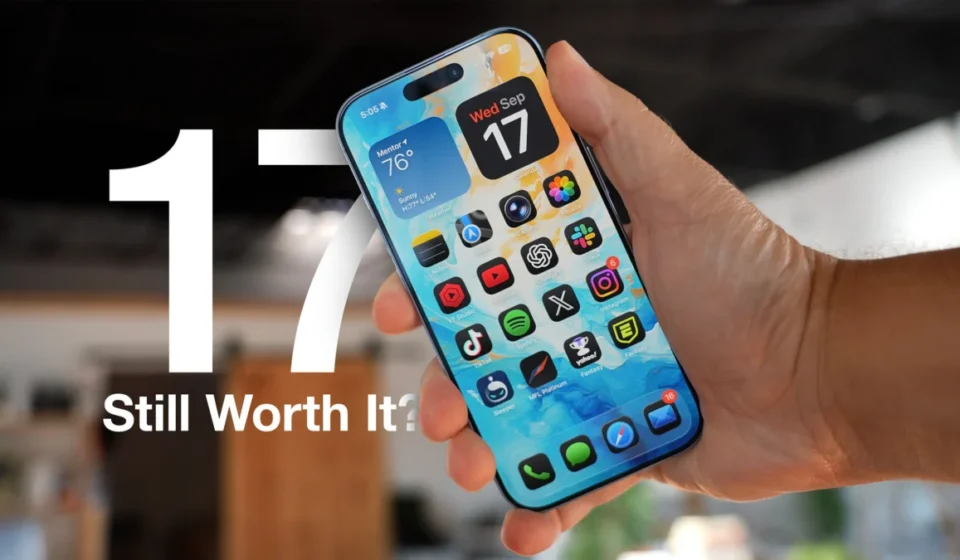
Despite the anticipation surrounding the iPhone 18 lineup, the iPhone 17 remains a compelling option, particularly for a wide range of consumers. In the context of Apple’s 2026 iPhone Buyer’s Guide, the iPhone 17 is frequently recommended for its balanced offering of premium features, robust performance, and attractive price point. It successfully bridges the gap between the standard and Pro models, incorporating many of the advanced functionalities that were once exclusive to the higher-tier devices.
The iPhone 17 boasts key features such as the 120Hz ProMotion display and Always-On capability, shared with its Pro counterparts. Its camera system, featuring Wide and Ultra Wide lenses, delivers excellent photographic results, and its processor provides ample speed for everyday tasks and demanding applications. While it omits the Telephoto lens found on Pro models, has less RAM, and features a less durable chassis and a smaller battery, these compromises are often deemed acceptable for the majority of users, especially when weighed against the significant cost savings.
For individuals upgrading from older models such as the iPhone 13, iPhone 14, or iPhone 15, the iPhone 17 represents a substantial leap forward in technology and user experience. The primary drivers for delaying a purchase would be specific, unconfirmed features rumored for the iPhone 18 or a desire to capitalize on potential future price drops, which, as discussed, may be less significant than in previous years. The combination of immediate availability, current pricing, and a feature set that remains highly competitive makes the iPhone 17 a practical choice for many.
Navigating the Waiting Game: Cost vs. Future Innovation
The decision to buy an iPhone 17 now or wait for the iPhone 18 is ultimately a personal one, heavily influenced by individual priorities and financial considerations. The potential for increased pricing across both new and existing models, coupled with the diminishing value of trade-ins and potential compromises in component quality for the standard iPhone 18, paints a picture where purchasing the iPhone 17 in the near term could be the more financially prudent decision.
The uncertainty surrounding the exact pricing of both iPhone 17 and iPhone 18 models in spring 2027 adds another layer of complexity. A wait of approximately six months beyond the typical September release window for a device that is already a capable and well-rounded offering presents a significant delay for consumers eager for an upgrade. While the iPhone 18 Pro and Pro Max, along with the iPhone Ultra, are expected to offer the latest in Apple’s mobile innovation, the delayed release of the standard iPhone 18 suggests a strategic recalibration that might not offer the immediate value proposition previously associated with Apple’s entry-level flagships. Consumers are thus faced with a choice: secure a highly capable iPhone 17 at current prices or gamble on the unknown pricing, feature set, and potential quality of a delayed, potentially re-positioned standard iPhone 18 in the spring of 2027.