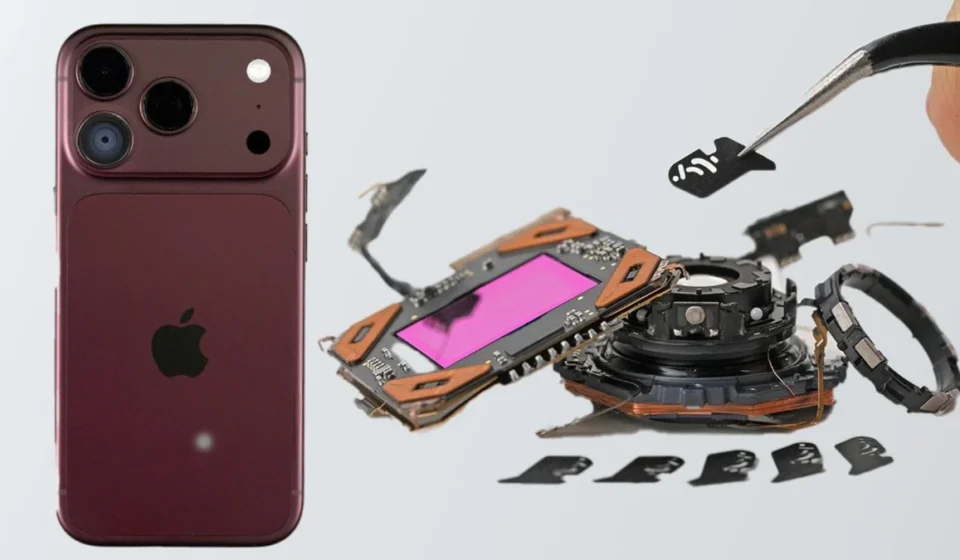
IFixit Delves Deep into iPhone 18 Pro and iPhone 18 Pro Max, Revealing Internal Innovations and Repair Challenges

The highly anticipated iPhone 18 Pro and iPhone 18 Pro Max have undergone their first public dissection, with iFixit releasing a comprehensive teardown report and accompanying video on Sunday, September 20, 2026. This in-depth examination provides the first official glimpse into the internal architecture of Apple’s latest flagship smartphones, shedding light on key hardware advancements, design choices, and potential repairability concerns that have emerged following their unveiling at the "Surprise and Shine" event on September 9, 2026.
Internal Architecture and Key Hardware Revelations
iFixit’s detailed analysis confirms the battery capacities for the eSIM-only models of the iPhone 18 Pro and iPhone 18 Pro Max. These models, which have entirely ditched the physical SIM card tray, are now exclusively sold in the United States, Canada, Mexico, Japan, Saudi Arabia, the United Arab Emirates, Qatar, Oman, Bahrain, and Kuwait. The absence of a SIM tray in these regions is a significant shift, aligning with a broader industry trend towards digital SIM adoption. For consumers in other international markets, the iPhone 18 Pro and Pro Max retain the traditional SIM card tray, indicating a phased global rollout of the eSIM-only strategy. Battery capacities for iPhone 18 Pro models equipped with SIM card trays had been previously reported, adding another layer of detail to the device’s power management.
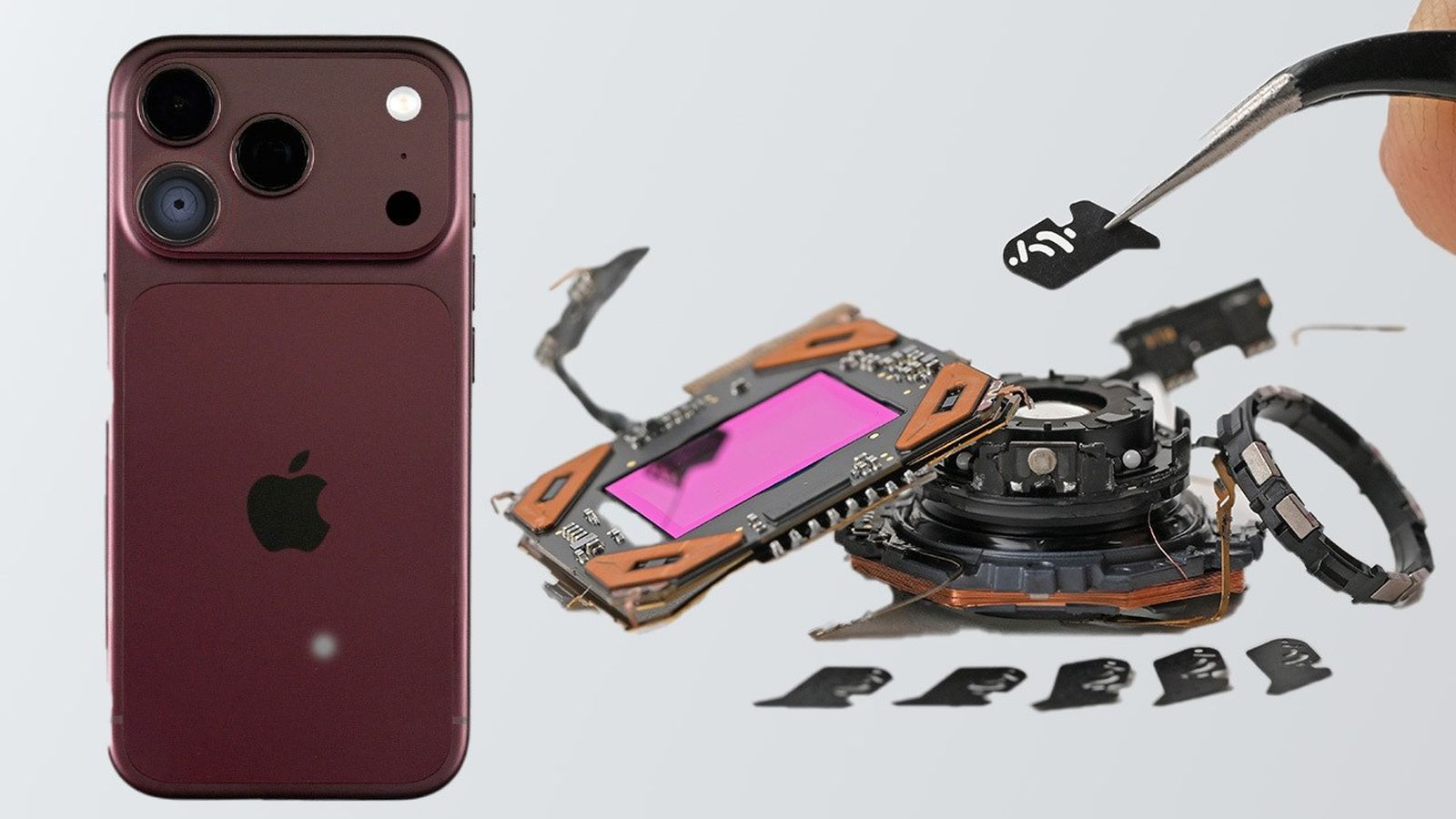
Beyond battery specifications, the teardown reveals several other notable internal upgrades. A key innovation highlighted is the new variable aperture system integrated into the camera modules of both the iPhone 18 Pro and Pro Max. This advanced photographic technology promises greater control over light intake, potentially leading to improved image quality in a wider range of lighting conditions and offering enhanced creative flexibility for photographers. The report also details a larger vapor chamber cooling system within the devices. This enhanced thermal management solution is crucial for dissipating heat generated by the powerful new A18 Bionic chip and other high-performance components, suggesting that Apple has anticipated increased processing demands and potential thermal challenges, especially during intensive tasks like gaming or high-resolution video recording.
Design Adjustments and Repairability Implications
A significant finding from the iFixit teardown relates to the internal layout of the logic board. The NAND flash storage, a critical component for device storage, has been repositioned to sit within a dual-layer logic board. iFixit’s analysis suggests that this architectural change could make storage-related repairs considerably more inconvenient and potentially more expensive. Accessing and replacing the NAND on a stacked logic board is inherently more complex than on a single-layer board, potentially increasing labor costs and the risk of damage during repair attempts.
Furthermore, the teardown report highlights a concerning new issue encountered with the screen assembly. On three out of the four iPhone 18 Pro models examined, the plastic frame surrounding the display reportedly cracked or broke away during the disassembly process. This is a departure from previous iPhone generations, where such fragility was not a prominent concern. While iFixit stresses that further testing is necessary to fully understand the scope and implications of this issue, it raises immediate questions about the device’s durability and the potential for accidental damage during everyday use or repairs. The implications of a potentially more brittle display frame could lead to increased repair costs for screen replacements and a greater need for protective cases.
Context of the iPhone 18 Pro Launch
The release of the iPhone 18 Pro and Pro Max follows a period of intense speculation and anticipation within the technology sector. The "Surprise and Shine" event, held on Wednesday, September 9, 2026, at 10:00 a.m. Pacific Time, was widely predicted to be the stage for Apple’s latest smartphone unveils. Alongside the Pro models, rumors and industry analyses had suggested the debut of a first-generation foldable iPhone, potentially named the iPhone Duo, alongside updates to the Apple Watch lineup, including the Apple Watch Series 12 and Ultra 4 models, and new AirPods 5 earphones.
Leading up to the official announcement, pricing estimates had already surfaced, with research firm TrendForce projecting that the iPhone 18 Pro would see a notable price increase compared to its predecessors. TrendForce’s estimations indicated a starting price of $1,249 for the iPhone 18 Pro, a significant jump from the iPhone 17 Pro’s starting price of $1,099. This projected price hike, coupled with the introduction of new features and technologies, underscored the premium positioning of Apple’s flagship devices. The event itself was broadcast live across multiple platforms, including Apple’s website, YouTube, and the company’s TV app, allowing a global audience to witness the unveiling of these highly anticipated products.
A Timeline of Pre-Launch Information
The period leading up to the iPhone 18 Pro’s official release was characterized by a steady stream of leaks, rumors, and official confirmations regarding various aspects of the new devices.
- September 3, 2026: Less than a week before the Apple event, research firm TrendForce published its estimated pricing for the iPhone 18 Pro models, projecting a higher starting price than the previous generation. This report, authored by Tim Hardwick, provided early financial context for consumers.
- September 8, 2026: Another article by Tim Hardwick offered a comprehensive "cheat sheet" for the upcoming Apple event, consolidating rumors and expectations surrounding the iPhone 18 Pro and the anticipated iPhone Duo. This served as a quick reference for enthusiasts and industry watchers.
- September 9, 2026: The "Surprise and Shine" event commenced, where Apple officially unveiled the iPhone 18 Pro and iPhone 18 Pro Max. Jordan Golson’s live blog coverage detailed the announcements as they happened, confirming many of the pre-event speculations.
- September 9, 2026: Following the event, iFixit’s initial reports began to emerge, hinting at the internal structures and potential repairability of the new devices.
- September 20, 2026: iFixit published its full teardown report and video, offering a detailed, hands-on examination of the iPhone 18 Pro and iPhone 18 Pro Max. This marked the culmination of the initial post-launch hardware analysis.
Broader Impact and Future Implications
The findings from iFixit’s teardown have several implications for consumers, repair technicians, and the broader smartphone industry. The move towards eSIM-only models in key markets signifies a definitive step away from physical SIM cards, a transition that will require consumers to adapt to digital SIM management. While this streamlines device design and potentially enhances water resistance, it also raises concerns about accessibility for users who may prefer or require physical SIMs, as well as the potential for digital lock-in.
The increased complexity of the logic board and the reported fragility of the screen frame could signal a trend towards reduced repairability in future iPhone generations. This aligns with a broader debate surrounding the "right to repair" movement, which advocates for making electronic devices easier and more affordable to fix. If repair costs for the iPhone 18 Pro become significantly higher, it could place a greater financial burden on consumers and potentially encourage more frequent device upgrades, with associated environmental implications.
Apple’s continued focus on advanced internal components, such as the larger vapor chamber and variable aperture system, underscores its commitment to pushing the boundaries of mobile technology. These innovations are designed to enhance user experience through improved performance, camera capabilities, and thermal efficiency. However, the technical challenges associated with integrating these advanced features are evident in the increased repair complexity.
The iFixit teardown serves as a crucial independent assessment of Apple’s engineering decisions. While Apple typically focuses on the user benefits of its technological advancements, iFixit’s work provides a vital counterpoint by scrutinizing the practicalities of device construction and long-term maintainability. The detailed reports and videos produced by iFixit empower consumers and repair professionals with the knowledge needed to make informed decisions about purchasing, maintaining, and repairing their devices. As the smartphone market continues to evolve, the balance between cutting-edge innovation and user accessibility in terms of repairability remains a critical area of focus for both manufacturers and consumers alike.