
Apple’s Camera-Equipped AirPods Delayed to 2027 Amidst Supply Chain and Software Hurdles

Apple’s highly anticipated AirPods equipped with integrated cameras, a feature that has fueled considerable industry speculation, are now reportedly slated for a 2027 launch. This revised timeline, detailed by Bloomberg’s Mark Gurman, contrasts with earlier indications and the recent discovery of a demo video showcasing the technology within macOS Tahoe’s beta release. The delay is attributed to ongoing challenges in both Apple’s supply chain and the intricate software development required to integrate these novel camera functionalities seamlessly into the AirPods experience.
Unveiling the Camera AirPods: A Journey of Speculation and Setbacks
The revelation of camera-equipped AirPods first gained significant traction earlier this week when MacRumors unearthed a demo video embedded within the macOS Tahoe 26.7 release candidate. This discovery strongly suggested an imminent product launch, sparking a flurry of excitement and analysis across technology news outlets. However, individuals familiar with the project have informed Gurman that the product’s debut is still some distance away, indicating that the presence of the demo video within the operating system release was not a direct precursor to immediate market availability.
The initial roadmap for these innovative earbuds was evidently more optimistic. As recently as May, Gurman reported that the camera AirPods were in an "advanced" testing phase, with mass production expected to commence shortly thereafter. This suggested a potential launch within the latter half of 2026. However, by June, the timeline had shifted, with reports indicating a delay until late 2027. This fluctuation in reporting underscores the dynamic and evolving nature of product development within Apple, particularly for groundbreaking technologies that require extensive refinement.
Adding another layer to the evolving narrative, early August saw a potential reversal, with Gurman suggesting that the camera-equipped AirPods could be released as soon as September. This report also introduced a critical detail: the existence of two distinct variants of the camera AirPods under development. These were internally codenamed B790 and B798. Gurman explained this internal competition, a strategy Apple has historically employed, where multiple versions of a product are developed concurrently to explore different approaches and features before a final selection is made.
Decoding the Dual Variants: AirPods Pro 3 and a New Generation
Further clarification emerged in Gurman’s latest report, distinguishing the roles of the B790 and B798 codenames. The B790 is now identified as a version of the forthcoming AirPods Pro 3, incorporating cameras. This particular model appears to be the one featured in the recently discovered demo video. The video depicted a user holding a book up to the AirPods, enabling Siri to read the title, a demonstration of the intended "Visual Intelligence" capabilities.
Conversely, the B798 codename is associated with a completely new generation of AirPods Pro, also featuring cameras. The B790 model, which was reportedly on Apple’s 2026 product roadmap until very recently, has now been removed from that schedule. This implies that the focus has shifted, or that significant challenges arose specifically with the B790 variant that necessitated its postponement.
The Core Functionality: Visual Intelligence, Not Photography
Crucially, the cameras integrated into the AirPods planned for 2027 are not intended for capturing traditional photos or videos. Instead, their primary function will be to feed low-resolution visual data to the AirPods’ internal processing unit, enhancing Siri’s capabilities through advanced Artificial Intelligence. This "Visual Intelligence" feature aims to enable the AirPods to better understand and interact with the user’s environment. For example, as demonstrated, the AirPods could assist in reading text from objects, potentially aiding users with visual impairments or simply offering a more seamless way to interact with information in the real world.
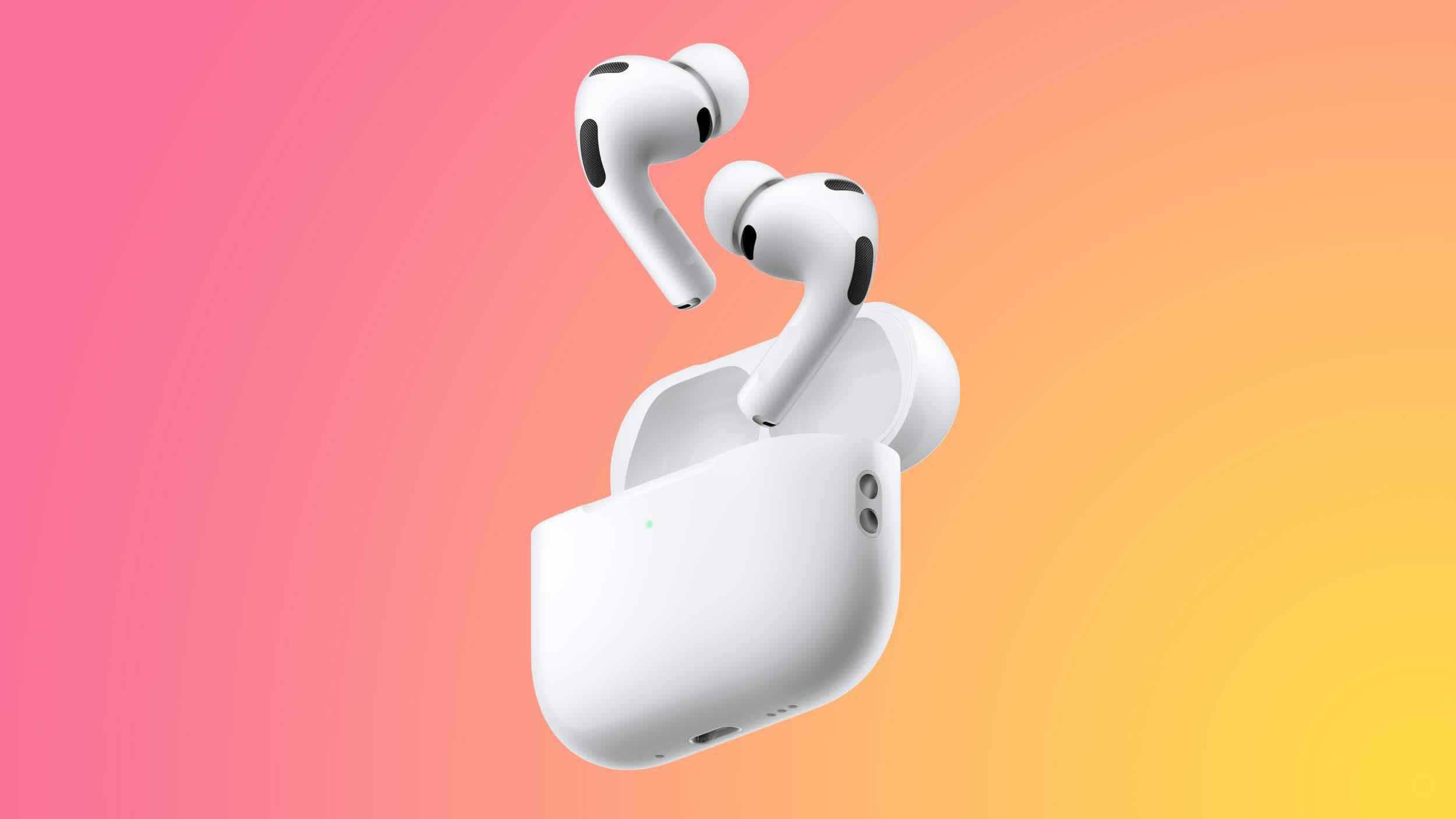
The implications of this technology are far-reaching. By leveraging on-device AI, Apple could unlock a new paradigm of contextual awareness for its audio products. Imagine AirPods that can identify objects, recognize faces (with privacy considerations paramount), or even provide real-time environmental analysis. This move positions Apple to compete in the burgeoning market of AI-powered wearables, extending beyond smartwatches and fitness trackers into more integrated and subtle form factors.
Navigating Supply Chain and Software Complexities
The primary obstacles preventing an earlier launch are multifaceted. The complexities of integrating miniature camera modules into the AirPods’ already compact design present significant manufacturing challenges. Ensuring consistent quality, durability, and battery efficiency with these added components requires meticulous engineering and robust supply chain management. Apple’s stringent quality control standards often lead to extended development cycles, especially when introducing entirely new hardware capabilities.
Furthermore, the software integration is equally critical. The Visual Intelligence features demand sophisticated algorithms for image processing, object recognition, and seamless integration with Siri and other Apple services. Developing these AI models, ensuring their accuracy, and optimizing them for on-device performance without compromising battery life or audio quality are substantial undertakings. The need for these software elements to be mature and reliable before a public release is a key factor in the extended timeline.
Potential Launch Scenarios and Broader Market Impact
While the 2027 launch is the current projection, the exact timing remains subject to Apple’s internal development progress. A significant possibility, as alluded to by Gurman, is the launch of these camera-equipped AirPods in the fall of 2027. This timeframe coincides with the 20th anniversary of the iPhone, a milestone that could be accompanied by a suite of significant product announcements and updates from Apple. The symbolic weight of launching such a revolutionary accessory alongside a landmark iPhone release could provide a powerful marketing narrative.
The introduction of camera-equipped AirPods has the potential to reshape the wearable technology landscape. It could blur the lines between audio devices and augmented reality interfaces, laying the groundwork for future innovations. As consumers increasingly embrace AI-driven experiences, AirPods with advanced visual processing capabilities could become a central hub for interacting with the digital and physical worlds. This could also spur innovation from competitors, accelerating the development of similar technologies across the industry.
However, Apple will undoubtedly face scrutiny regarding privacy. The integration of cameras, even for internal processing, raises questions about data collection and user consent. Apple’s established reputation for prioritizing user privacy will be put to the test, and the company will need to be transparent about its data handling practices and provide robust privacy controls to build consumer trust. The success of these camera AirPods will hinge not only on their technological prowess but also on Apple’s ability to assuage privacy concerns effectively.
The journey of the camera-equipped AirPods from concept to potential reality has been marked by evolving timelines and technological hurdles. While the immediate launch anticipated by some has been deferred, the underlying ambition to imbue audio devices with advanced visual intelligence remains a compelling prospect. The 2027 target, though distant, suggests that Apple is committed to delivering a polished and impactful product that could redefine the capabilities of personal audio technology. The coming years will be crucial in observing how Apple navigates these challenges and ultimately brings this innovative vision to market.