Google’s Pixel 11 Pro Unveiling Sparks Concerns Over Accelerated Upgrade Cycles Driven by AI Exclusivity

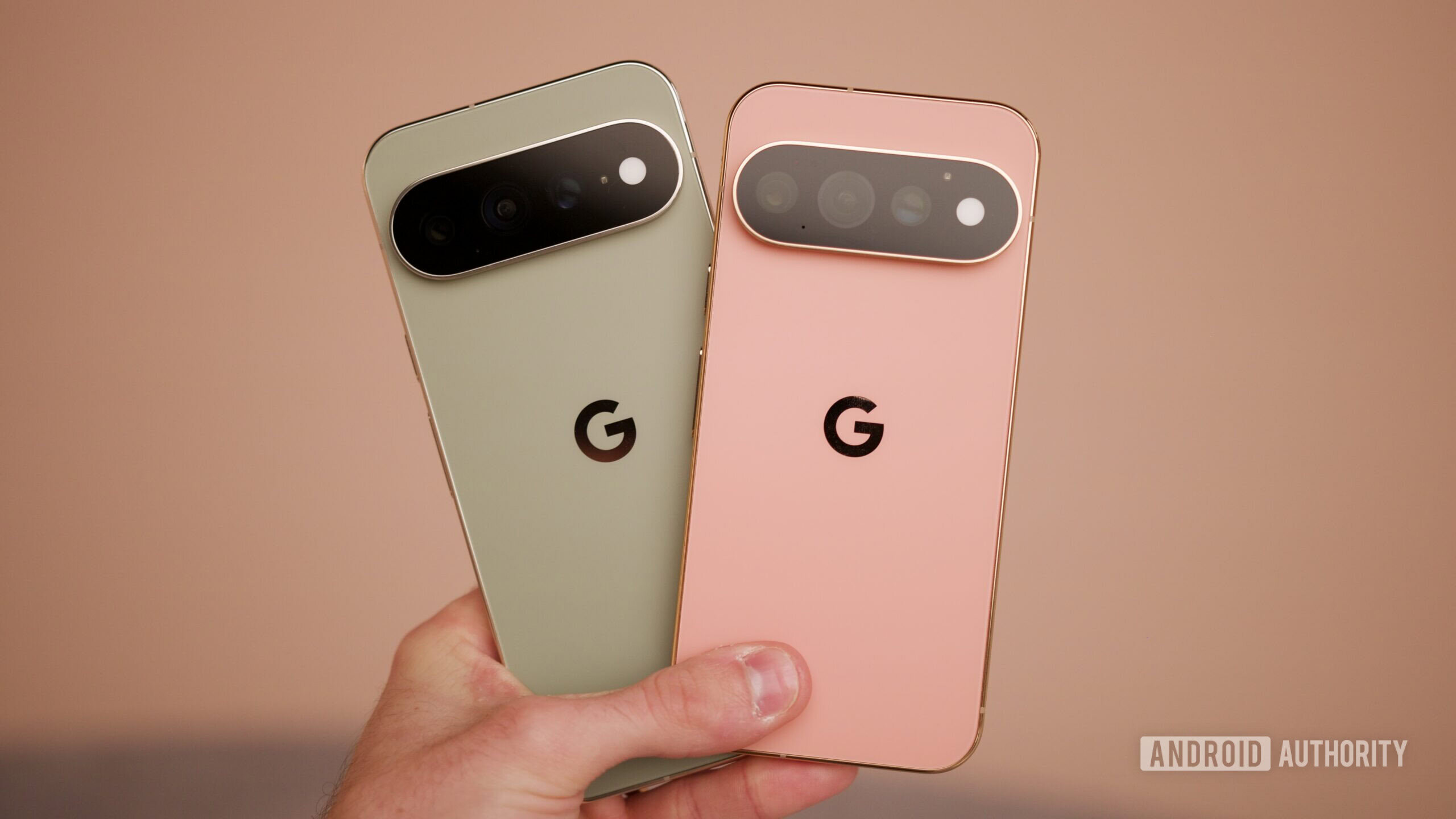
The recent unveiling of the Google Pixel 11 Pro has ignited considerable discussion and frustration among technology enthusiasts and consumers, primarily due to strategic decisions that appear to signal a deliberate shift in Google’s approach to smartphone upgrades. While the device itself introduces new features, the announcement was marred by a noticeable price increase for its flagship models, coupled with a reduction in base model RAM, from 16GB to 12GB, on the Pro variants. This combination of paying more for seemingly less, regardless of the nuanced arguments about actual user experience impact, has been perceived by many as a step backward, particularly for a brand that has often positioned itself as offering premium experiences at competitive values. Beyond these immediate hardware specifications, the Pixel 11 Pro’s strategic positioning reveals a more profound narrative about how Google, and indeed the broader smartphone industry, intends to compel users into more frequent device upgrades, a strategy increasingly centered on artificial intelligence capabilities rather than raw hardware prowess.
The Pixel 11 Pro Launch: A Dual-Edged Announcement
The launch event for the Pixel 11 Pro was met with a mixed reception. On one hand, Google showcased impressive advancements in its software and AI ecosystem, continuing its tradition of innovation in these areas. On the other hand, the hardware specifications and pricing structure raised immediate red flags. The decision to increase the price of the Pixel 11 Pro, a flagship device, while simultaneously downgrading the base RAM configuration, has been a contentious point. While 12GB of RAM is still substantial for most everyday smartphone tasks and even many demanding applications, the optics of "paying more for less" are undeniably poor for consumers. This move runs counter to the general expectation of incremental improvements or at least stable specifications year-over-year at a given price point.
Industry observers note that this pricing and specification adjustment might be an attempt by Google to either increase profit margins in a highly competitive market or to further differentiate its higher-tier models, potentially pushing users towards more expensive configurations with increased storage or RAM. However, the immediate reaction from the user base, particularly the "Android enthusiast" segment, suggests a degree of alienation. This group, often keenly aware of technical specifications, perceives such changes as a devaluation of the core product.
Google’s Strategic Pivot: Selling Experiences, Not Just Hardware
A deeper analysis of the Pixel 11 Pro’s launch rhetoric reveals Google’s overarching strategy: to market an "experience" driven by software and artificial intelligence, rather than focusing on conventional hardware benchmarks. During the presentation, there was a noticeable de-emphasis on the raw computational power of the new Tensor G6 chipset. Instead, Google strategically highlighted the improved performance of the G6’s Tensor Processing Unit (TPU) and its enhanced AI capabilities.
The Tensor Processing Unit (TPU) is a custom-designed ASIC (Application-Specific Integrated Circuit) developed by Google specifically for neural network machine learning, which forms the backbone of modern AI. Unlike general-purpose CPUs or graphics-intensive GPUs, TPUs are optimized for the specific calculations required by AI models, such as matrix multiplications, leading to significant power efficiency and speed advantages for AI workloads. By emphasizing the G6’s improved TPU, Google is signaling that the future of the Pixel experience lies squarely in AI-driven functionalities.
A prime example of this focus is the introduction of "Google Rambler." This innovative feature promises to take a user’s unedited "stream-of-consciousness rambling" and transform it into polished, coherent text suitable for sharing. The demonstrations of Rambler were compelling, showcasing Google’s continued leadership in natural language processing and text-to-speech technologies. Such a feature, if widely adopted, could genuinely enhance productivity and communication, appealing to a broad demographic beyond traditional tech enthusiasts.
The Mechanism of Accelerated Upgrades: Feature Exclusivity
The underlying concern with Google’s AI-centric strategy, as identified by critics, is the potential for new, desirable AI features to be exclusively tied to the latest hardware, effectively creating a form of planned obsolescence driven by software. The argument posits that whenever a new feature is presented as being "made possible by chipset improvements," it provides a convenient rationale for Google to withhold these features from older devices, even those powered by previous generations of the Tensor SoC.
This concern is not without precedent. Last year, Google faced similar criticism with the Tensor G5 and the "Magic Cue" feature. Initially, Magic Cue, an advanced photo editing AI tool, was not slated for older Pixel devices that weren’t equipped with the Tensor G5. This move generated significant frustration among users who had invested in previous Pixel models, especially since the core promise of the Tensor chip series was its foundational design for AI. If a device less than a year old, featuring Google’s custom-built AI-focused SoC, was deemed incapable of handling the latest AI innovations, it raised serious questions about the long-term value proposition of Pixel devices. While some AI functionalities eventually trickle down to older devices, they often arrive later, sometimes with reduced performance, cloud-dependent processing, or a less integrated experience, reinforcing the perception that the newest hardware offers a superior, exclusive experience.
This strategy is becoming a prevalent trend across the smartphone industry. As hardware advancements reach a plateau in terms of perceivable user benefits, companies are desperately seeking new ways to stimulate upgrade cycles. The traditional metrics of faster processors, more RAM, or even marginal camera improvements are no longer as compelling as they once were to a market saturated with highly capable devices.
Industry Precedents: Samsung’s Galaxy AI Experience
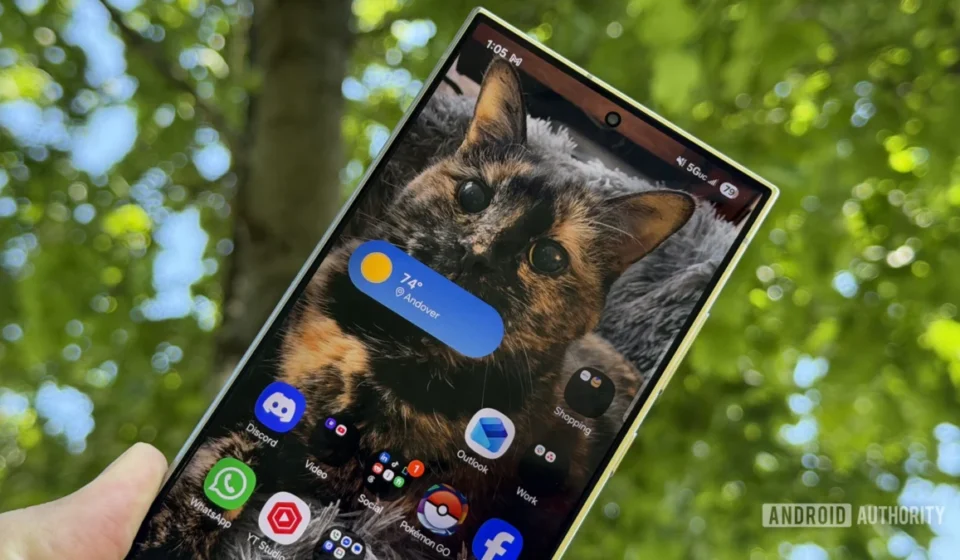
Google is not alone in exploring this AI-driven upgrade strategy. Samsung, a major competitor in the Android ecosystem, attempted a similar approach with the launch of its Galaxy S24 Ultra. The company initially indicated that its suite of "Galaxy AI" features would be exclusive to the S24 Ultra, citing the necessity of the "Snapdragon 8 Elite chipset" (a variant of the Snapdragon 8 Gen 3) for these advanced functionalities. This claim caused widespread consternation among owners of previous flagship Galaxy devices, particularly those with the standard Snapdragon 8 Gen 3 or even the highly capable Snapdragon 8 Gen 2.
The frustration stemmed from the perception that a chipset barely a year old, which was already incredibly powerful, was being artificially deemed "obsolete" for new software features. Consumers argued that the computational headroom of existing high-end chips was more than sufficient for many of the AI tasks presented. Samsung eventually softened its stance, bringing some Galaxy AI features to older flagship devices, but the initial attempt highlighted the industry’s eagerness to leverage AI as a differentiator for new hardware purchases. This episode underscored the growing tension between rapid software innovation and the increasingly long lifespan of modern smartphone hardware.
The Broader Market Context: Slowing Upgrade Cycles
The push for AI-driven upgrade cycles is a direct response to fundamental shifts in the global smartphone market. For years, the industry thrived on rapid technological advancements that made older phones feel genuinely slow or limited within a year or two. However, the pace of these tangible hardware improvements has decelerated. Today’s smartphones are more powerful and durable than ever before. Flagship chipsets offer performance that far exceeds the needs of most users, meaning devices can comfortably handle daily tasks, gaming, and multimedia for three, four, or even five years without feeling sluggish.
Furthermore, manufacturers like Google and Samsung have significantly extended their software support commitments, with some offering seven years of OS and security updates. This extended support, while beneficial for consumers, paradoxically reduces the perceived need to upgrade. More RAM, larger batteries, and improved build quality also contribute to phones lasting longer, leading to an average smartphone upgrade cycle that has stretched from two years to closer to three or even four years in many markets.
Traditional differentiators are also losing their impact. Camera technology, once a primary driver for upgrades, has largely plateaued in terms of raw sensor improvements. Computational photography, where software algorithms enhance images, has become so sophisticated that even mid-range phones can produce excellent photos in decent lighting conditions. The article correctly points out that it is "almost difficult to release a smartphone with a bad camera in 2026." This means companies need new, compelling reasons to persuade users to part with their perfectly functional devices. AI, with its promise of transformative capabilities, presents itself as the next frontier for this persuasion.
Cloud-Based AI: A Stopgap with Limitations
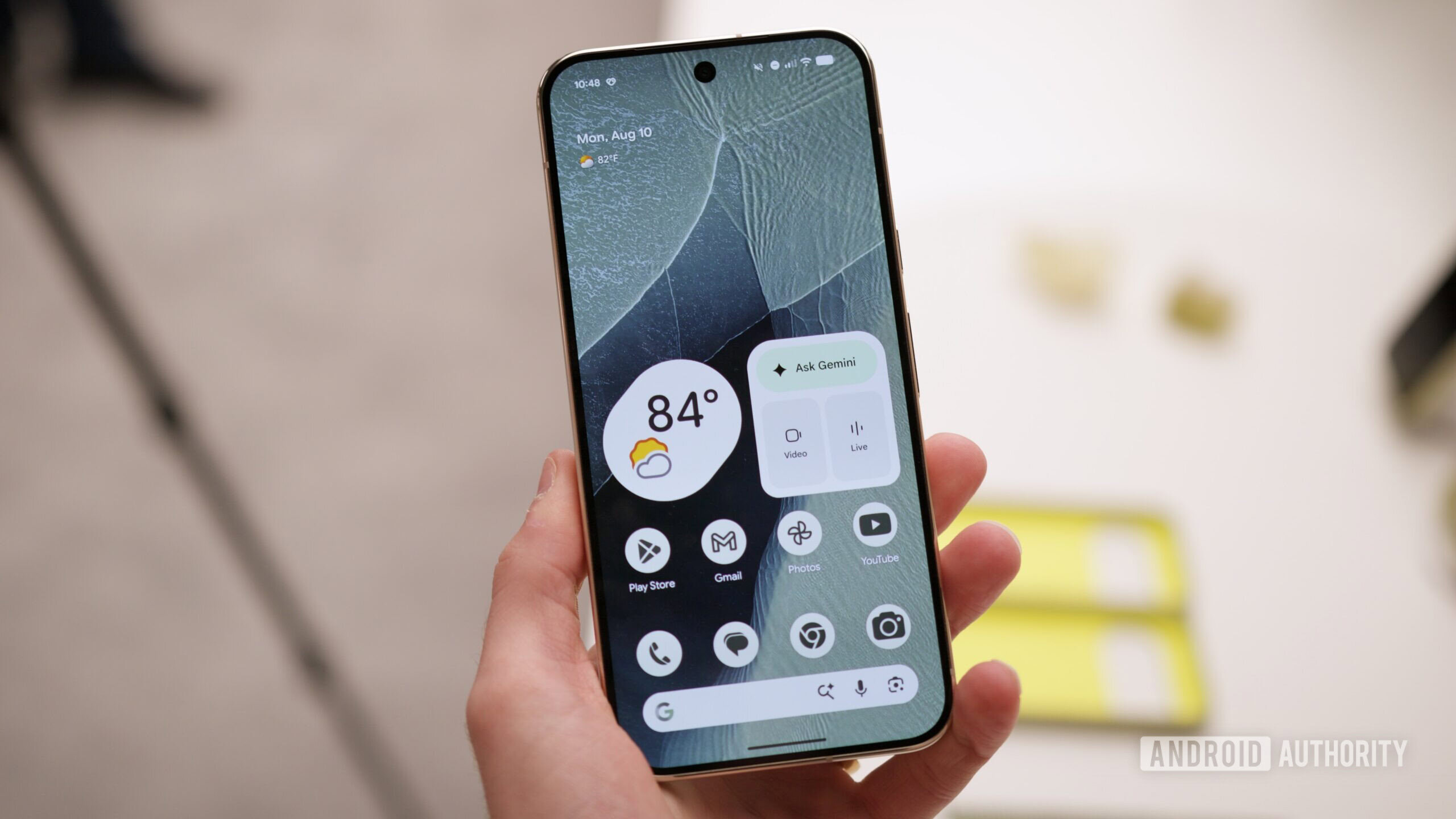
Google has previously offered a workaround for older devices to access some AI functionalities: cloud-based processing. For instance, when the Pixel 8 was initially deemed unable to fully support Gemini Nano due to RAM limitations, Google eventually enabled some AI features through cloud computing. This approach allows the heavy computational lifting of AI models to be performed on Google’s powerful data centers, with results streamed back to the device.
While this provides an option for users of older hardware, it comes with inherent drawbacks. Cloud-based AI is typically slower due to network latency, less secure as data must travel to and from Google’s servers, and often yields results that are not as instantaneous or as high-quality as on-device processing. The article notes that "the results weren’t as good," reinforcing the notion that it’s a compromise. This tiered approach – full, fast, secure on-device AI for new phones versus slower, cloud-dependent, potentially less private AI for older devices – further incentivizes upgrading to the latest hardware.
The Specter of Paid Software Upgrades and Subscription Models
A more concerning implication of this AI-driven strategy is the potential for Google to introduce paid software upgrades or subscription models for its advanced AI features. The article draws a compelling parallel to consumer electronics like Cricut machines, where users might pay for firmware updates that unlock new capabilities on existing hardware. This model fundamentally alters the traditional understanding of smartphone ownership, where software updates, especially for core features, have historically been free.
The idea of paying for AI on an older Pixel, perhaps through a Google One subscription tier or a separate "Gemini Pro" package, is not far-fetched in an industry constantly seeking recurring revenue streams. While such a move would likely face significant consumer backlash, the increasing indispensability and compelling nature of AI features could make it a viable, albeit controversial, business model. Imagine a scenario where Google Rambler or an advanced version of Magic Cue is locked behind a monthly fee, even if your current Pixel hardware is technically capable of running it, albeit with cloud assistance.
For a long time, the concept of paying for AI features on smartphones was easily dismissed because the practical applications were niche or not compelling enough for the average user. However, as AI tools become more integrated, intuitive, and genuinely useful, this calculus changes. A feature like Rambler, which simplifies communication and boosts productivity, has broad appeal. It doesn’t require users to understand the intricacies of Tensor chipsets or RAM; they simply experience the benefit. As Google continues to refine and integrate AI into the core Pixel experience, creating features that users genuinely "want to use," the pressure to upgrade (or subscribe) will intensify, potentially compelling users to refresh their devices far sooner than hardware limitations would dictate.
Implications for Consumers and the Future of Smartphone Ownership
The implications of this strategy are far-reaching for consumers and the broader smartphone market. If AI features become the primary differentiator and are aggressively tied to new hardware, it could lead to:
- Accelerated Obsolescence: Devices that are still perfectly functional from a hardware perspective might feel "old" or "incomplete" if they lack the latest AI capabilities, shortening perceived upgrade cycles.
- Increased Spending: Consumers might feel compelled to spend more frequently on new phones or potentially on subscriptions to unlock features they believe their existing hardware could handle.
- Shifting Value Proposition: The value of a smartphone might shift from its raw hardware specifications to its dynamic, AI-driven software experience, which could be mutable or gated.
- Erosion of Ownership: The article’s concluding thought about "people feeling forced to lease their phones to always get the best features" highlights a significant concern. If the most desirable features are perpetually tied to the newest hardware, and the pace of "newness" accelerates, consumers might opt for leasing programs or annual upgrade plans to avoid being left behind. This moves away from outright device ownership towards a more service-oriented model, where access to the latest technology is rented rather than owned.
- Market Fragmentation: A stark divide could emerge between users with access to cutting-edge on-device AI and those relying on slower, cloud-dependent alternatives, or those simply excluded from certain features.
Google’s strategy with the Pixel 11 Pro and its emphasis on AI-driven experiences, while showcasing genuine innovation, also reveals a calculated effort to redefine the smartphone upgrade cycle. By making compelling AI features exclusive to new hardware, and potentially exploring subscription models for software enhancements, Google aims to provide a powerful incentive for consumers to upgrade more frequently. While this approach may drive sales for manufacturers, it raises critical questions about consumer choice, the long-term value of smartphone purchases, and the evolving relationship between users and their increasingly intelligent, yet potentially ephemeral, devices. The future of smartphone ownership appears to be on a collision course with a service-oriented model, where continuous access to the latest AI may come at a recurring cost, challenging the traditional paradigm of buying a device and enjoying its full capabilities for its intended lifespan.