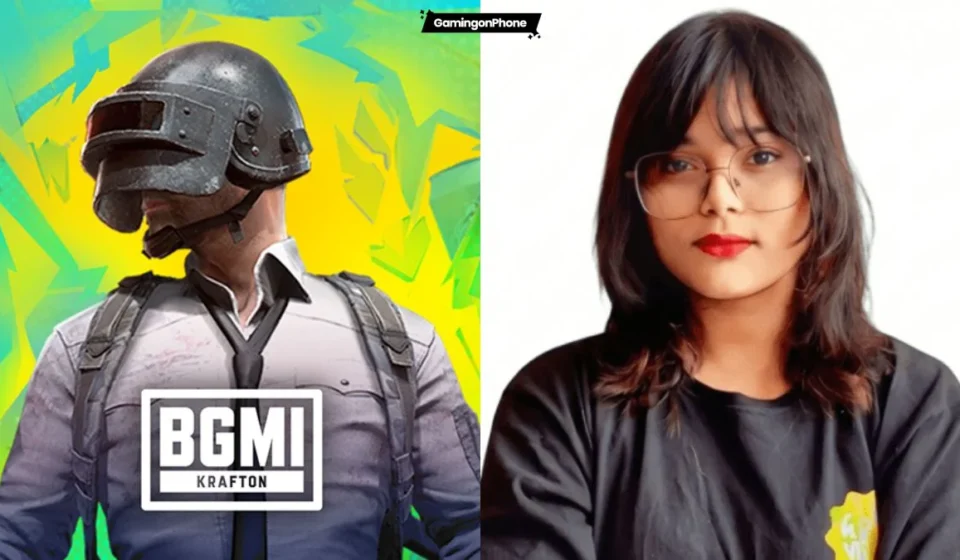
BGMI esports player Wizzy reportedly passes away as the Indian gaming community mourns another tragic loss

The Indian esports community has been plunged into profound grief and introspection following the reported passing of Saniya Nigam, widely known by her in-game moniker "Wizzy," a prominent female esports player in the Battlegrounds Mobile India (BGMI) circuit. News circulating within the community and reported by various esports outlets indicates that Wizzy’s death was the result of self-harm, an incident that has sent shockwaves across the rapidly growing gaming ecosystem in India. The tragic news comes just a week after she had reportedly announced her engagement to fellow esports player Superboi from Dragon Esports. This deeply distressing event marks another somber moment for the community, drawing renewed attention to the critical issue of mental health within competitive gaming, particularly in a high-pressure environment like India’s burgeoning esports scene.
Details of the Tragic Incident
Saniya Nigam, known to her fans and peers as Wizzy, was a recognizable figure in the BGMI competitive landscape. Her reported passing, attributed to self-harm, has left the community reeling. The timing of this tragedy adds a layer of complexity and sorrow, as it occurred shortly after a significant personal milestone: her engagement to Superboi, a player for Dragon Esports. The announcement of their engagement had been met with warmth and congratulations from their followers and the wider community, making the subsequent news all the more devastating. Sources, including TalkEsports, initially reported the details, which were quickly corroborated by discussions and tributes across various social media platforms. Further reports from accounts such as LetsGrowEsports indicated that Wizzy had posted a video on social media, reportedly stating "everything is over," which was subsequently deleted, hinting at the distress she may have been experiencing. This deleted post, though fleeting, serves as a poignant, albeit grim, precursor to the tragic outcome, underscoring the urgency for vigilance and support within online communities.
Wizzy’s Contributions to Indian BGMI Esports
Saniya "Wizzy" Nigam was a respected and active participant in the BGMI competitive scene, particularly known for her involvement with the team Myth Hawks. Her journey in esports saw her compete in several high-profile tournaments, contributing to the growing visibility of female players in a predominantly male-dominated field. Among her notable appearances were the BGMI Pro Series (BMPS) 2024 and the BGMI Challenger Series.
The BGMI Pro Series (BMPS) is one of the premier official tournaments for Battlegrounds Mobile India, attracting top teams and considerable viewership. Participation in such events signifies a player’s dedication, skill, and commitment to professional esports. Similarly, the BGMI Challenger Series serves as a crucial qualifying event, often paving the way for teams and players to advance to even larger stages, such as the BGMI Masters Series (BGMS). The BGMS itself is a marquee event, recognized for its substantial prize pools and broad appeal, playing a vital role in shaping the careers of many esports athletes.
Wizzy’s engagement with these tournaments was not merely as a participant but as a player who actively sought to improve and adapt. She had previously shared her experiences regarding her first LAN event, reflecting on the unique pressures and opportunities presented by offline competitions and how they could help refine her gameplay. These public reflections showcased her commitment to growth and her passion for the game, endearing her to fans who followed her journey. Her presence in these competitive arenas was instrumental in inspiring other aspiring female gamers to pursue esports professionally, breaking barriers and fostering a more inclusive environment.
The Landscape of Indian Esports and BGMI’s Prominence
The Indian esports industry has witnessed an explosive growth trajectory over the past few years, evolving from a niche hobby into a mainstream entertainment and professional career avenue. Battlegrounds Mobile India (BGMI), the localized version of PUBG Mobile, has been at the forefront of this revolution. Following its relaunch, BGMI quickly reclaimed its status as one of the most popular mobile esports titles in the country, boasting millions of active players and a dedicated spectator base.
This growth is fueled by a combination of factors: the widespread availability of smartphones, affordable internet data, and a large youth demographic. The competitive structure, supported by official tournaments from developers and third-party organizers like Nodwin Gaming, has created a robust ecosystem for professional players. Tournaments like the BMPS and BGMS offer substantial prize pools, often running into crores of Indian Rupees, attracting thousands of teams and aspiring professionals. The viewership for these events frequently surpasses traditional sports, with peak concurrent viewers reaching into the hundreds of thousands, sometimes even millions, for major finals.

Within this burgeoning scene, the emergence of female esports players like Wizzy has been particularly significant. While still a minority, women are increasingly making their mark, challenging stereotypes, and demonstrating their competitive prowess. Their participation is vital for the long-term inclusivity and diversity of the industry, inspiring a new generation of female gamers. However, this rapid growth also brings unique challenges, including intense pressure, public scrutiny, and the demanding lifestyle of professional gaming.
Mental Health: A Silent Crisis in Competitive Gaming
The tragic passing of Wizzy, much like the earlier incident involving Tahir "TahirFuego" Mukhtar, has starkly illuminated a pervasive and often unaddressed issue within the esports community: mental health. Professional esports, despite its glamorous facade, is an incredibly demanding profession. Players often face immense pressure to perform consistently at peak levels, endure rigorous training schedules, manage public expectations, and navigate the volatile landscape of online criticism and social media toxicity.
The life of an esports athlete can be isolating. They spend countless hours practicing, often away from traditional social circles. The competitive nature means that every loss can be scrutinized, and even wins come with the expectation of continuous improvement. This relentless pursuit of perfection, coupled with the instability of careers that can be short-lived, contributes significantly to stress, anxiety, depression, and burnout.
In India, these challenges are exacerbated by cultural factors and the nascent stage of esports as a recognized profession. There’s often a lack of understanding from family and society about the legitimacy and demands of an esports career, leading to additional external pressures. Furthermore, mental health awareness and access to professional psychological support are still developing within the broader Indian sports landscape, and even more so in esports. Many players, especially those from humble backgrounds, might not have the resources or awareness to seek help, or they may fear the stigma associated with mental health issues. The digital nature of the profession also means that cyberbullying and online harassment can be relentless, impacting players’ self-esteem and mental well-being directly.
A Troubling Pattern: Previous Tragedies and Unanswered Questions
Wizzy’s reported passing is not an isolated incident but rather echoes a disturbing pattern that has emerged within the Indian gaming community. Just a few weeks prior, on January 31, 2026, Tahir "TahirFuego" Mukhtar, a former Free Fire professional esports athlete and content creator, also reportedly died by suicide. TahirFuego was a well-known personality, admired for his skills and content creation, and his death had similarly sent shockwaves through the Free Fire community.
These back-to-back tragedies within a relatively short period underscore a critical flaw in the existing support systems for esports athletes in India. While the specific circumstances surrounding each individual case are unique and complex, the recurrence of self-harm as a reported cause of death among young, talented individuals in the public eye of esports demands immediate and systemic attention. It prompts a critical examination of whether the industry, organizations, and the community at large are doing enough to safeguard the mental well-being of their players.
The common thread between these incidents points to a broader crisis that extends beyond individual circumstances, hinting at systemic issues within the competitive gaming environment itself. The fast-paced, high-stakes nature of esports, combined with the intense public scrutiny and the often-unspoken pressures, can create a volatile environment for vulnerable individuals.
Community Reaction and Calls for Action
The news of Wizzy’s passing has ignited an outpouring of grief, shock, and condolences across social media platforms. Fellow players, streamers, content creators, fans, and esports organizations have taken to Twitter, Instagram, and other channels to express their sorrow and pay tribute to her memory. Hashtags related to Wizzy and mental health in esports quickly trended, reflecting the community’s collective distress.

Beyond expressions of sympathy, there has been a significant surge in calls for immediate and concerted action regarding mental health support for esports athletes. Many prominent figures within the community have voiced their concerns, emphasizing the urgent need for dedicated counseling services, mental health workshops, and robust support mechanisms within esports organizations and tournament ecosystems. There is a growing consensus that simply acknowledging the problem is no longer sufficient; concrete, actionable steps are required.
The discussions also highlight the role of community responsibility. Fans and viewers are being reminded of the impact of their online interactions, with calls for greater empathy, constructive criticism over toxic abuse, and a collective effort to foster a more supportive online environment. The gaming community, often a source of camaraderie and shared passion, is now facing the difficult task of self-reflection and implementing internal changes to protect its members.
Industry Response and Future Outlook
The recurring tragedies necessitate a comprehensive re-evaluation of player welfare strategies by all stakeholders in the Indian esports industry. This includes game developers like Krafton (for BGMI), tournament organizers such as Nodwin Gaming, professional esports organizations, and even government bodies that regulate sports.
For organizations, it means moving beyond rudimentary player contracts to include provisions for mental health support, access to sports psychologists, and wellness programs. This could involve mandatory mental health check-ups, confidential counseling services, and educational initiatives to destigmatize seeking help. Tournament organizers have a role to play in creating a less stressful competitive environment, perhaps by incorporating wellness breaks, providing resources on-site, and promoting fair play and respect.
Furthermore, there is a need for greater collaboration between medical professionals, mental health experts, and esports entities to develop tailored support frameworks that understand the unique demands of the profession. This might include creating industry-wide guidelines for player welfare, similar to those found in traditional sports, but adapted for the digital arena. Investing in research to understand the specific psychological stressors faced by esports athletes in India would also be crucial.
The long-term health and sustainability of the Indian esports industry depend not only on its economic growth and viewership numbers but also, crucially, on the well-being of its most valuable asset: its players. Without robust support systems that prioritize mental health, the industry risks losing more talent to preventable tragedies.
Resources and Support
In light of Wizzy’s reported passing and the broader discussions around mental health, it is imperative to reiterate the availability and importance of mental health resources. If you or someone you know is struggling with mental health challenges, please remember that help is available. Reaching out to trusted individuals, family members, friends, or professional counselors is a crucial first step. Numerous helplines and organizations offer confidential support and guidance. In India, resources like the National Institute of Mental Health and Neurosciences (NIMHANS) and various non-governmental organizations provide support and information. The gaming community itself often rallies to share such resources in times of crisis, fostering a network of care. It is a collective responsibility to create an environment where individuals feel safe to express their struggles and seek the help they need without fear of judgment.
The loss of Saniya "Wizzy" Nigam is a heartbreaking reminder of the human element behind the screens and avatars. Her memory should serve as a powerful catalyst for enduring change, ensuring that the vibrant and dynamic world of Indian esports becomes a safer, more supportive, and mentally healthier space for all its participants.