Sana 2026 Solidifies Its Position as the Largest Pop Culture Event in Northeastern Brazil Through Accessibility and Regional Integration

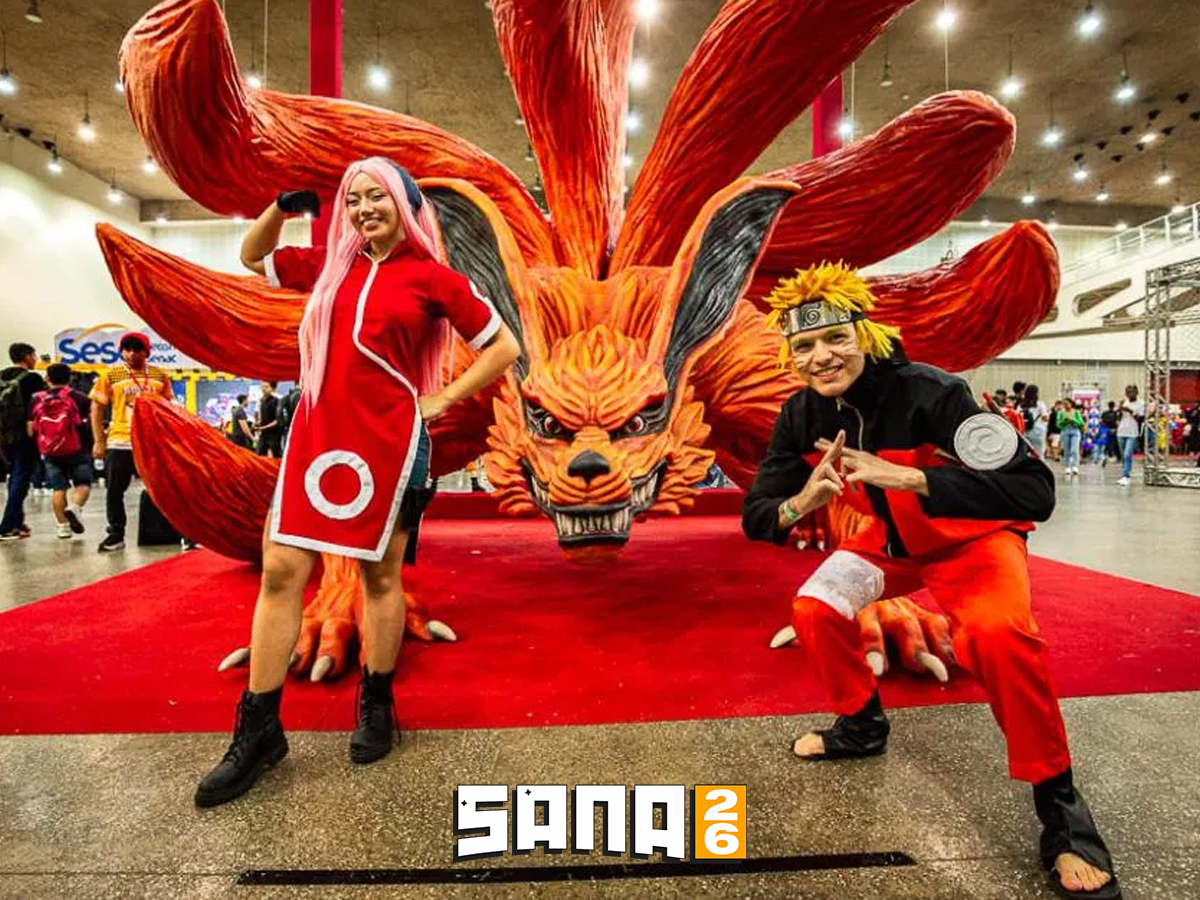
The Sana event, originally established as the Super Mostra Nacional de Animes, has evolved from its humble beginnings in 2001 to become the premier pop culture festival in the North and Northeast regions of Brazil. Held biannually at the Centro de Eventos do Ceará in Fortaleza, the event serves as a critical junction for fans of anime, gaming, K-pop, and cosplay, while simultaneously acting as a significant driver for regional tourism and the local creative economy. As the festival concludes its most recent iteration and prepares for its July 2026 edition, it stands as a testament to the democratization of "geek" culture in Brazil, prioritizing accessibility, hospitality, and a unique blend of global and regional influences.
The Evolution of Sana: A Chronology of Growth
The history of Sana is inextricably linked to the rise of Japanese pop culture in Brazil during the early 2000s. When the event was founded in 2001, it was a niche gathering of anime enthusiasts in Fortaleza. Over the course of two and a half decades, it has transitioned from a local meet-up to a massive biennial festival that occupies the Centro de Eventos do Ceará, one of the most modern and well-equipped convention centers in Latin America.
The expansion of the event has followed a consistent upward trajectory. Initially focused on screenings of Japanese animation and small-scale cosplay contests, Sana eventually integrated a broader spectrum of pop culture, including Western cinema, competitive gaming (e-sports), and the burgeoning K-pop scene. This diversification allowed the event to maintain relevance as consumer habits shifted toward digital streaming and interactive entertainment. By 2026, the festival has solidified a "two-part" annual structure, with major editions held in January and July to coincide with the Brazilian school holiday seasons, maximizing its reach among youth and traveling families.

Economic Impact and the Model of Accessibility
One of the most defining characteristics of Sana, particularly when compared to similar large-scale events in São Paulo or Rio de Janeiro, is its commitment to affordability. In a country where the cost of "geek" culture can often be prohibitive for the middle and lower-class populations, Sana has maintained a pricing structure designed for mass inclusion.
Market analysis indicates that the event’s food and beverage options are notably more accessible than those found at major international conventions. For example, meal combos including a hamburger and fries have been observed at prices as low as R$20, while merchandise such as sticker sheets is sold for approximately R$10. This pricing strategy ensures that the event remains a viable destination for large families and student groups, who might otherwise be priced out of high-end entertainment venues.

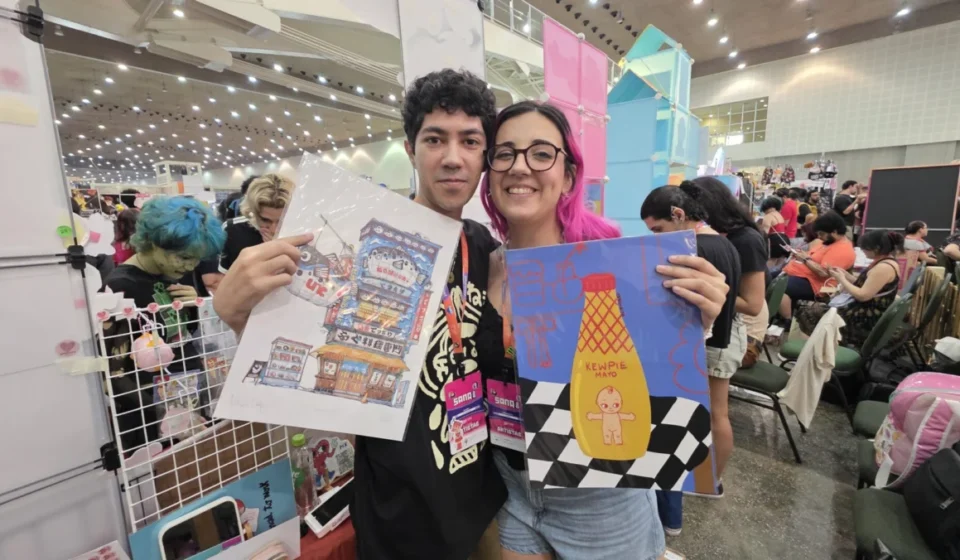
Furthermore, the "Vila dos Artistas" (Artist’s Alley) serves as a vital incubator for the local creative economy. By providing a platform for independent illustrators, painters, and graphic designers, Sana facilitates direct commerce between creators and consumers. For many local artists, the revenue generated during the three days of the festival represents a significant portion of their annual income. This model not only supports the artists financially but also encourages the production of original content that reflects the cultural nuances of the Northeast.
The 2026 Experience: Notable Guests and Interaction
The January 2026 edition of Sana highlighted the event’s ability to attract international talent while maintaining an intimate atmosphere. A centerpiece of the event was the appearance of actor Jack Gleeson, widely recognized for his portrayal of King Joffrey Baratheon in the HBO series Game of Thrones. Unlike the rigid, highly restricted interaction models often seen at global conventions, Gleeson was observed moving through the event floor, engaging with fans in a manner that emphasized the event’s hospitable nature.

This level of accessibility extends to the stage programs and interactive booths. The festival organizers have optimized the layout of the Centro de Eventos do Ceará to minimize the "queue fatigue" common at mega-events. By distributing high-traffic attractions—such as the Just Dance floor, K-pop stages, and the cosplay parade—across the venue, the event ensures a fluid movement of the crowd. This infrastructure allows attendees to participate in activities like racing simulators and zip-lining without the multi-hour wait times typically associated with major pop culture festivals in Southern Brazil.
Social Responsibility: The Geek Patas Initiative
Beyond entertainment, Sana has integrated social advocacy into its core programming. A prominent feature of the recent editions is the "Geek Patas" project, an animal welfare initiative that hosts adoption fairs within the convention walls. This initiative partners with local NGOs to find homes for rescued animals, leveraging the high foot traffic of the event to promote empathy and responsible pet ownership.

The inclusion of animal welfare in a pop culture setting is a strategic move that aligns with the values of the younger demographic. Organizers and participants have noted that the presence of the adoption fair provides a grounding, humanizing element to the high-energy environment of the festival. In the context of national conversations regarding animal rights in Brazil, the success of Geek Patas at Sana serves as a benchmark for how large-scale public events can contribute to social causes.
Regionalism and the "Northeasternized" Geek Culture
Perhaps the most unique aspect of Sana is the "regionalization" of global pop culture icons. While many events strive for a standardized international aesthetic, Sana encourages local artists to infuse their work with Northeastern Brazilian identity. This cultural synthesis is visible in the works of artists like Patrick Lima, who creates "Cordel" versions of Harry Potter, and Felipe Arrais, known for his "Northeasternized" Pokémon designs.

The "Vila dos Artistas" showcases this blend of global trends and local tradition, with sculptures and paintings that utilize regional materials and storytelling techniques. This approach not only preserves local heritage but also makes global pop culture feel more relevant and personal to the regional audience. The support provided by the Sana organization to local sculptors, such as Walterlan Veríssimo, underscores a commitment to showcasing high-level craftsmanship that originates within the state of Ceará.
Tourism and Infrastructure: Fortaleza as a Host City
The success of Sana is inextricably linked to the infrastructure of Fortaleza. The Centro de Eventos do Ceará provides a world-class venue with the climate control and logistical capacity required to host tens of thousands of visitors daily. However, the event’s impact extends beyond the convention center.

Sana has become a significant component of the state’s tourism strategy. By scheduling the event during the peak summer and winter holiday months, the festival attracts "geek tourists" from neighboring states such as Piauí, Rio Grande do Norte, and Pernambuco. These visitors contribute to the local economy through hotel stays, transportation usage, and visits to regional landmarks.
The proximity of the event to Fortaleza’s famous coastline provides an additional incentive for travelers. The Praia do Futuro, located within the city limits, offers robust infrastructure for tourists, while the Porto das Dunas region in the nearby municipality of Aquiraz provides luxury resort options. This synergy between a major cultural event and established tourist destinations creates a comprehensive travel experience that differentiates Sana from urban-locked conventions in other metropolitan areas.

Future Outlook and Implications for the Creative Sector
As the organizers look toward the upcoming July 2026 edition, the implications for the regional creative sector remain positive. Sana has proven that there is a sustainable market for pop culture in the Northeast that does not rely on replicating the high-cost models of the Global North or Southern Brazil. Instead, by focusing on a "popular" price point and high levels of interactivity, the event has built a loyal community that spans multiple generations.
The continued success of the festival suggests a maturing of the Brazilian creative industry outside the traditional hubs of São Paulo and Rio de Janeiro. It demonstrates that regional centers can host international-caliber events that are both economically viable and culturally distinct. For brands and sponsors, Sana represents a direct pipeline to a highly engaged, young, and diverse demographic in one of Brazil’s fastest-growing regions.

The July 2026 edition is expected to continue this trend of growth. While the specific guest list and new attractions are typically held for later announcement, ticket sales have already commenced, indicating strong consumer confidence. As the festival evolves, it will likely continue to balance its role as a commercial powerhouse with its mission to remain an inclusive, welcoming space for the diverse "fandoms" that call the Northeast home.
In conclusion, Sana is more than a mere gathering for fans; it is a complex cultural phenomenon that intersects with tourism, economic development, and social advocacy. By maintaining its roots in Fortaleza while embracing global entertainment trends, it has secured its place as a vital pillar of the Brazilian pop culture landscape.