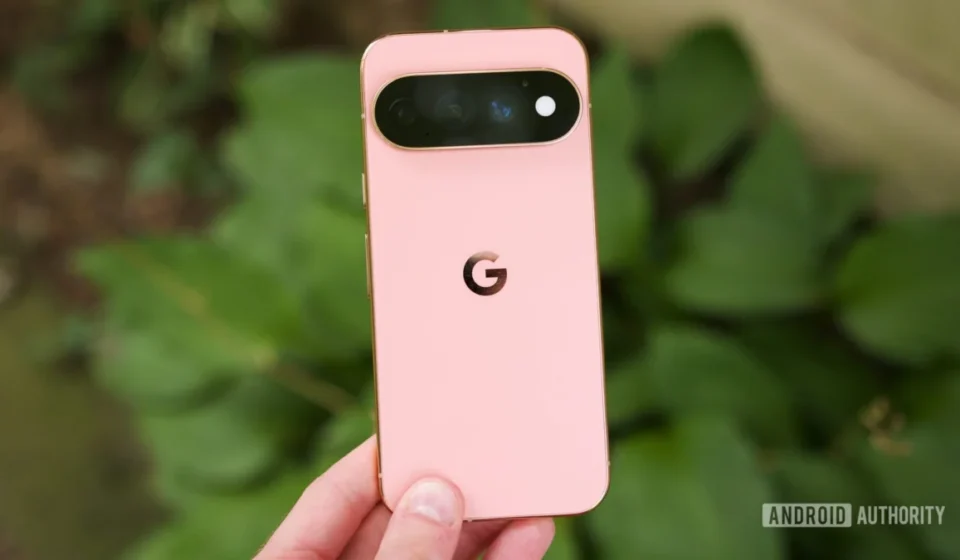
Google Reinforces Strategic Commitment to Pixelsnap Magnetic Ecosystem with Pixel 11 Series Launch

The recent unveiling of the Google Pixel 11 series has sparked varied reactions within the tech community, with some long-time Pixel enthusiasts voicing concerns over perceived incremental updates in areas such as camera technology and battery capacity. However, amidst this discourse, one particular aspect has garnered significant positive attention and underscores a clear strategic direction from Google: the steadfast continuity and reinforcement of its Pixelsnap magnetic accessory ecosystem. This commitment, building upon its debut with the Pixel 10 family, solidifies Google’s position as the leading major smartphone manufacturer, alongside Apple, to fully embrace and invest in the transformative potential of the Qi2 wireless charging standard and its magnetic accessory framework.
Pixelsnap was first introduced with the Pixel 10 series, marking a pivotal moment as Google became the first prominent Android brand to integrate Qi2 wireless charging capabilities, complete with magnetic alignment for accessories. This move was particularly welcomed by users already familiar with Apple’s MagSafe ecosystem, as it promised a similar level of convenience and functionality within the Android landscape. Initially, there was a palpable apprehension among consumers and industry observers alike that Pixelsnap might be a one-off experimental feature, potentially relegated to obscurity in subsequent generations. Such fears were not unfounded, given Google’s historical propensity for introducing and later discontinuing features. Fortunately, the launch of the Pixel 11 series has unequivocally assuaged these concerns, demonstrating Google’s intent to cultivate a durable and expanding magnetic accessory platform. The sustained presence and indeed, the expansion of the Pixelsnap ecosystem, represent a significant strategic alignment for Google, indicating a long-term vision for enhancing user interaction and extending device functionality through a cohesive accessory suite.
The Genesis of Magnetic Charging and Qi2 Standardization
To fully appreciate Google’s commitment to Pixelsnap, it is crucial to understand the broader evolution of magnetic charging and the standardization efforts that have paved the way for its widespread adoption. While magnetic connections in consumer electronics are not entirely new—earlier iterations of charging solutions for laptops and even some feature phones utilized magnetic interfaces for convenience—the modern era of magnetic accessory ecosystems on smartphones truly began with Apple’s reintroduction of MagSafe in 2020.
Apple’s MagSafe Reinvigoration (2020)
Apple’s MagSafe, first seen on the iPhone 12 lineup, was not merely a charging solution but a holistic system designed to enhance usability and expand functionality. It combined a ring of magnets within the iPhone’s back panel with Qi wireless charging coils, enabling perfect alignment for charging pads and securely attaching a variety of accessories, from wallets to mounts. This innovation quickly fostered a vibrant ecosystem of third-party products, setting a new benchmark for how magnetic attachments could integrate seamlessly with mobile devices. The success of MagSafe underscored the demand for such a system, highlighting benefits like faster and more reliable wireless charging due to optimal coil alignment, and the versatility of snap-on accessories. Industry analysts at the time projected a significant boost in accessory sales, estimating the MagSafe accessory market to reach several billion dollars within a few years, demonstrating the economic viability of such integrated systems.
The Advent of Qi2 (2022-2023)
Recognizing the burgeoning potential demonstrated by MagSafe and the need for an open, standardized approach, the Wireless Power Consortium (WPC), the global organization responsible for the Qi wireless charging standard, embarked on developing Qi2. Announced in November 2022 and officially released in April 2023, Qi2 (pronounced "chee two") represents a significant leap forward. At its core is the new Magnetic Power Profile (MPP), which directly incorporates the magnetic alignment technology pioneered by Apple’s MagSafe. This crucial integration ensures that all Qi2-certified devices and chargers can magnetically lock into place, guaranteeing optimal power transfer efficiency and faster charging speeds, up to 15W, compared to the often inconsistent performance of non-magnetic Qi chargers. The standardization of MPP means that accessories developed for one Qi2-compatible phone can, theoretically, work with any other Qi2-compatible phone, fostering cross-brand compatibility and reducing fragmentation in the accessory market. This was a direct response to the proprietary nature of MagSafe, aiming to open up the magnetic accessory market to all manufacturers and democratize the benefits of magnetic alignment. The WPC stated that Qi2 would not only improve user experience but also contribute to energy efficiency by ensuring more precise power delivery.
Early Android Adopters and Google’s Strategic Entry
While the Qi2 standard was finalized in 2023, its implementation in Android devices lagged behind. HMD Global made headlines in 2024 with its Skyline model, which became the first Android handset to boast full Qi2 compatibility. This early adoption showcased the technical feasibility of Qi2 in the Android space, but HMD Global, though innovative, operates on a smaller scale in most global markets, limiting the broader impact of its early adoption. It was Google’s introduction of Pixelsnap with the Pixel 10 family in 2025 that truly brought Qi2 to the mainstream Android segment. This move was lauded by tech enthusiasts as a crucial step towards bridging the functional gap with Apple’s ecosystem, offering Android users a long-awaited magnetic accessory platform backed by a major OEM. Google’s entry signaled a serious commitment to the standard, providing the necessary market weight to encourage wider adoption among both hardware manufacturers and accessory developers.
Pixelsnap’s Continued Evolution with Pixel 11
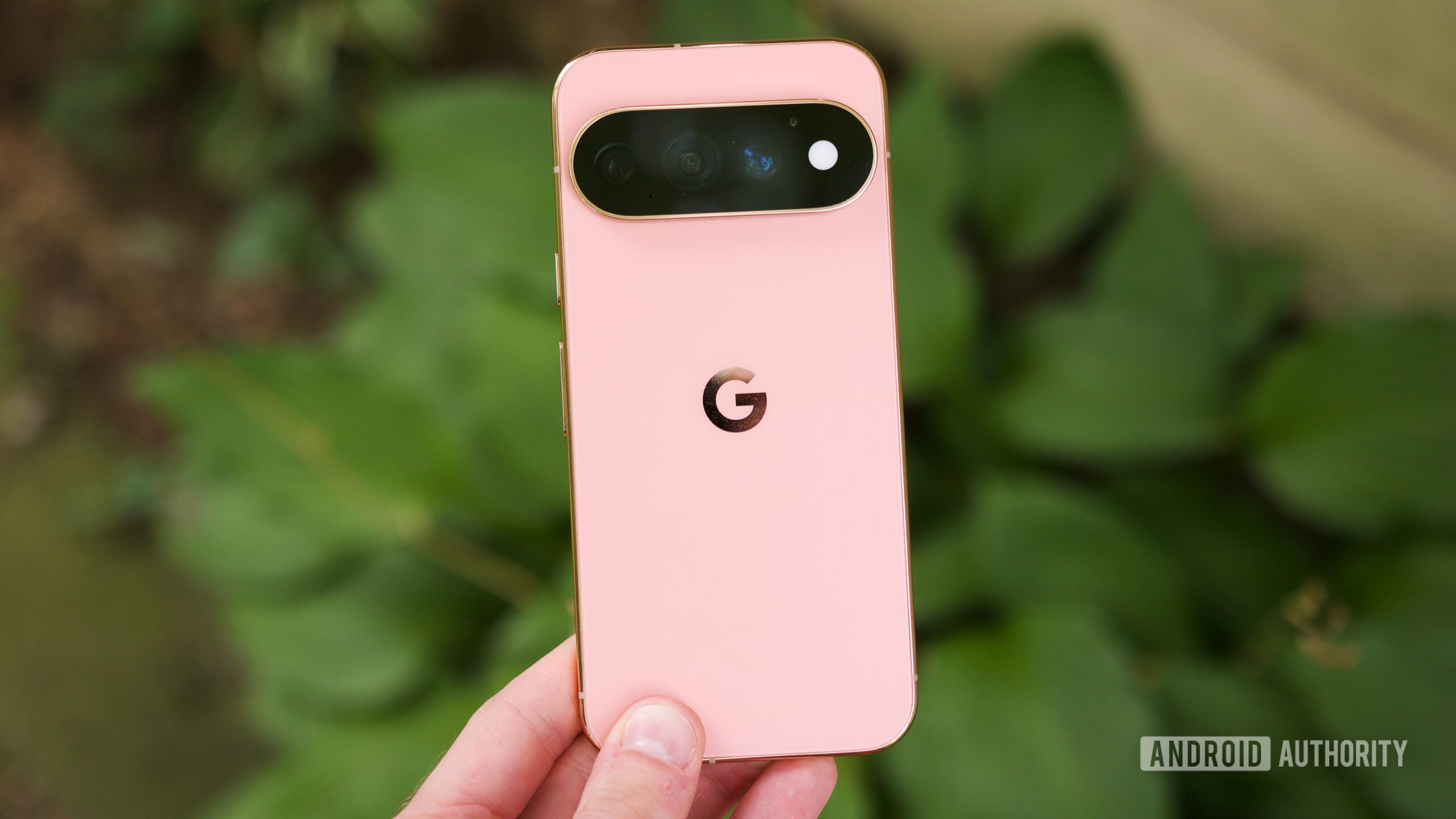
The Pixel 11 series, launched in 2026, not only retains Pixelsnap but significantly expands its accompanying accessory lineup, signaling Google’s continued investment in this ecosystem. While not extensively highlighted during the "Made by Google" showcase, the substantive updates to the Pixelsnap accessory range speak volumes about the company’s long-term strategy.
Expanded Accessory Offerings
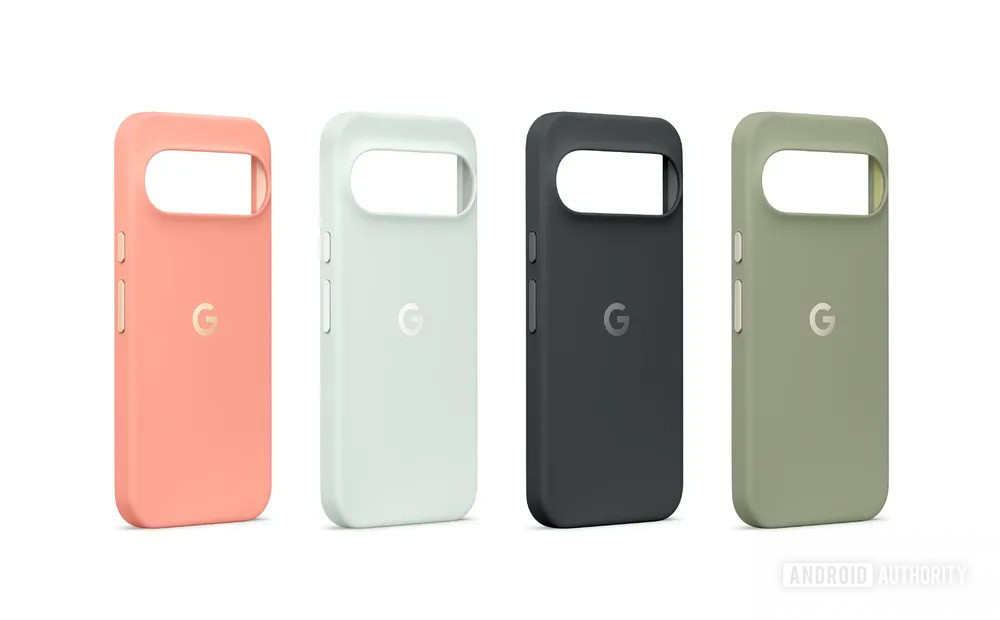
A comprehensive suite of new Pixelsnap-compatible cases has been released, tailored for all four new Pixel 11 phones. This immediate availability from launch is critical, ensuring users can leverage the magnetic capabilities from day one. Beyond Google’s own first-party cases, the ecosystem benefits from robust support from a diverse array of prominent independent case manufacturers. Brands such as dbrand, Spigen, Mous, Case-Mate, and Bellroy have all introduced their Pixelsnap-compatible offerings, available in a variety of colors and materials. This broad participation from third-party vendors is a strong indicator of a healthy and expanding ecosystem, offering consumers extensive choice and fostering innovation in design and functionality. The rapid response from these established accessory makers demonstrates their confidence in Google’s long-term vision for Pixelsnap and the market demand it represents. Data from market research firms often shows that a robust third-party accessory market significantly enhances user satisfaction and product stickiness.
Updated Ring Stand and Charger Stand
The popular Ring Stand accessory, initially introduced with the Pixel 10 series, has also received an update. It is now available in hues that meticulously match the new color options of the Pixel 11 phones. This attention to aesthetic detail, while seemingly minor, contributes to a more cohesive and premium user experience, allowing users to personalize their devices while maintaining a unified look. This level of integration speaks to a thoughtful design process aimed at making the accessories feel like a natural extension of the phone itself.
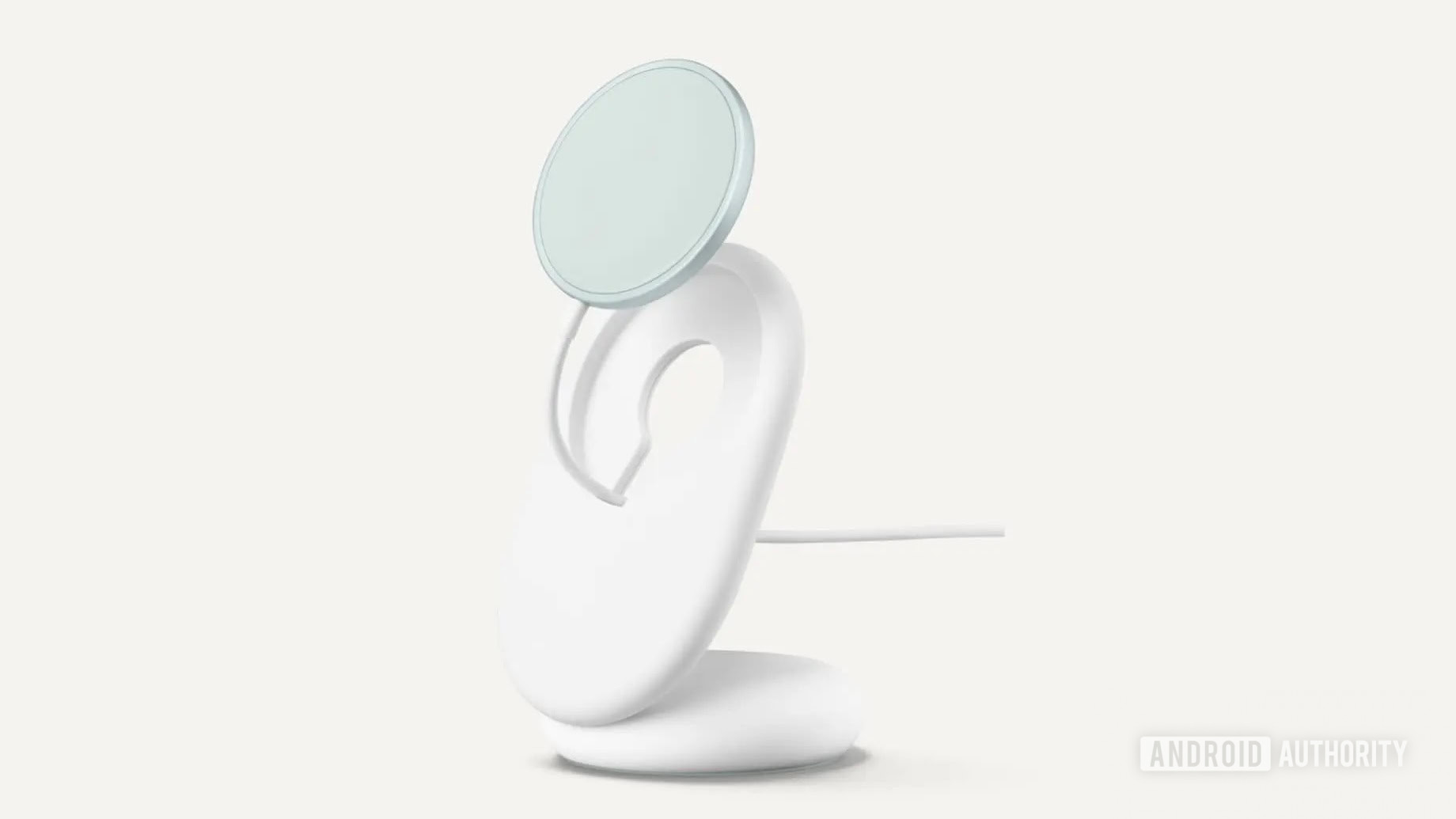
However, a minor design inconsistency has been noted regarding the Pixelsnap Charger Stand. This accessory, essentially a frame designed to hold the standard Pixelsnap charging puck, no longer perfectly color-matches all of Google’s new phone and peripheral colors. For instance, the new "Fog" color, a distinctive offering for some Pixel 11 phones and accessories, creates a two-tone effect when paired with the existing white stand. While this is a minor aesthetic point, it highlights the challenges of coordinating a rapidly expanding accessory line with diverse phone color palettes and underscores the critical eye with which such ecosystems are evaluated by dedicated users. Such details, while not impacting functionality, can influence the perception of a premium ecosystem.
Google’s Unwavering Commitment to Qi2
Google’s continued embrace of Pixelsnap and, by extension, the Qi2 standard, remains a significant differentiator in the Android market. Despite Qi2’s formal release in April 2023, Google remains one of the few major phone brands, alongside Apple, to genuinely integrate and promote a magnetic accessory ecosystem built upon this standard. This leadership position is critical for the standard’s broader acceptance.
Market Landscape and Competitor Analysis
Apple: Continues to lead with MagSafe, which essentially set the precedent for Qi2’s MPP. Its established ecosystem remains a strong selling point for iPhone users, boasting a vast array of first- and third-party accessories ranging from wallets and battery packs to camera mounts and specialized car docks. Apple’s integrated approach has cultivated a loyal user base that values the convenience and seamless interaction MagSafe provides.
Samsung: As a direct rival, Samsung’s approach contrasts sharply with Google’s. While the recently launched Galaxy Z Fold 8 and the Galaxy S26 series from earlier in the year do offer magnetic accessories, their implementation is less integrated. Samsung’s magnetic solutions typically rely on cases to provide the magnetic array, rather than embedding magnets directly into the phone’s chassis. Furthermore, these accessories are often relegated to lower sections of product pages, indicating a less prominent marketing focus compared to the Pixel 11 series, where Pixelsnap is highlighted as a core feature. This distinction means that for Samsung users, the full convenience of magnetic attachment and optimal Qi2 charging is only accessible with an additional case, whereas Pixel 11 users benefit from integrated magnets, reflecting a deeper commitment to the technology.
Other Android OEMs: Most other major Android manufacturers have yet to fully commit to Qi2 and magnetic accessories. While many devices support standard Qi wireless charging, the crucial magnetic alignment component of Qi2 is largely absent. This reticence could stem from various factors, including manufacturing costs, supply chain complexities, or a wait-and-see approach regarding market adoption. Regardless, Google’s proactive stance places it at the forefront of this technological shift within the Android space, positioning the Pixel line as a premium alternative for users seeking advanced accessory integration. Industry reports suggest that while many OEMs are observing the Qi2 market, Google and Apple’s aggressive push will be a key determinant in its widespread adoption.
Strategic Implications and Broader Impact
Google’s consistent investment in Pixelsnap has several significant implications for the smartphone industry, consumers, and the future of accessory development.
Standardization and Ecosystem Growth
By committing to Qi2, Google is not just adopting a technology; it is actively championing an open standard. This is crucial for the broader Android ecosystem. If more major OEMs follow Google’s lead, Qi2 could become the ubiquitous standard for magnetic wireless charging and accessories, leading to greater interoperability, reduced consumer confusion, and a more competitive accessory market. This could unlock a new wave of innovative magnetic accessories that are not tied to a single brand. The WPC itself has expressed optimism that major players like Google would drive the adoption of Qi2, ultimately benefiting the entire wireless charging industry.
Enhanced User Experience
For consumers, Pixelsnap offers tangible benefits. The magnetic alignment ensures perfect placement on wireless chargers, leading to more efficient and reliable power transfer. This eliminates the frustration of waking up to an uncharged phone due to misalignment, a common complaint with conventional Qi pads. Beyond charging, the magnetic attachment simplifies the use of various accessories—from car mounts and desk stands to external battery packs and wallets—making the phone more versatile and adaptable to different scenarios. The "snap-on" convenience transforms how users interact with their devices, streamlining daily routines and offering a seamless extension of the smartphone’s utility.
Competitive Differentiation
In a highly saturated smartphone market, differentiation is key. By offering a robust, integrated magnetic accessory ecosystem, Google provides a compelling reason for consumers to choose a Pixel phone over other Android flagships that lack this functionality. This strategic move helps solidify the Pixel brand’s identity, moving beyond just camera prowess and software experience to include a unique hardware interaction model. It caters to a segment of the market that values convenience and ecosystem integration, which has historically been a strong suit of Apple’s iPhones.
Economic Impact on Accessory Manufacturers
The commitment from a major player like Google provides significant opportunities for third-party accessory manufacturers. With two dominant magnetic ecosystems (MagSafe and Pixelsnap/Qi2) now firmly established by industry giants, accessory makers have a clearer and larger addressable market. This reduces risk for R&D and manufacturing, potentially leading to more innovative, higher-quality, and more affordable magnetic accessories across the board. Manufacturers can now design products that are compatible with a wider range of premium devices, fostering greater economies of scale and innovation.
Challenges and Future Outlook
While the advantages of Pixelsnap are clear, the path forward is not without its considerations and potential hurdles.
Cost and Design Constraints
Integrating magnets into the phone’s chassis adds a slight increase to manufacturing costs and can introduce minor design complexities. These factors, while often absorbed by premium pricing, are part of the equation for manufacturers who must balance innovation with production efficiency and market competitiveness. The precision required for magnet placement also adds to the complexity of the manufacturing process.
Technical Trade-offs
As noted in the original assessment, the alignment magnets can, under certain circumstances, interfere with reverse wireless charging functionality. This is a technical trade-off that Google (and Apple) has seemingly deemed acceptable given the broader benefits of the magnetic system. Such engineering decisions are always a balance of functionality and user experience, prioritizing the features deemed most valuable to the target audience.
Perception and Market Acceptance
There remains a segment of users who are either indifferent to magnetic accessories or actively opposed to their inclusion. Some might view it as an unnecessary addition or, as the original piece mentions, a "copying Apple" strategy. However, the adoption of good, useful ideas, regardless of their origin, is a hallmark of technological progress, provided intellectual property rights are respected. Google’s integration of Qi2, an open standard, mitigates the "copying" argument by contributing to an interoperable ecosystem rather than a proprietary one. The long-term success will depend on how effectively Google communicates the benefits of Pixelsnap to a broader consumer base.
Google’s Feature Longevity Record
A persistent concern among Pixel aficionados is Google’s inconsistent track record with certain features and product lines. The recent disappearance of the thermal sensor on the back of Pixel Pro models, which was introduced in a previous generation, serves as a recent example of Google’s willingness to pivot away from features that may not have gained significant traction or proved their long-term value. This history naturally breeds a cautious optimism regarding the longevity of Pixelsnap. Will Google continue to invest in and expand this ecosystem for the Pixel 12 series and beyond, or will it be replaced by another "new gimmick" in pursuit of fresh headlines? This question underscores the critical nature of sustained commitment for any nascent ecosystem.
Conclusion
The decision to not only retain but to significantly update and support the Pixelsnap magnetic accessory ecosystem with the Google Pixel 11 series is a powerful statement. It signals Google’s strategic intent to cultivate a richer, more integrated user experience, leveraging the open Qi2 standard to bring MagSafe-like convenience to the Android world. By reinforcing this commitment, Google positions itself as a key innovator in the Android hardware space, offering a compelling differentiator against competitors and fostering a robust environment for third-party accessory development. While the specter of Google’s past feature discontinuations looms, the current trajectory for Pixelsnap is one of growth and integration. For the sake of consumer choice, industry standardization, and a truly enhanced smartphone experience, the hope is that this foundational element remains a cornerstone of the Pixel lineup for years to come. The future of magnetic accessories in the Android realm largely rests on Google’s sustained dedication, and for now, that dedication appears strong.