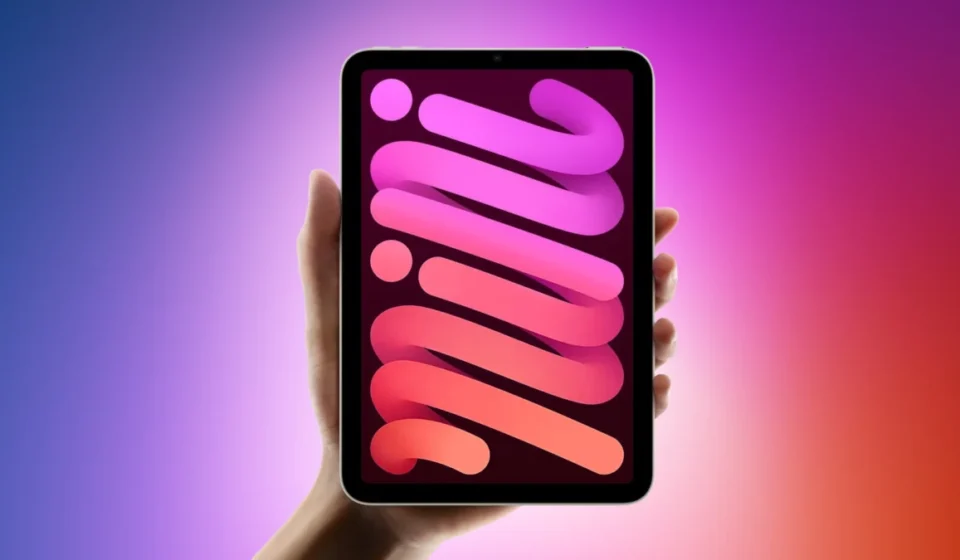

Apple is reportedly gearing up to unveil a significantly upgraded iPad mini model by the end of October, a move that would see the compact tablet finally embrace the vibrant and power-efficient technology of OLED displays. This anticipated release, detailed by Bloomberg’s reputable analyst Mark Gurman, marks a pivotal shift for the smallest member of Apple’s iPad lineup, which has historically relied on LCD technology. The transition to OLED promises a substantial leap in visual fidelity, bringing the iPad mini in line with the premium experience already offered by the iPad Pro.
The current generation of Apple’s tablets, excluding the Pro models, continues to feature LCD screens. This includes the iPad Air and the entry-level iPad, both of which have yet to benefit from the advanced display technology that has become increasingly prevalent across consumer electronics. The iPad Pro lineup, for instance, received its OLED treatment in May 2024, setting a precedent for where Apple intends to take its tablet display strategy. For the iPad mini, the adoption of OLED means users can expect a marked improvement in image quality. OLED panels are renowned for their ability to produce true blacks, achieve significantly higher contrast ratios, and render colors with a depth and richness that LCDs struggle to match. This enhancement is particularly impactful for media consumption, gaming, and detailed creative work, where visual accuracy and immersion are paramount.
However, the technological upgrade comes with an anticipated financial implication. OLED displays are inherently more complex and costly to manufacture than their LCD counterparts. This cost differential is likely to translate into a higher starting price for the next-generation iPad mini when compared to its predecessor. While specific pricing details remain unconfirmed, industry observers anticipate a modest but noticeable increase, reflecting the premium nature of the new display technology.
While Gurman’s latest report primarily focuses on the OLED display and the late October launch window, previous insights from his reporting and other industry sources have hinted at a broader suite of improvements for the upcoming iPad mini. These potential enhancements include a novel speaker system designed to deliver a richer and more immersive audio experience, a significant upgrade that could elevate the device’s capabilities for entertainment and communication. Furthermore, reports suggest an increase in water and dust resistance, a feature that would enhance the device’s durability and suitability for a wider range of environments and use cases.
Under the hood, the performance leap is expected to be substantial. The next iPad mini is rumored to be powered by either the A19 Pro or the A20 chip, a considerable upgrade from the A17 Pro chip found in the current model. The A17 Pro chip, which debuted with the current iPad mini in October 2024, was instrumental in enabling Apple’s suite of AI-powered features, known as Apple Intelligence. The inclusion of a more advanced chip in the next iteration will not only boost raw processing power and graphics capabilities but also ensure future compatibility with and enhanced performance for increasingly sophisticated software and AI functionalities. This strategic upgrade in processing power aligns with Apple’s broader push towards more intelligent and capable devices across its product ecosystem.
The Evolution of the iPad mini: A Timeline of Innovation
The iPad mini line has carved a unique niche in the tablet market since its inception, offering a more portable and handheld computing experience. The original iPad mini was introduced in November 2012, featuring a 7.9-inch display that positioned it as a more manageable alternative to the larger standard iPad. Its success paved the way for subsequent iterations, each building upon the core concept of a compact yet powerful tablet.
The current model, which launched in October 2024, represented a significant modernization for the line. It adopted the full-screen design language seen in other recent iPads, eliminating the home button and introducing Face ID for biometric authentication. Crucially, it was powered by the A17 Pro chip, a processor that brought desktop-class performance to the small form factor and laid the groundwork for advanced features like Apple Intelligence. This release marked a return to a more regular update cycle for the iPad mini, which had seen longer gaps between generations in the years prior.
The anticipation surrounding the next iPad mini, often referred to by its rumored designation as the iPad mini 7, is amplified by the extended periods between significant updates that characterized some of its predecessors. For example, the gap between the iPad mini 4 (released in September 2015) and the iPad mini 5 (released in March 2019) was nearly four years, a period during which the tablet market evolved considerably. The subsequent release of the iPad mini 6 in September 2021, and now the planned OLED model by the end of October 2026, suggests a more consistent product cadence. This renewed pace of innovation indicates Apple’s commitment to keeping the iPad mini competitive and relevant in a dynamic technology landscape.
Technical Advancements and Their Implications
The inclusion of an OLED display is not merely an aesthetic upgrade; it has tangible implications for user experience and the device’s perceived value. OLED (Organic Light-Emitting Diode) technology works by having individual pixels emit their own light. This self-emissive nature allows for precise control over illumination, enabling pixels to be turned off completely to achieve perfect blacks. This contrasts sharply with LCD (Liquid Crystal Display) technology, which relies on a backlight that is always on, even when displaying black, leading to less vibrant blacks and potential light bleed.
The benefits of OLED for the iPad mini will be manifold:
- Enhanced Contrast Ratio: The ability to display true blacks results in an astronomically higher contrast ratio, making images appear more dynamic and lifelike. This is especially noticeable in dark scenes in movies or when viewing content with significant light and shadow variations.
- Richer Colors: OLED displays can achieve a wider color gamut and greater color accuracy, leading to more vibrant and true-to-life colors. This is crucial for photographers, graphic designers, and anyone who values visual fidelity.
- Improved Viewing Angles: Colors and brightness tend to remain more consistent when viewed from off-angles on OLED displays compared to many LCDs.
- Power Efficiency: While not always a universal advantage depending on the content being displayed, OLED can be more power-efficient when displaying dark content, as individual pixels are not illuminated. This could contribute to improved battery life in certain usage scenarios.
- Thinner and Lighter Designs: OLED panels can be thinner than LCDs, potentially allowing for even sleeker device designs, though the overall thickness of the iPad mini will also depend on other internal components.
The decision to equip the iPad mini with OLED also signals Apple’s strategy to differentiate its tablet offerings. By bringing this advanced display technology to its most compact tablet, Apple reinforces the idea that the iPad mini is not just a scaled-down iPad but a premium device in its own right, capable of delivering a high-quality visual experience.
Performance and Future-Proofing
The rumored upgrade to an A19 Pro or A20 chip is another critical aspect of the next iPad mini’s development. The A-series chips from Apple are renowned for their industry-leading performance, efficiency, and advanced neural engines for machine learning tasks.
- A19 Pro/A20 Chip Capabilities: These next-generation chips are expected to offer significant improvements in CPU and GPU performance, enabling smoother multitasking, faster app loading times, and more demanding graphical applications, including advanced gaming. The enhanced neural engine will be crucial for accelerating AI-driven features, such as those found in Apple Intelligence, and will likely power new on-device AI capabilities in future software updates.
- Longevity and Future Software Support: A more powerful processor ensures that the iPad mini will remain performant and capable of running the latest iPadOS versions and demanding applications for an extended period. This contributes to the device’s longevity and perceived value for consumers.
- Apple Intelligence Integration: With the current model already supporting Apple Intelligence via the A17 Pro, the next iteration will undoubtedly offer an even more robust and seamless experience with these advanced AI features, potentially unlocking new functionalities and enhancing existing ones. This includes features like more sophisticated Siri capabilities, enhanced text summarization, and intelligent photo editing.
Potential Impact on the Tablet Market and Consumer Choices
The release of an OLED iPad mini by the end of October is poised to have several implications for the broader tablet market and consumer decision-making.
Firstly, it further entrenches OLED as the premium display standard in Apple’s ecosystem. As the technology trickles down from the Pro models to more mainstream devices like the iPad mini, it puts pressure on competitors to adopt similar display technologies to remain competitive in the premium compact tablet segment.
Secondly, it may redefine expectations for what consumers should expect from a compact tablet. With enhanced visuals and potentially improved audio and durability, the iPad mini could appeal to a wider audience, including mobile professionals, students, and avid media consumers who prioritize portability without compromising on display quality.
Thirdly, the anticipated price increase, while a consideration, may be justified for many users by the significant upgrade in display technology and overall performance. This could lead to a more segmented market where consumers actively choose between more affordable LCD-based tablets and premium OLED models based on their budget and desired experience.
The continued evolution of the iPad mini underscores Apple’s strategy of offering a diverse range of iPad models catering to different needs and preferences. By investing in advanced display technology for its compact tablet, Apple signals its intent to maintain the iPad mini’s relevance and appeal as a versatile and powerful portable computing device. As the October launch window approaches, the tech industry will be closely watching for official confirmation and further details, ready to assess how this latest iteration will shape the future of compact tablets.