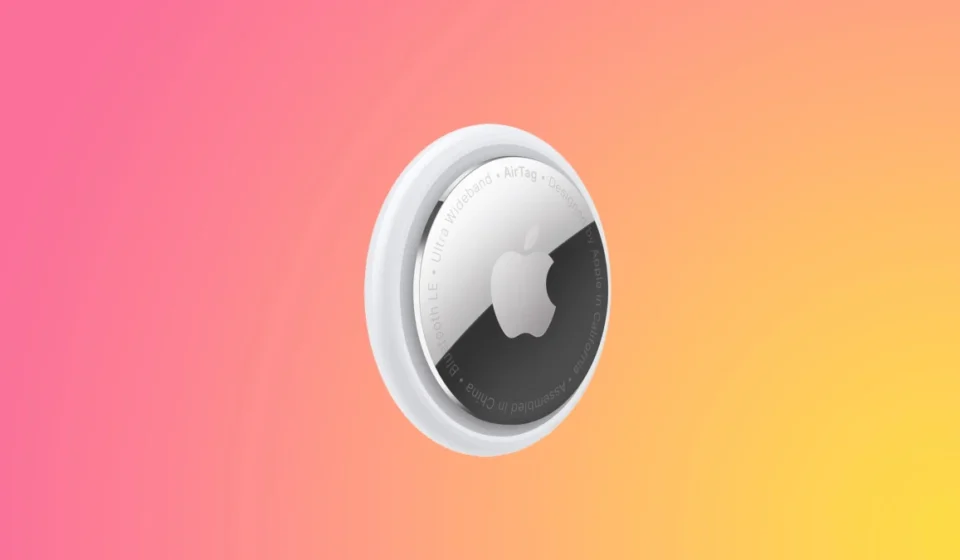

Apple’s latest iteration of its popular item tracker, the AirTag 2, is currently experiencing a significant price reduction on Amazon, with the 4-pack bundle available for an unprecedented $79.99. This promotional price, marking a substantial drop from its regular retail of $99.00, represents a record low for the accessory and surpasses previous best-ever deals by approximately $5. The offer is exclusive to the weekend, making it a timely opportunity for consumers looking to enhance their item-tracking capabilities.
In addition to the multi-pack discount, Amazon is also extending a deal on individual AirTag 2 units. The 1-pack is priced at $24.00, down from its standard $29.00. This individual unit pricing also establishes a new record low, further amplifying the attractiveness of Apple’s enhanced tracking solution. These aggressive pricing strategies suggest a concerted effort to drive adoption and market penetration for the AirTag 2, leveraging seasonal shopping trends and competitive market pressures.
The AirTag 2 boasts a key technological upgrade: the integration of a second-generation Ultra Wideband (UWB) chip. This advanced chip significantly enhances the device’s precision finding capabilities. Apple claims this new chip enables the Precision Finding feature to operate with greater accuracy and over extended distances, reportedly up to 50% farther than its predecessor. This improvement is particularly beneficial for locating misplaced items in larger or more complex environments, offering users a more intuitive and efficient search experience. The UWB technology, which utilizes precise radio signals to determine the relative position and distance of devices, is at the core of the AirTag’s ability to guide users directly to their lost belongings with visual, haptic, and auditory cues.
Background on AirTag and its Evolution
Apple first introduced the AirTag in April 2021, revolutionizing the personal item tracking market. The original AirTag leveraged Apple’s vast Find My network, a crowd-sourced system of hundreds of millions of Apple devices that anonymously and securely detect and report the location of nearby AirTags. This ingenious approach allowed for the tracking of items even when they were out of Bluetooth range of the owner’s device, a significant advantage over competing products at the time. The original AirTag was praised for its seamless integration with the Apple ecosystem, its user-friendly setup, and its robust privacy features.
The initial release of AirTag was met with both enthusiasm and some controversy. While lauded for its utility, concerns were raised regarding potential misuse for stalking. Apple responded by implementing a series of software updates and features designed to deter such misuse, including an audible alert if an unknown AirTag travels with a person over time and improved tools for detecting unwanted trackers.
The introduction of the AirTag 2 represents a significant iterative improvement rather than a complete overhaul. The focus on enhancing the Ultra Wideband chip underscores Apple’s commitment to refining core functionalities and leveraging advancements in spatial awareness technology. The 50% increase in Precision Finding range is a tangible benefit for users, potentially reducing the frustration and time spent searching for misplaced keys, wallets, or bags. This upgrade is indicative of Apple’s strategy to continuously enhance its product offerings through incremental, yet meaningful, technological advancements.
Market Context and Competitive Landscape
The personal item tracker market has become increasingly competitive since Apple’s entry. Competitors like Tile have been in the space for years, offering a variety of trackers with different features and compatibility. Samsung also offers its SmartTag devices, which integrate with its own SmartThings ecosystem. However, Apple’s AirTag has consistently held a strong position due to its deep integration with iOS and the sheer scale of the Find My network.
The current sale prices suggest a strategic move by Apple and its retail partners to capture a larger market share, especially as the holiday shopping season approaches. Record low prices often serve as a catalyst for broader consumer adoption, enticing individuals who may have been on the fence about purchasing an item tracker or those looking to expand their existing tracking capabilities. The 4-pack at $79.99 effectively brings the cost per AirTag down to just under $20, a highly attractive price point that democratizes access to advanced tracking technology.
The effectiveness of the Find My network is a key differentiator. As of Apple’s last reported figures, the Find My network comprises over 2 billion active Apple devices. This immense network is crucial for the AirTag’s ability to locate items far beyond typical Bluetooth range. The UWB chip in the AirTag 2 further enhances this by enabling more precise directional guidance when a user is in close proximity to the lost item. This combination of a vast network and precise directional finding creates a powerful and reliable tracking solution.
The Impact of the Second-Generation Ultra Wideband Chip
The integration of the second-generation UWB chip in the AirTag 2 is more than just a minor hardware revision; it signifies a leap forward in the precision and efficiency of item location. The UWB technology allows for highly accurate measurements of distance and direction between devices. By increasing the effective range of Precision Finding by up to 50%, Apple is addressing one of the key limitations of its previous generation – the need to be relatively close to the item for the feature to be most effective.
This enhanced range means that users can begin the precise directional search from further away. For instance, if a wallet is misplaced in a large room or a spacious park, the AirTag 2 would allow the user to initiate the directional guidance sooner, potentially saving significant time and effort. The technology works by measuring the time it takes for a radio signal to travel between the UWB-equipped iPhone (or compatible Apple device) and the AirTag. This precise timing allows for accurate calculation of distance and relative angle.

Furthermore, the improved chip may also lead to more nuanced and responsive feedback within the Precision Finding interface. This could manifest as smoother animations on the iPhone screen, more immediate haptic feedback as the user gets closer, and more accurate real-time distance estimations. For users who rely on AirTags for frequently misplaced items like car keys or work badges, these improvements can translate into a less stressful daily routine.
Analysis of Pricing Strategy and Market Implications
The aggressive pricing of the AirTag 2 4-pack at a record low of $79.99 suggests a few potential market dynamics at play. Firstly, it could indicate a strategic effort by Apple to solidify its dominance in the item tracking market before the end-of-year holiday season. By offering such a compelling price, Apple is likely aiming to encourage impulse purchases and to incentivize customers to buy in multi-packs, thereby increasing the overall number of AirTags in circulation and further strengthening the Find My network.
Secondly, the sale could be a response to competitive pressures or an attempt to clear existing inventory ahead of potential future product refreshes. While the AirTag 2 is still relatively new, the tech industry is characterized by rapid product cycles. Offering a significant discount can help maintain sales momentum and ensure that the product remains attractive to consumers.
The implication of these record low prices is a more accessible and widespread adoption of Apple’s tracking technology. For families, the 4-pack is an ideal solution, allowing for multiple users or multiple sets of keys and bags to be tracked simultaneously. The lower price point for individual units also makes it easier for users to add AirTags to items they may not have considered tracking before, such as luggage, backpacks, or even pet collars (though Apple does not officially endorse pet tracking due to safety and regulatory considerations).
Official Statements and Consumer Reactions (Inferred)
While specific official statements from Apple regarding this particular weekend sale are unlikely, the pricing strategy aligns with Apple’s broader approach to product launches and promotions. Retail partners like Amazon frequently engage in price-cutting strategies to drive sales, and Apple often allows or even encourages such promotions, especially during key shopping periods.
Consumer reactions, as observed through online forums and social media, tend to be highly positive when significant discounts are offered on Apple products. Discussions around the AirTag 2 sale are likely to focus on the value proposition of the 4-pack and the enhanced features of the new model. Early adopters who purchased the AirTag 2 at its original price might express mild frustration, but the overall sentiment is expected to be one of appreciation for the increased affordability.
The convenience and peace of mind offered by the AirTag are significant selling points. For many, the ability to quickly locate lost items can save considerable stress and potential financial loss. The current sale makes this valuable technology more attainable for a wider demographic of Apple users.
Broader Impact and Future Outlook
The success of the AirTag 2, further bolstered by aggressive pricing strategies, has several broader implications. It reinforces the value of Apple’s ecosystem and its ability to seamlessly integrate hardware and software for enhanced user experience. As more AirTags are deployed, the Find My network becomes even more robust, benefiting all users of Apple devices.
The advancements in UWB technology demonstrated by the AirTag 2 also hint at future possibilities for spatial computing and augmented reality. As UWB chips become more powerful and ubiquitous, they can enable more sophisticated interactions between devices and the physical world, potentially paving the way for new types of applications and experiences.
Looking ahead, consumers can anticipate continued innovation in the item tracking space. While the AirTag 2 represents a solid upgrade, future iterations might introduce even longer battery life, enhanced durability, or new connectivity options. However, for the immediate future, the current sale presents an exceptional opportunity for consumers to acquire one of the most advanced personal item trackers on the market at a historically low price. The weekend sale on Amazon is a clear indicator of the product’s market appeal and Apple’s commitment to making its tracking solutions accessible.
For those interested in staying updated on further deals and Apple-related bargains, visiting MacRumors’ dedicated Apple Deals section or subscribing to their Deals Newsletter is recommended. These resources provide ongoing coverage of the best prices and promotions available for Apple products and accessories throughout the year. The current AirTag 2 sale is a prime example of the timely and valuable information such resources can provide to savvy consumers.