Google Chat Introduces Persistent Drafts for Enhanced Productivity and Seamless Cross-Device Communication

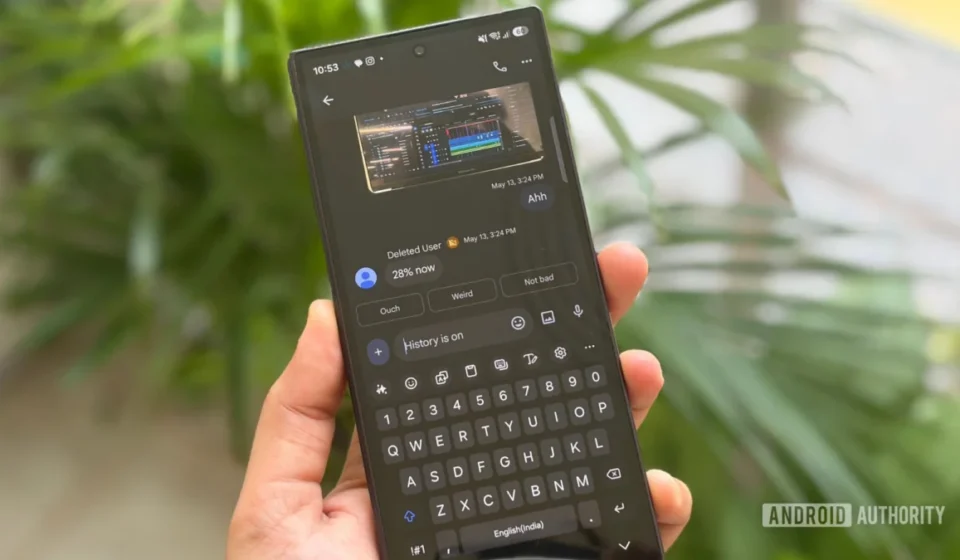
Google has officially rolled out a significant enhancement to its Google Chat platform: persistent drafts. This new functionality addresses a long-standing user need, ensuring that unsent messages are automatically saved within the compose box, even if users navigate away from the application, close the browser tab, or restart their devices. This update, which began its phased rollout with web users and is slated for completion across Android and iOS platforms by September 28, 2026, marks a crucial step in refining Google Chat’s utility as a robust communication tool for both individual and enterprise users.
The core of this feature lies in its ability to retain drafted messages for up to 30 days, providing a critical safety net for users who frequently craft detailed project updates, nuanced feedback, or lengthy replies that cannot be completed in a single sitting. The inconvenience of losing meticulously composed text due to an accidental closure or a necessary interruption has been a common pain point in digital communication. Google Chat’s new persistent drafts aim to eliminate this frustration, allowing users to pause their writing process and resume precisely where they left off, without the need for manual saving or reliance on external text editors.
A Deeper Dive into Persistent Drafts: How It Works
The implementation of persistent drafts is designed for maximum user convenience and efficiency. When a user begins typing a message in any Google Chat conversation but does not send it, the system automatically saves the content as a draft. This draft is then tied to that specific conversation thread. A key aspect of this feature is its cross-device synchronization. A user might initiate a message on the Google Chat web interface from their desktop, then need to step away. Upon returning, they can seamlessly pick up that same draft on their Android smartphone or iOS device, continuing their work without any loss of context or content. This multi-platform capability is particularly valuable in today’s hybrid work environments, where individuals frequently transition between different devices throughout their workday.
To further streamline the user experience, Google Chat will introduce a dedicated "Drafts" shortcut. This centralized location will aggregate all unsent messages from various conversations, making it easy for users to review and complete any pending communications. This feature is especially beneficial for individuals managing multiple projects or engaging in numerous discussions simultaneously, preventing important messages from being forgotten amidst a busy schedule. The 30-day retention period ensures that even messages left unaddressed for a considerable time can still be recovered and completed, offering flexibility without indefinitely cluttering the user interface.
Addressing a Critical User Pain Point: The Evolution of Digital Communication Needs
The introduction of persistent drafts by Google is a direct response to an inherent challenge in modern digital communication: the often asynchronous and fragmented nature of work. Unlike instant, brief exchanges, many professional communications require careful thought, precise wording, and the collation of information. Project updates, for instance, often involve summarizing progress, detailing challenges, and outlining next steps, demanding a structured approach that cannot always be completed in one go. Similarly, providing constructive feedback or crafting a sensitive message necessitates a deliberate process, where drafts allow for review and refinement.
Prior to this update, users of Google Chat would frequently resort to suboptimal workarounds. This included copying unsent text into external applications like Google Keep, Google Docs, or even basic note-taking apps, just to ensure it wasn’t lost. Such practices introduced friction into the workflow, consuming valuable time and disrupting the natural flow of communication. The absence of a native draft-saving mechanism meant that an accidental browser tab closure, a system crash, or even a simple context switch to another conversation could lead to the complete loss of a partially written message. This not only caused frustration but also negatively impacted productivity, forcing users to restart their writing process from scratch.
This feature is not merely a convenience; it is a fundamental expectation in contemporary messaging platforms. Email clients, for example, have offered robust draft saving capabilities for decades, recognizing the iterative nature of composing professional correspondence. The belated integration of persistent drafts into Google Chat highlights the evolving demands of enterprise communication tools, where reliability and seamless user experience are paramount.
The Competitive Landscape and Google Chat’s Evolution
Google Chat, originally a successor to Google Hangouts, has been steadily evolving as a key component of the Google Workspace ecosystem. It directly competes with other dominant team collaboration platforms such as Slack and Microsoft Teams. These competitors have long offered similar draft-saving functionalities, setting a benchmark for user expectation in the professional messaging space. Slack, for instance, saves drafts automatically per channel or direct message, accessible across devices. Microsoft Teams also provides persistent draft capabilities, ensuring continuity for its users.
Google’s continued investment in Chat, exemplified by features like persistent drafts, underscores its commitment to strengthening its position in the highly competitive enterprise communication market. For Google Workspace customers, who rely on a suite of integrated tools for their daily operations, the enhancement of Chat directly contributes to the overall value proposition of the entire ecosystem. By aligning Chat’s capabilities with industry best practices and user expectations, Google aims to reduce friction for existing users and attract new businesses seeking a comprehensive and reliable communication solution. This move is part of Google’s broader strategy to ensure Workspace remains a compelling and competitive offering for organizations of all sizes, from small businesses to large enterprises.
Rollout Schedule and Accessibility
The deployment of persistent drafts is following a standard phased rollout strategy, common for large-scale software updates. The feature has already begun reaching Google Chat users on the web, indicating that desktop and browser-based interfaces are the initial beneficiaries. The subsequent phase targets mobile users, with the rollout for Android and iOS devices scheduled to occur gradually over the next couple of weeks. Google has provided a clear completion date of September 28, 2026, for the mobile rollout, ensuring that all users across all supported platforms will have access to this new functionality within a defined timeframe.
This phased approach allows Google to monitor performance, gather feedback, and address any unforeseen issues in a controlled manner, minimizing potential disruptions to its vast user base. The feature will be universally available to a wide array of users, including Google Workspace customers (who utilize Google’s suite of productivity tools for business), Workspace Individual subscribers (who use a premium version of Workspace services for personal or small business needs), and crucially, users with personal Google accounts. This broad accessibility ensures that the benefits of persistent drafts extend beyond corporate environments, enhancing the communication experience for millions of individual users as well. The information regarding this update was officially communicated via the Google Workspace Updates blog, serving as the primary source for such announcements.
Broader Implications for Productivity and User Experience
The introduction of persistent drafts in Google Chat carries significant implications for user productivity and overall experience.
- Enhanced Productivity: By eliminating the risk of losing unsent messages, users can work more efficiently. They no longer need to allocate dedicated blocks of time to complete complex messages or fear interruptions. This flexibility fosters a more agile and responsive communication style, where users can contribute to discussions as their schedules permit, without compromising the integrity of their messages. The ability to switch between devices seamlessly also ensures that work can continue uninterrupted, whether at a desk, on the go, or during transit.
- Reduced Cognitive Load and Stress: The constant worry about losing progress can be a subtle but significant source of stress for users. Persistent drafts alleviate this cognitive burden, allowing users to focus entirely on the content of their message rather than the mechanics of saving it. This contributes to a more relaxed and productive work environment, where users feel more confident in their ability to communicate effectively without external pressures.
- Improved Message Quality: Knowing that a draft is securely saved encourages users to take their time, refine their thoughts, and craft more thoughtful and articulate messages. This is particularly vital for sensitive communications, detailed reports, or strategic discussions where clarity and precision are paramount. The ability to review and edit over time can significantly improve the quality and impact of the messages sent.
- Seamless Cross-Device Workflow: In an era dominated by multi-device usage, the synchronization of drafts across web, Android, and iOS platforms is not just a convenience but a necessity. It ensures that the workflow remains fluid and uninterrupted, regardless of the device being used. This is especially relevant for remote and hybrid work models, where professionals frequently switch between laptops, tablets, and smartphones throughout their day.
- Strengthening Google Workspace’s Value Proposition: For Google, this feature enhances the competitive standing of Google Chat within the broader Workspace ecosystem. It demonstrates a continued commitment to refining user experience based on practical needs, making Workspace a more attractive and sticky platform for businesses and individuals alike. As communication patterns evolve, features that simplify and secure the drafting process become foundational to any effective collaboration suite.
In conclusion, while seemingly a basic addition, the integration of persistent drafts into Google Chat is a powerful enhancement that addresses a fundamental user need. It signifies Google’s ongoing effort to mature its communication platform, aligning it with modern work practices and user expectations. By safeguarding unsent messages and enabling seamless cross-device continuity, this feature is poised to significantly improve productivity, reduce user frustration, and solidify Google Chat’s role as an indispensable tool in the digital workplace. The completion of its rollout by September 28, 2026, will mark a new chapter for millions of Google Chat users, empowering them with greater flexibility and peace of mind in their daily communications.