Fortnite Chapter 7: The Biggest Reset Since Chapter 3 – Esports News Network

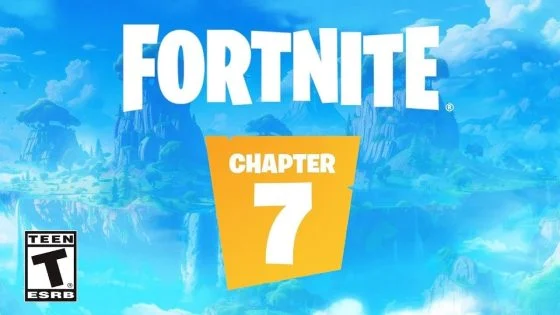
This forthcoming chapter represents more than a mere seasonal refresh; it signifies a strategic pivot for Epic Games, aiming to redefine both the casual player experience and the highly competitive esports landscape of Fortnite. Industry analysts suggest this reset is a direct response to the evolving demands of its vast player base, which consistently hovers around tens of millions of active users monthly, and a proactive step to maintain its cultural relevance in the fiercely competitive gaming market. The sheer scope of the rumored changes, from a reimagined island to fundamental gameplay mechanics, underscores Epic’s commitment to continuous innovation and the game’s long-term vitality.
The Grand Reset: A Strategic Overhaul for Fortnite’s Next Era
Epic Games has a history of orchestrating seismic shifts within Fortnite, leveraging "chapters" as pivotal moments to introduce sweeping changes rather than incremental updates. This strategy has allowed the game to reinvent itself multiple times, keeping its core experience fresh and engaging for a decade-long lifespan. Past major transitions, such as the black hole event leading into Chapter 2 or the wildly successful OG season, demonstrated the power of a full reset to reignite player interest and draw in lapsed players. Chapter 7 appears to be the most extensive undertaking since these landmark events, aiming for a "full structural reset" that touches nearly every aspect of the game.
The motivation behind such a massive overhaul is multi-faceted. Firstly, it combats content fatigue, a natural byproduct of any long-running live-service game. By wiping the slate clean, Epic can introduce novel mechanics and environments that feel genuinely new. Secondly, it provides an opportunity to address long-standing community feedback regarding map design, loot distribution, and competitive balance. Finally, it allows Epic to integrate new technological advancements and design philosophies, pushing the boundaries of what Fortnite can offer. The new chapter is not just about adding content; it’s about fundamentally rethinking the game’s foundations to ensure its continued growth and dominance.
Unveiling the Hollywood Hills: A Thematic Map Transformation
At the heart of Chapter 7’s transformation is a meticulously redesigned island, heavily influenced by a Hollywood theme. Coordinates disseminated to a select group of content creators point unequivocally to a "Hollywood Hills" aesthetic, promising a vibrant and visually distinct environment. Early conceptual imagery and internal discussions within the development community paint a picture of a West Coast-inspired identity, characterized by expansive desert zones, wide, winding roads reminiscent of California highways, and vertical city blocks that evoke the dense urban sprawl of Los Angeles.
The new Points of Interest (POIs) are expected to lean heavily into cinematic tropes, with locations resembling film studios, themed districts dedicated to different movie genres, and dynamic, set-based locations that are anticipated to evolve dramatically throughout the season. This thematic approach goes beyond mere aesthetics; it is designed to create unique combat scenarios and navigational challenges. Compared to the often fragmented and sometimes asymmetrical layout of Chapter 6, Chapter 7’s map is rumored to be cleaner, more intuitive, and highly readable. This design philosophy aims to facilitate better rotations across the island, minimize "dead zones" where combat is sparse, and introduce more layered combat spaces that reward strategic positioning and diverse playstyles. The goal is to create an island that feels both sprawling and cohesive, offering varied engagement opportunities without sacrificing tactical depth.
From Fragmented Battlegrounds to Cinematic Landscapes: Design Principles
The shift towards a "cleaner and more readable" map design reflects Epic Games’ evolving understanding of player engagement. Previous iterations of Fortnite maps, while often creatively diverse, sometimes struggled with consistency in loot distribution or predictable flow between zones. For Chapter 7, the emphasis appears to be on creating a more deliberate player journey, where terrain and POI placement naturally guide players towards action while offering multiple viable pathways. This design choice is critical not only for casual exploration but also for competitive integrity, as predictable routes and balanced resource access are cornerstones of fair esports play. The cinematic set pieces are expected to introduce dynamic elements, perhaps changing mid-match or over the course of the season, adding an element of unpredictability that keeps the environment fresh without making it chaotic.
Redefining Gameplay Mechanics: Movement, Loot, and Player Experience
Beyond the visual overhaul, Chapter 7 is slated to introduce significant mechanical changes that could fundamentally alter the moment-to-moment gameplay experience. Datamined files and early chatter among competitive players suggest a substantial upgrade to movement systems. Rumors include faster momentum when traversing slopes, allowing for more fluid and rapid descent, and the introduction of new "context-based parkour actions." This could mean players automatically vaulting over obstacles or scaling certain surfaces more seamlessly, adding a layer of agility and verticality to combat and evasion. Such enhancements would significantly increase the skill ceiling for movement, offering new opportunities for creative plays and tactical maneuvers.
Accompanying these movement changes is the rumored introduction of several new items, many of which are expected to be "cinematic gadgets" directly tied to the chapter’s Hollywood theme. These could range from utility items that mimic movie special effects to unique weapons with distinct visual and mechanical properties. The loot pool, a perennial topic of discussion within the Fortnite community, is also expected to undergo a "wider reset than usual." This implies not just the removal of old weapons and items but a fundamental rebalancing and reintroduction of a curated selection designed to fit the new meta and theme.
Innovating Core Mechanics: Enhancing Player Agency
Perhaps one of the most impactful mechanical shifts, particularly for the competitive community, is the anticipated "split between casual and ranked playlists on day one." This separation would allow Epic Games to fine-tune spawn rates, loot distribution, and possibly even environmental hazards differently for each mode. For ranked play, this could translate to a more reliable early-game experience, reducing the randomness often associated with initial drops and promoting skill-based engagements from the outset. For casual players, it might mean a more relaxed environment where thematic elements and novel items take precedence over strict balance. This dual-pronged approach acknowledges the diverse player base and aims to cater to both those seeking high-stakes competition and those simply looking for fun and exploration. This move is indicative of a broader industry trend where developers segment their player bases to optimize experiences for specific preferences, thereby enhancing overall player retention and satisfaction.
A Star-Studded Battle Pass: The Cultural Phenomenon Strategy
Fortnite’s unique ability to transcend gaming and become a bona fide pop culture phenomenon is largely due to its unparalleled collaboration strategy. Chapter 7 is poised to amplify this strategy with a "collab-heavy Battle Pass" that promises to be one of the most ambitious yet. Initial teasers and online speculation strongly hint at partnerships with major entertainment licenses. References circulating online point towards iconic Quentin Tarantino films, beloved classic cartoons, and a slate of "long-requested franchises" that have been on players’ wish lists for years.
This focus on mainstream culture is designed to make Chapter 7’s launch feel like a global event, akin to the hugely successful Marvel-themed Chapter 2, Season 4, or the Star Wars crossovers that have captivated millions. Epic’s strategy extends beyond simply offering new skins; it integrates these licenses into the game’s narrative, challenges, and even map elements, creating an immersive experience for fans of both Fortnite and the collaborating IPs. This cross-promotional synergy is a powerful driver for player acquisition and retention, converting cultural moments into in-game engagement and revenue.
Beyond Gaming: Fortnite as a Pop Culture Nexus
The Battle Pass, priced typically at 950 V-Bucks (approximately $7.99 USD), serves as a cornerstone of Fortnite’s monetization model. By packing it with highly desirable, licensed content, Epic ensures strong initial sales and sustained engagement throughout the season as players strive to unlock all tiers. The rumored collaborations suggest a deliberate move to tap into a broad demographic, appealing to film buffs, animation enthusiasts, and fans of various established universes. This approach not only boosts Epic’s revenue but also reinforces Fortnite’s position as a digital metaverse where diverse cultural elements converge, a key aspect of its long-term vision. The impact of such collaborations is often measurable in increased concurrent player counts, heightened social media buzz, and expanded brand visibility across entertainment sectors.
The Competitive Crucible: Chapter 7’s Impact on Esports
For the dedicated competitive community, Chapter 7 holds immense significance. Epic Games is concurrently preparing a fresh Fortnite Champion Series (FNCS) cycle, and the new chapter is strategically positioned to serve as a "clean break" from the Chapter 6 meta. This means that professional players and aspiring champions will need to adapt rapidly to the new island, mechanics, and loot pool, creating an even playing field for the early months of the 2026 esports season.
The competitive community has long advocated for a more balanced and predictable island design, prioritizing skill over randomness. Chapter 7 appears to be directly addressing these concerns. Rumored changes include "fewer random chest spawns," which would reduce the luck factor in early-game loot acquisition, and "more consistent mobility distribution" across the map, ensuring that all teams have equitable access to rotation tools. Furthermore, a scoring system that "rewards mid-game action" is expected to encourage more dynamic and aggressive play throughout matches, moving away from strategies that prioritize passive play until the final circles. The competitive community has actively pushed for "predictable routes and fairer endgame setups," and Chapter 7’s design philosophy seems to align perfectly with these demands, making it one of the most critical updates for the competitive scene in recent memory.
Forging a Fairer Field: Addressing Competitive Community Demands
The implications for Fortnite esports are profound. A more balanced island with consistent resources and predictable movement options reduces the variance in competitive play, allowing pure skill and strategic execution to shine. This can lead to more engaging viewership, as matches become less about arbitrary factors and more about individual and team prowess. For professional players, this means a renewed focus on mastering the fundamentals of aiming, building, and positioning within the new environment, rather than constantly adapting to unforeseen variables. The FNCS prize pools, which have historically reached into the millions of dollars annually, underscore the importance of these competitive updates. A stable and fair competitive environment is crucial for attracting and retaining top talent, ensuring the longevity and prestige of Fortnite’s esports ecosystem. The structural integrity of competitive play directly influences viewership, sponsorship opportunities, and the overall health of the scene.
Anticipation Builds: The Road to Launch and Beyond
The countdown to Chapter 7’s launch on November 29, 2025, is officially underway. Fans can expect the first wave of official teasers to roll out in the coming weeks and months, gradually unveiling elements of the new theme and mechanics. These teasers typically take the form of in-game anomalies, cryptic social media posts, or collaborations with prominent content creators, building excitement and speculation. Following this, the Chapter 6 finale event will serve as a climactic narrative conclusion, likely setting the stage for the transition to the new chapter with a spectacular, limited-time interactive experience. This event will be succeeded by the usual extended downtime, during which Epic Games implements the massive update.
The full reveal trailer, a highly anticipated event in itself, is expected to showcase both the new terrain in breathtaking detail and fully immerse viewers in the cinematic theme of the season. Once the Battle Pass officially drops on launch day, its scope of crossovers, the exact map layout, and the full suite of new gameplay features will collectively "set the tone for the entire 2025 to 2026 cycle." This inaugural Battle Pass often dictates the direction of future content, establishing the primary narrative and introducing key characters and cosmetics that will define the chapter.
The Future Horizon: Fortnite’s Strategic Trajectory
Fortnite Chapter 7 is more than just another content update; it is a meticulously planned strategic reset designed to propel the game into its next era of dominance. By refreshing both the casual and competitive experiences, Epic Games aims to invigorate its massive player base, attract new users, and solidify Fortnite’s position not just as a leading battle royale, but as a dynamic, evolving metaverse that continues to shape global gaming and pop culture. The success of this ambitious undertaking will undoubtedly influence future development strategies for live-service games across the industry. The careful balance between innovation and tradition, between catering to hardcore players and welcoming newcomers, will be the ultimate measure of Chapter 7’s impact, defining the game’s trajectory for years to come.