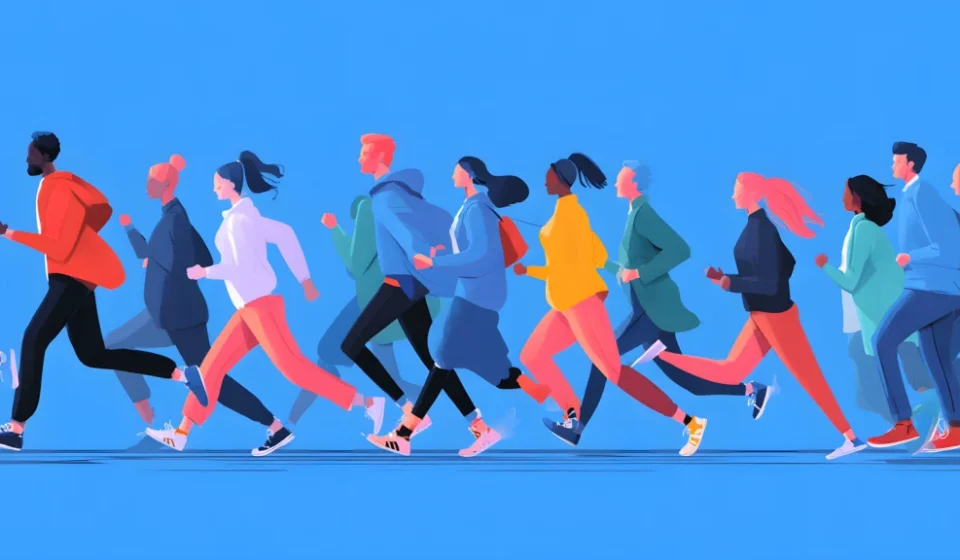
Follow the Smoothie Not the Beer The Evolution of Gen Z Spending and the Rise of the Wellness Economy

The traditional American night out, characterized by late-night dining and alcohol consumption, is undergoing a structural decline as a new demographic of consumers prioritizes physical health and social wellness over traditional nightlife. Recent financial data and consumer behavior reports indicate that Gen Z and younger Millennials are reallocating their discretionary income toward fitness memberships, functional beverages, and "social infrastructure" centered on health. This transition is creating a significant divergence in the equity markets, favoring premium wellness brands while placing traditional alcohol and casual dining stocks under sustained pressure.
The Structural Shift in Consumer Discretionary Spending
According to a comprehensive February 2026 report from Bank of America, the shift in spending habits is not merely a passing trend but a fundamental change in how younger generations define social status and community. The report highlights that Gen Z households now hold the highest share of fitness-related payments among all generations, with approximately 21% of households recording regular gym or boutique studio expenditures. This data correlates with a broader decline in alcohol consumption, a phenomenon often referred to in the industry as "moderation culture."
The economic impact of this shift is measurable. Bank of America’s payment data reveals that Gen Z households spend 2.8 times more on fitness than Baby Boomers. Furthermore, since 2021, foot traffic at fitness clubs has outperformed bars and pubs by a margin of 22 percentage points. While previous generations utilized bars as their primary "third place"—a social environment separate from home and work—younger consumers are increasingly viewing high-end gyms and boutique studios as their primary social hubs.
Chronology of the Wellness Transition
The evolution from "barstools to barbells" has developed over the last several years, accelerated by post-pandemic health awareness and the rise of digital wellness communities.
- 2021–2022: As social distancing mandates lifted, fitness centers saw a faster recovery in foot traffic compared to traditional entertainment venues. The "sober curious" movement gained mainstream traction on platforms like TikTok and Instagram.
- 2023: Boutique fitness brands reported record membership growth. High-intensity interval training (HIIT) and Pilates became dominant social activities, replacing happy hours for many urban professionals.
- 2024: Financial institutions began noting a decoupling of consumer spending; while overall discretionary spending tightened due to inflation, "wellness" expenditures remained remarkably inelastic.
- 2025–2026: Large-scale "athletic country clubs" began reporting record-high retention rates. Traditional alcohol brands started reporting consistent declines in volume among younger cohorts, leading to a reevaluation of the "replacement cohort" theory in the beverage industry.
Data Analysis: Wellness as Identity
Research from Mintel suggests that 77% of U.S. Gen Z consumers are more focused on wellness than they were just one year ago. This focus is not limited to physical exercise; it encompasses recovery, nutrition, and mental health. McKinsey data supports this, showing that 56% of Gen Z considers fitness a "very high priority," compared to an average of 40% for the general U.S. population.
The "social ROI" of these expenditures is a critical factor in their stickiness. In a professional environment that is increasingly remote or hybrid, premium gyms like Life Time (LTH) or Equinox provide a networking environment that a standard $30-per-month gym cannot offer. With memberships often exceeding $300 per month, these facilities function as curated communities. The high "switching costs"—not just financial, but social—make these memberships one of the last items consumers are willing to cut from their budgets during economic downturns.
Market Winners: The Wellness Long Thesis
Investors tracking this behavioral shift are focusing on three primary sectors: premium fitness facilities, boutique studio platforms, and functional beverage providers.
Life Time (LTH) and the Athletic Country Club Model
Life Time has successfully positioned itself as the premier "athletic country club." By integrating workspaces, recovery centers, and social events into large-format luxury facilities, the company has insulated itself from the volatility of the low-cost gym market. Their recent expansion into "LT Games"—hybrid fitness competitions—further cements the gym’s role as a competitive and social platform. Unlike budget operators, Life Time captures a larger share of the consumer’s total wellness spend, including personal training, spa services, and healthy dining.
Xponential Fitness (XPOF) and Boutique Specialization
Xponential Fitness operates as a franchisor for a diverse portfolio of boutique brands, including Club Pilates, Pure Barre, and Rumble Boxing. This asset-light model allows the company to benefit from the growth of niche fitness communities without the direct risk of real estate ownership. Despite management-related volatility in the past, the underlying demand for specialized, community-driven fitness remains a secular tailwind for the brand’s diverse portfolio.
Dutch Bros (BROS) and the New Morning Ritual
The decline of the "night out" has led to the rise of the "morning ritual." Dutch Bros has emerged as a primary beneficiary of this shift, catering to a demographic that prioritizes high-energy, customizable beverages over alcoholic alternatives. Their focus on protein-infused coffees and functional energy drinks aligns with the pre- and post-workout habits of Gen Z. As younger consumers replace evening cocktails with early-morning caffeine and hydration, Dutch Bros occupies a strategic position in the daily spending cycle.
Market Losers: The Alcohol and Casual Dining Short Thesis
Conversely, sectors built around the traditional "Friday night" model are facing structural headwinds.
Boston Beer (SAM) and the Craft Beer Crisis
Boston Beer, once a darling of the craft beer movement, is struggling to find a "replacement cohort." While the company attempted to pivot with its Truly hard seltzer brand, the category has cooled significantly. Data suggests that younger consumers are not simply switching brands; they are opting out of alcohol entirely or moving toward non-alcoholic alternatives, which currently outpace alcoholic beverage spending by 28 points in growth.
Dave & Buster’s (PLAY) and Entertainment Fatigue
Dave & Buster’s represents the "old formula" of arcade games, calorie-dense food, and heavy alcohol attachment. Recent quarterly earnings reflect the struggle to maintain relevance, with comparable-store sales dropping 5.4% and total revenue falling 1.5% year-over-year. While management has attempted tactical fixes, such as menu upgrades and new game technology, the core problem remains a shift in the "social occasion" that the brand was built to serve.
Bloomin’ Brands (BLMN) and the Casual Dining Squeeze
Bloomin’ Brands, the parent company of Outback Steakhouse, is particularly vulnerable within the casual dining sector. With a weaker balance sheet compared to its peers and a brand identity tied to traditional sit-down dining, it faces stiff competition from the wellness-oriented "fast-casual" sector. As Gen Z reallocates funds toward fitness memberships, the "night out at a steakhouse" is becoming a rarer occurrence.
Expert Reactions and Industry Sentiment
Industry analysts suggest that the wellness trade is one of the few "clean" consumer plays in an economy otherwise dominated by technology and AI speculation. "We are seeing a total re-engineering of the consumer’s hierarchy of needs," noted one retail analyst during a recent industry summit. "For previous generations, a luxury car or expensive dinners were the primary status symbols. For Gen Z, the status symbol is a 6:00 AM Pilates class and a $12 functional smoothie."
Market strategists also point out that this trend is "self-hedging." The same cultural forces driving growth in fitness are directly responsible for the contraction in traditional alcohol and casual dining. This creates a clear long/short opportunity for institutional investors looking to capitalize on demographic shifts.
Broader Impact and Future Implications
The long-term implications of the wellness economy extend beyond the gym and the bar. The shift toward health-conscious living is expected to impact healthcare costs, real estate development (with a higher demand for "wellness-certified" buildings), and even urban planning.
Furthermore, this trend highlights a significant non-AI investment theme. While much of the market’s attention is currently focused on the "Pax Silica" or the buildout of AI infrastructure, the wellness shift is a behavioral change occurring in "the real world." It does not require a technology adoption curve or regulatory approval; it is driven by the identity and values of the next generation of earners.
As Gen Z continues to age into their peak earning years, the "wellness-first" mindset is likely to become the dominant consumer force. For investors, the directive is increasingly clear: the growth is no longer in the beer; it is in the smoothie. Following the data on how consumers spend their time and money on Saturday mornings may prove more profitable than tracking their habits on Friday nights. This structural shift marks the end of an era for traditional nightlife and the beginning of a multibillion-dollar wellness-centric economy.