






Apple Watch Series 12 and Ultra 4 Introduce Advanced Audio Intelligence, Including Always-On Siri Recap

Cupertino, CA – September 10, 2026 – Apple today unveiled significant advancements in wearable audio intelligence with the introduction of the Apple Watch Series 12 and Apple Watch Ultra 4. These new models integrate a suite of "Audio Intelligence" features, including Sound Recognition, Music Recognition, Live Rewind, and the highly anticipated Siri Recap. This suite of capabilities means the new Apple Watches are designed to continuously process ambient audio to offer contextual assistance and memory support to users.
The cornerstone of this new functionality is Siri Recap, a feature that leverages Apple Intelligence to listen to conversations throughout the wearer’s day. While audio is not stored or recorded, the system actively processes spoken words to generate summaries. Apple states these summaries are intended to "jog your memory" about events and discussions, enabling users to remain more present in their immediate interactions without the burden of recalling every detail. This proactive approach to personal memory management marks a new frontier in wearable technology, moving beyond mere notifications and fitness tracking to actively assist users in their daily cognitive processes.
This persistent listening capability, while offering potential benefits, has also prompted Apple to address potential privacy concerns proactively. The company has released a detailed explainer on its privacy features, acknowledging the sensitive nature of an always-on listening device. The document emphasizes that "audio is not recorded and stored, and no speakers are attributed." Furthermore, Apple advises users to "be mindful" of those around them, particularly in private or sensitive conversational settings. This measured approach aims to balance the technological innovation with user privacy expectations, a critical consideration in the adoption of such advanced features.
The introduction of these Audio Intelligence features follows a period of intense anticipation surrounding the new Apple Watch lineup. Reports from industry analysts and leakers, including Bloomberg’s Mark Gurman, had previously hinted at significant software enhancements for the upcoming models. While speculation about major design overhauls for the Series 12 and Ultra 4 was largely tempered by reports suggesting minimal external changes compared to their predecessors, the focus has clearly shifted to the internal capabilities and the integration of Apple’s burgeoning AI ecosystem.
A Timeline of Anticipation and Innovation
The journey to the Apple Watch Series 12 and Ultra 4 has been a gradual evolution of Apple’s wearable strategy. The original Apple Watch, launched in 2015, focused on fitness tracking and notifications. Subsequent generations have progressively integrated more health sensors, cellular connectivity, and advanced communication features. The introduction of the Apple Watch Ultra in 2022 marked a significant pivot, targeting a more rugged, adventurous user base with enhanced durability and specialized features.
This year’s September event, widely anticipated to be a pivotal moment for Apple’s product cycle, was scheduled for September 9, 2026, with the "Surprise and Shine" theme. Leading up to the event, the tech community buzzed with predictions about the iPhone 18 Pro and the much-rumored foldable iPhone Duo. Alongside these flagship smartphone announcements, the Apple Watch Series 12 and Ultra 4 were consistently cited as key hardware unveilings. Reports from sources like Tim Hardwick for MacRumors in early September 2026 highlighted the potential for a foldable iPhone to dominate the narrative, underscoring the high stakes for all product reveals.
The development of Apple Intelligence, first previewed earlier in the year, has been a critical underlying factor for these new features. This suite of AI capabilities is designed to power more intuitive and personalized experiences across Apple’s ecosystem. The integration of these advanced AI models into the Apple Watch allows for sophisticated on-device processing of audio data, which is crucial for features like Siri Recap. This on-device processing is a key differentiator, enhancing privacy by minimizing the need to send sensitive audio data to external servers.
Siri Recap: Functionality and User Experience
Siri Recap operates by continuously analyzing ambient audio, not for the purpose of recording or surveillance, but to identify key conversational moments and events. When the feature is activated, the Apple Watch acts as a sophisticated personal assistant, identifying recurring themes, important appointments mentioned, or significant details from conversations. The generated summaries are then accessible through the watch interface or a companion app on the iPhone, providing a quick and easy way for users to refresh their memory.
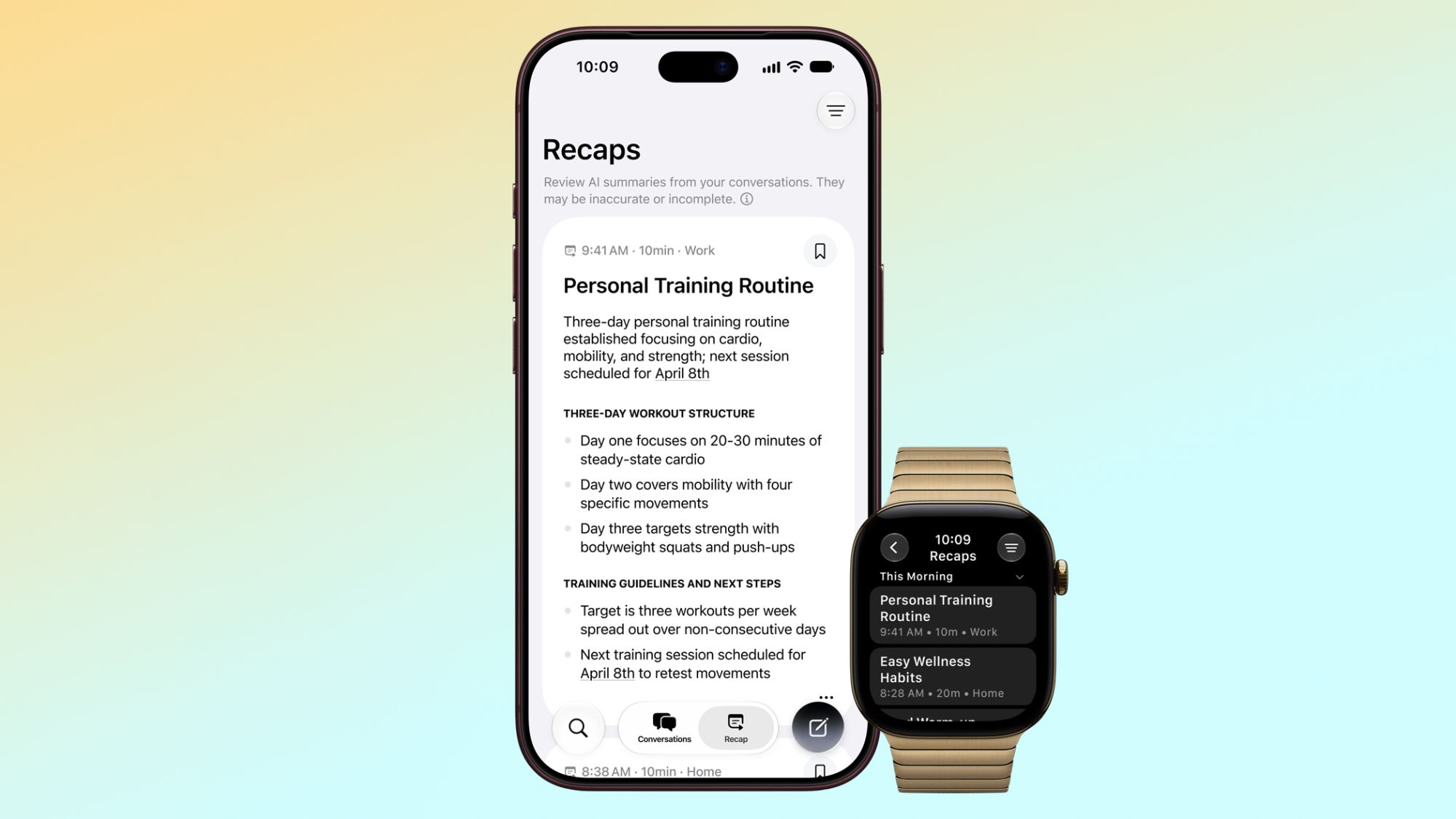
For instance, if a user discusses weekend plans, a reminder for a doctor’s appointment, or a new project at work, Siri Recap can distill these into concise notes. This is particularly beneficial in the context of the Apple Watch’s always-on nature, which allows it to capture these details organically without requiring explicit user input. The goal is to reduce the cognitive load associated with remembering a multitude of daily interactions, thereby freeing up mental bandwidth for more immediate tasks and experiences.
The "Live Rewind" aspect of the Audio Intelligence suite further complements Siri Recap. This feature, though less detailed in the initial announcement, suggests the ability to access a short, recent audio buffer, potentially allowing users to replay a missed piece of information or a specific command. This granular control over recent audio interactions could prove invaluable in fast-paced environments or when multitasking.
Privacy and Ethical Considerations
Apple’s commitment to privacy is a recurring theme in its product development, and the introduction of an always-listening feature on the Apple Watch necessitates a robust and transparent approach. The detailed privacy explainer is a testament to this. By explicitly stating that audio is not stored and speakers are not identified, Apple aims to build trust with its user base. The emphasis on user mindfulness regarding private conversations also places a degree of responsibility on the wearer, encouraging them to consider the implications of the feature in different social contexts.
The decision to implement on-device processing for much of the audio analysis is a significant technological and privacy advantage. This approach minimizes the risk of data breaches and reduces the reliance on cloud infrastructure for sensitive information. However, the continuous processing of ambient audio still raises ethical questions about the normalization of pervasive listening, even if anonymized and temporary. As this technology evolves, ongoing dialogue and user education will be crucial.
Technical Requirements and Availability
The advanced Audio Intelligence features, including Siri Recap, are exclusive to the latest Apple Watch Series 12 and Apple Watch Ultra 4 models. To fully utilize these capabilities, users will also require an iPhone 16 or later. Notably, the iPhone 16e model is excluded from this compatibility list, suggesting a specific hardware or software dependency within the iPhone 16 lineup.
The feature is slated for a launch later this year, aligning with the typical release cycle for new Apple Watch software updates following the hardware introduction. This staggered rollout allows Apple to refine the features based on initial user feedback and ensure a smooth integration into the broader Apple ecosystem. The exact date of the software update’s release will likely be announced closer to the launch.
Broader Implications and Future Outlook
The integration of sophisticated Audio Intelligence into the Apple Watch represents a significant step towards a more context-aware and proactive personal technology experience. By leveraging AI to understand and summarize ambient conversations, Apple is pushing the boundaries of what a wearable device can do. This could have far-reaching implications across various domains, from personal productivity and memory enhancement to accessibility for individuals with certain cognitive challenges.
The success of these features will likely depend on their reliability, the accuracy of the summaries, and Apple’s continued commitment to user privacy. As these technologies mature, we may see further integration of audio analysis into other Apple devices and services, creating a more cohesive and intelligent ecosystem. The ongoing debate around privacy and the ethical implications of pervasive listening will undoubtedly shape the future development and adoption of such features, making the Apple Watch Series 12 and Ultra 4 a critical case study in the evolution of AI in personal technology. The company’s cautious yet innovative approach signals a deliberate strategy to balance cutting-edge functionality with user trust and ethical considerations, a delicate act that will define the trajectory of wearable AI in the years to come.


