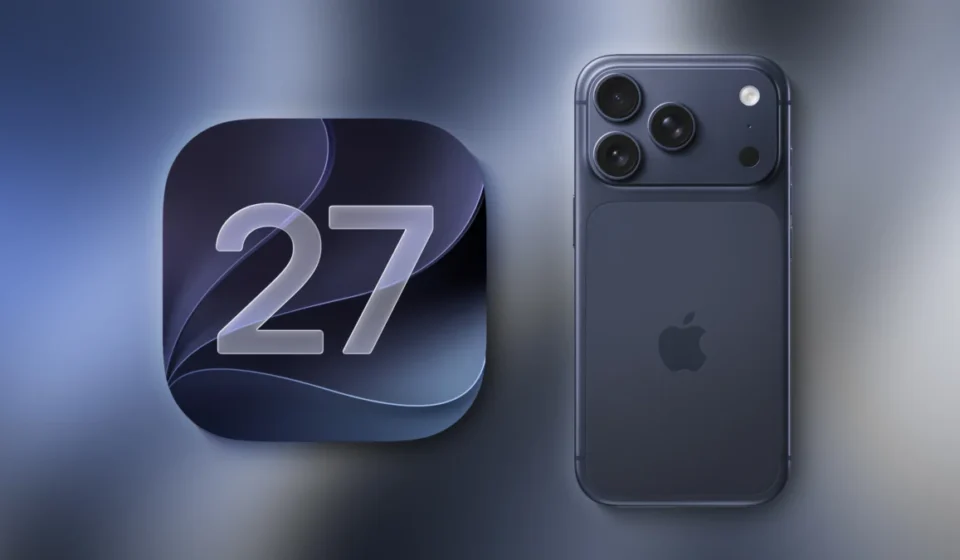

Apple is poised to launch its highly anticipated iOS 27 update tomorrow, Monday, September 14, 2026, bringing a suite of significant advancements to iPhones worldwide. The centerpiece of this year’s major software overhaul is the integration of more sophisticated Siri AI capabilities, alongside a broad spectrum of refinements, performance enhancements, and entirely new features designed to elevate the user experience. The announcement was made during Apple’s recent iPhone event, where the company confirmed the imminent release of iOS 27, signaling the culmination of months of beta testing and developer previews.
Beyond the flagship iPhone operating system, Apple is also set to release macOS Golden Gate and other components of the OS 27 family concurrently. This coordinated rollout across its ecosystem underscores Apple’s strategy of delivering a cohesive and integrated user experience across its devices. The simultaneous release aims to ensure that users can leverage the latest features and improvements across their Apple hardware with minimal friction.
Global Launch: Pinpointing the Exact Release Time
Based on historical release patterns and information gleaned from Apple’s regional websites, the iOS 27 update is expected to become available for download at approximately 10:00 a.m. Pacific Time (PT) and 1:00 p.m. Eastern Time (ET) on Monday, September 14. Apple’s global web presence offers further clues, with the company’s site for India indicating a September 14 launch, while pages for Singapore, Hong Kong, and other Asian regions point to a September 15 release. This discrepancy in local dates is a common occurrence with global software rollouts, as Apple meticulously synchronizes its server deployment to ensure the update becomes available shortly after midnight in various time zones.
To assist iPhone users across the globe in anticipating the arrival of iOS 27, a comprehensive list of time zone conversions has been compiled. It is important for users to note that this list may not be exhaustive, and verifying the exact release time for their specific location is recommended. Furthermore, Apple’s servers often experience significant strain during major software releases, which can occasionally lead to minor delays in the update becoming universally accessible.
Anticipated Release Times by Major Time Zone:
- Pacific Time (PT): Monday, September 14, 10:00 AM
- Mountain Time (MT): Monday, September 14, 11:00 AM
- Central Time (CT): Monday, September 14, 12:00 PM (Noon)
- Eastern Time (ET): Monday, September 14, 1:00 PM
- Greenwich Mean Time (GMT): Monday, September 14, 5:00 PM
- Central European Time (CET): Monday, September 14, 6:00 PM
- Indian Standard Time (IST): Monday, September 14, 7:30 PM
- China Standard Time (CST): Monday, September 14, 10:00 PM
- Japan Standard Time (JST): Monday, September 14, 11:00 PM
- Australian Eastern Standard Time (AEST): Tuesday, September 15, 1:00 AM
- New Zealand Standard Time (NZST): Tuesday, September 15, 4:00 AM
Key Features and Enhancements in iOS 27
While the official announcement during the iPhone event provided a high-level overview, subsequent beta releases and developer previews have shed light on the transformative capabilities of iOS 27. The most significant of these is the advancement of Siri. Apple has heavily invested in on-device AI processing and natural language understanding, aiming to make Siri more conversational, context-aware, and proactive. This evolution is expected to enable Siri to handle more complex queries, perform multi-step tasks, and offer more personalized assistance without constant reliance on cloud servers, thereby improving privacy and response times.
Beyond Siri, iOS 27 is reportedly introducing a novel "iPhone Handoff" feature. This functionality, briefly showcased during the WWDC 2026 keynote, allows users to seamlessly switch between two iPhones while maintaining the same phone number. This feature, which requires carrier support, is designed to offer unparalleled flexibility for users managing multiple devices. Early reports indicate that T-Mobile in the U.S. and Deutsche Telekom in Germany are among the first carriers to support this feature, with a potential monthly subscription fee of $5 for its utilization. This development signals a new avenue for mobile service integration and potentially revenue generation for carriers.
Other anticipated improvements in iOS 27 include enhancements to the Photos app, with more intelligent organization and editing tools; expanded customization options for the Lock Screen and Home Screen; significant updates to Messages, potentially including new ways to express messages and collaborate; and further refinements to Apple’s suite of productivity and entertainment applications. The Mail app is also expected to receive an intelligence boost, with improved sorting and spam detection.
The Ecosystem Impact: macOS Golden Gate and Beyond
The release of macOS Golden Gate alongside iOS 27 is a testament to Apple’s commitment to a unified ecosystem. While specific details about macOS Golden Gate’s features remain under wraps until the official release, it is reasonable to expect that it will incorporate many of the AI advancements and core functionalities introduced in iOS 27, ensuring a consistent experience across Macs. This cross-platform synergy is crucial for Apple’s strategy, enabling users to transition effortlessly between their iPhone, iPad, and Mac.
The broader implications of iOS 27 extend to app developers and the wider tech industry. The enhanced AI capabilities of Siri, for instance, will open new avenues for app integration and innovation. Developers will be able to leverage Siri’s advanced understanding to create more intuitive and powerful app experiences, potentially leading to a new wave of applications that deeply integrate with the operating system’s core intelligence. The "iPhone Handoff" feature also presents opportunities for app developers to explore new use cases and functionalities that span multiple iPhones.
Preparing for the Update: Best Practices and Server Congestion
As iOS 27 and iPadOS 27 become available for over-the-air (OTA) download, iPhone and iPad users are advised to ensure their devices are adequately charged and connected to a stable Wi-Fi network before initiating the update. The installation process for major operating system updates can be time-consuming, and interruptions due to low battery or unstable internet can lead to issues.
To check for the update manually, users can navigate to Settings > General > Software Update. It is recommended to allow a few moments for the device to connect with Apple’s servers and detect the availability of the new software. For those who prefer a less immediate approach or wish to avoid potential initial server strain, waiting for the update to be delivered when the device is next connected to a computer via iTunes (or its successor) is also an option.
It is prudent for users to be aware of potential challenges during the initial rollout phase. The immense global demand for major software updates like iOS 27 can place considerable pressure on Apple’s servers. This surge in traffic can result in slower download speeds, increased installation times, and occasional sluggishness on devices attempting to update simultaneously. To mitigate these potential inconveniences and ensure a smoother upgrade experience, users may consider delaying their update by a day or two, allowing server congestion to subside. This approach often leads to a more stable and efficient installation process.
Looking Ahead: The Evolving Landscape of Mobile AI
The release of iOS 27 marks another significant step in Apple’s ongoing commitment to integrating artificial intelligence into its products and services. The focus on advanced Siri capabilities signals a strategic shift towards more intelligent and personalized user interactions. This aligns with a broader industry trend where AI is becoming increasingly central to the mobile experience. As devices become more powerful and AI models more sophisticated, the lines between hardware, software, and intelligent assistance will continue to blur, promising a future where our devices are not just tools, but truly intuitive and capable companions. The impact of iOS 27 will be keenly watched by competitors and industry analysts alike, as it sets the benchmark for the next generation of smartphone operating systems and the evolving role of AI in our daily lives.