A Comprehensive Review of Essential Free Productivity Applications Driving Efficiency Across Android and Desktop Platforms.

The modern professional landscape, increasingly characterized by digital workflows and remote collaboration, necessitates robust tools to maintain and enhance productivity. While a myriad of premium applications exist, a significant number of high-quality productivity solutions offer feature-rich free tiers or are entirely free, making advanced organizational and task management capabilities accessible to a broader audience. This article examines a curated selection of such applications, highlighting their functionalities, advantages, and how they contribute to a streamlined digital existence across various platforms, with a particular emphasis on their availability and utility on Android devices. This selection represents a strategic stack of tools that address diverse productivity needs, from secure note-taking and task management to project oversight, time tracking, data organization, content curation, and device automation.
The Evolving Landscape of Digital Productivity Tools
The digital transformation has profoundly impacted how individuals manage their professional and personal lives. What was once handled with physical notebooks, calendars, and manual record-keeping has largely shifted to sophisticated software applications. This evolution is driven by the need for instant access, synchronization across devices, collaborative features, and the ability to process vast amounts of information efficiently. According to recent market analyses, the global productivity software market is projected to reach significant valuations, underscoring the growing reliance on these tools. This growth is fueled by factors such as the proliferation of mobile devices, the rise of the gig economy, and the sustained trend of remote and hybrid work models, all of which demand flexible and powerful digital assistants. The challenge, however, often lies in navigating the overwhelming number of options and identifying those that offer substantial value without imposing a financial burden.
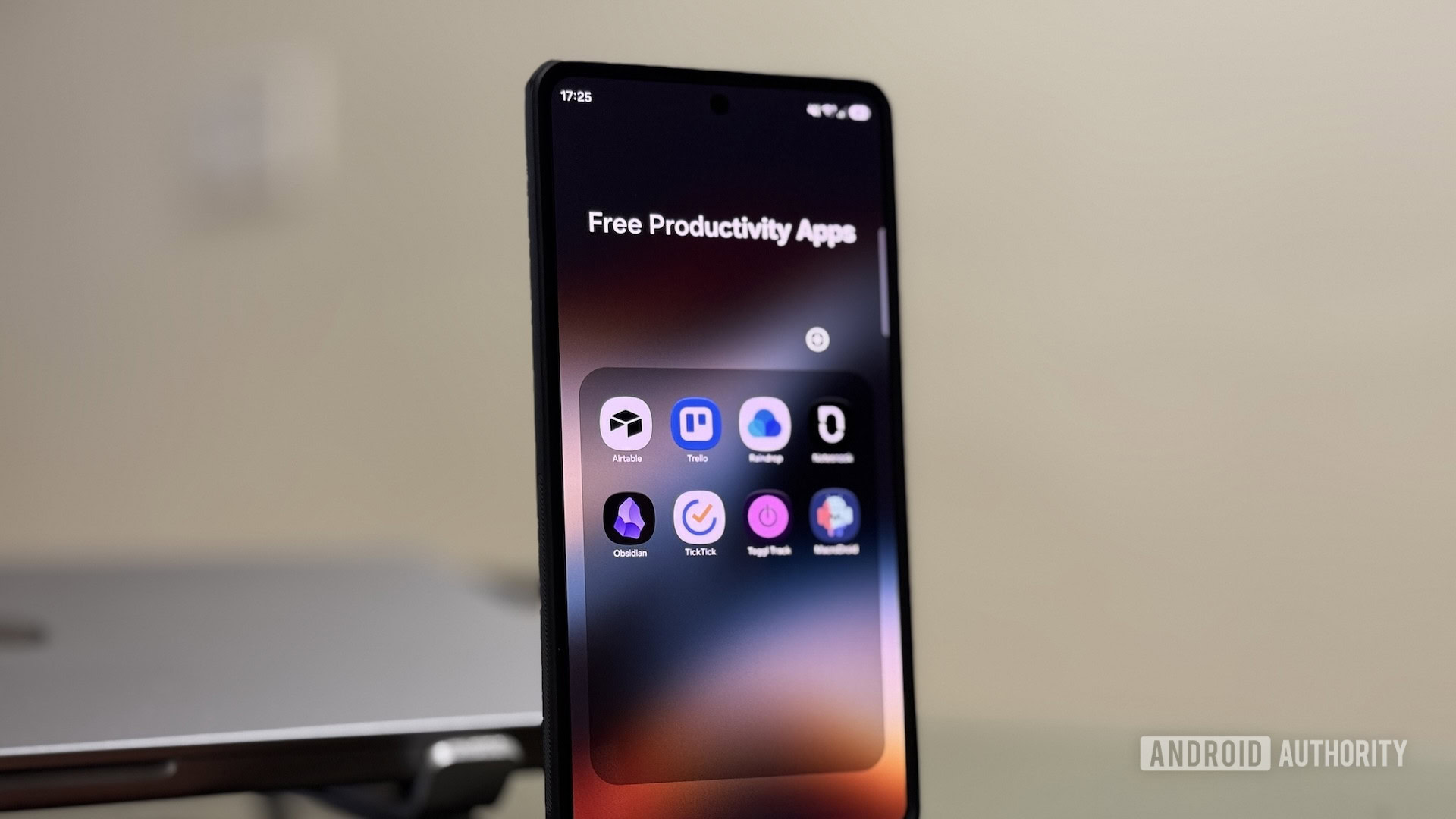
The apps discussed here are distinguished by their robust free offerings, demonstrating that powerful productivity need not come at a prohibitive cost. They represent a blend of open-source philosophies, freemium models, and community-driven development, providing users with effective solutions for common digital dilemmas.
Notesnook: Securing Your Thoughts with Open-Source Encryption
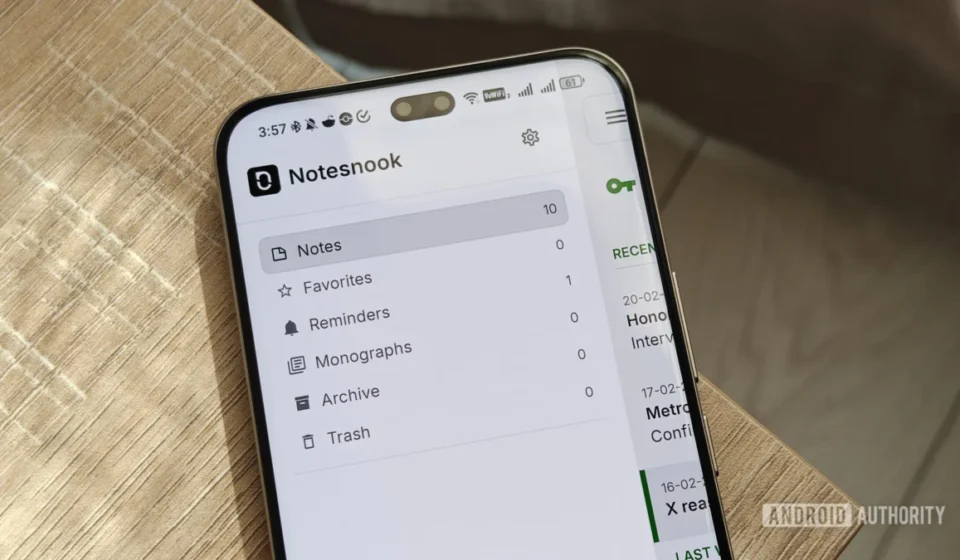
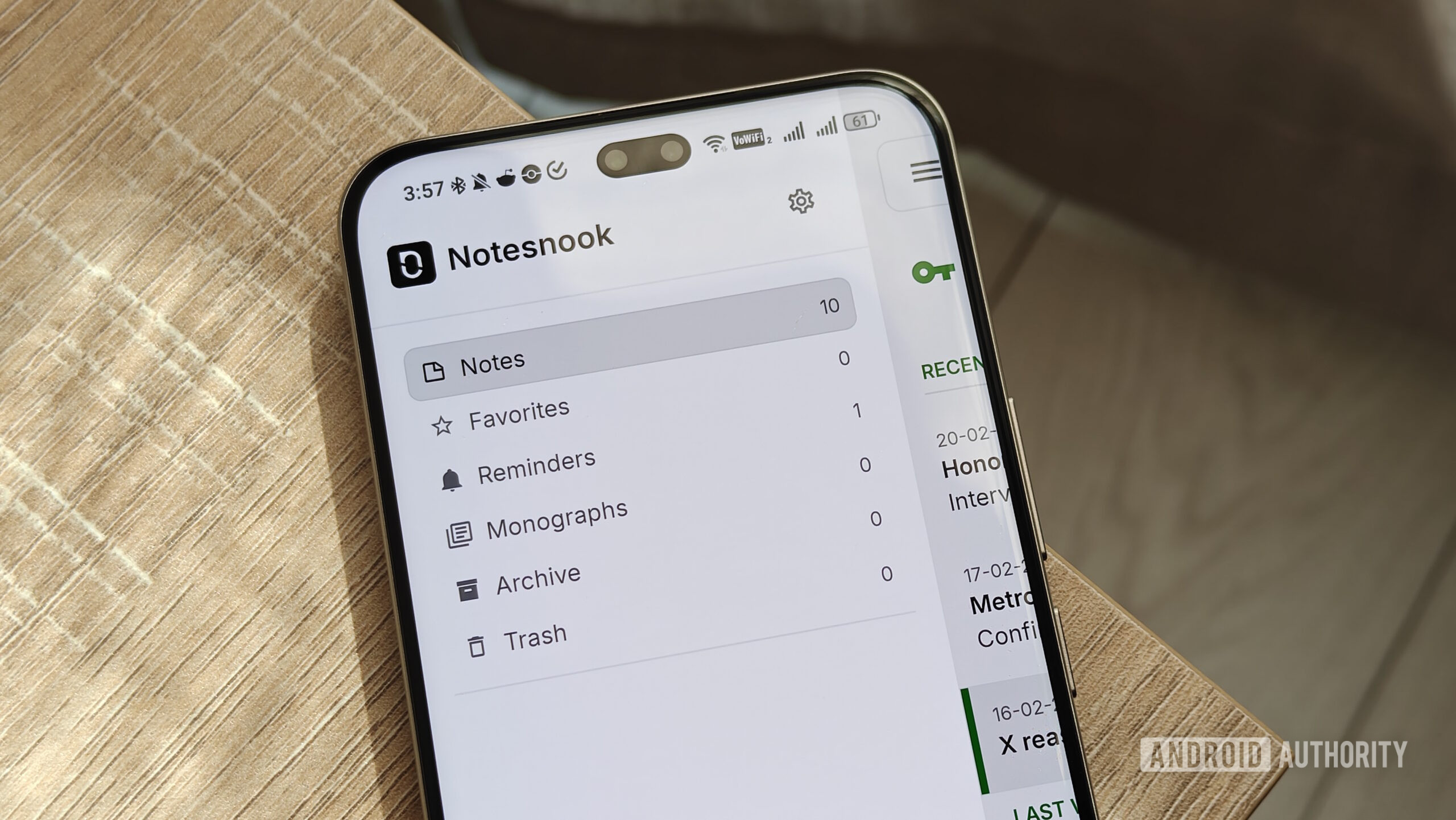
In an era where digital privacy is paramount, Notesnook emerges as a leading open-source note-taking application designed with end-to-end encryption at its core. Unlike many proprietary note-taking services that might store user data on their servers with varying levels of security, Notesnook offers a transparent and auditable approach to data protection. This commitment to privacy makes it an ideal choice for users who frequently jot down sensitive information, personal reflections, or critical work-related data that requires stringent security measures. The application’s open-source nature means its code is publicly available for scrutiny, fostering trust and allowing a community of developers to contribute to its security and feature set.
Notesnook provides a comprehensive free plan that rivals the capabilities of many paid alternatives. Key features include a versatile rich-text editor, enabling users to format notes with headings, bold text, italics, and other styling options for clarity and readability. It also supports the embedding of various attachments, such as images and documents, directly within notes, transforming them into multimedia records. The inclusion of tables and checklists further enhances its utility, allowing for structured data entry and efficient task breakdown within individual notes. For organization, Notesnook offers a hierarchical system comprising notebooks, folders, and subfolders, facilitating meticulous categorization of information. Users can further enhance discoverability through tags and color-coding, ensuring that frequently needed thoughts, ideas, and pieces of information are easily retrievable across all synced devices, from smartphones to desktop computers. The seamless synchronization across platforms ensures that a note taken on a mobile device is immediately accessible and editable on a computer, and vice-versa, providing an uninterrupted workflow. This combination of robust security, extensive features, and cross-device availability positions Notesnook as a formidable choice for digital note-takers prioritizing both functionality and data sovereignty.
Obsidian: Building a Personal Knowledge Base
Obsidian transcends traditional note-taking applications, positioning itself as a powerful tool for constructing a personal knowledge base, often referred to as a "second brain." This application is particularly favored by individuals who engage in extensive research, complex project planning, or continuous learning, as it facilitates the creation of interconnected notes. Unlike linear document editors, Obsidian operates on a local-first principle, storing notes as Markdown files on the user’s device. This approach provides users with full control over their data, eliminating reliance on cloud servers for primary storage and enhancing data longevity. The true power of Obsidian lies in its ability to link notes together, creating a web of interconnected information that mirrors human thought processes. This is visualized through a unique Graph View, which graphically represents the relationships between notes, revealing insights and connections that might otherwise remain hidden.
For users seeking to extend its core functionality, Obsidian boasts a vibrant plugin ecosystem. These community-developed and official plugins offer a vast array of enhancements, transforming Obsidian into a highly customizable environment. Examples include plugins for advanced table creation, integration with drawing tools like Excalidraw for visual thinking, templating for consistent note structures, and automation tools like QuickAdd for rapid data entry. While Obsidian’s core application is free for personal use, synchronization across devices typically requires a paid service (Obsidian Sync) or a free third-party plugin like "Remotely Save," which leverages cloud storage providers such as Google Drive or Dropbox. This flexibility allows users to choose their preferred synchronization method, balancing convenience with cost. The Markdown-based format ensures future-proofing, as plain text files are universally readable, safeguarding valuable knowledge accumulated over time. Obsidian’s philosophy encourages a deeper engagement with information, fostering critical thinking and making it an invaluable asset for intellectual work.
TickTick: Mastering Daily Tasks with Intelligent Precision
TickTick stands out as a highly effective task management application, celebrated for its intuitive interface and a generous free tier that satisfies the demands of most users. For many, a reliable to-do list app is the cornerstone of daily productivity, and TickTick consistently ranks among the top choices for its blend of simplicity and powerful features. Its utility extends beyond mere list-making, offering tools that streamline task creation, organization, and reminders.

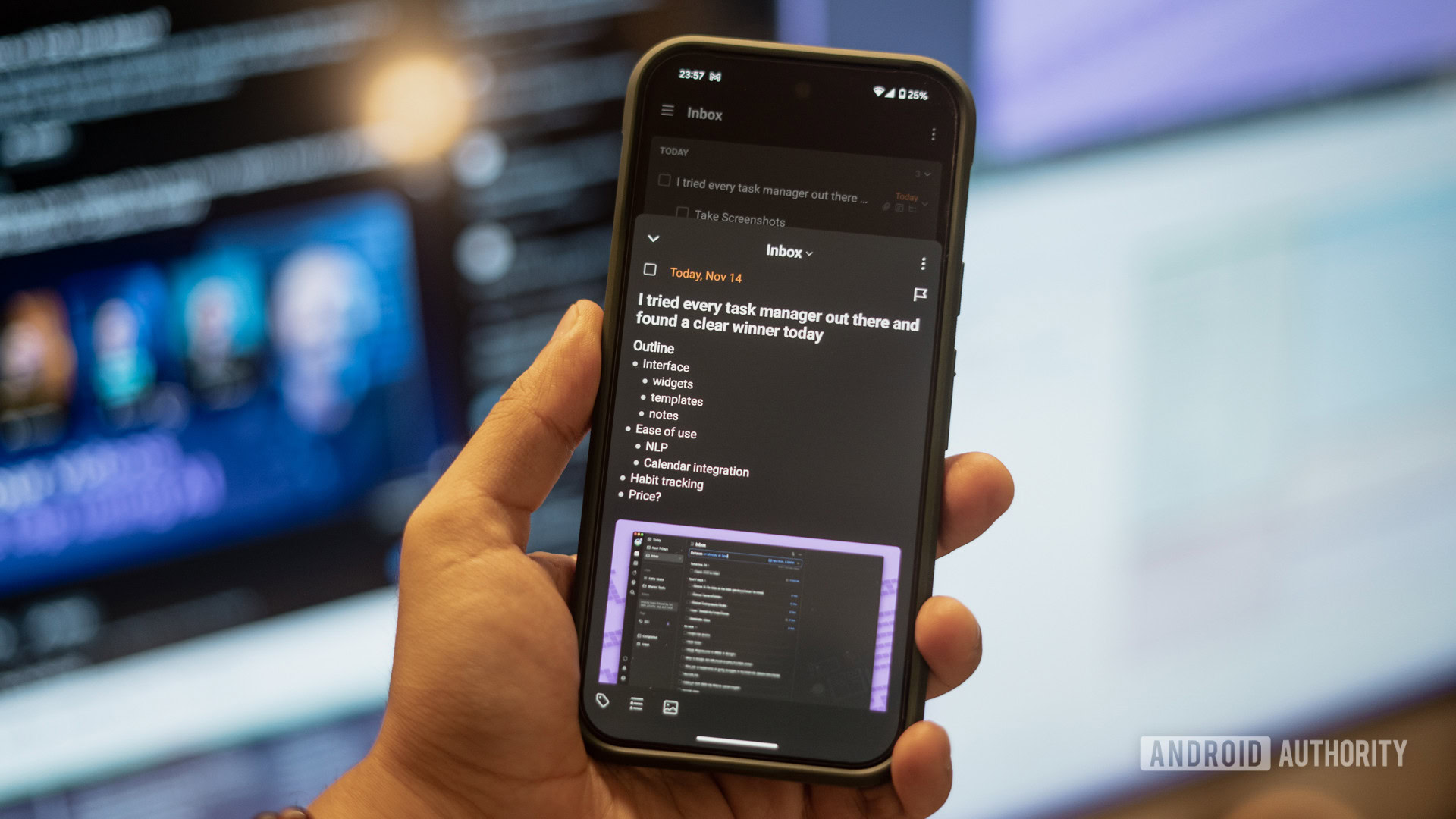
One of TickTick’s most acclaimed features is Smart Recognition, which leverages natural language processing to interpret task details entered by the user. For instance, typing "meeting tomorrow at 8 PM with John" automatically sets a reminder for the specified time and person, eliminating the need for manual date and time selections. This intelligent input saves valuable seconds and reduces friction in the task creation process, encouraging more consistent use. The application also excels in handling recurrent tasks, a crucial feature for managing routine responsibilities such as bill payments, subscription renewals, or weekly reports. Users can configure tasks to repeat daily, weekly, monthly, or annually, ensuring that important deadlines are never missed. Furthermore, TickTick incorporates priority levels, allowing users to assign urgency to tasks. This visual cue helps in prioritizing workloads, ensuring that critical items receive immediate attention while less urgent tasks can be scheduled accordingly. The free plan also includes essential features such as text formatting, attachment support, subtasks for breaking down larger objectives, and tags for flexible categorization. These capabilities collectively enable users to maintain a clear overview of their daily commitments, manage personal and professional obligations effectively, and foster a sense of control over their schedules. TickTick’s thoughtful design and robust feature set make it an indispensable tool for maintaining a highly organized and productive routine.
Trello: Visualizing Project Progress with Kanban Boards
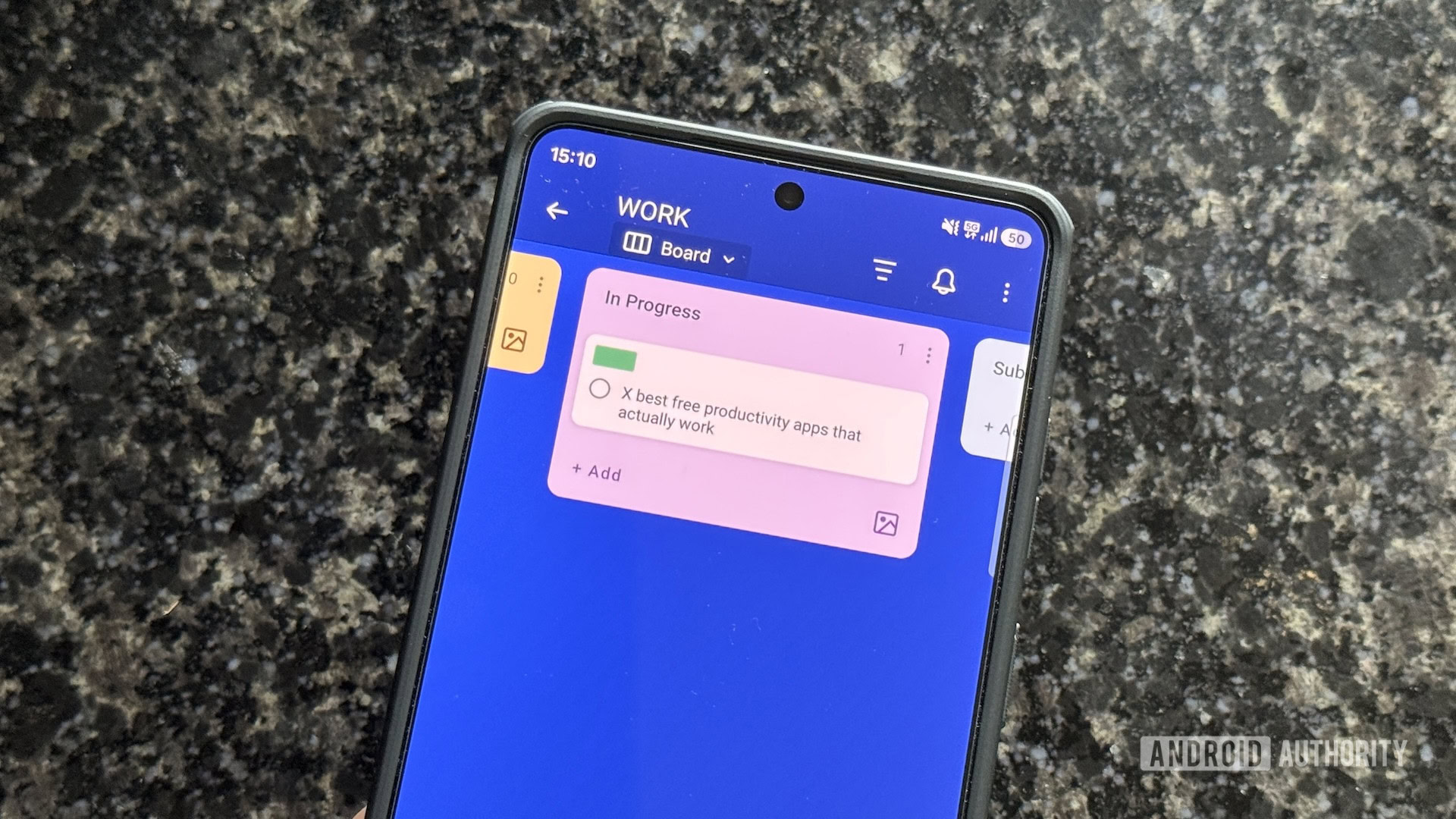
Trello, a prominent project management application, offers a highly visual and intuitive approach to organizing tasks and workflows through its Kanban-style boards. This methodology, originating from lean manufacturing, utilizes cards to represent tasks, which are moved across lists representing different stages of a process (e.g., "To Do," "Doing," "Done"). This visual progression makes it exceptionally easy to track the status of individual tasks and overall project progress at a glance. Trello’s free plan is remarkably generous, providing ample functionality for individuals and small teams to manage various projects without incurring costs.
The application’s flexibility makes it suitable for a wide array of uses, from tracking client deliverables to managing personal projects like home renovations or content creation pipelines. Its appeal often stems from its simplicity compared to more complex enterprise project management suites. A standout feature for many users is the ability to create custom fields within task cards. For example, a content creator might use two date fields: one for the client’s publication deadline and another "do by" date for their personal internal deadline, ensuring they complete work ahead of schedule. The subtasks feature allows for the decomposition of larger tasks into smaller, manageable steps, such as breaking down an article review into "drafting," "taking product shots," and "editing." This granular breakdown provides a clearer path to completion and facilitates accurate progress tracking. Trello also offers powerful filtering capabilities, allowing users to quickly sort cards by status, labels, members, or due dates. This enables rapid review of specific project aspects, such as all tasks assigned to a particular client or all items due in the coming week. The visual nature, coupled with these organizational tools, empowers users to maintain clarity, manage multiple commitments, and effectively coordinate efforts, making Trello a go-to solution for streamlined project oversight.
Toggl Track: Precision Time Management for Enhanced Efficiency
Toggl Track is an essential time-tracking application that provides granular insights into how time is spent on various tasks and projects. For freelancers, consultants, or anyone looking to optimize their workflow and billing accuracy, a reliable time tracker is indispensable. Toggl Track distinguishes itself with its user-friendly interface and a free tier that offers robust functionalities sufficient for most individual needs. The core principle is straightforward: users initiate a timer when starting a task and stop it upon completion. This simplicity encourages consistent usage, transforming time tracking from a chore into an effortless habit.
Upon stopping a timer, Toggl Track prompts users to add details about the session, including a description of the activity, the associated project, and relevant tags. This metadata is crucial for later analysis, allowing for comprehensive reporting and categorization of work hours. For instance, tagging similar work sessions (e.g., "research," "writing," "client communication") provides a more nuanced understanding of where time is allocated. The application’s calendar view offers a valuable summary of daily, weekly, and monthly time usage, allowing individuals to review their work patterns, identify time sinks, and make data-driven decisions to improve efficiency. Toggl Track also offers practical widgets for mobile devices, enabling users to start, stop, and monitor active sessions directly from their phone’s home screen. This feature is particularly useful for those moments when one steps away from their primary workstation but needs to manage an ongoing timer. While Toggl Track includes an auto-tracker feature that can automatically record time spent on computer applications, many users prefer the manual control to ensure accuracy and intentionality in their time logging. The insights gained from Toggl Track’s data are invaluable for optimizing productivity, accurately billing clients, and fostering a disciplined approach to time management.
Airtable: Beyond Spreadsheets for Dynamic Data Management
Airtable stands as a powerful hybrid tool, merging the familiarity of spreadsheets with the robust capabilities of a database. It provides a highly flexible and visual platform for organizing, storing, and analyzing structured data, making it far more versatile than a traditional Excel sheet. Its free tier offers substantial functionality, allowing users to create multiple "bases" (databases) with numerous tables, fields, and records, catering to a wide range of data management needs.
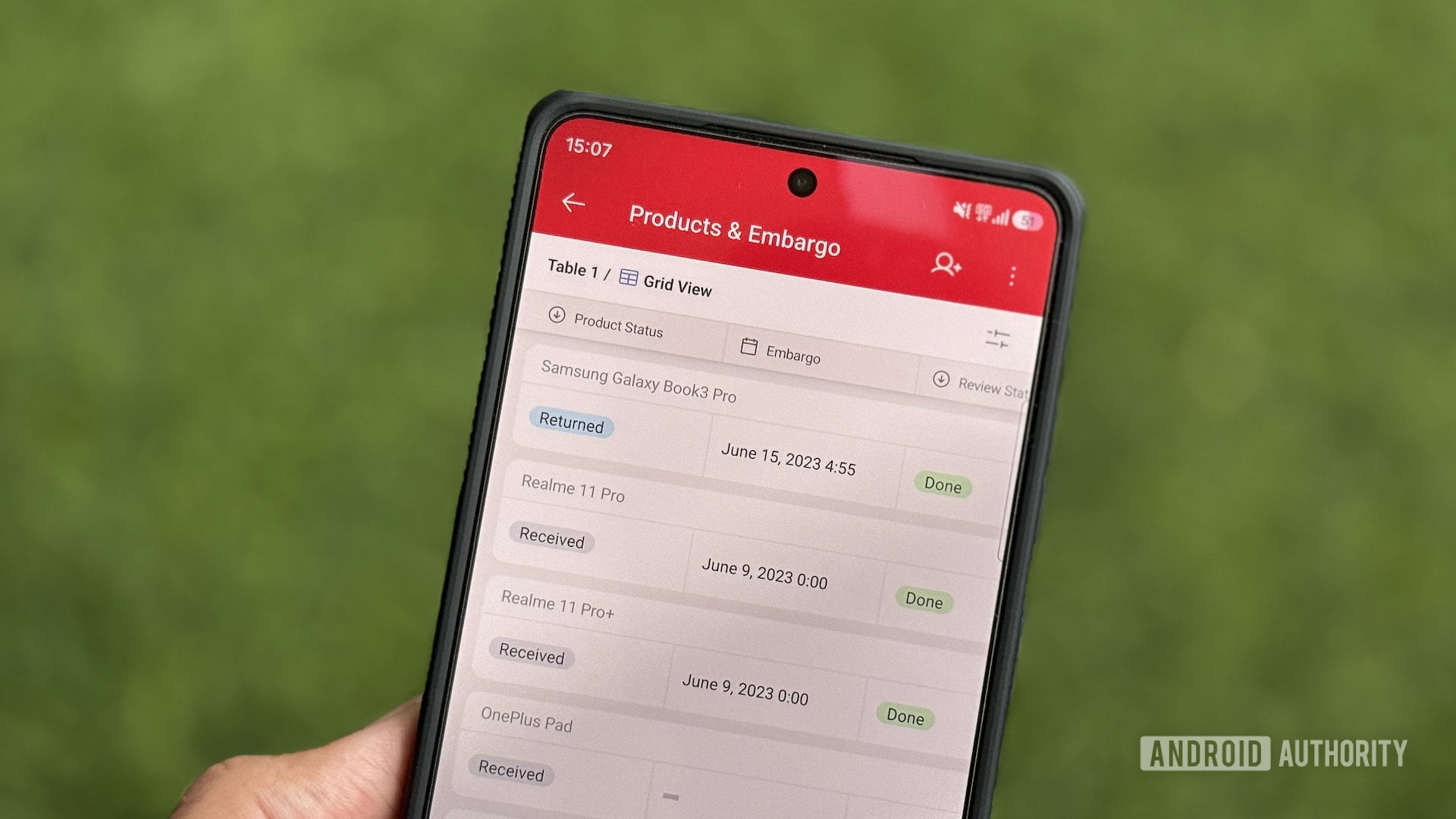
The application’s strength lies in its customizable fields, which go beyond simple text or numbers. Users can define fields for attachments, checkboxes, single-select or multi-select options, dates, formulas, and even linked records across different tables, enabling complex data relationships. This allows for the creation of sophisticated data models that are both easy to interact with and powerful in their analytical potential. For example, a user tracking review units might create fields for product name, acquisition date, return date, and a status (e.g., "in hand," "returned," "disposed"), providing a clear inventory overview. Beyond simple tracking, Airtable excels in offering different "views" of the same data. Users can switch between grid view (like a spreadsheet), calendar view (for date-based records), gallery view (for visual data like product images), and Kanban view (for workflow management). This adaptability makes it suitable for diverse applications. Many users leverage Airtable for personal financial tracking, such as managing investments with fields for rationale, returns, and historical data. Others utilize it for inventory management, cataloging office supplies or personal collections. Its utility also extends to aspirational lists, allowing users to curate desired products (e.g., watches, tech gadgets) with relevant details and links. The ability to create a relational database without needing programming expertise makes Airtable an exceptionally powerful and accessible tool for anyone needing to organize complex information systematically.
Raindrop.io: The Ultimate Digital Content Curator
In an age of information overload, effectively saving and organizing digital content for future reference is a critical productivity challenge. Raindrop.io emerges as an all-in-one bookmark manager that elegantly addresses this need, offering a robust solution for curating everything from articles and web pages to images and videos. Following the discontinuation of other popular bookmarking services, Raindrop.io has become a go-to for many, providing a comprehensive free plan that supports extensive collections and features.
The process of saving content is seamless, whether on a desktop or mobile device. Users can leverage browser extensions for quick captures on computers or utilize the native share menu on smartphones. Once an item is saved, Raindrop.io automatically fetches relevant metadata, including titles, descriptions, and thumbnails. Users can then organize these "raindrops" into custom collections (folders) and assign multiple tags, creating a highly personalized and searchable library. This tagging system is particularly powerful, allowing for cross-categorization and flexible retrieval. For instance, an article about "AI ethics" could be tagged with both "AI" and "ethics," making it discoverable through either search term. When manually locating an item proves challenging, Raindrop.io’s advanced search functionality comes to the rescue. It supports a wide array of search parameters, enabling users to pinpoint specific content based on tags, domains, content type, or even within the full text of saved articles. The speed and accuracy of this search engine significantly enhance knowledge retrieval. Furthermore, Raindrop.io’s ability to save various media types, including screenshots and videos, makes it a versatile tool for digital archiving and research. Its clean interface and powerful organizational features ensure that valuable online discoveries are not lost in the digital ether, transforming casual browsing into a structured knowledge-building activity.

MacroDroid: Automating Your Android Experience
MacroDroid stands out as one of the premier Android automation applications, empowering users to streamline repetitive tasks and customize their device behavior without requiring advanced technical skills. The core concept revolves around creating "macros," which are simple "if-then" statements: if a specific trigger occurs, then a defined action is executed. This intuitive logic makes powerful device automation accessible to a broad audience, significantly enhancing the Android user experience. While it is Android-specific, its impact on daily productivity for mobile users is profound.
The application offers an extensive list of triggers and actions, allowing for highly personalized automation routines. For example, a common macro involves automatically deleting screenshots after a set period, preventing storage clutter. Another practical application is controlling screen orientation: MacroDroid can be configured to automatically rotate the screen to landscape when specific media apps like YouTube or Netflix are opened, and revert to portrait when they are closed, eliminating manual toggling. For connectivity and entertainment, a macro can detect when the phone connects to a car’s Bluetooth system and automatically launch a favorite Spotify playlist, ensuring an immediate musical accompaniment for the commute. Beyond these, MacroDroid supports triggers based on location (e.g., silence phone upon arriving at work), battery level (e.g., enable power saving mode when below 20%), NFC tags, time of day, and much more. The corresponding actions can range from sending messages and adjusting volumes to launching applications and controlling device settings. The power of MacroDroid lies in its ability to transform mundane, repetitive interactions into seamless, automated processes, freeing up cognitive load and time. By intelligently responding to user context and device state, MacroDroid elevates the smartphone from a mere tool to a truly intelligent assistant, tailored precisely to individual habits and needs.
Conclusion: The Synergy of Free Productivity
The array of applications discussed – Notesnook, Obsidian, TickTick, Trello, Toggl Track, Airtable, Raindrop.io, and MacroDroid – collectively demonstrates the immense power and accessibility of free and freemium productivity tools available today. Each application, while serving a distinct purpose, contributes to a holistic framework for managing information, tasks, projects, and time efficiently. From the privacy-focused note-taking of Notesnook and the knowledge-building capabilities of Obsidian, to the precise task management of TickTick and the visual project oversight of Trello, these tools empower users to take control of their digital lives. Time tracking with Toggl Track offers invaluable insights, while Airtable provides dynamic data organization, and Raindrop.io ensures effective content curation. Finally, MacroDroid optimizes the Android experience through intelligent automation.
All of these applications, with the exception of the Android-exclusive MacroDroid, are available across major mobile and desktop platforms, ensuring a consistent and synchronized experience regardless of the device in use. This cross-platform compatibility is a critical factor in modern productivity, allowing for seamless transitions between work environments. The availability of such powerful tools with generous free tiers signifies a democratized access to advanced productivity methodologies, enabling individuals and small teams to operate with the efficiency traditionally associated with larger organizations. By strategically adopting and integrating these applications, users can significantly enhance their personal and professional effectiveness, navigating the complexities of the digital age with greater clarity, control, and calm. The ongoing innovation in this sector promises even more sophisticated and accessible solutions, continually redefining what it means to be productive in the interconnected world.