Android Community Reacts with Skepticism to Google’s New Sideloading Restrictions, Raising Concerns for Platform Openness

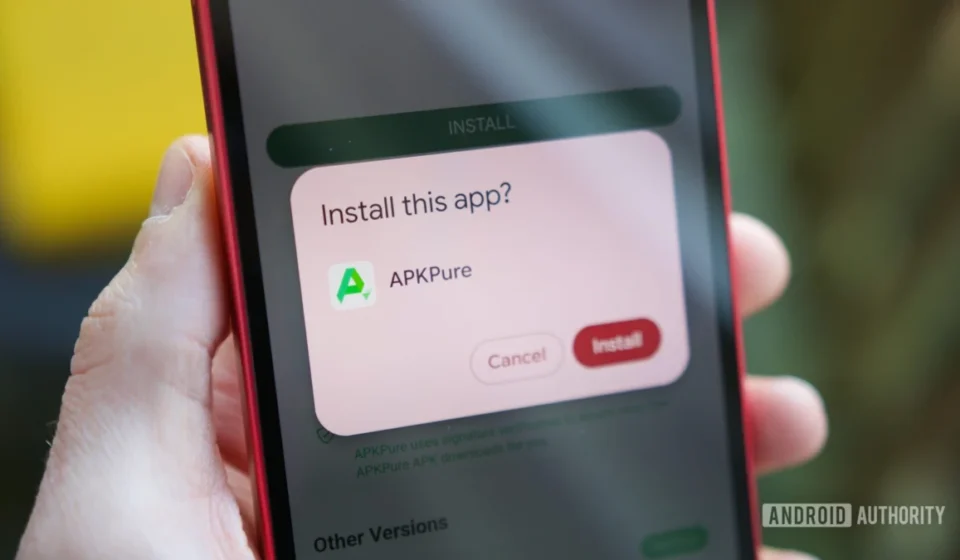
Google’s recent announcement last week regarding significant changes to Android’s sideloading process has ignited a vigorous debate within the platform’s vast user community, with initial reactions leaning heavily towards apprehension about the future of Android’s famed openness. The new protocol for installing applications from unverified sources, which introduces additional steps including a contentious one-time 24-hour waiting period, marks a notable departure from the long-standing, relatively unfettered approach to sideloading that has characterized the Android ecosystem for years. This shift has prompted a critical examination of Google’s ongoing efforts to balance user security with developer freedom and consumer choice, stirring a pot of both understanding and considerable pushback among its most engaged users.
Background and Context: The Evolution of Android’s Openness
Sideloading, the practice of installing applications onto a device from sources other than the official app store, has historically been a cornerstone of the Android operating system’s appeal. Unlike more closed ecosystems, Android has always prided itself on offering users unparalleled flexibility and control over their devices. This freedom has manifested in various ways, from extensive customization options to the ability to install apps directly via APK files, bypassing the Google Play Store. For many power users, developers, and privacy advocates, sideloading is more than just a convenience; it represents a fundamental aspect of digital autonomy, allowing access to apps not available on the Play Store due to regional restrictions, specific use cases, or differing developer policies, as well as enabling early access to beta versions or applications from independent creators.
Google, while promoting the openness of Android, has concurrently navigated the increasing complexities of security in a rapidly evolving digital landscape. The sheer scale of Android’s global footprint, with billions of active devices, makes it a prime target for malicious actors. Over the years, the company has implemented various security measures, from Play Protect scans for apps within its official store to warnings for installations from unknown sources. These measures have aimed to mitigate risks such as malware, phishing, and data breaches without entirely curtailing the flexibility users value. However, the rise of sophisticated cyber threats, coupled with growing regulatory pressure concerning user safety and data privacy, appears to have prompted Google to reassess its existing framework, leading to the latest, more stringent sideloading policies.
The Specifics of Google’s New Sideloading Protocol
The core of Google’s announced changes revolves around a new "advanced flow" for sideloading applications from unverified developers. Previously, users could enable "Install unknown apps" permission for specific sources (like their browser or file manager) and proceed with installation relatively quickly after acknowledging a standard warning. The updated process introduces a multi-layered approach designed to inject more friction and deliberation into the installation of potentially risky applications.
Key elements of the new policy include:
- Mandatory Initial Waiting Period: For the first installation from an unverified source, users will now encounter a one-time 24-hour waiting period before the installation can proceed. This delay is intended to provide users with a "cooling-off" period, allowing them time to reconsider or research the app further, thereby reducing impulsive installations of potentially harmful software.
- Increased User Acknowledgment: The process involves more explicit steps and warnings, requiring users to actively acknowledge the risks associated with installing apps from outside the Play Store. This aims to ensure users are fully aware of the implications before proceeding.
- Option for Indefinite Override (After Initial Delay): Crucially, after successfully navigating the initial 24-hour waiting period for a specific unverified source, users will gain the option to indefinitely allow installations from that source without future delays. This concession attempts to address concerns from power users who frequently sideload from trusted independent developers or for specific professional needs.
- Developer Options Interaction: The new flow is tied to Android’s Developer Options. Google has clarified that if a user disables Developer Options, they will need to re-enable them before they can disable the "advanced flow" for sideloading, potentially adding another layer of complexity for users who toggle these settings for security or privacy reasons (e.g., banking apps sometimes detect and restrict access if Developer Options are enabled).
These changes represent a clear strategic move by Google to enhance the security posture of the Android platform, particularly against sophisticated social engineering attacks and malware distribution tactics that often leverage sideloaded apps. The intent is to make it harder for less tech-savvy users to inadvertently install malicious software, a common vector for scams and data theft.
User Community Reactions: A Divided Landscape Emerges
Following the announcement, Android Authority conducted a poll to gauge reader sentiment, accumulating over 7,300 votes. The results paint a picture of a user base largely skeptical of the new changes, not just regarding the process itself, but concerning what it signifies for Android’s fundamental character.
The poll revealed a distinct segmentation of opinion:
- 48% of respondents expressed that the changes make Android "less open and hurt power users." This significant plurality highlights a deep-seated concern among the more experienced segment of the Android community, who view the added friction as an erosion of core platform values. For these users, sideloading is a feature, not a vulnerability to be managed with paternalistic controls.
- 31% of survey takers indicated they "understand Google’s reasoning but still feel the approach is overkill." This group acknowledges the legitimate security concerns Google faces but believes the implemented solution is disproportionate to the problem, potentially penalizing a broad user base for the actions of a malicious few. They seek a more nuanced approach that differentiates between high-risk and low-risk sideloading scenarios.
- Only 18% of respondents fully supported the move, seeing it as a "worthwhile trade-off for better security." This minority segment prioritizes enhanced protection, even if it comes at the cost of some convenience or flexibility. They likely represent users who have either experienced security incidents or are generally more risk-averse.
- A small 3% stated the changes "don’t affect them at all because they don’t usually sideload apps." This group, while small in the context of an Android Authority poll (which typically attracts more engaged users), is significant in representing a segment of the broader Android user base for whom sideloading is not a common practice, making the impact of these changes minimal on their personal usage.
This detailed breakdown of reader sentiment underscores a fundamental tension: users understand Google’s motivation to enhance security, but a substantial majority question the method and its potential long-term implications for the platform’s identity.
The Core Debate: Openness vs. Security
Much of the frustration articulated by users centers on the philosophical implications of these changes for Android as a platform. For years, sideloading has been celebrated as one of Android’s defining features, a potent symbol of its openness, flexibility, and user empowerment. The introduction of friction, particularly a mandatory waiting period, is perceived by many as a step away from these foundational principles.
Comments from readers vividly illustrate this sentiment:
- One common refrain, "It’s my phone. I want to do what I want, when I want with my device," encapsulates the desire for unhindered device control. This perspective posits that users, especially experienced ones, should have the ultimate authority over the software they install, taking responsibility for their choices.
- Another significant concern is that restrictions aimed at deterring malicious actors inadvertently penalize all users, including those who are tech-savvy and fully understand the risks involved in sideloading. These users argue that blanket policies fail to distinguish between informed choices and genuine vulnerabilities.
The 24-hour waiting period has emerged as a particularly contentious point. While some acknowledge its theoretical merit in providing a buffer, many argue it goes too far in practice. The immediacy of digital interactions often necessitates quick solutions, and sideloading is not always about leisurely experimentation or entertainment.
A reader’s stark comment, "Google is assuming people are using this for entertainment. Sometime you must side load apps for work or for a critical purpose that needs done right away. 24hr waiting is too much. if this is implemented and remains the practice I will not buy Android devices anymore," highlights critical use cases where delays are simply untenable. For professionals who rely on specific, often custom, applications for work, or in situations requiring urgent software fixes or specialized tools, a 24-hour delay can impede productivity and even create operational bottlenecks. This perspective draws a clear line: the perceived benefit of added security does not outweigh the practical costs for a significant portion of the user base.
Comparisons to Other Platforms and the "Slippery Slope" Concern
Readers frequently drew comparisons to traditional computing platforms like Windows, where installing software from downloaded executable files is a straightforward process, typically involving standard security prompts but no enforced waiting periods. One commenter articulated this directly: "At this point, I wish I could run a full version of Windows natively on my phone. What they call sideloading on Android is literally just downloading and installing an app on Windows. Just saying." This comparison underscores the perceived divergence of Android from the intuitive, immediate software installation experience common in other operating systems. The implication is that Android, in its quest for mobile-specific security, is adopting a more restrictive stance than even desktop operating systems, which handle a broader range of software installations.
While some feedback acknowledged that sideloading itself isn’t being removed, merely slowed down, a pervasive anxiety about a "slippery slope" remains. The sentiment is that this initial restriction could pave the way for further, more draconian measures in the future, gradually eroding Android’s foundational promise of openness. "It’s a one time thing, if I need to do it one time. I guess it is not a big deal, hope it’s not a slippery slope thing," a reader noted, encapsulating the wary acceptance coupled with underlying apprehension. This concern is amplified by Google’s increasing focus on ecosystem control and standardization, driven in part by evolving regulatory landscapes like the European Union’s Digital Markets Act (DMA), which, while mandating more openness in some aspects, also influences how platform providers approach security and app distribution globally.
Practical concerns also surfaced regarding the interaction of the new policy with Android’s Developer Options. The clarification that disabling Developer Options would necessitate re-enabling them to manage the advanced sideloading flow caused apprehension. As one user pointed out, "I know they give you the option of indefinitely allowing installation of unverified apps; but it’s gonna suck if it resets after turning off developer options just so I can access my banking app." Many banking and financial applications actively check for Developer Options being enabled and may restrict functionality or even prevent app launch, forcing users to toggle this setting frequently. If toggling Developer Options repeatedly also resets the sideloading permissions, it adds an unacceptable layer of inconvenience for a common user practice.
Google’s Rationale and Broader Implications
Google’s official stance, though not explicitly detailed in new statements for this specific policy, consistently emphasizes the need to strike a delicate balance between providing a flexible, open platform and ensuring user safety. The company has invested heavily in machine learning-driven threat detection, app scanning, and security features like Play Protect, which scans billions of apps daily. The justification for the new sideloading flow is undoubtedly rooted in data indicating that a significant portion of malware and security incidents on Android originate from apps installed outside the Play Store. By adding friction, Google aims to reduce the attack surface, particularly for users who might be less aware of the risks or susceptible to social engineering tactics.
The "one-time" nature of the 24-hour wait and the subsequent option for indefinite allowance are Google’s attempts to mitigate the impact on power users. This design suggests a recognition of the legitimate need for sideloading, while still trying to enforce a moment of deliberate thought for first-time or infrequent sideloaders.
However, the survey results and accompanying comments make it clear that the debate extends beyond merely a new technical flow or a waiting period; it delves into the very identity of Android. For many users, the changes signify a potential shift in Google’s philosophy, moving away from radical openness towards a more curated, and arguably more controlled, experience.
This policy adjustment also arrives at a time of heightened scrutiny for major tech platforms regarding their market power and control over digital ecosystems. Regulatory bodies worldwide are increasingly pushing for greater interoperability and user choice. While Google’s new sideloading rules aim to enhance security, they could be perceived by some as another step towards tightening control, potentially inviting further examination from regulators concerned about competition and platform openness. The impact on smaller developers who might rely on direct distribution channels, or on users in regions with limited access to the Play Store, could be substantial, forcing them to navigate additional hurdles.
In conclusion, the divided opinions among Android users underscore a critical juncture for the platform. Google is unequivocally committed to enhancing security in an increasingly complex threat landscape. Yet, for a substantial segment of its dedicated user base, this balance feels like it may be tipping too far in one direction, potentially compromising the very openness that has defined Android. The ongoing dialogue between Google and its community will determine how these changes are ultimately perceived and whether they foster a more secure ecosystem without alienating the power users and developers who have contributed to Android’s unparalleled success and versatility. The challenge for Google will be to communicate its security imperative clearly while finding ways to reassure its most vocal users that the spirit of Android’s openness remains intact.