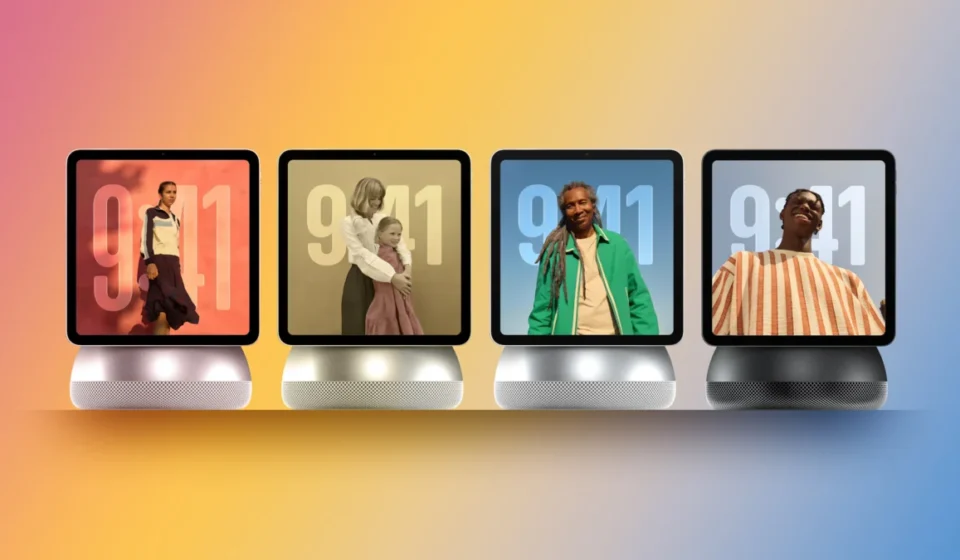
Apple and LG Forge Smart Home Alliance for Upcoming Home Hub and Ecosystem Expansion

Apple is reportedly collaborating with LG Electronics on a new suite of smart home accessories designed to seamlessly integrate with Apple’s forthcoming home hub and its broader ecosystem of connected devices. This strategic partnership, detailed in reports from Bloomberg, signals a significant push by Apple to solidify its presence in the burgeoning smart home market by leveraging the manufacturing and development expertise of an established industry player. The collaboration aims to accelerate the expansion of Apple’s smart home offerings, providing consumers with a wider array of compatible products that enhance the functionality and convenience of their connected living spaces.
The initiative involves LG Electronics developing and manufacturing a comprehensive range of smart home devices. These are slated to include a wired video doorbell, a smart thermostat, a sophisticated smart deadbolt lock, a precise temperature sensor, an indoor security camera, an outdoor security camera, and a floodlight camera. These devices have appeared in documentation submitted by LG to regulatory bodies such as the Federal Communications Commission (FCC) and UL Solutions. While Apple is not explicitly named in these public filings, and LG has requested confidentiality regarding specific details, Bloomberg’s reporting indicates that Apple has been actively involved in the development process. This "second-party supplier" model allows Apple to expand its product lines rapidly without bearing the full burden of research, development, manufacturing, and logistical complexities associated with bringing such a diverse range of hardware to market. It also provides Apple with a mechanism to influence product design and feature sets, ensuring alignment with its own design philosophy and technical standards, all while maintaining a degree of discretion in the early stages of development.
A Strategic Shift in Apple’s Smart Home Strategy
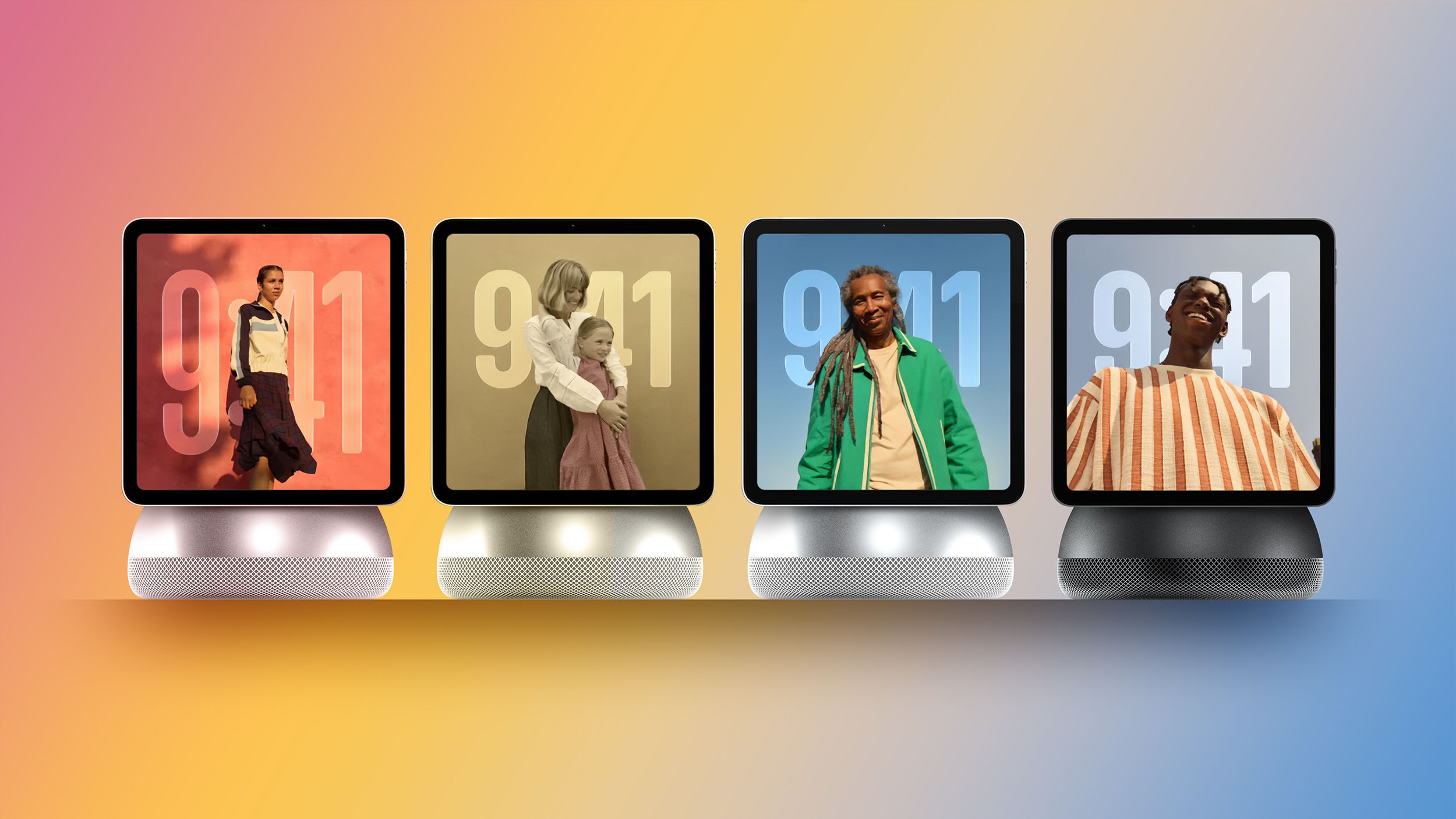
This partnership marks a pivotal moment in Apple’s evolving smart home strategy. For years, Apple has incrementally built its smart home presence through its HomeKit framework and devices like the Apple TV and HomePod. However, the introduction of a dedicated home hub, anticipated alongside new iterations of the Apple TV 4K and HomePod mini, suggests a more ambitious and centralized approach to home automation. The LG collaboration provides the necessary breadth and depth of hardware to populate this new hub with a rich selection of complementary accessories.
The timing of these developments is particularly noteworthy. Apple is widely expected to unveil its new smart home hub, an updated Apple TV 4K, and a refreshed HomePod mini on October 13th. While these core Apple devices are slated for an imminent release, the LG-manufactured accessories are anticipated to become available to consumers in the coming months, likely following the initial launch of the new hub. This staggered release strategy allows Apple to generate initial excitement around its central smart home platform before inundating the market with a full spectrum of compatible hardware.
Technological Foundation: Thread, Matter, and UWB
A key aspect of the LG-developed smart home devices is their support for advanced connectivity protocols, crucial for a robust and interoperable smart home ecosystem. Several of the LG devices are confirmed to support Wi-Fi, Bluetooth, Thread, and Matter. Thread, a low-power, IP-based wireless networking protocol, is particularly significant for enabling reliable and responsive communication between smart home devices. Matter, an open-source connectivity standard developed by the Connectivity Standards Alliance (CSA), aims to simplify smart home device setup and ensure compatibility across different brands and platforms. Apple has been a strong proponent of both Thread and Matter, integrating them into its HomeKit framework.
The inclusion of Ultra-Wideband (UWB) technology in the smart deadbolt lock is another significant feature. UWB enables highly precise location awareness, which can facilitate seamless and secure interactions. In the context of a smart lock, this could translate to features like automatic unlocking when a user with a compatible Apple device approaches their door, enhancing convenience and security without requiring manual intervention. This level of integration underscores Apple’s commitment to creating an intuitive and frictionless user experience within its smart home environment.
Historical Precedents and LG’s Evolving Role
Apple’s history of collaboration with LG Electronics is well-established. LG Display is a significant supplier of components for many of Apple’s flagship products, including iPhones and iPads. Furthermore, Apple previously partnered with LG for its high-resolution 4K and 5K UltraFine monitors, designed specifically to complement Mac computers, during a period when Apple was not actively producing its own branded displays. This long-standing relationship provides a solid foundation of trust and technical synergy for the current smart home initiative.
While LG is not traditionally recognized as a leading manufacturer of smart home accessories, its strategic moves in recent years indicate a growing ambition in this sector. In 2024, LG acquired a majority stake in Homey, a smart home platform known for its comprehensive automation capabilities and broad device compatibility. This acquisition positions LG to compete more directly with established smart home giants such as Samsung’s SmartThings, Amazon’s Ring, and Google’s Nest. The partnership with Apple, therefore, serves a dual purpose for LG: it allows them to contribute to a high-profile ecosystem while simultaneously building their own expertise and market presence in the smart home arena.
The "Second-Party Supplier" Model: A Strategic Advantage
The "second-party supplier" arrangement offers Apple several distinct advantages. By outsourcing the manufacturing and in some cases, the direct development, to experienced partners like LG, Apple can significantly reduce the capital expenditure and operational overhead associated with producing a wide range of hardware. This model allows for greater agility in responding to market demands and technological advancements.
Furthermore, this approach enables Apple to maintain a tight grip on the overall user experience and brand consistency. While LG will build and brand the devices, Apple’s involvement in the development process ensures that these accessories will adhere to Apple’s stringent design principles, performance standards, and security protocols. This allows Apple to curate an ecosystem where devices work harmoniously and reliably, a hallmark of the Apple experience. It also provides a pathway to introduce products without the intense scrutiny that often accompanies Apple’s in-house hardware launches, allowing for more measured market introductions and iterative improvements.
Broader Implications for the Smart Home Market
The entry of Apple, with its vast customer base and influential ecosystem, into the smart home hardware market with a comprehensive suite of accessories is likely to have a profound impact on the industry. It will intensify competition, potentially driving innovation and lowering prices across the board. Consumers stand to benefit from a wider selection of high-quality, interoperable smart home devices.
The emphasis on standards like Matter is also crucial. As more major players adopt and promote Matter, it moves closer to achieving its goal of a truly unified smart home. This could alleviate consumer frustration with incompatible devices and create a more accessible market for smart home technology.
For LG, this partnership represents a significant opportunity to elevate its brand in the smart home sector and to solidify its position as a key technology partner for major global brands. The experience gained from co-developing and manufacturing these accessories for Apple will undoubtedly inform LG’s future product development and strategic decisions in the smart home space.
Anticipated Product Lineup and Future Outlook
The LG-developed accessories, when launched, will complement Apple’s existing smart home offerings and the new home hub by providing essential functionalities for home automation, security, and comfort.
- Smart Home Hub: The central nervous system of the new ecosystem, expected to offer advanced control and automation capabilities.
- Wired Video Doorbell: Enhances home security and allows for remote monitoring and communication with visitors.
- Smart Thermostat: Optimizes home climate control for comfort and energy efficiency, likely integrating with Apple’s energy management features.
- Smart Deadbolt Lock: Provides keyless entry and enhanced security, with UWB support for proximity-based unlocking.
- Temperature Sensor: Offers granular environmental monitoring, potentially for smart climate control or alert systems.
- Indoor and Outdoor Security Cameras: Expand home surveillance capabilities, offering various deployment options for comprehensive monitoring.
- Floodlight Camera: Combines illumination with security monitoring, ideal for outdoor areas.
The success of this collaboration hinges on the seamless integration of these LG-manufactured devices into the Apple ecosystem and the overall appeal of Apple’s smart home strategy to consumers. With Apple’s track record of creating compelling user experiences and LG’s manufacturing prowess, this alliance has the potential to redefine the smart home landscape and further solidify Apple’s position as a dominant force in consumer technology. The coming months will reveal the full scope of these ambitious plans and their impact on how we interact with our homes.