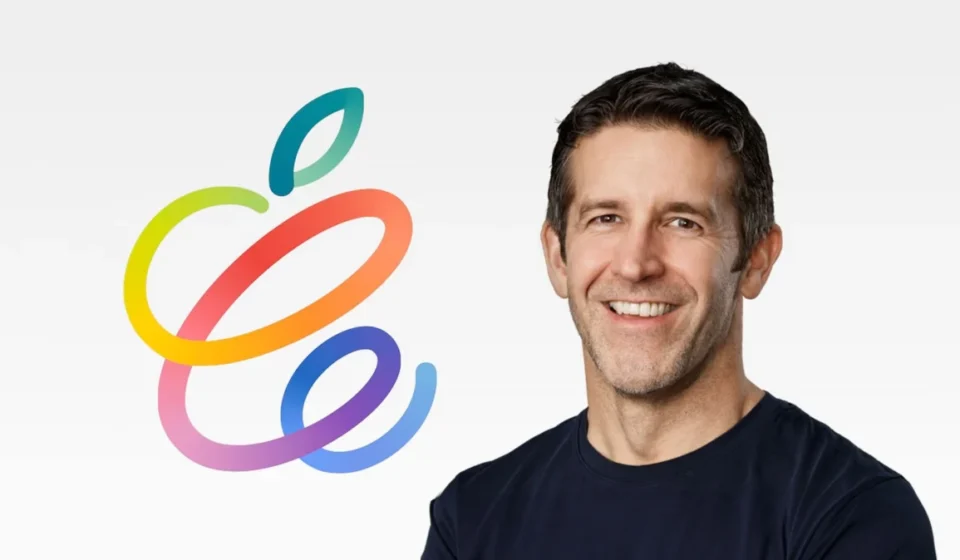
Apple CEO John Ternus Discusses the Revolutionary iPhone Duo, Leadership Transition, and the Future of Apple Innovation

Monday September 21, 2026 4:12 pm PDT by Juli Clover
Following Apple’s highly anticipated September product unveiling, newly appointed CEO John Ternus sat down for an in-depth interview with the French talk show "Clique" on Canal+. The conversation provided a rare glimpse into the strategic thinking behind Apple’s latest innovations, particularly the groundbreaking "iPhone Duo," the company’s ambitious foray into the foldable smartphone market. Ternus detailed the design philosophy, developmental hurdles, and his vision for the future of Apple under his leadership, painting a picture of continuity rooted in a relentless pursuit of customer-centric innovation.
The Genesis of the iPhone Duo: A New Form Factor
At the heart of the discussion was the iPhone Duo, a device that represents a significant departure from traditional smartphone design. Ternus explained Apple’s deliberate choice to adopt an iPad-like form factor when the device is unfolded, a decision driven by a desire to create a novel and expansive large-screen experience. "I think it’s something new and unique, right?" Ternus stated, directly addressing the device’s distinctive shape. "But I think we didn’t want to just do what we’d seen other people do, which is sort of take two phone shapes and stick them together and then you get this weird square thing. We came at it from we want to build a large screen experience that feels right to us. And obviously we’ve been doing that for a long time with iPad. And so we knew kind of the shape, you know, we came up with this new aspect ratio."
This approach signals Apple’s commitment to defining its own path in the evolving foldable market, rather than merely adapting existing paradigms. The emphasis on a "large screen experience" echoes Apple’s long-standing success with the iPad, suggesting a strategic leverage of established user expectations for tablet-like functionality within a mobile device. The development of a "new aspect ratio" indicates a meticulous approach to screen geometry, aiming to optimize usability and visual appeal in both folded and unfolded states.
Navigating the Labyrinth of Foldable Technology
The creation of the iPhone Duo was not without its challenges, as Ternus candidly admitted. The development process was fraught with "so many problems" that required ingenious solutions. However, he framed these obstacles as opportunities for Apple’s engineering teams to "be really clever" and "come up with entirely new things." This perspective highlights Apple’s culture of innovation, where complex technical hurdles are viewed as catalysts for groundbreaking advancements.
Specific areas of intense focus included the intricate design of the hinge mechanism and the durability of the flexible display. The hinge, a critical component in any foldable device, must balance seamless operation with structural integrity and aesthetic appeal. Similarly, ensuring the longevity and visual fidelity of a screen that bends repeatedly presents a significant engineering feat. Apple’s investment in overcoming these hardware challenges underscores their commitment to delivering a premium and reliable foldable experience, aiming to address the durability concerns that have historically plagued early foldable devices from competitors.
A Glimpse into the User Experience: Whimsy and Delight
When pressed for his favorite feature or "trick" of the iPhone Duo, Ternus pointed to the device’s opening animation. "I mean, this is really fun, you know, the animation that you get as you open it across from one side to the other. It’s just sort of whimsical and fun. And it brings a smile to your face," he shared. This seemingly minor detail speaks volumes about Apple’s user-centric design philosophy, where even the most subtle interactions are crafted to evoke positive emotions and enhance the overall user experience. Such attention to detail in animations and transitions has been a hallmark of Apple products, contributing to their perceived polish and intuitiveness.
Redefining AI Companionship: The Role of Siri
The interview also touched upon Apple’s evolving strategy for artificial intelligence, particularly concerning Siri. Ternus reiterated Apple’s clear stance that Siri AI is "not designed to be your friend." This echoes sentiments previously expressed by Craig Federighi, Apple’s Senior Vice President of Software Engineering, earlier in the year. Ternus emphasized that Apple’s objective is not to replace human relationships, which are fundamental to personal growth and happiness. "They’re how we learn, they’re how we grow, they’re how we find joy and happiness," he stated.
This philosophical approach to AI development positions Apple’s intelligent assistant as a tool to augment human capabilities and streamline tasks, rather than a substitute for genuine human connection. In an era where AI companions are becoming increasingly sophisticated and emotionally resonant, Apple’s deliberate choice to maintain a clear distinction between AI assistance and personal relationships signals a commitment to ethical AI development and a recognition of the irreplaceable value of human interaction.
The Unexpected Ascent to CEO
A particularly revealing segment of the interview focused on Ternus’s unexpected appointment as Apple’s CEO. He recounted how the question of succession was posed by then-CEO Tim Cook and Apple’s board. "When Tim asked me if it was something I would consider, I would say the good news is I was sitting down, because I never in a million years would have imagined that happening," Ternus disclosed, highlighting the surprise and gravity of the moment. This narrative suggests a carefully considered transition, with Ternus being identified as a strong candidate with deep product understanding and a proven track record within the company.
A Vision of Continuity and Evolving Innovation
Addressing his leadership following a period of significant product launches, Ternus outlined his strategic outlook, emphasizing a philosophy of continuity rather than radical change. When asked if Apple would return to its engineering roots under his tenure, he responded with conviction: "I don’t think anything’s really changed. Sure, I’m new in this job, but the focus on innovation, the focus on products, the focus most importantly on our customers, that has never changed. That’s been here from the beginning."
Ternus articulated his deep personal connection to product development, stating, "I am super passionate about products. I love building things. That’s why I’ve been here so long. That’s why I love what I do. And so I’m excited to continue doing that. But I don’t think of it as some radical change." This statement reassures stakeholders that Apple’s core values and commitment to delivering high-quality, customer-focused products will remain steadfast. His passion for "building things" directly aligns with Apple’s historical identity as a company driven by engineering excellence and a desire to create transformative products.
The Magic of "One More Thing"
A poignant moment in the interview was Ternus’s reflection on the experience of uttering the iconic phrase "one more thing" on stage during the September event. This phrase, famously associated with Apple co-founder Steve Jobs and later used by Tim Cook, carries immense historical and emotional weight within the company. "I’ve seen Steve say it, and I’ve seen Tim say it," Ternus recalled. "And so having the opportunity for me to say it was pretty magical. Kind of goosebumps." This personal anecdote underscores the deep respect Ternus holds for Apple’s legacy and his awareness of the profound significance of such moments in the company’s history.
A Broader Spectrum of Apple’s Future
The full "Clique" interview, available for viewing, delves into a wider array of topics, offering a comprehensive perspective on Apple’s current trajectory and future ambitions. Ternus also shared his thoughts on the legacy of Tim Cook, the competitive landscape of the AI race, Apple’s ongoing commitment to environmental sustainability, the future of spatial computing with the Vision Pro, and the introduction of enhanced parental controls in the forthcoming iOS 27. These discussions collectively paint a picture of a company that is not only innovating in hardware but also strategically addressing evolving technological and societal trends.
The announcement of the iPhone Duo, alongside anticipated updates to the iPhone 18 Pro lineup, Apple Watch Series 12, and new AirPods 5 earphones at the September event, signals a period of significant product evolution for Apple. The market will be keenly observing how the iPhone Duo is received by consumers and its impact on the broader foldable device sector. Ternus’s leadership promises a continuation of Apple’s core tenets: innovation, product excellence, and an unwavering focus on the customer, while navigating the complexities of a rapidly advancing technological world. His measured approach suggests a strategic evolution, building upon Apple’s established strengths to meet the challenges and opportunities of the coming years.