Apple Considers Larger, More Powerful iMac Models Amidst Evolving Desktop Strategy

Apple’s iconic iMac lineup, long a staple for users seeking an elegant all-in-one computing experience, may be poised for a significant expansion beyond its current 24-inch iteration. Despite the current singular focus on Apple Silicon-powered 24-inch models, recent internal developments suggest the tech giant is actively exploring and experimenting with larger, more powerful iMac configurations. This renewed interest in beefier iMacs indicates a strategic re-evaluation of Apple’s desktop offerings, driven by the remarkable success of its custom silicon and a desire to cater to a broader spectrum of professional and power users. The company’s commitment to innovation in its Mac portfolio appears to be extending into the realm of high-performance desktops with integrated displays, potentially filling a perceived void left by the discontinuation of previous larger iMac models.
A Deeper Dive into Apple’s iMac Aspirations
Currently, the mainstream iMac offering is limited to a 24-inch model powered by Apple’s proprietary M-series chips, which have been instrumental in redefining the performance and efficiency of Mac computers since their introduction. However, reports indicate that Apple is not resting on its laurels and is actively engaged in testing concepts that push the boundaries of the iMac’s display size and processing capabilities. These internal explorations involve prototypes featuring larger displays and significantly more potent processors. Such configurations would likely appeal to professionals, creative artists, developers, and other power users who demand robust computing power without compromising the clean aesthetics and integrated design of an all-in-one desktop.
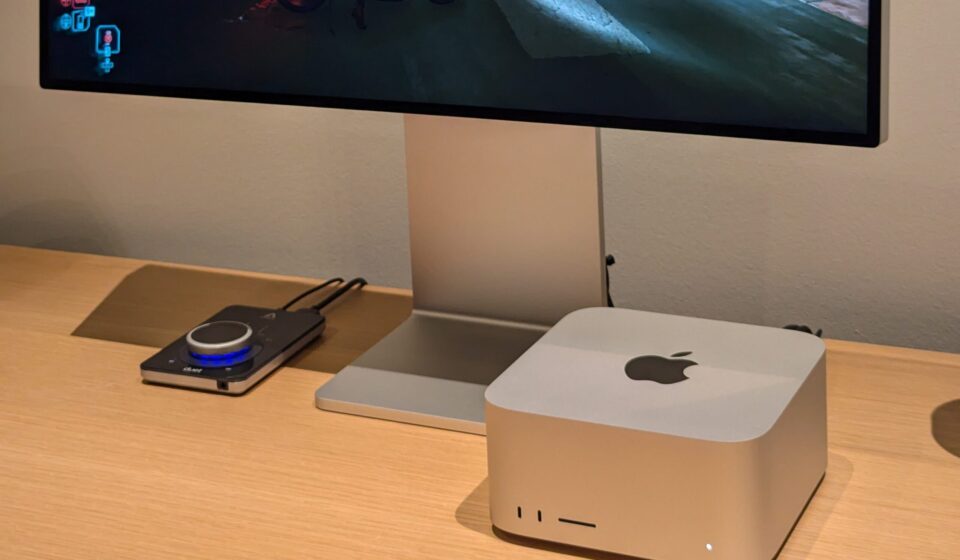
The company previously offered a 27-inch iMac, a model that was a popular choice for users seeking a larger screen and greater performance. This model was eventually discontinued as Apple transitioned its Mac lineup to its in-house Apple Silicon architecture. The resurgence of experimentation with larger iMac designs suggests that Apple has not entirely written off the possibility of reintroducing such a product, or perhaps even exploring sizes beyond what was previously available. This strategic exploration positions the iMac as a potential component within Apple’s evolving desktop ecosystem, which already includes the modular Mac Studio and the compact Mac mini for users who prefer a more customizable setup. The internal testing signifies a considered approach to how a larger, more powerful iMac could coexist with and complement these existing offerings, rather than simply replace them.

The "Ultra" Factor: Expanding the Premium Tier
The exploration into more powerful iMac models is not an isolated endeavor; it appears to be intrinsically linked to Apple’s broader strategic initiative to expand its "super-premium" product tiers. Over the past few years, Apple has progressively introduced "Ultra" variants of its devices, most notably with the M1 Ultra and M2 Ultra chips powering the Mac Studio and Mac Pro, respectively. These Ultra-tier products are engineered for customers who demand the absolute highest levels of performance and cutting-edge features, often for demanding professional workflows.
This expansion into the super-premium segment is anticipated to ripple across other product lines in the coming years. The iPad, for instance, is frequently discussed as a potential candidate for an "Ultra" designation. A high-end, foldable OLED iPad has been a subject of significant internal debate within Apple, and such a device would naturally align with the characteristics of an Ultra product, offering a larger, more versatile display coupled with top-tier hardware. Concurrently, the continued experimentation with iMacs featuring more powerful processors and larger displays suggests a similar trajectory for the all-in-one desktop. These potential future iMacs could occupy a distinct premium category, positioned above the current 24-inch models and specifically tailored for creative professionals, developers, and advanced users whose work demands significant computational power. The introduction of such machines would solidify Apple’s commitment to providing a comprehensive range of desktop solutions, from the accessible to the exceptionally powerful.
The Significance of a Larger, More Capable iMac
The possibility of a larger and more powerful iMac holds considerable weight for Apple’s market position and its appeal to a diverse user base. The all-in-one form factor continues to be highly attractive to a segment of consumers who value a streamlined and uncluttered workspace, free from the visual clutter of separate monitors, towers, and a tangle of cables. This design philosophy has been a hallmark of the iMac since its inception, and extending this to a more powerful machine would cater to professionals who appreciate Apple’s integrated design ethos but require performance levels that currently necessitate pairing a Mac Studio or Mac Pro with an external display.
Furthermore, a larger iMac would effectively address a perceived gap in Apple’s desktop lineup that has existed since the discontinuation of the 27-inch Intel-based iMac. Many long-time Apple customers have expressed a desire for a larger, more capable desktop solution that retains the simplicity of an all-in-one system. This new generation of iMacs, if realized, could serve as a direct successor to those popular larger models, offering enhanced performance through next-generation Apple Silicon chips and a more expansive visual canvas. Such a product would be a compelling option for users in fields such as graphic design, video editing, 3D rendering, and software development, where screen real estate and processing power are paramount. The integrated nature of the iMac also simplifies setup and maintenance, making it an attractive proposition for businesses and educational institutions seeking powerful yet user-friendly desktop solutions.

A Glimpse into the Future: What to Expect
While Apple is actively engaged in internal experimentation with these larger iMac concepts, the company has yet to make any official announcements regarding upcoming releases. The current product roadmap suggests that Apple’s immediate focus remains on refreshing its existing Mac models. This includes potential updates to the Mac Studio lineup and the possibility of new color variants for the existing 24-inch iMac later this year. These iterative updates are typical of Apple’s product cycle and aim to keep its offerings competitive by incorporating the latest advancements in processor technology and design.
However, the persistent internal work on bigger and more powerful iMac models signals that Apple is keeping its strategic options open and is not averse to revisiting and evolving its product lines based on market demand and technological advancements. If these prototypes eventually transition into commercially available products, future generations of the iMac could offer significantly larger displays and substantially more potent performance, driven by the ongoing evolution of Apple Silicon. The introduction of an "Ultra" tier for the iMac, for example, could represent a significant leap in performance for an all-in-one desktop, positioning it as a direct competitor to high-end workstation setups.
Looking even further ahead, the potential expansion of Apple’s "Ultra" tier to additional product categories remains a significant area of exploration. The ongoing internal discussions around a foldable OLED iPad underscore Apple’s commitment to pushing the boundaries of display technology and form factors in its premium offerings. Similarly, the continuous experimentation with larger and more powerful iMac prototypes demonstrates a clear intent to enhance the performance and visual capabilities of its all-in-one desktop line. This suggests that Apple is not just looking to iterate on existing designs but is actively seeking ways to innovate and offer more compelling solutions for its most demanding users. The overarching message from these internal developments is clear: while Apple’s desktop strategy continues to adapt and evolve, the prospect of larger, faster iMacs remains very much on the table, signaling a potentially exciting future for this beloved product line.