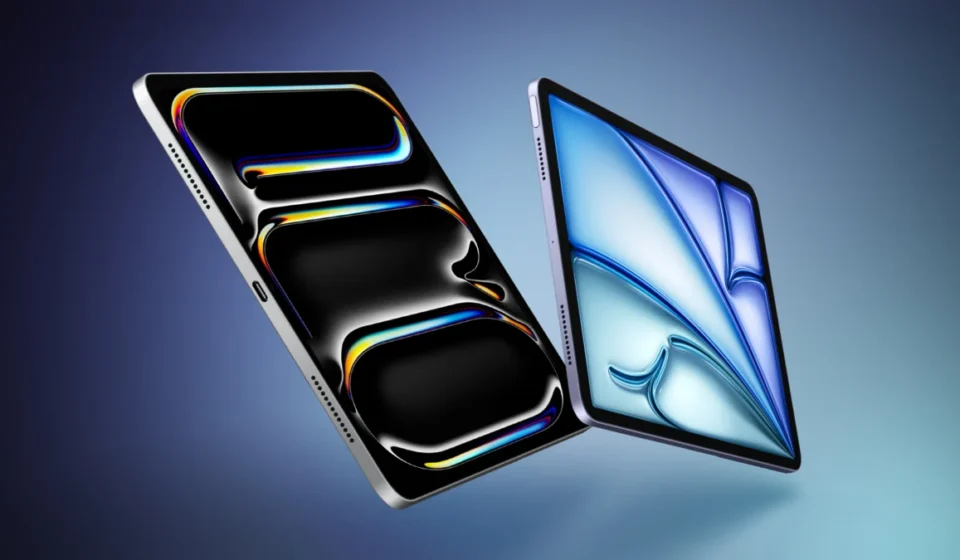
Apple Gears Up for Major iPad Refresh with OLED Air, Enhanced Pro, and Next-Gen Entry-Level Model in Early 2027

Following a recent unveiling of an iPad mini boasting an OLED display, Apple is reportedly set to introduce a comprehensive update to its iPad lineup in the first half of 2027. This anticipated refresh, according to insider reports from Bloomberg’s Mark Gurman, will encompass new iterations of the iPad Air, iPad Pro, and the foundational entry-level iPad, signaling a significant evolution in Apple’s tablet strategy. The move underscores Apple’s commitment to enhancing its tablet offerings with cutting-edge display technology and performance improvements across its entire range.
A New Era for iPad Air: OLED Technology and M5 Power
The next generation of the iPad Air is slated to adopt OLED display technology, a feature previously exclusive to higher-end models and now extending to this popular mid-tier device. This transition to OLED is a pivotal development, promising substantial improvements in contrast ratios, deeper blacks, and enhanced brightness compared to the current LCD panels. For consumers, this translates to a more immersive viewing experience, whether for consuming media, engaging in creative tasks, or general productivity.
This technological leap for the iPad Air is expected to be complemented by an upgrade to Apple’s M5 chip. This would represent a significant performance boost, offering greater processing power and efficiency, crucial for demanding applications and multitasking. The integration of the M5 chip, coupled with the advanced OLED display, positions the new iPad Air as a compelling option for users seeking a premium tablet experience without the top-tier price of the iPad Pro.
iPad Pro Redefined: Advanced Cooling and the M6 Chip
The flagship iPad Pro is also poised for a significant overhaul, with reports indicating the integration of a vapor chamber cooling system. This advanced thermal management technology is designed to dissipate heat more effectively, enabling the device to sustain peak performance for longer periods. This is particularly relevant for professionals and power users who frequently utilize the iPad Pro for intensive tasks such as video editing, 3D rendering, and complex software development, where prolonged high performance is critical.
Underpinning these hardware advancements, the next iPad Pro is anticipated to feature Apple’s forthcoming M6 chip. This iteration of Apple’s custom silicon is expected to deliver another leap in raw processing power, graphical capabilities, and energy efficiency. The combination of the M6 chip and the enhanced cooling system suggests that the next iPad Pro will push the boundaries of what is possible on a tablet, further blurring the lines between portable devices and traditional workstations.
Entry-Level iPad Evolves: A19 Chip and Enhanced Connectivity
The foundational entry-level iPad is not being left behind, with previous rumors suggesting that the iPad 12 will incorporate the A19 chip. This processor is notable for its ability to support Apple Intelligence, the company’s suite of AI-powered features designed to enhance user experience through intelligent assistance and automation. The inclusion of Apple Intelligence support signifies a strategic move to bring advanced AI capabilities to a wider audience, making the entry-level iPad a more capable and future-proof device.
Further enhancing the connectivity of the entry-level model, the iPad 12 is also rumored to feature an N1 chip with Wi-Fi 7 support. Wi-Fi 7 represents the next generation of wireless networking, offering substantially faster speeds, lower latency, and improved capacity compared to its predecessors. This will be particularly beneficial for tasks requiring robust internet connectivity, such as cloud computing, high-definition streaming, and real-time online collaboration. Additionally, cellular models are expected to be equipped with Apple’s power-efficient C1X modem, ensuring reliable and efficient mobile data performance.
Historical Context and Strategic Positioning
Apple’s approach to refreshing its iPad lineup has historically followed a pattern of incremental updates interspersed with significant overhauls designed to introduce new technologies and maintain market leadership. The iPad mini’s recent OLED debut signals a broader strategy to adopt advanced display technologies across its portfolio. This move is a direct response to evolving consumer expectations and the competitive landscape, where premium display quality is becoming an increasingly important differentiator.

The iPad Air’s transition to OLED is particularly noteworthy. Historically, the Air has served as the bridge between the entry-level and Pro models, offering a balance of features and price. By equipping it with OLED, Apple is elevating its appeal and potentially cannibalizing some demand from its own Pro models, a calculated risk to solidify its mid-tier market share.
The iPad Pro, as Apple’s most powerful tablet, consistently pushes the envelope in terms of performance and features. The focus on advanced cooling systems is a clear indication of Apple’s ambition to position the iPad Pro as a viable alternative to laptops for a wider range of professional workflows. The M-series chips have consistently set benchmarks for mobile processing power, and the M6 is expected to continue this trend, further enhancing the Pro’s capabilities.
The evolution of the entry-level iPad, with the inclusion of Apple Intelligence and Wi-Fi 7, reflects a strategy to democratize advanced features. By bringing AI capabilities and next-generation wireless connectivity to its most affordable tablet, Apple aims to attract a broader user base and ensure that even its most accessible devices remain relevant and competitive in an increasingly connected and intelligent world.
Market Implications and Consumer Impact
The anticipated iPad refresh in early 2027 carries significant implications for both the consumer electronics market and Apple’s own financial performance. The introduction of OLED technology across more iPad models is likely to drive demand for these devices, particularly among consumers who prioritize display quality. This could also put pressure on competitors to accelerate their own adoption of similar display technologies.
For creative professionals and power users, the enhanced performance and thermal management of the next iPad Pro could solidify its position as an indispensable tool, further expanding its adoption in professional environments. The integration of Apple Intelligence into the entry-level iPad also suggests a broader push towards AI-driven computing, potentially making the iPad a more intuitive and personalized device for everyday users.
From a financial perspective, these new models are expected to contribute to Apple’s continued growth in its Services and Wearables, Home and Accessories segments, which include the iPad. The premium pricing of the iPad Pro, coupled with the elevated features of the iPad Air and entry-level iPad, creates a diversified revenue stream.
Potential Challenges and Future Outlook
While the outlook for Apple’s next iPad generation appears strong, potential challenges remain. The global supply chain continues to be a factor, and the production of advanced components like OLED displays and new silicon can be complex. Furthermore, the pricing strategy for these new models will be critical in determining their market reception.
Apple’s commitment to refining its tablet ecosystem, as evidenced by these planned updates, suggests a long-term vision that extends beyond simply offering a range of devices. The integration of advanced features like Apple Intelligence and cutting-edge connectivity points towards a future where iPads are not just consumption devices but integral components of a seamlessly connected and intelligent digital life. The early 2027 releases are poised to be a significant step in realizing that vision, further cementing Apple’s dominance in the tablet market.